Dead Cells
11 documents in the library are about Dead Cells, from writers such as GameDiscoverCo, How To Market A Game and PocketGamer.biz, the newest from 2026. Each has a summary and key insights with the page they come from.

Dead Cells is a 2D side-scrolling action platformer combining roguelike and Metroidvania design. Players control the Prisoner, an immortal creature that possesses corpses and fights through procedurally generated levels filled with mutated enemies. Combat centers on melee weapons, bows, traps, and dodging, with enemy patterns that reward careful observation. Death is permanent for each run, stripping the player of most collected items, though an in-game currency called Cells allows for purchasing upgrades that persist between attempts. Levels are assembled from pre-designed sections in randomized configurations, and progression through the game unlocks new traversal abilities via collectible Runes.
- Released
- Aug 6, 2018
- Developers
- Motion Twin, Evil Empire
- Publisher
- Playdigious
- Genres
- Platform, Adventure, Indie
- Platforms
- PlayStation 4, Linux, Android, PC (Microsoft Windows), iOS, PlayStation 5, Mac, Xbox One
- Links
- Official site, Wikipedia
Game data from IGDB.com
Key figures
High-profile collaborations can trigger massive short-term spikes, evidenced by the Dead Cells 'Castlevania' DLC which drove a 225% increase in MAU.
Newzoo, 2023 · How DLC boosts engagement for PC and console games, p. 10
The development of Dead Cells cost approximately $800,000, with the team allocating $70,000 toward events and $50,000 for a trailer that primarily served to facilitate press coverage rather than drive direct sales.
How To Market A Game, 2019 · Decorticating Dead Cells: A Business and Marketing Deep Dive
Documents about Dead Cells

Best Mobile Games on iPhone: Big Hits and Hidden Gems
The article presents a curated list of iPhone mobile games that balance short-session enjoyment with long-term depth, targeting a global audience of iOS users in 2026.
- The 2026 iPhone gaming landscape is characterized by a high volume of low-quality filler titles, necessitating a curated approach to app selection.
- Effective mobile device engagement is achieved by rotating between three distinct categories: large open-world adventures, quick competitive matches, and cozy simulation or puzzle games.
- The recommended selection of ten titles for 2026 includes Genshin Impact, MARVEL SNAP, Call of Duty: Mobile, Stardew Valley, Balatro, League of Legends: Wild Rift, Minecraft, Bloons TD 6, Dead Cells, and Monument Valley 2.
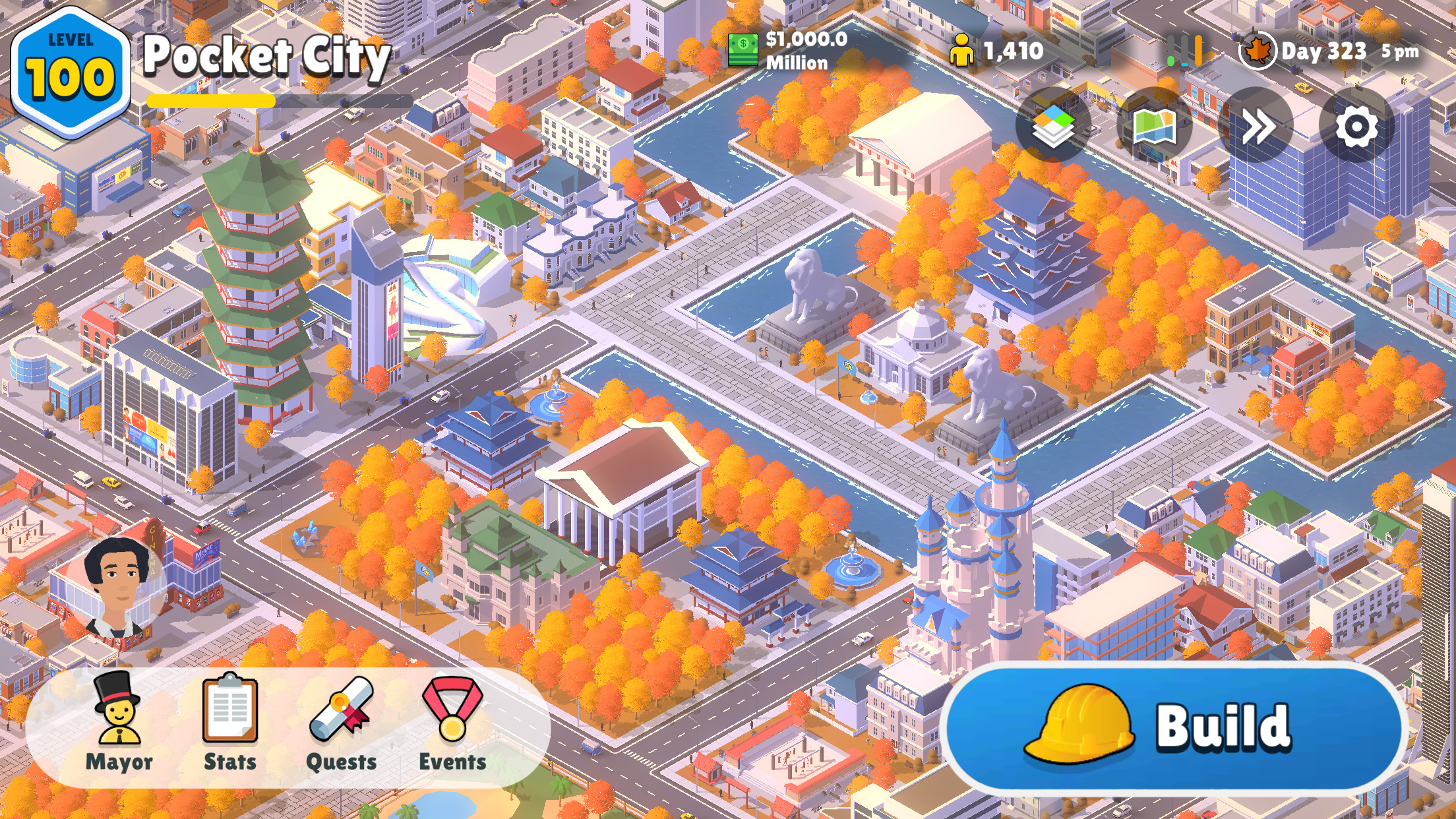
10 Best Paid Mobile Games with No Ads
The primary purpose of this analysis is to curate a selection of high-quality, premium mobile games that offer a complete user experience without the intrusion of advertisements, timers, or aggressive monetization tactics.
- Premium mobile games prioritize gameplay quality by eliminating advertisements, timers, and aggressive monetization tactics common in free-to-play models.
- The ten recommended titles—Dead Cells, Stardew Valley, Slay the Spire, Bloons TD 6, Pocket City 2, Monument Valley, The Room, Mini Metro, Terraria, and Minecraft—span action, strategy, simulation, and puzzle genres.
- Upfront pricing for these high-quality titles typically ranges from $0.99 to $9.99, depending on regional availability and promotional pricing.
Watch THIS If You're Making Your First Game
The primary objective of this discussion is to analyze the challenges of independent game development, specifically focusing on the risks of long-term production cycles versus high-frequency release strategies.
- Launch-day performance is critical for long-term visibility, as demonstrated by the 2017 release of Sundered, where technical issues and poor balancing led to negative initial Steam reviews that hindered the game's market trajectory.
- Developers must choose between a 'perfectionist' model of multi-year development or a 'high-frequency' model that treats game releases like a portfolio to mitigate the high failure rate of individual titles.
- Relying on viral success is not a sustainable business strategy; developers must instead align their production models with their specific strengths and current market realities.
Why Do Some Great PC/Console Games Fail to Go Big?
The modern PC and console gaming landscape is increasingly defined by a high variance in sales performance, where even high-quality, critically acclaimed titles often fail to achieve significant commercial reach.
- The PC and console market is increasingly top-heavy, with legacy titles dominating player attention and sales at the expense of new releases.
- Market saturation is accelerating, with the total number of Steam game pages projected to exceed 100,000 by 2024.
- Consumer spending on video game subscriptions in the U.S. has plateaued at approximately $400 million per month since late 2021.

How DLC boosts engagement for PC and console games
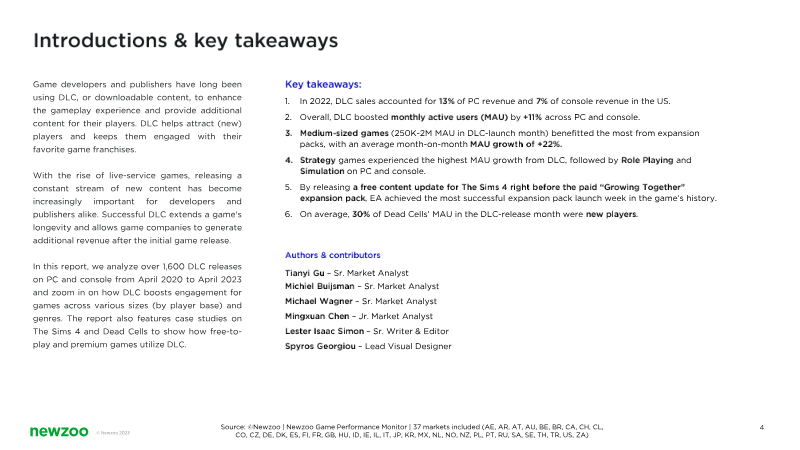
Downloadable content (DLC) serves as a critical driver for player engagement and long-term monetization in the PC and console gaming sectors.
- DLC releases drive an average 11% increase in monthly active users (MAU), with medium-sized games (250,000 to 2 million MAU) seeing the highest impact at 22% growth.
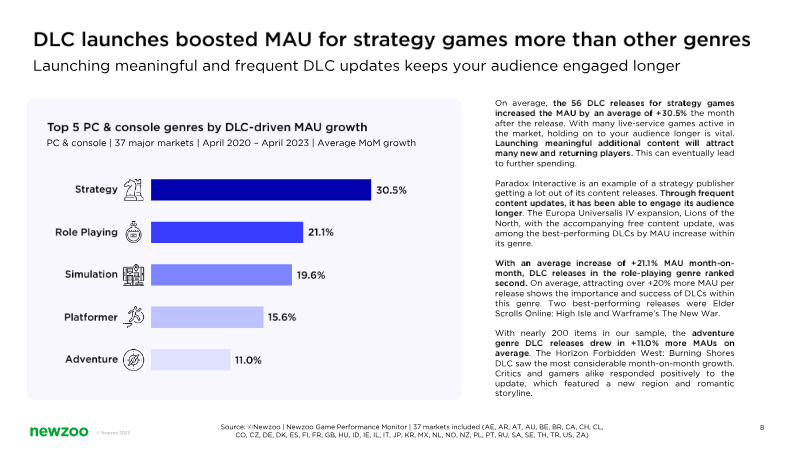
- Strategy games benefit most from the DLC model, recording a 30.5% average increase in MAU, followed by role-playing and adventure titles.
- DLC is a significant revenue driver, accounting for 13% of PC revenue and 7% of console revenue in the U.S. during 2022.
Which Newer Steam Games Are Now Evergreen Sellers?
Analysis of Steam sales data from early 2023 reveals that several titles released in 2022 have established a significant "long tail" of consistent revenue, distinguishing them as evergreen sellers.
- Games released in 2022 that achieved evergreen status share common drivers of deep mechanical hooks or strong regional appeal, as seen in titles like 'Against the Storm', 'Foxhole', and 'Symphony of War'.
- Low-priced titles at the five-dollar price point, specifically 'Vampire Survivors' and 'Brotato', have successfully established significant long-tail revenue through consistent sales volume.
- Regional market penetration can sustain long-term performance, exemplified by 'Astlibra Revision', where less than 10% of reviews originate from English-speaking users due to its strength in the Chinese market.
How Much and When Should You Discount Your Game on Steam?
Effective discount management on Steam is a critical component of long-term game revenue, functioning as a cyclical mechanism to convert wishlists into sales and trigger platform algorithms for increased visibility.
- Steam sales trigger wishlist emails and algorithmic visibility, creating a cyclical pump effect that should be leveraged approximately every 8 weeks.
- A gradual, stair-stepped discount strategy—as seen with Grand Theft Auto V—is more effective for sustained growth than infrequent, massive price drops.
- Developers can use the 'Stats' tab on isthereanydeal.com to identify the specific price points where the highest volume of potential customers are waiting to purchase.
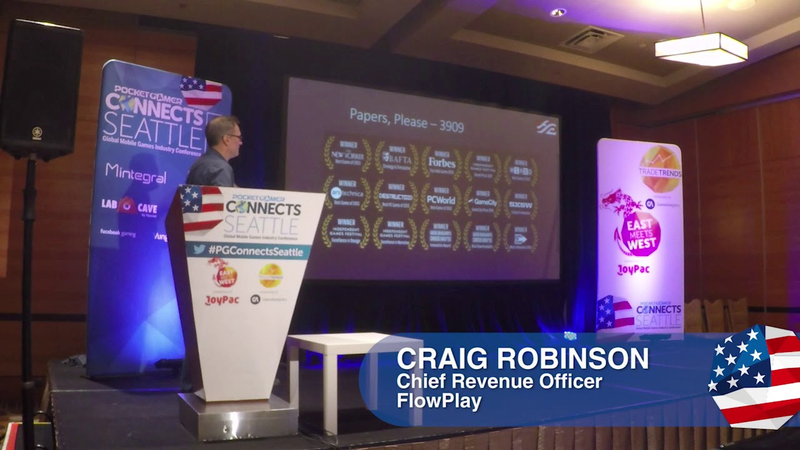
Haxe: The little known secret to scalable, cross-platform game creation
Haxe is presented as a powerful, open-source, cross-platform programming language and development toolkit that serves as a viable alternative to more mainstream game engines.
- Haxe is a cross-platform toolkit that translates a single codebase into multiple high-level languages or bytecodes, enabling deployment across web, mobile, and console platforms without proprietary vendor lock-in.
- The language supports high-performance development through specialized frameworks including OpenFL, HaxeFlixel, Heaps, and Kha.
- Haxe has been used to develop commercially successful titles such as Dead Cells, Papers, Please, and Northgard.
Dead Cells: What the F*n!?
Dead Cells functions as a definitive case study in the successful synthesis of roguelike permadeath and Metroidvania exploration, a hybrid genre the developers term rogue-vania.
- To mitigate the frustration of permadeath, Dead Cells implements a 'cells' currency system where players lose resources upon death but retain permanent progress toward weapon and skill unlocks.
- The game minimizes downtime by keeping the post-death loop to approximately 10 seconds, removing unnecessary stat screens and forcing an immediate return to action.
- To ensure combat and movement feel fair rather than punishing, the developers implemented 'coyote time' mechanics, such as auto-teleporting players to platforms if they are within a few pixels of success.
Decorticating Dead Cells: A Business and Marketing Deep Dive
The successful commercialization of the indie title Dead Cells relies on a rigorous, data-driven approach to competitive analysis and community-focused development.
- The development of Dead Cells cost approximately $800,000, with the team allocating $70,000 toward events and $50,000 for a trailer that primarily served to facilitate press coverage rather than drive direct sales.
- Competitive analysis should involve playing all games within a genre and using tools like NoScope or Social Blade to track viewership trends and identify key features like modular design and late-game content.
- Early Access strategy requires transparency regarding development timelines and a focus on building community rapport by explicitly highlighting how player feedback has influenced game updates.
Dead Cells post-mortem
The core thesis of the Dead Cells post-mortem is that a game’s success is fundamentally rooted in the quality of its core loops—the basic, repetitive actions a player performs from the beginning to the end of the experience.
- A game's commercial success is primarily driven by the quality of its core loops—the fundamental, repetitive actions performed by the player from start to finish.
- Developers should prioritize the 'feel' of basic mechanics like movement and combat over complex systems or unique selling points to ensure the experience is inherently satisfying.
- Adding more content cannot compensate for flaws in primary interactions; enjoyment must be established at the foundational level of gameplay.