Square
Company
Documents about Square

How RAID HQ implements its VIP system
The implementation of VIP systems in Western mobile games represents a strategic shift in monetization, traditionally dominated by Asian markets.
- Eight Pixels Square’s RAID HQ uses a six-tier VIP system to convert non-paying users into consistent spenders and improve long-term retention.
- The entry-level VIP tier is triggered by any hard currency purchase, serving as a psychological bridge to overcome the initial barrier to spending.
- Low-tier VIP benefits focus on quality-of-life improvements, such as removing forced advertisements and providing a 25% increase in cards from free chests.

Monetizer: RAID HQ
RAID HQ, a portrait-oriented, card-based shoot-'em-up developed by the UK-based studio Eight Pixels Square, serves as a case study in the integration of Asian-market free-to-play monetization and retention mechanics into a Western mobile game.
- RAID HQ by Eight Pixels Square integrates Asian-market monetization strategies, such as VIP tier systems and Gacha-style card collection, into a Western-style shoot-'em-up framework.
- The game employs a VIP tier system that provides permanent account benefits, including increased card yields and ad removal, to drive consistent player spending.
- Progression is gated by a complex system of randomized rewards, resource-based color-coding, and time-limited tasks that allow for hard-currency bypasses.

Rewarded video ads in RAID HQ
Eight Pixels Square utilizes rewarded video advertisements within the free-to-play shooter RAID HQ to enhance player progression and resource acquisition.
- Eight Pixels Square integrated rewarded video ads into RAID HQ to create a value-exchange model where players trade time for tangible in-game progression.
- Players can choose to watch an ad to reduce base upgrade timers by ten minutes, directly impacting the game's metagame development loop.
- The game offers a ten percent gold reward boost for combat missions if the player opts to watch an advertisement before starting the mission.
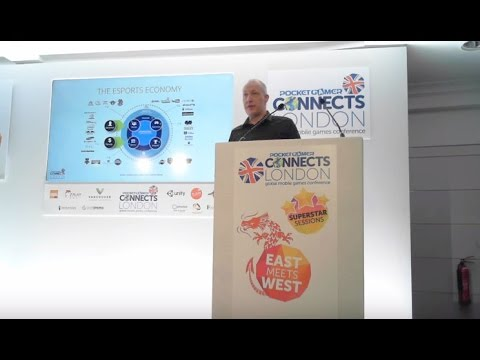
How big will eSports and mobile eSports be in 2016?
The global eSports market is experiencing rapid expansion, driven by a shift in consumer behavior where gaming has evolved from a solitary activity into a spectator-led entertainment ecosystem.
- The eSports market is projected to reach a billion-dollar valuation by 2019, growing from a current economic value of approximately $3.50 per fan.
- The industry is professionalizing through significant capital investment from traditional sports and media entities, including Turner and Madison Square Garden.
- Mobile eSports is a primary growth driver, as it facilitates seamless transitions between playing and spectating by integrating video content directly into game design.
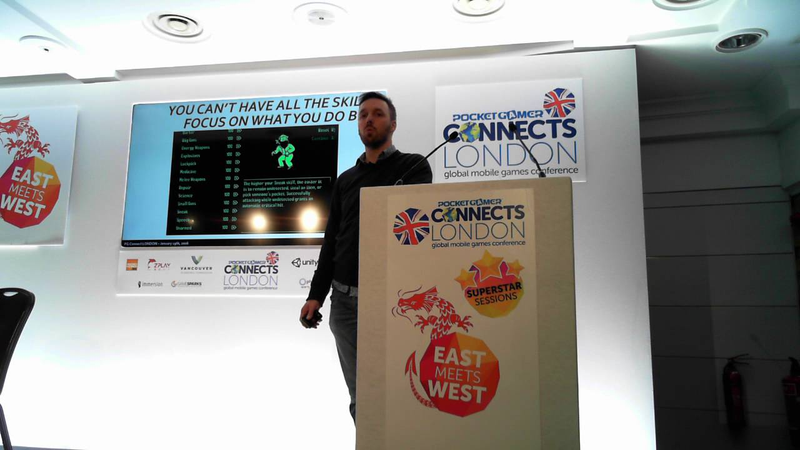
Square Enix Montreal on the hard learnings going from console to mobile success
Square Enix Montreal’s transition from a large-scale console developer to a successful mobile publisher serves as a case study in the necessity of organizational agility and strategic focus.
- Platform store discovery drives over 50 percent of user acquisition, significantly outperforming traditional media and social channels.
- Securing 'Editor’s Choice' or 'Game of the Year' status on app stores can triple revenue compared to standard featuring while generating millions of additional impressions.
- Transitioning from console to mobile requires hiring for a mobile-first mindset, as console-hardened developers often struggle with the leaner, iterative development cycles required for mobile.

Nordic Game 2015 Diary: Day 1
Nordic Game 2015 serves as a primary venue for industry professionals to discuss emerging trends in game development, marketing strategies, and the evolving landscape of multi-platform distribution.
- Developers are shifting away from platform-exclusive strategies toward unified, cross-platform experiences that integrate mobile, PC, console, and virtual reality hardware.
- Crowdfunding success, as evidenced by Square Enix Collective, relies on synchronized launch strategies and professional support rather than independent, uncoordinated efforts.
- Market saturation necessitates that developers clearly define and communicate their unique selling points to remain competitive in indie publishing and ad network sectors.

Monetizer: Lawless
Lawless is an on-rails first-person shooter developed by Eight Pixel Square and published by DeNA for mobile platforms.
- Lawless utilizes an on-rails, light-gun gameplay mechanic to bypass the technical challenges of implementing traditional FPS controls on mobile devices.
- The game shifts the core challenge from player skill to the statistical strength of equipment, utilizing an upgrade loop modeled after CSR Racing.
- Monetization is driven by a dual-currency system of cash and premium 'crime coins,' with in-app purchase bundles ranging from $0.99 to $49.99.

Mailbag 1 - Questions About the Game Industry - Extra Credits
This overview addresses common inquiries regarding the state of the video game industry as of late 2010.
- The dominance of first-person shooters in 2010 is driven by the commercial success of the genre and the availability of standardized development engines like Unreal, which lower entry barriers for mid-tier studios.
- The perceived decline of the JRPG genre is not a lack of innovation, but rather an over-reliance on a small number of major publishers like Square Enix.
- PC gaming remains a robust market segment when accounting for the growth of MMOs, social gaming, and indie titles, despite challenges related to high technical requirements and costs compared to consoles.
