Space Ape
19 documents in the library are about Space Ape, from writers such as PocketGamer.biz, Deconstructor of Fun and Mobilegamer.biz, the newest from 2026. Each has a summary and key insights with the page they come from.

Founded in 2012 and based in London, Space Ape is a studio with more than 100 developers in it. In 2017 they've formed a partnership with Supercell.
- Founded
- 2012
- Country
- United Kingdom
- Games
- Boom Beach: Frontlines, Beatstar, Chrome Valley Customs, Samurai Siege
- Links
- Official site
Company data from IGDB.com
Key figures
Space Ape Games shifted its staffing model after 2016 to reduce developer involvement in live titles, moving from 70% of staff dedicated to live games to a lean model that prioritizes engineering resources for new intellectual property.
PocketGamer.biz, 2018 · Space Ape on lean live ops for mobile games, p. 3
Supercell acquired a 62% stake in Space Ape Games in 2017 for $55.8 million, establishing a valuation of approximately $90 million.
Deconstructor of Fun, 2015 · From Space Ape to Duolingo via Supercell: Simon Hade on Building, Pivoting, and the Price of Being a Founder
Space Ape Games generates 30% to 50% of its total revenue from in-game events across titles like Transformers: Earth Wars, Rival Kingdoms, and Samurai Siege.
PocketGamer.biz, 2016 · How Space Ape makes 30% to 50% of its revenue from in-game events, p. 1
Space Ape Games found that 20% of total revenue was directly attributable to players who had experienced positive interactions with customer support.
PocketGamer.biz, 2015 · Space Ape on the power of CRM for F2P success, p. 1
Documents about Space Ape
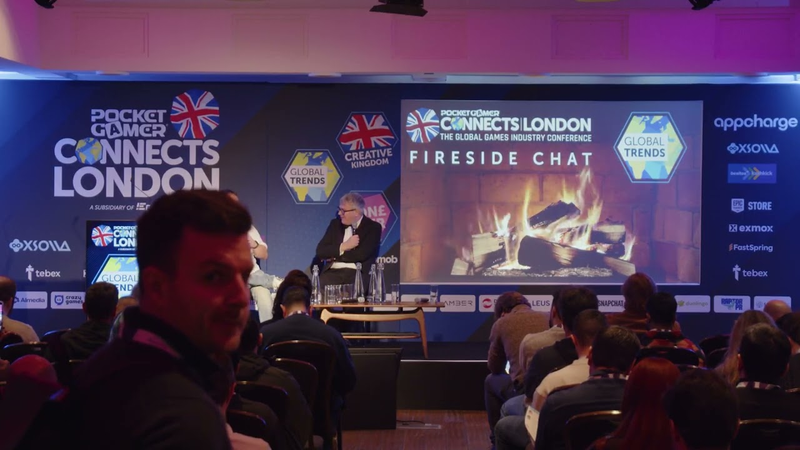
Fireside Chat: A Life in Mobile: From Games to Music to Apps – 15 Years of Wins, Losses and Learns.
This discussion explores the evolution of mobile development through the career of Simon Hade, a veteran entrepreneur who transitioned from founding the mobile studio Space Ape to his current role as Head of New Subjects at Duolingo.
- Duolingo is actively recruiting game developers to transition from traditional gaming to app-based product development, focusing on making core user experiences inherently fun rather than relying solely on gamification or paywall-focused product management.
- The shift in the mobile industry has moved from the early era of 'aping' successful titles like Clash of Clans to a current landscape where success requires deep product differentiation and specialized studio expertise.
- Modern studio fundraising now requires a complete, experienced team and a clear ambition to build a game that can self-fund the studio, as investors are less likely to fund concepts without proven execution capabilities.
Unity shenanigans, Space Ape postmortem, your games of the year, 2025 wrapped, more
The mobile gaming industry is currently navigating significant shifts in corporate strategy, consolidation, and monetization models.
- Unity is reportedly introducing a new 'Enterprise minimum commitment' fee for studios with over $25 million in annual gross revenue, with costs scaling from $250,000 for $25M+ earners up to $2 million for those exceeding $250M in revenue.
- Supercell completed its acquisition of Space Ape Games in November 2024, rebranding the studio as Supercell London and tasking it with applying lean live-ops expertise to legacy titles like Hay Day and Boom Beach.
- Space Ape Games' history under Supercell involved testing approximately 25 different games and numerous prototypes, a process that highlighted the studio's struggle to focus on winners and kill underperforming projects quickly enough.
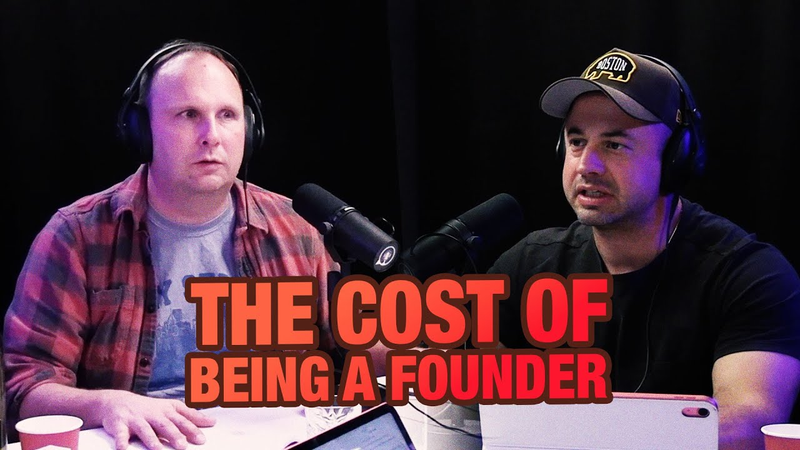
From Space Ape to Duolingo via Supercell with Simon Hade
The evolution of modern mobile gaming studios reveals a critical shift from rapid, decentralized experimentation toward a model defined by genre mastery and operational focus.
- The mobile gaming industry has shifted from decentralized, rapid experimentation to a model of genre mastery and operational focus, as the market now demands blockbuster-level commercial performance.
- High-autonomy, broad-spectrum R&D strategies are increasingly ineffective because studios that diversify across too many genres dilute their expertise and fail to meet modern growth thresholds.
- Integrating gaming expertise into non-gaming sectors like educational technology allows companies to leverage game-like mechanics and engagement loops to drive user retention.

Google and Epic upend Android mobile game monetisation | Week in Mobile Games podcast E71
The mobile gaming landscape is undergoing a structural transformation driven by significant legal settlements and shifting consumer engagement patterns.
- A Google and Epic Games antitrust settlement mandates a new Android fee structure through 2032, capping fees at 9% for cosmetic items and non-game apps while imposing a 20% fee on gameplay-impacting purchases and loot boxes starting in late 2025.
- Pokémon Trading Card Game Pocket has achieved significant market success, reaching 150 million installs and generating $1.3 billion in its first year through nostalgia-driven content.
- The Nintendo Switch 2 has set a new industry sales benchmark, selling 10.36 million units in 118 days and outpacing the launch trajectories of both the original Switch and the PlayStation 5.

Supercell Investments: A Creative Community or a Missed Opportunity?
Supercell’s recent rebranding of its investment arm, now known as Supercell Investments, serves as the focal point for an analysis of the company’s decade-long venture capital strategy.
- Supercell’s investment arm has failed to act as a strategic growth driver, missing significant opportunities during the 2016–2022 mobile gaming bull market.
- The company has executed only one acquisition, Space Ape, while passing on major industry players such as Peak, Small Giant, and Playrix.
- Supercell’s portfolio of approximately 20 investments is heavily skewed toward early-stage studios, with only three investments directed toward tech infrastructure.

TWIG #321 AppLovin’s SHOCK Acquirer, Monster’s Gone WILD, and Guitar Hero’s $1B CORPSE
The global gaming industry is currently navigating a period of intense structural realignment, characterized by strategic consolidation and a pivot toward high-stakes intellectual property.
- Savvy Games Group’s $3.5 billion acquisition of Scopely signals a shift toward long-term institutional investment from Saudi Arabia, prioritizing permanent industry influence over short-term vanity projects.
- Tripledot acquired AppLovin’s game division for $900 million, reflecting a broader trend of unexpected market consolidation as companies seek to scale operations.
- Supercell is shuttering Space Ape to centralize operations in London, signaling a strategic pivot away from niche puzzle games toward ambitious, real-time action titles.

Chrome Valley Customs level balancing talk, from Space Ape's Geoff Gilles
Chrome Valley Customs, a match-three puzzle and car restoration game launched globally in June 2023, serves as the primary case study for a data-driven approach to campaign balancing.
- Space Ape’s Chrome Valley Customs, launched in June 2023, utilizes a data-driven balancing strategy to manage a library of 2,000 levels with a release cadence of 200 new levels per month.
- The development team reduced manual rebalancing time from half-day sessions to a few minutes by implementing a proprietary, automated Google Sheets-based tool that integrates directly with their data warehouse.
- The balancing strategy centers on the 'Target APS' (Attempts Per Success) metric, which acts as a proxy for difficulty to ensure every level aligns with an optimal, pre-defined difficulty curve.
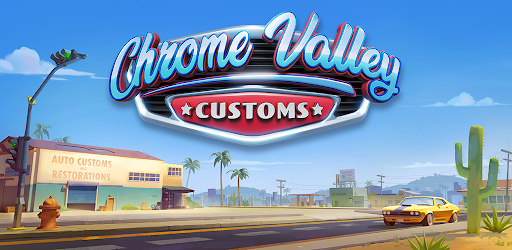
Chrome Valley Customs: Can a Male Audience and a Puzzle Game Be a Match?
Chrome Valley Customs represents a strategic attempt by Space Ape to penetrate the highly saturated mobile match-3 market by targeting an underserved demographic: adult male players.
- Space Ape is attempting to penetrate the saturated match-3 mobile market by targeting an underserved adult male demographic through car restoration and customization themes.
- The game adapts proven mechanics from titles like Project Makeover, utilizing task-based progression and narrative-driven decoration to drive player engagement.
- Visual design choices depart from industry norms by using a desaturated color palette and rock-music-infused atmosphere instead of the high-saturation aesthetics found in Royal Match or Homescapes.

Boom Beach: Frontlines Soft-Launch — The Good and Bad
Boom Beach: Frontlines, a team-based twin-stick shooter developed by Space Ape Games using Supercell’s intellectual property, demonstrates strong core gameplay but suffers from significant meta-design flaws that hinder its long-term viability.
- Boom Beach: Frontlines (BBF) is currently underperforming in monetization, with a Revenue Per Download (RPD) of $0.99 compared to the $2.24 RPD achieved by the now-cancelled Supercell title Clash Quest.
- The game suffers from weak metagame systems and progression structures that fail to drive player retention or incentivize spending, despite having an approachable and well-executed core shooter gameplay.
- Progression in BBF is too passive, as experience points are earned simply by playing rather than through competitive excellence or economic investment, which diminishes the urgency to spend.

How Pride Was Celebrated on Mobile in 2022
The mobile gaming industry increasingly utilizes Pride Month as an opportunity to engage players through inclusive content, charitable initiatives, and corporate social responsibility.
- Mobile game developers are increasingly integrating Pride Month celebrations through a combination of in-game cosmetic events, character releases, and charitable donations.
- Zynga demonstrated a direct philanthropic approach by donating $50,000 to non-profit organizations supporting LGBTQIA+ issues during the 2022 Pride month.
- Wildlife Studios introduced 'Faye' as the first transgender character in Zooba: Zoo Battle Royale Games, donating 10% of the character's purchase proceeds to the Brazilian non-profit Casa Neon Cunha.
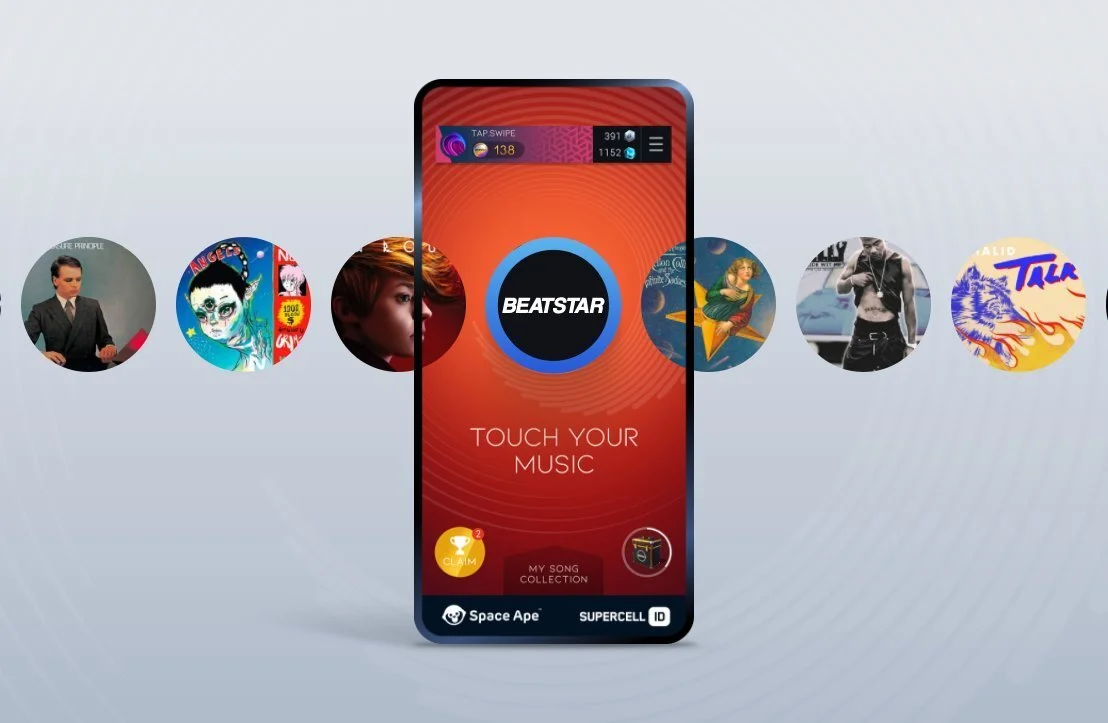
Can Supercell Boost Beatstar Into a Major Hit
Beatstar serves as a pivotal case study for Space Ape Games, representing the first title to launch under the direct support and cross-promotional infrastructure of Supercell.
- Beatstar's commercial success is currently limited by the rhythm genre's historically low monetization ceiling, which struggles to justify the high costs of aggressive performance marketing.
- The game's current reliance on a restrictive energy system and gacha-style song acquisition creates pay-to-play friction that negatively impacts long-term player retention.
- To scale revenue and improve sentiment, the game must transition from its current economic architecture toward a subscription-based model while deepening social and competitive features.
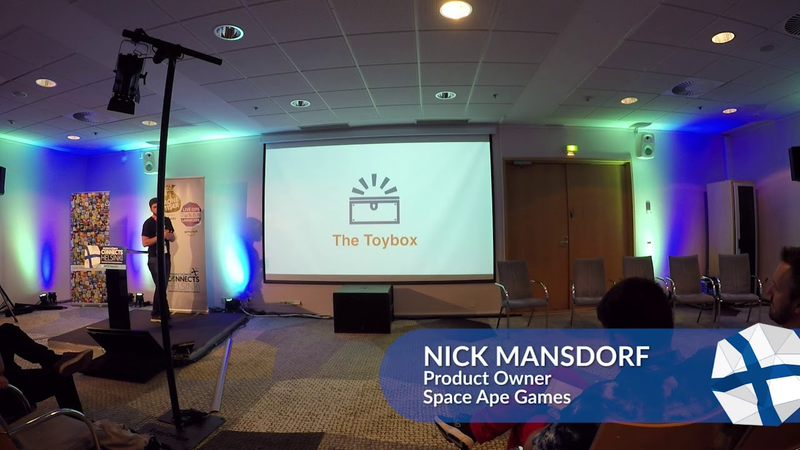
Space Ape on lean live ops for mobile games
Space Ape Games, a London-based mobile studio founded in 2012, utilizes a lean live operations strategy to maintain long-term revenue for its portfolio of mobile titles while shifting development resources toward new projects.
- Space Ape Games shifted its staffing model after 2016 to reduce developer involvement in live titles, moving from 70% of staff dedicated to live games to a lean model that prioritizes engineering resources for new intellectual property.
- The studio maintains legacy game profitability through a 'toy box' framework of proprietary web tools, allowing non-developer staff to manage events, monetization, and assets without requiring client-side code pushes or app store updates.
- Operational efficiency is achieved by transitioning the art pipeline to a fully outsourced model, enabling the studio to reduce full-time artist headcount on specific titles from five to zero.