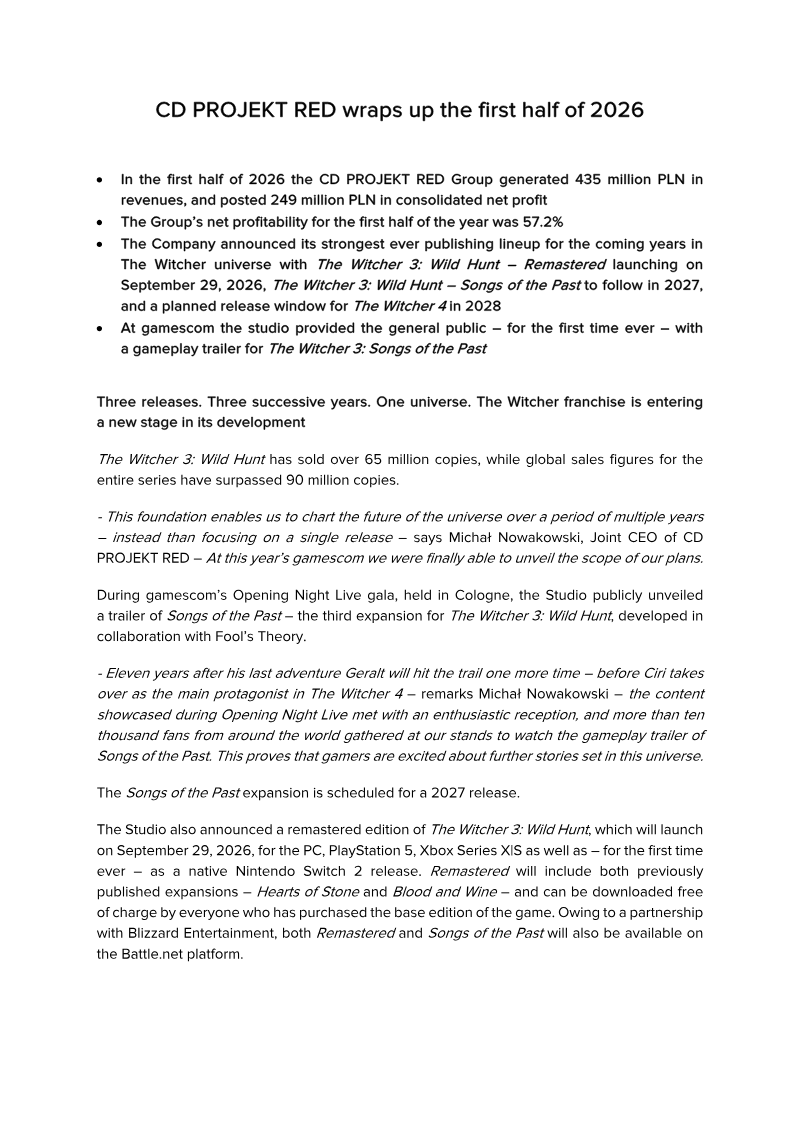
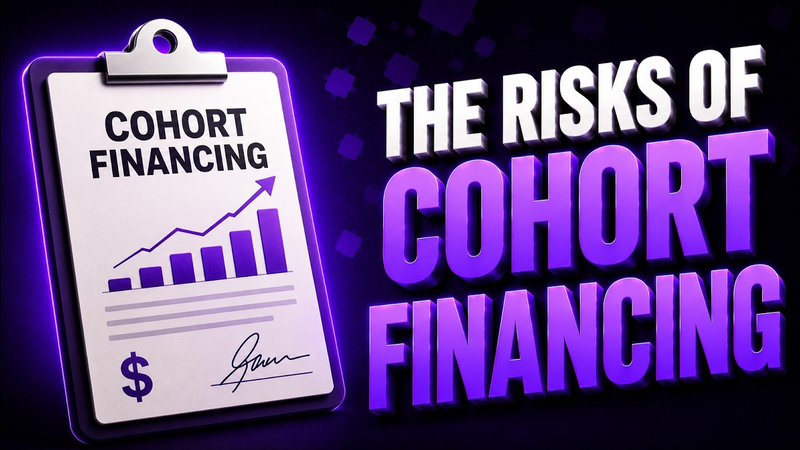
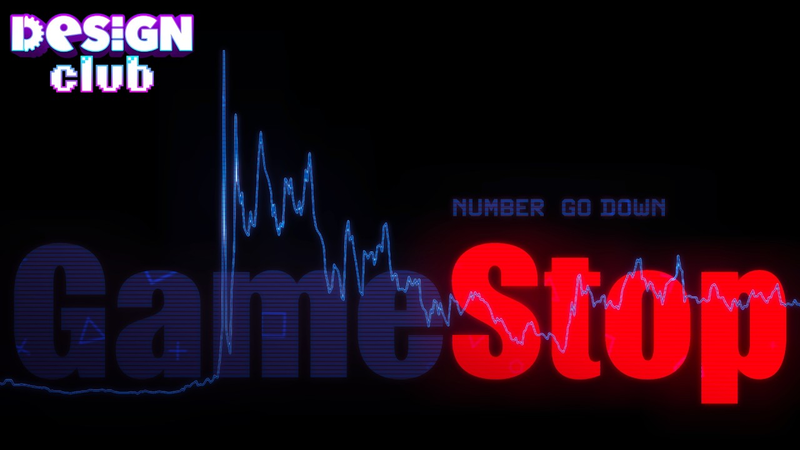
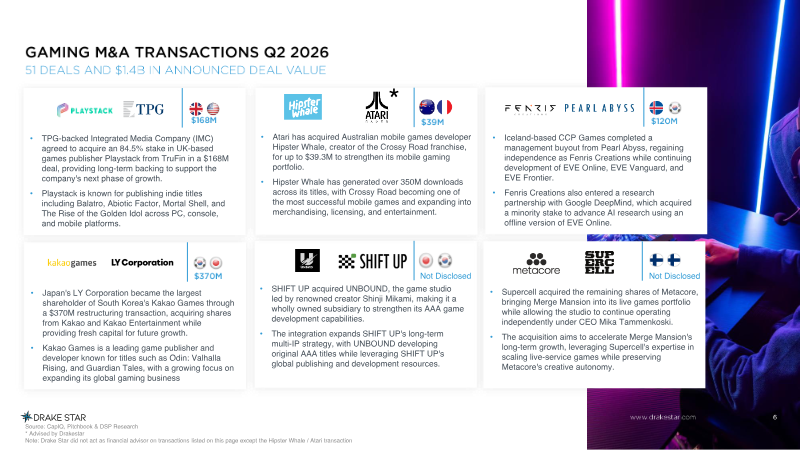
1 free read left. Create a free account for unlimited reading + AI research.
Create free accountArticle Deconstructor of Fun
1 free read left. Create a free account for unlimited reading + AI research.
Create free accountArticleDeconstructor of Fun
Supercell’s recent rebranding of its investment arm, now known as Supercell Investments, serves as the focal point for an analysis of the company’s decade-long venture capital strategy. While the relaunch emphasizes a commitment to supporting independent, creative teams, the assessment suggests that the initiative functions more as a philosophical passion project than a structured corporate venture capital (CVC) engine. The core thesis posits that despite significant capital and industry influence, Supercell has failed to leverage its investment arm as a strategic growth driver, effectively missing the mobile gaming bull market between 2016 and 2022.
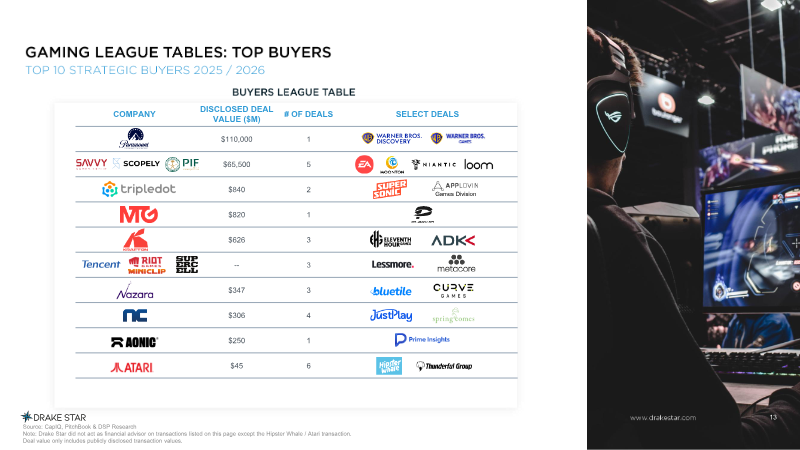
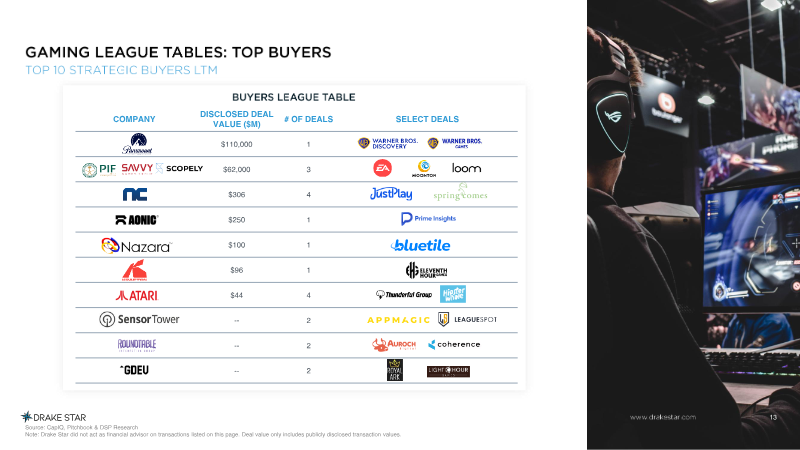
The analysis highlights a lack of strategic integration and measurable financial returns within the portfolio. With approximately 20 investments, the focus remains heavily on early-stage studios, with only three investments directed toward tech infrastructure. Furthermore, the company has executed only one acquisition, Space Ape, while missing opportunities to acquire major industry players like Peak, Small Giant, and Playrix. By contrast, peers such as Miniclip have demonstrated a more aggressive and successful acquisition strategy, averaging nearly one acquisition per year over the last three years with significant capital deployment.
The study concludes that Supercell’s cautious approach stems from a cultural aversion to managing external studios, a fear that the evidence suggests was largely unfounded. By prioritizing a hands-off, community-focused model over a high-impact investment strategy, Supercell has struggled to translate its market position into a scalable competitive advantage. Without a shift toward operator-led guidance and a more rigorous, strategic investment framework, the initiative risks remaining a peripheral effort rather than a core business pillar.

Deconstructor of Fun · 2026

Deconstructor of Fun · 2026
Deconstructor of Fun · 2026

Deconstructor of Fun · 2026

Deconstructor of Fun · 2026

Deconstructor of Fun · 2026

Deconstructor of Fun · 2026
Deconstructor of Fun · 2026
Deconstructor of Fun · 2026
Deconstructor of Fun · 2026

Deconstructor of Fun · 2026

Deconstructor of Fun · 2026
Quantum Tech Partners · 2025