Space Ape
Documents about Space Ape
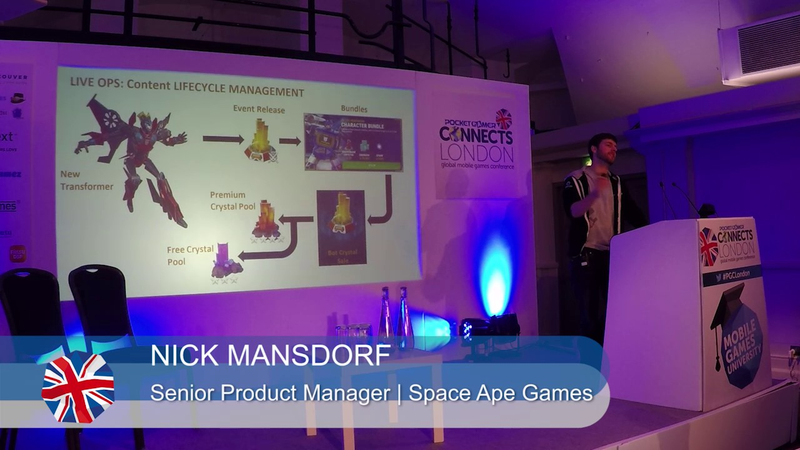
How Space Ape Games plans its live operations to keep its titles going for years
Space Ape Games utilizes a structured, data-driven approach to live operations (LiveOps) to extend the lifecycle of mobile titles and maintain player engagement.
- Space Ape Games integrates LiveOps into the initial development phase, evaluating every design decision for its long-term impact on game economies and player behavior.
- The studio manages content lifecycles by introducing high-value assets through exclusive, limited-time events before transitioning them into broader bundles and gacha pools.
- To prevent player burnout, the studio categorizes events by intensity—ranging from low-engagement 'one-finger' tasks to high-intensity 'four-finger' competitions—and schedules them in a predictable 'saga' cadence.
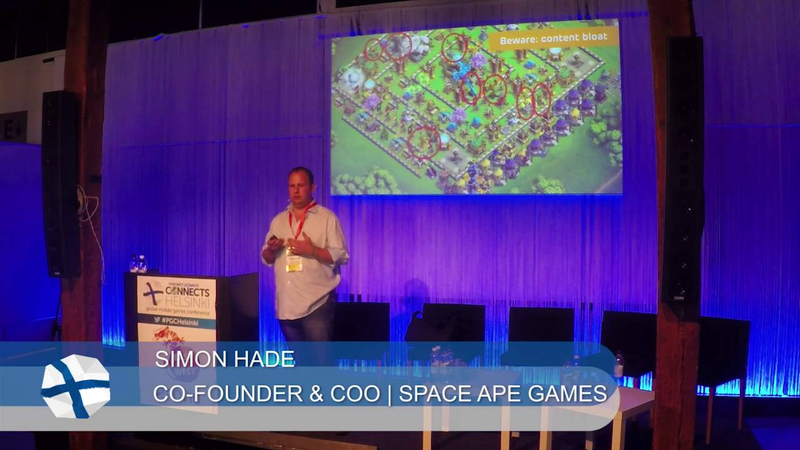
How Space Ape makes 30% to 50% of its revenue from in-game events
Space Ape Games utilizes a sophisticated live operations strategy to drive significant revenue and player retention across its build-and-battle titles, including Samurai Siege, Rival Kingdoms, and Transformers: Earth Wars.
- Space Ape Games generates 30% to 50% of its total revenue from in-game events across titles like Transformers: Earth Wars, Rival Kingdoms, and Samurai Siege.
- The studio utilizes a 1-3-2-4 intensity cadence for events, alternating between high-stakes alliance tournaments and lower-intensity personal engagement activities.
- A proprietary content management system allows non-technical staff to schedule and adjust events in real-time, bypassing the need for app store updates.
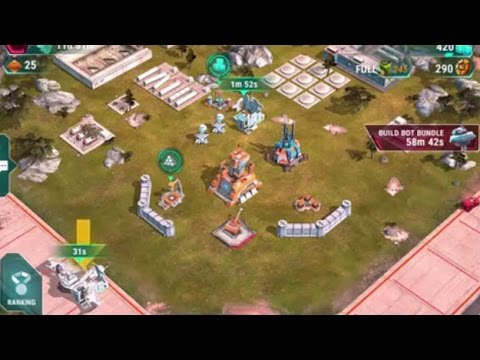
FTUE: Transformers Earth Wars
Transformers: Earth Wars is a mobile build-and-battle strategy game developed by Space Ape Games and published by Backflip Studios, a subsidiary of Hasbro.
- Transformers: Earth Wars is a 2016 mobile build-and-battle strategy game developed by Space Ape Games and published by Backflip Studios, a subsidiary of Hasbro.
- The game utilizes a core loop of base building, resource management (alloy and energon), and tactical combat to leverage the Transformers intellectual property.
- Progression is driven by a gacha-style crystal system used to unlock characters with unique roles, alongside leveling mechanics for both the player's headquarters and individual Transformers.

From Space Ape to Duolingo via Supercell: Simon Hade on Building, Pivoting, and the Price of Being a Founder
The professional journey of Simon Hade illustrates the complex evolution of mobile gaming leadership, moving from the early days of Skype and Playfish to the founding of Space Ape Games and its eventual integration with Supercell and Duolingo.
- Supercell acquired a 62% stake in Space Ape Games in 2017 for $55.8 million, establishing a valuation of approximately $90 million.
- Space Ape Games successfully pivoted from mid-core strategy titles like Samurai Siege and Rival Kingdoms to the casual music genre with the hit title Beatstar to counter rising user acquisition costs.
- Long-term studio viability in the current mobile landscape increasingly depends on high production values and broad market appeal to compete against established incumbents.
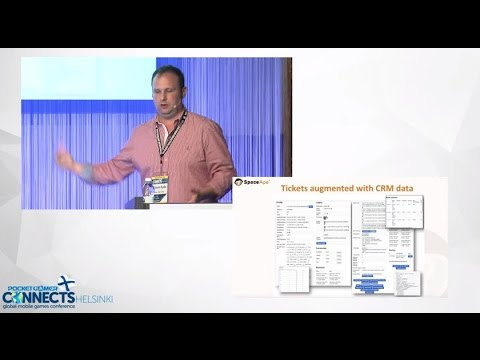
Space Ape on the power of CRM for F2P success
Space Ape Games emphasizes the strategic integration of customer relationship management (CRM) and data analytics to drive revenue and player retention in the free-to-play mobile gaming market.
- Space Ape Games found that 20% of total revenue was directly attributable to players who had experienced positive interactions with customer support.
- The studio prioritizes high-value users by augmenting support tickets with comprehensive player profiles that include spend history, churn propensity, and technical crash logs.
- Direct engagement with influential players via private, invite-only chat groups on platforms like LINE serves as a more effective marketing channel than traditional user acquisition.
Tencent buys Miniclip and Sega invests in Space Ape
The gaming industry in early 2015 is characterized by a surge in mergers and acquisitions, as highly profitable companies leverage their cash reserves to secure strategic assets.
- Tencent acquired a significant majority stake in Miniclip to leverage shared expertise in transitioning web-based portals to mobile free-to-play ecosystems.
- Sega Networks expanded its mobile footprint by acquiring Demiurge Studios and investing in Reignited Artists and London-based Space Ape Games to facilitate entry into the Japanese market.
- Playtech acquired YoYo Games for $16.4 million to integrate the Game Maker software into its gambling-focused business model.

Clones, sequels and original IP, subsidising wearables, and will mobile games always rise?
The mobile gaming industry in late 2014 is characterized by a mature market where top-grossing charts remain static, dominated by established franchises and sequels.
- As of late 2014, the mobile gaming market has reached a state of maturity where top-grossing charts are dominated by established franchises and sequels, making it increasingly difficult for new original IP to gain traction.
- High-profile, well-funded titles like Vainglory have struggled to penetrate the top-grossing charts despite significant promotional support from major platform holders like Apple.
- Studios such as Space Ape have found success by focusing on iterative improvements to established genres, specifically through enhanced alliance mechanics and early adoption of the Android platform.