Sky
Company
Documents about Sky
Sky Mavis, Delegated Proof of Stake and Building on Ronin
Sky Mavis is undergoing a strategic evolution, transitioning from a singular developer of Axie Infinity into a comprehensive B2B publisher and infrastructure provider for the broader web3 gaming sector.
- Sky Mavis is transitioning from a single-game developer to a B2B publisher and infrastructure provider for the web3 gaming sector.
- The Ronin blockchain has migrated to a Delegated Proof of Stake (DPoS) model to improve decentralization and security following the 2022 bridge hack.
- The DPoS architecture allows RON token holders to participate in validator selection, creating a more resilient network for third-party titles.
Micro Postmortems: 'Sky', 'Blaseball', and 'Space Warlord Organ Trading Simulator'
Modern game development increasingly relies on community-driven narratives and collaborative, sustainable production models to achieve both critical success and long-term player engagement.
- Game development is shifting from auteur-driven models to a 'constellation approach,' which prioritizes team health, fair compensation, and flexible collaboration to produce projects reflecting collective rather than singular visions.
- Titles like 'Blaseball' demonstrate that treating simulation outputs as definitive narrative truths allows developers to foster a living, evolving world driven by player influence.
- In collaborative production environments, selecting partners based on empathy and shared creative perspectives is more critical to long-term success than prioritizing raw technical skill.

Is Diablo Immortal Fun for Mortal Wallets? - The Metacast by Naavik
The gaming industry is currently navigating a critical transition as major franchises attempt to adapt their core experiences for mobile platforms and broader ecosystem expansion.
- Aggressive monetization in mobile titles like Diablo Immortal, where character upgrades can cost hundreds of thousands of dollars, risks alienating core fanbases and inviting increased global regulatory scrutiny.
- Successful mobile adaptation of major franchises requires bespoke development rather than simple ports, as evidenced by the performance of Apex Legends Mobile.
- Long-term mobile viability is increasingly dependent on sophisticated live-ops, personalized player segmentation, and strategic partnerships with experienced developers like Tencent.

The Future of Axie Infinity with Philip La, Game Lead at Sky Mavis - The Metacast by Naavik
The future of Axie Infinity centers on a strategic pivot from speculative, earnings-driven mechanics toward a sustainable, fun-first gaming experience.
- Axie Infinity is pivoting from speculative, earnings-driven mechanics to a fun-first model that prioritizes high-quality gameplay, improved graphics, and intuitive progression.
- The platform has adopted a freemium model to lower barriers to entry, allowing players to access the 3v3 battle loop and PvE content without an initial financial investment.
- Economic stability is being managed through a balanced system of token sinks and sources designed to discourage pure extraction and promote long-term sustainability.
Still Flying High: Sunset Games 101
The concept of sunset games represents a specific sub-genre within the hypercasual market, characterized by a core loop focused on continuous progression, exploration, and incremental improvement.
- Sunset games are a hypercasual sub-genre defined by a single, expansive world and continuous meta-progression rather than discrete, level-based stages.
- The core loop centers on using earned currency to purchase character and equipment upgrades that enable further exploration and progress without punitive failure states.
- Design principles prioritize accessibility through one-handed controls, light decision-making, and high visual polish to ensure consistent player satisfaction.

Sky Children of Light developer thatgamecompany gets $160 million dollars!
ThatGameCompany, the developer behind titles such as Journey and Sky: Children of the Light, has secured $160 million in a new funding round led by venture capital firms TPG and Sequoia.
- ThatGamecompany has secured $160 million in a new funding round led by venture capital firms TPG and Sequoia.
- The studio will use the capital to expand its development team, infrastructure, and organizational capacity to support future projects.
- Pixar co-founder Ed Catmull has joined the studio as a principal advisor to provide guidance on creative culture and long-term growth.
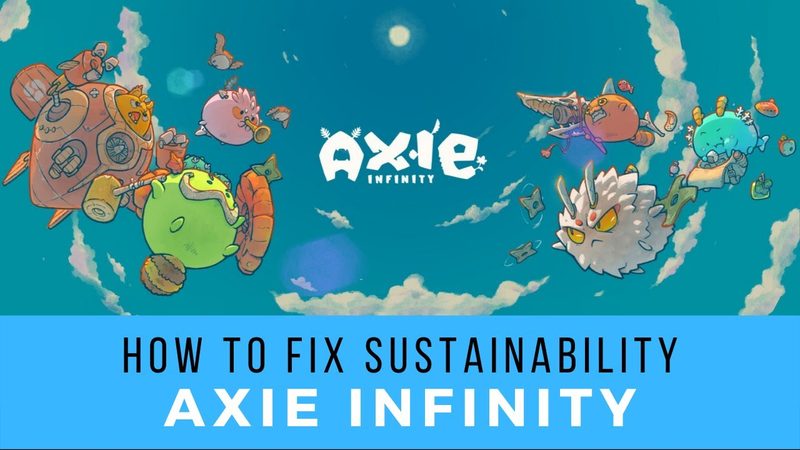
How To Fix Axie Infinity | Sustainability & Future of Sky Mavis
Axie Infinity serves as a critical case study for the challenges inherent in early play-to-earn blockchain gaming models.
- Axie Infinity’s initial economic model failed due to a reliance on continuous user growth to fund token payouts, which created unsustainable inflation and a lack of sufficient asset sinks.
- Sky Mavis is pivoting from a single-game economy to a platform-based ecosystem by leveraging the Ronin sidechain and Mavis Hub to capture transaction fees and foster network effects.
- The developer is transitioning from a 'play-to-earn' model to a 'play-and-earn' framework that prioritizes gameplay quality and user-generated content over speculative financial incentives.

I PLAYED YOUR GAMES! | Game Design Feedback
Indie game development often hinges on the delicate balance between innovative core mechanics and the accessibility of the user experience.
- Indie titles like Hoverblade, The Court of Wanderers, Raw Shire, and Sky Tale suffer from a disconnect between atmospheric ambition and the practical clarity required for player engagement.
- Poor execution of fundamental design elements—specifically unintuitive controls, poorly paced tutorials, and cluttered UI—frequently obscures the core gameplay quality.
- Developers should prioritize visual distinction by utilizing ambient occlusion, color grading, and environmental depth cues to improve immersion and readability.
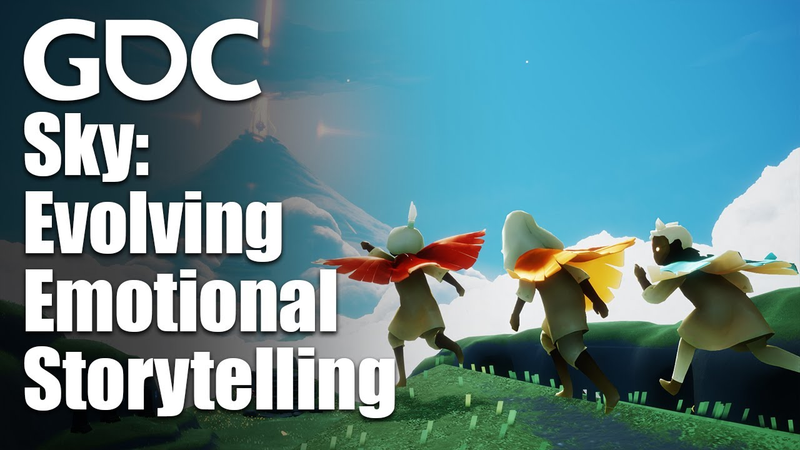
Evolving Emotional Storytelling in thatgamecompany's Sky
Sky: Children of the Light represents a fundamental shift in game design, moving away from traditional conflict-driven narratives toward an emotion-first framework that prioritizes social connection and altruism.
- thatgamecompany shifted the traditional hero’s journey to an emotion-first framework in Sky: Children of the Light, replacing conflict-driven mechanics with altruism and social connection.
- The game utilizes a candle mechanic to facilitate gifting and cooperation, intentionally replacing transactional progression with systems that reward collaborative behavior.
- Designers successfully iterated on social mechanics by pivoting away from forced progression after early beta feedback identified friendship systems as unclear or overly greedy.
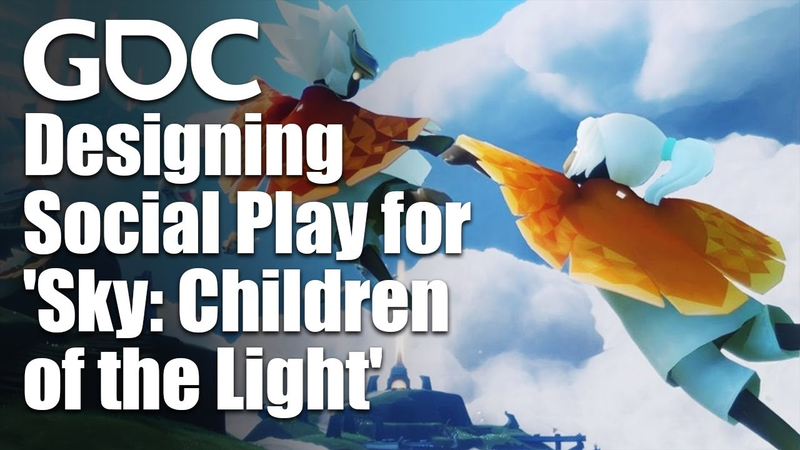
Designing Social Play for Sky: Children of the Light
The design philosophy behind Sky: Children of the Light centers on fostering genuine interpersonal connections by prioritizing empathy and social simulation over traditional goal-oriented multiplayer mechanics.
- Social play is defined as any activity performed near others that encourages the simulation of another person's thoughts and feelings, effectively requiring players to practice empathy rather than just coordination.
- Goal-oriented gameplay often discourages social interaction, as players focused on objectives tend to ignore others; therefore, thatgamecompany places cooperative tasks on optional side paths while keeping main story progression single-player.
- The 'hand-holding' mechanic serves as a core social tool that allows one player to guide another, fostering intimacy and requiring the guide to actively anticipate the needs and interests of their partner.
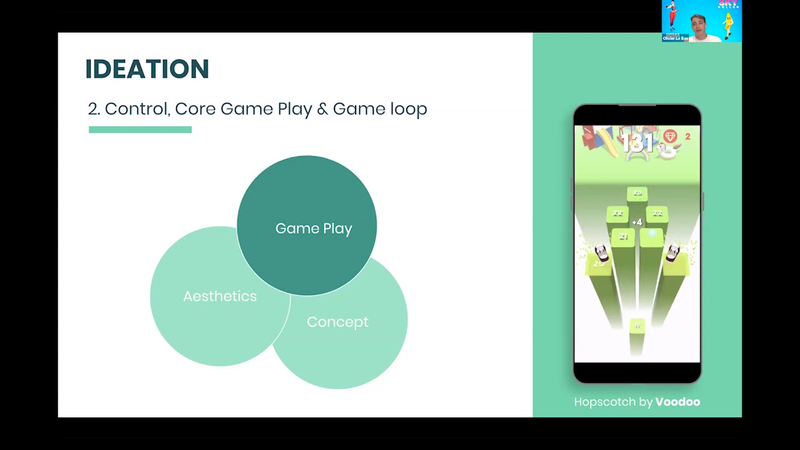
The Sky Roller Story: How we Created More Value by not Looking for Top Ranking Charts PGCD #2
Mobile game development thrives when publishers prioritize data-driven validation over the pursuit of top-ranking charts.
- Prioritize Fast Market Validation through rigorous soft-testing to identify high-potential mechanics before committing to full-scale production, as demonstrated by the 80 million downloads achieved by Sky Roller.
- Shift from an over-reliance on interstitial ads to a hybrid monetization model that incorporates rewarded video and in-app purchases to maximize the lifetime value of hyper-casual titles.
- Enhance long-term user retention by integrating meta-progression and character customization alongside core gameplay improvements like intuitive controls, optimized camera angles, and haptic feedback.

Finding Hypercasual Publishing Success: Lessons from Rocket Sky! & OverTake PG Connects Digital #2
Hypercasual gaming success relies on a rigorous, data-driven publishing model that prioritizes rapid iteration, user acquisition efficiency, and long-term developer partnerships.
- Hypercasual success is defined by the ability to optimize Cost Per Install (CPI) and Long-Term Value (LTV) through rigorous data analytics rather than creative intuition.
- Small UI adjustments can yield massive performance gains, as demonstrated by Rocket Sky!, where moving UI elements to the primary focal point halved the game's CPI.
- Successful scaling relies on identifying satisfying, unique mechanics that perform well in video advertisements, a strategy that drove the growth of the title OverTake.