Serenity Forge
CompanyUnited States
Documents about Serenity Forge

Let's Review Your Games — Ep. 057
Indie game development often hinges on the delicate balance between innovative mechanics and intuitive player guidance.
- Puzzle games must clearly establish gameplay rules and interaction mechanics early on to ensure players feel they have earned their progress rather than having solutions fall into their laps.
- Avoid 'pixel hunting' mechanics where players must randomly hover their mouse over the environment to identify interactive objects; instead, clearly communicate what can be picked up or manipulated.
- The core game loop should start with accessible, intuitive tasks that teach the player the mechanics before introducing more obtuse or complex puzzles in later stages.
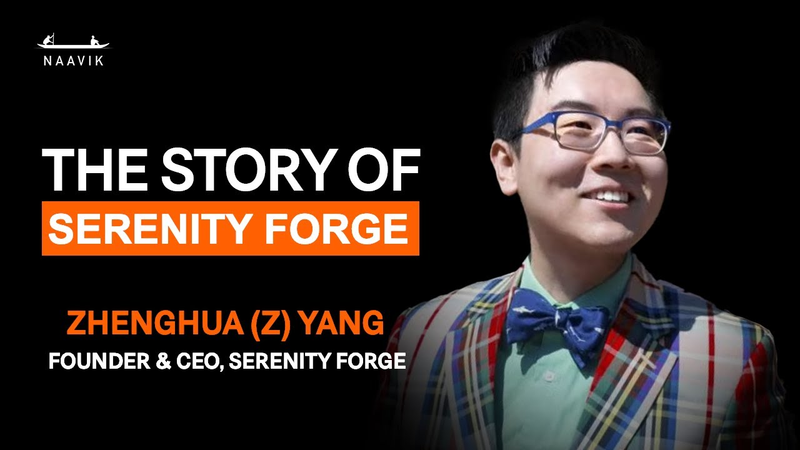
The State of Video Game Publishing (with Serenity Forge)
Serenity Forge operates as a multifaceted publisher and developer based in Colorado, dedicated to producing emotionally resonant, meaningful gaming experiences.
- Serenity Forge has scaled from a small development team to a global publisher managing multi-million dollar productions, including the 30-million-player hit Doki Doki Literature Club.
- The firm’s core business model relies on deep diversification, blending internal development with physical distribution, merchandising, and bespoke co-development partnerships to mitigate market volatility.
- The publisher rejects industry fads like NFTs, instead utilizing a tool-agnostic approach that prioritizes product quality and direct, unfiltered community engagement.
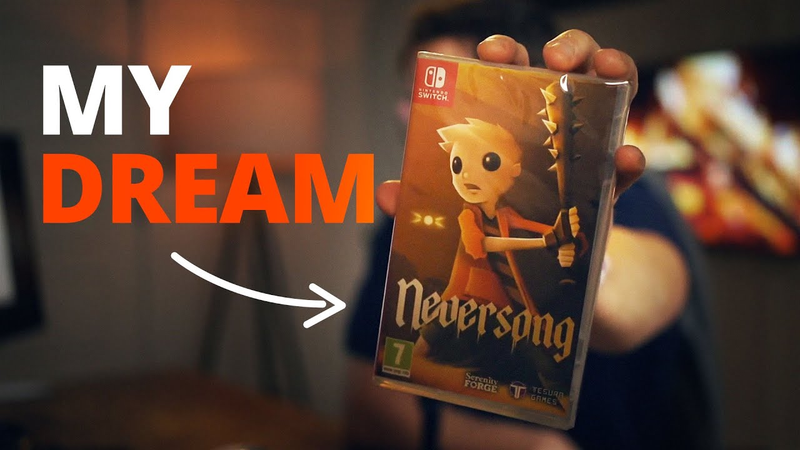
Unboxing my INDIE GAME DREAM (collector's edition!!!)
The primary purpose of this account is to document the realization of a long-term professional goal: the production of a physical collector’s edition for an indie game.
- Scaling an indie game from a digital-only release to a physical collector's edition is best achieved through strategic partnerships with specialized publishers like Serenity Forge and Tessera Games.
- Collaborating with established publishers allows developers to offload complex manufacturing and distribution logistics, enabling them to focus on core creative output.
- Maintaining high-quality, original 2D art assets throughout the development cycle is essential for producing premium physical merchandise like posters, trading cards, and pins.
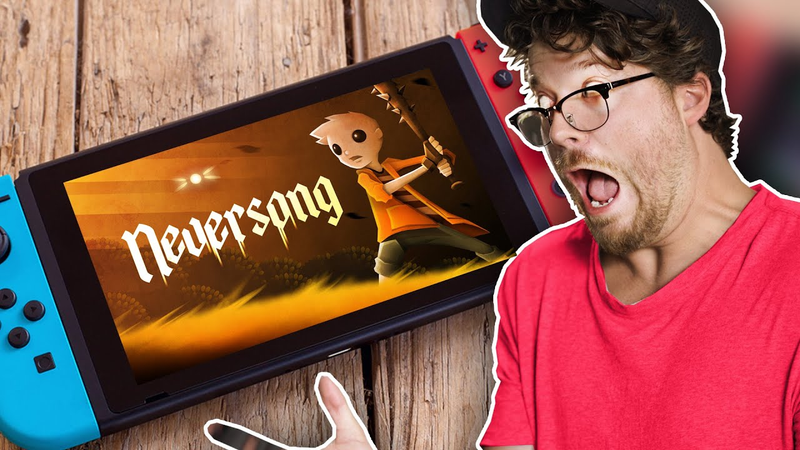
My 10 year dream project just launched on Nintendo Switch!!!
The launch of the game Neversong across Nintendo Switch, PlayStation 4, Xbox, and Apple Arcade serves as a case study for the viability of the solo developer model in the modern gaming industry.
- Solo developers can achieve multi-platform scale by outsourcing technical porting to specialized firms like Dū Games and leveraging the marketing infrastructure of publishers such as Serenity Forge.
- The 'solo developer' model is effectively a network-based business, as sustainable growth requires delegating administrative, technical, and promotional tasks to contractors rather than managing full-time employees.
- Strategic platform-led promotion is a critical driver of visibility, evidenced by the PlayStation 4 trailer for Neversong generating over 134,000 views and 5,600 likes.

How To Get Screwed By A Game Publisher
Navigating game publishing agreements requires extreme caution to avoid predatory practices that can strip developers of their intellectual property and revenue.
- Prioritize gross revenue deals over net revenue models to prevent publishers from eroding profits through vague overhead deductions and recoupment strategies.
- Retain full ownership of intellectual property and merchandise rights by granting publishers only a license to sell the game rather than selling the IP outright.
- Mandate that the only allowable deductions from gross revenue are the standard platform fees charged by storefronts such as Steam, PlayStation, or Xbox.
PlayJob Podcast #2: Zhenghua Yang
The modern independent game development landscape is undergoing a fundamental transformation, moving away from traditional definitions of scale toward a model defined by team culture, funding autonomy, and creative intent.
- Serenity Forge maintains creative autonomy and a horizontal, trust-based organizational structure by eschewing external investors in favor of a hybrid business model that balances client work with independent projects.
- The modern independent game industry is shifting away from the 'starving artist' model toward professional, high-quality operational standards that allow small teams to compete with larger entities in a crowded market.
- Developers are increasingly viewing games as vehicles for social responsibility and emotional communication, prioritizing the creation of meaningful content that shapes the values of future generations.