Playrix
Company
Documents about Playrix

Weekly Industry Briefing: Block Blast, Monopoly Go, and SciPlay
The weekly industry briefing provides a comprehensive overview of significant developments within the global mobile gaming sector as of late May 2026.
- Tencent Games had a blockbuster quarter, generating $11 billion, as indicated by data digest reports.
- Scopely's Monopoly Go earned Hasbro $41 million in licensing revenue during the last quarter, which was largely in line with expectations.
- SciPlay is undergoing layoffs affecting a limited number of roles, following a 7% year-on-year revenue drop, attributed to a tough social casino market.

🚨📢 BREAKING NEWS: Royal Kingdom Adds Ads, Playtika Exits Social Casino, Mistplay Buys Mychips
The mobile gaming industry is currently undergoing a significant shift in monetization and user acquisition strategies, characterized by a move toward casual gaming, the consolidation of rewarded ad platforms, and the abandonment of "no-ads" policies by major studios.
- Dream Games has abandoned its 'no-ads' policy for Royal Kingdom, integrating interstitial and rewarded ads as of February 2026 to drive daily downloads from 100,000–300,000 up to 600,000.
- The addition of ads to Royal Kingdom generates an estimated $170,000–$190,000 in daily revenue without cannibalizing in-app purchases, with markets like Brazil showing simultaneous growth in both revenue streams.
- Playtika has pivoted away from social casino games, which are now in managed decline, to focus on casual titles that currently represent 76% of its business.

How Playrix Turned Township into a $45M/Month Engine
The mobile game Township has achieved a significant financial milestone, generating $45 million in monthly revenue seventeen years after its initial release.
- Playrix has successfully scaled Township to generate $45 million in monthly revenue, despite the title being 17 years old.
- The game’s long-term success is driven by a hybrid design that integrates a tycoon-style front end with a match-3 gameplay layer.
- Playrix has continuously evolved its user acquisition strategy, shifting from hyper-casual-inspired creative concepts to more sophisticated iterations over time.
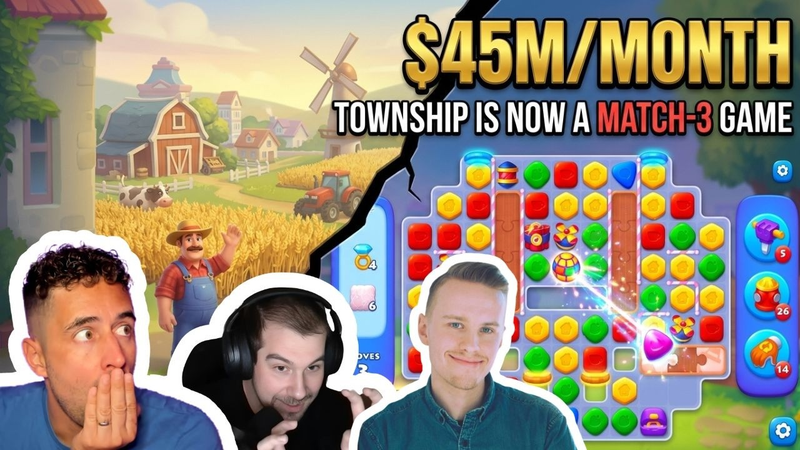
💰🚜 How Playrix turned a 17-Year-Old Tycoon into a $45M/Month UA & Match-3 engine
The longevity and financial success of the mobile title Township demonstrate the effectiveness of evolving legacy tycoon games into sophisticated, multi-core revenue engines.
- Playrix generates $45 million in monthly revenue from Township by evolving the 17-year-old title from a traditional farming simulator into a complex, match-three-driven monetization engine.
- The studio successfully repurposed legacy gameplay loops as onboarding funnels for high-LTV (lifetime value) monetization models, prioritizing energy-driven exploration and merge mechanics over lower-monetizing mini-games.
- To maintain long-term profitability, the studio overhauled the game's economy to tighten currency inflation, ensuring player progression remains strictly tied to the match-three core.

Weekly Industry Briefing: March 2026
The April 2026 industry briefing provides a comprehensive overview of the mobile gaming sector, focusing on performance metrics, corporate strategy, and emerging trends.
- King's VP and head of live ops, Eva Ryott, discussed the company's use of AI, last summer's layoffs, and workplace culture, as well as how Candy Crush Saga is addressing competition in the puzzle genre.
- NetEase and Bungie have rebooted Destiny: Rising with a new update to combat declining revenue, and the community's initial reception to the changes is positive.
- March's top-grossing mobile games saw Gossip Harbor achieve a significant milestone, while Monopoly Go's revenue continued to decline, and Brawl Stars showed renewed success.

Weekly Industry Round-up: PlayStation Cuts, The Division, and New Trends
This industry update provides a comprehensive overview of significant developments within the mobile gaming sector as of early April 2026.
- PlayStation's mobile division experienced layoffs affecting approximately 50 staff within its Studio Business Group, though work continues on soft-launch titles like MLB The Show Mobile and Ratchet & Clank: Ranger Rumble.
- Bethesda has discontinued its mobile RPG, The Elder Scrolls: Blades, delisting it from app stores with servers closing on June 30; the game generated around $13.5 million since its March 2019 launch.
- Coffee Stain, the developer of Goat Simulator and owned by Embracer, is closing its mobile studio in Malmö, impacting about 17 employees.

Mobilegamer.biz Weekly News Roundup
The weekly news roundup provides a comprehensive overview of the mobile gaming industry as of March 20, 2026, focusing on major platform developments, corporate acquisitions, and market trends.
- Epic Games is facing challenges in breaking the Apple and Google app store duopoly with its mobile store, despite efforts by Epic Games Store boss Steve Allison.
- Fortnite returned to Google Play worldwide on March 19, following an agreement with Google regarding store fees and other issues.
- Nazara, an Indian tech giant, acquired controlling stakes in casual game studio Bluetile and rewarded play firm BestPlay for $100 million.
Video Games Ecosystem Report: Cyprus 2025
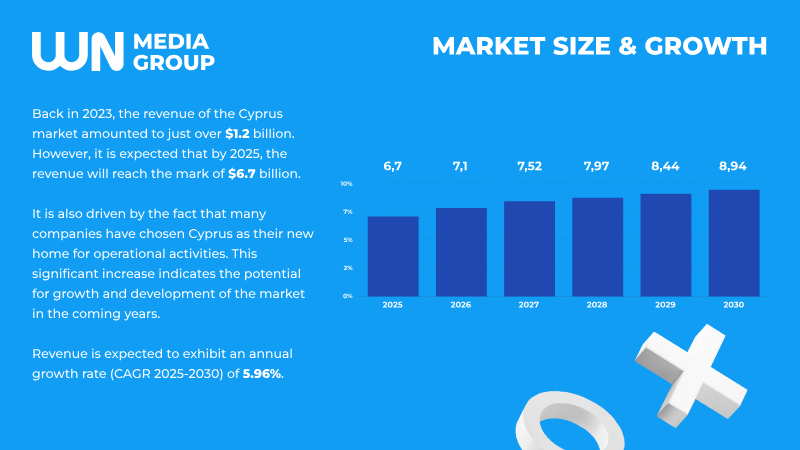
The report outlines a rapidly expanding video-games ecosystem in Cyprus, projecting market revenue to surge from $1.2 billion in 2023 to $6.7 billion by 2025, with a compound annual growth rate of 5.96% through 2030.
- Cyprus's video game market revenue is projected to grow from $1.2 billion in 2023 to $6.7 billion by 2025, with a compound annual growth rate of 5.96% through 2030.
- The local ecosystem has expanded to over 600 companies, including 282 startups as of July 2025, with 39 funded, 15 in Series A rounds, and one unicorn.
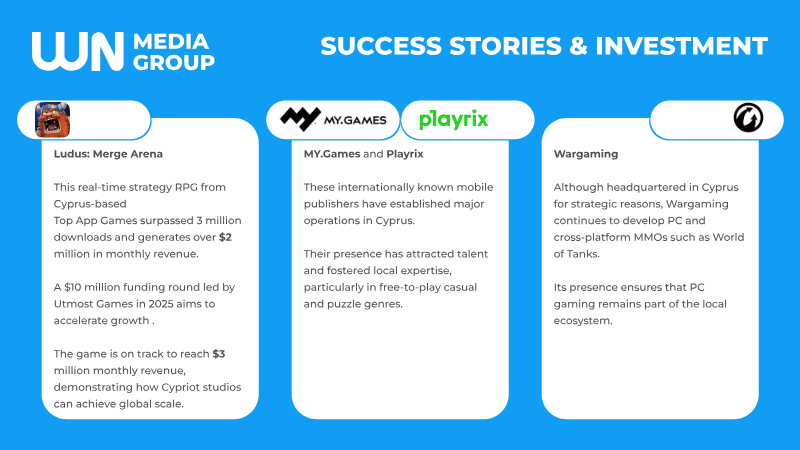
- Mobile gaming remains the dominant segment, led by major players such as Playrix, Easybrain, and Outfit7, while PC and console development is represented by firms like Wargaming and Digital Vortex Entertainment.

🌾 Little Farm Story: SayGames’ New #1 Title. The Ad Simulator Farming.
Little Farm Story has emerged as the primary revenue driver for SayGames, currently generating between $67,000 and $70,000 in daily global revenue.
- Little Farm Story is currently SayGames' primary revenue driver, generating between $67,000 and $70,000 in daily global revenue.
- The game utilizes a balanced monetization model that splits income almost evenly between rewarded ads, interstitial advertisements, and in-app purchases.
- The core progression strategy relies on aggressive, annoyance-based ad gating to funnel players into a one-time purchase for ad removal.
Playrix Overview: Revenue, Valuation, Games
Playrix is a prominent global mobile game developer and publisher, founded in 2004 by brothers Dmitry and Igor Bukhman.
- Playrix has generated over $12 billion in lifetime revenue and surpassed 2.6 billion total downloads across its mobile game portfolio.
- The company is one of the world's largest privately held mobile publishers, with an estimated valuation of $8 billion as of 2021.
- Playrix maintains a consistent annual revenue stream, reporting between $1.5 billion and $1.7 billion in earnings for each year from 2020 through 2024.

Mobile Gaming: Casual
The analysis demonstrates that casual mobile gaming has entered a phase of mature monetization and strategic diversification.
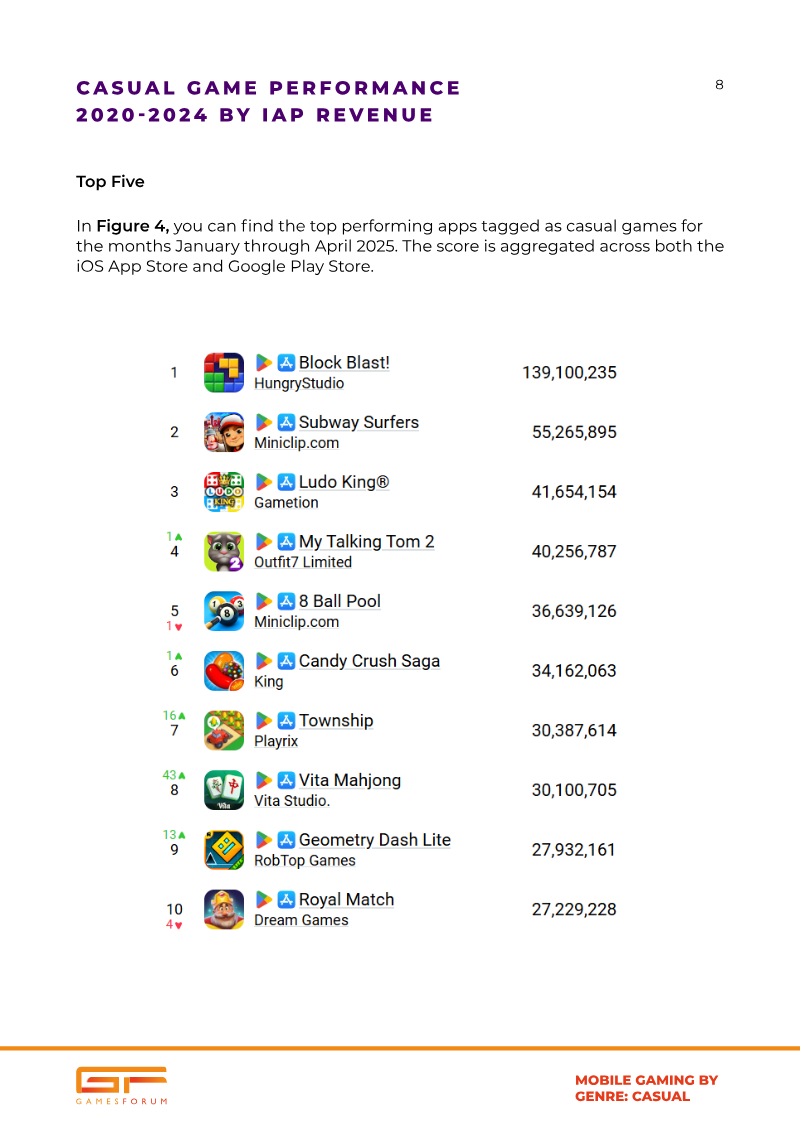
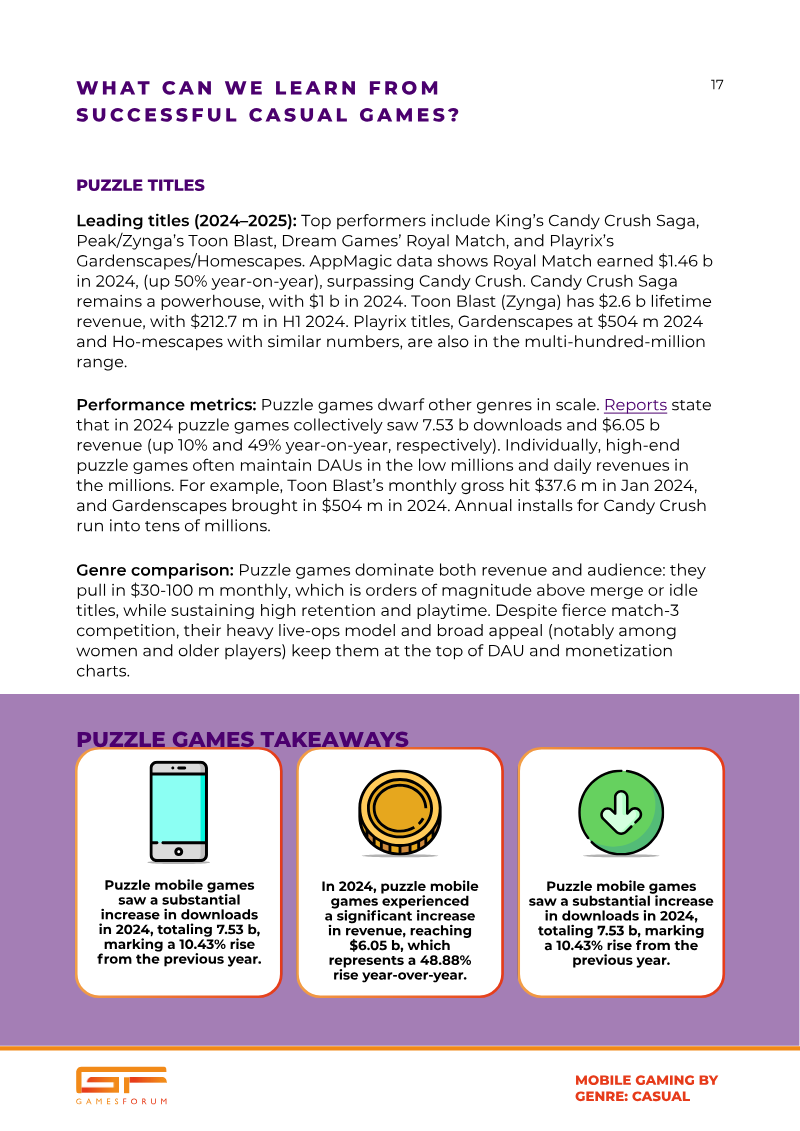
- Casual mobile gaming is shifting toward higher revenue per user, with IAP revenue projected to grow from $16.8 billion to $22.9 billion by the end of 2025 despite a fluctuating download volume.
- Market leaders demonstrate divergent monetization strategies: Royal Match ($540M) and Monopoly Go! ($431M) rely exclusively on IAPs, while Candy Crush Saga ($421M) successfully integrates advertising.
- Playrix’s portfolio approach, utilizing a suite of titles like Township and Gardenscapes, generated a combined $554 million, proving the effectiveness of hybrid monetization and established franchise management.

Why Smart Founders Say No to Billions
The prevailing narrative in the technology and gaming sectors prioritizes rapid growth and eventual exit events—such as IPOs or acquisitions—as the ultimate markers of success.
- Founders are increasingly rejecting traditional IPOs and acquisitions to preserve operational autonomy, cultural integrity, and long-term product vision.
- Conventional exits carry high turnover risks, with 36% of founders departing within six months of an acquisition and 33% of employees leaving within the first year.
- Companies like Dream Games and Playrix demonstrate that founders can provide investor liquidity through secondary share sales or private equity partnerships without relinquishing control.

