Play Games
Company
Documents about Play Games

Prototype Fund News: June 2025
The UK Games Fund has announced the selection of eighteen new portfolio companies for its sixteenth funding round, providing grants of up to £30,000 per project.
- The UK Games Fund has selected 18 new companies for its sixteenth funding round, awarding grants of up to £30,000 per project to support original intellectual property development.
- The Prototype Fund has reopened its Expressions of Interest phase for a limited time to accommodate high demand from the independent games sector.
- The current cohort includes a mix of emerging entities and established studios, such as White Paper Games, State of Play Games, and Draknek.
State of Free-to-Play Games on Steam
The state of free-to-play (F2P) gaming on Steam is characterized by extreme market concentration and the dominance of long-standing legacy titles.
- The F2P market on Steam is highly concentrated, with the top 10 titles capturing 88% of all engagement and Counter-Strike 2 alone accounting for 25% of total F2P concurrent users.
- New F2P titles struggle to gain traction, as the average age of top-performing games is seven years and only two new releases have entered the top 10 by average CCU since 2021.
- While F2P games accounted for 51% of total Steam playtime in 2023, their dominance is facing pressure from premium titles in early 2024.
Median Revenue and Player Count for Top Free-to-Play Games on Steam
The analysis examines the performance of free-to-play (F2P) titles on the Steam platform, addressing the inherent difficulty in tracking revenue and player metrics within the PC ecosystem.
- The median gross revenue for top-tier new free-to-play Steam releases is approximately $1.82 million, with a median player count of 763,000.
- The median revenue per player (RpP) is $2.02, though top-performing titles can achieve an RpP as high as $53.49.
- Library additions for free-to-play titles consistently exceed actual active player counts by a factor of 1.5 to 2.

AARP: 45% of People 50+ Play Games
The AARP’s 2023 survey on the gaming habits of individuals aged 50 and older reveals a steady increase in engagement among this demographic.
- 45% of individuals aged 50 and over in the US played video games at least once a month, based on a survey of nearly 7,800 people conducted in June and July.
- This represents an increase from 44% in 2019 and 38% in 2016, indicating a growing trend of older adults engaging with video games.
- The average weekly playtime for 50+ gamers increased from 8.5 hours in 2019 to 12 hours in 2022.
Two & a Half Gamers Session #29: Scaling Mobile Games, CPI vs LTV, and Amazon Gamescom Rumours
This podcast episode serves as a professional discussion among industry experts regarding the core mechanics of mobile game growth, user acquisition (UA), and monetization strategies.
- Sustainable mobile game growth requires a strict balance between cost-per-install (CPI) and lifetime value (LTV) to ensure viable payback periods.
- Optimizing ad monetization is a mandatory prerequisite for developers aiming to achieve significant scale in the current mobile market.
- Recent technical shifts in Google’s ecosystem, specifically updates to iOS tROAS bidding and Google AdMob, necessitate a strategic re-evaluation of UA diversification.
Google Stadia Highlights the Difference Between Gamers and People Who Play Games
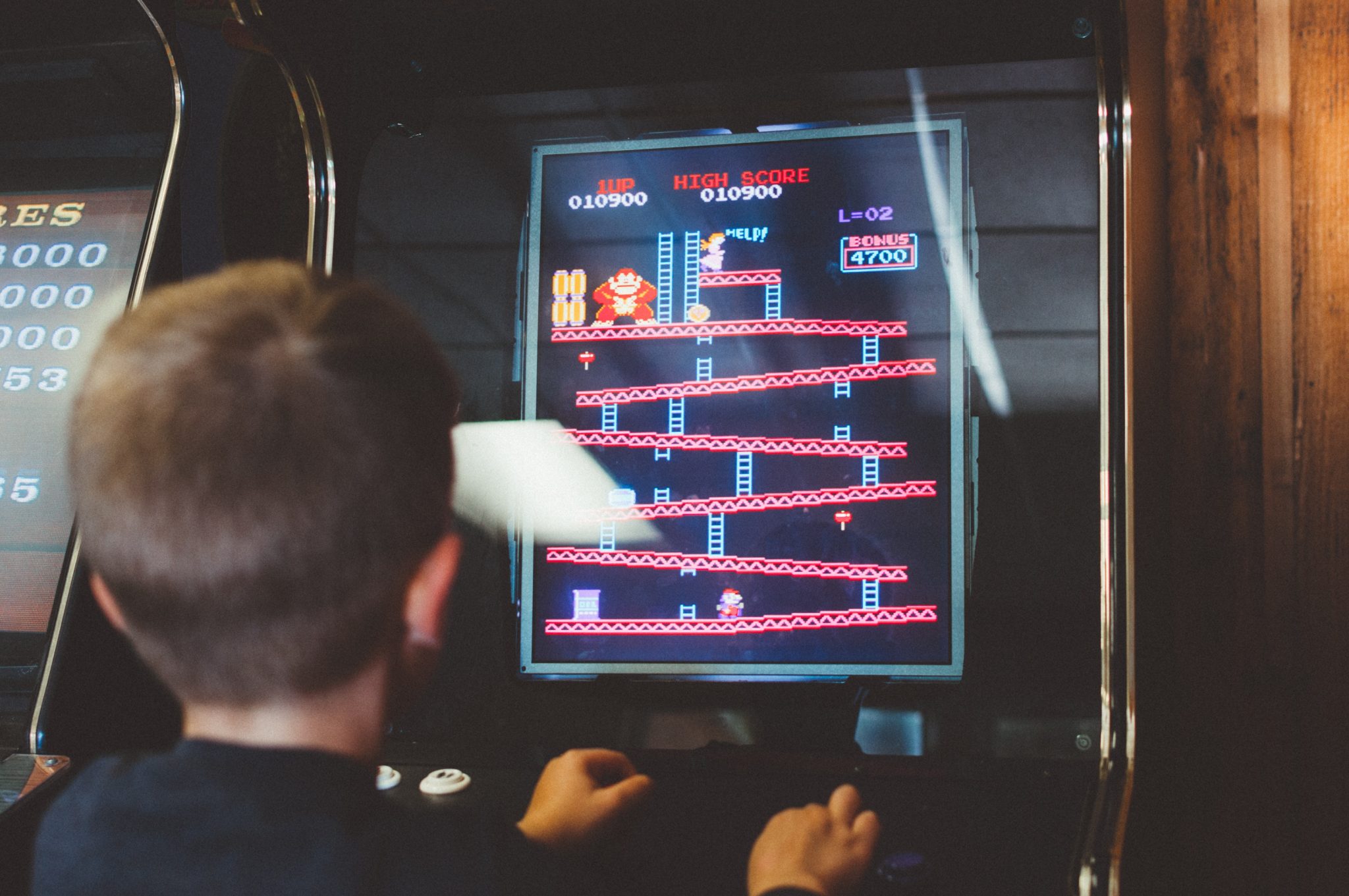
The launch of Google Stadia serves as a case study in the fundamental disconnect between the gaming industry’s perception of its audience and the reality of consumer behavior.
- Google Stadia failed to gain traction because it targeted a monolithic 'gamer' audience, ignoring the distinct, conflicting needs of console enthusiasts and the larger, more lucrative mobile gaming market.
- Mobile gaming has overtaken the industry, with 203 million Americans playing games on smartphones compared to 160 million households owning traditional consoles.
- In 2018, mobile gaming revenue surpassed the combined total revenue of the PC and console gaming markets for the first time.

Gamers Are Increasingly Buying Additional Content for Segments Such as Free-to-Play Games: Germany
The German games industry experienced significant growth in 2016, driven largely by the increasing popularity of free-to-play titles and the monetization of virtual goods.
- The German market for virtual goods and additional content in games grew by 17% in 2016, reaching a total revenue of 659 million euros.
- The number of paying users for in-game content in Germany increased from 3.3 million in 2015 to 3.9 million in 2016.
- Average monthly spending per paying user rose from 12.02 euros in 2015 to 13.57 euros in 2016.

Free-to-Play Games: From Smartphone to eSports Arena
The German games industry has experienced a significant shift in business models, with free-to-play (F2P) titles emerging as a foundational pillar of the market.
- The German market for virtual products and extra content within free-to-play games grew by 18% in 2015, reaching 562 million euros compared to 477 million euros in 2014.
- Free-to-play mobile apps dominate the smartphone and tablet sector, accounting for 295 million euros of the 315 million euros total generated by game apps in Germany in 2015, or approximately 94% of that revenue.
- The broader German computer and video games market reached a total value of 2.81 billion euros as of 2016.
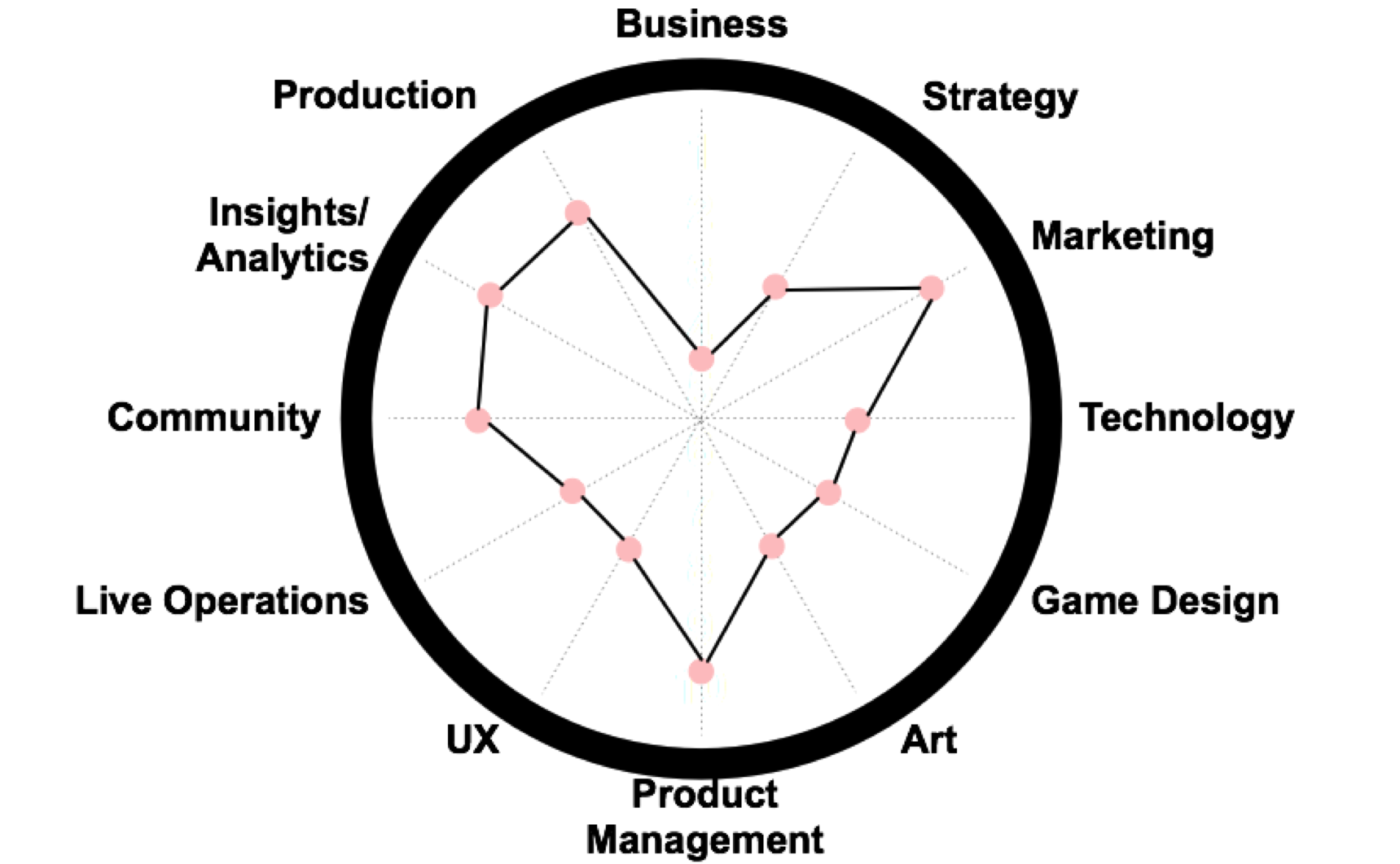
Analyzing Free-to-Play Games Development: The Game / Team Clock
The Game/Team Clock serves as a strategic framework for evaluating the viability and execution risks of free-to-play game development.
- The 'Game/Team Clock' framework assesses project viability by mapping 12 player-centric questions—ranging from initial discovery to monetization—against a team's specific areas of expertise.
- Success in free-to-play development requires minimizing the gap between a game's functional requirements and the team's actual execution capabilities across all 12 stages of the player lifecycle.
- Startups often prioritize the early lifecycle stages (Unique Value Proposition, Marketing, and Monetization), while indie developers typically focus on the middle stages (Gameplay, Content, and Platform).