Infinity
Company
Documents about Infinity

Blockchain Gaming with the Web3 OG, Shahaf Bar Geffen
The blockchain gaming sector is undergoing a critical transition from speculative, finance-driven models toward a sustainable paradigm centered on entertainment and digital ownership.
- The blockchain gaming industry is shifting from speculative, finance-driven models toward a sustainable paradigm that prioritizes high-quality entertainment and digital ownership.
- Blockchain technology should function as invisible infrastructure that enables a read-write-own model rather than serving as the primary marketing hook for users.
- Developers are moving away from the volatile boom-and-bust cycles seen in early projects like Axie Infinity by focusing on long-term player retention and engagement.

two & a half gamers session #12 - Metacore 65M loss, Niantic 1 hit wonder, Industry conference guide
The gaming industry currently faces significant challenges regarding marketing efficiency, platform monetization, and the long-term viability of major titles.
- High-budget TV advertising is not a guaranteed path to profitability, as evidenced by Metacore incurring a $65 million loss despite significant revenue growth.
- CD Projekt Red experienced a 63% year-over-year revenue decline, highlighting the difficulty of maintaining long-term financial momentum following a troubled product launch.
- Security vulnerabilities remain a critical industry risk, exemplified by the $600 million Axie Infinity crypto heist attributed to state-sponsored actors.
LIVE | Worker's Right in the Game Industry
The global game industry is currently navigating a period of profound instability, defined by the intersection of speculative financial technologies and a fundamental restructuring of labor relations.
- The game industry is experiencing a fundamental restructuring of labor relations, marked by widespread unionization and walkouts at major firms like Activision Blizzard to combat crunch and toxic management.
- A generational divide has emerged between younger workers prioritizing workplace culture and flexibility and industry veterans concerned that eroding traditional hierarchies may undermine mentorship and project stability.
- Blockchain-based gaming remains highly vulnerable to security risks, exemplified by the $600 million theft from Axie Infinity, where human error and social engineering often bypass technical safeguards.
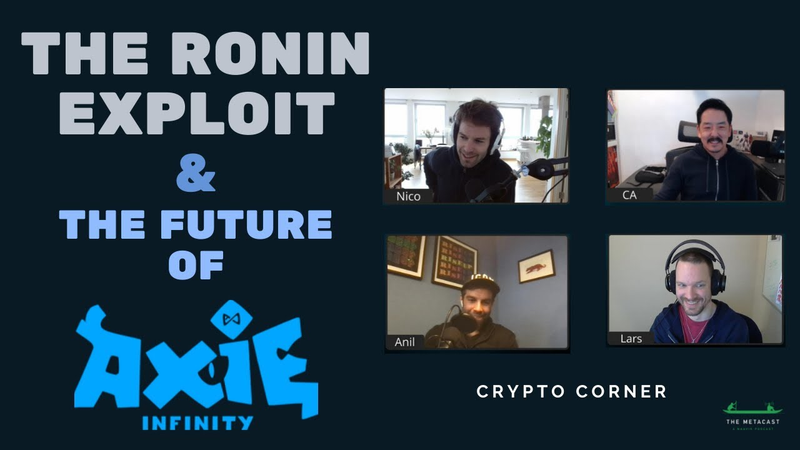
The Ronin Exploit & The Future of Axie Infinity - The Metacast by Naavik
The $625 million exploit of the Ronin network serves as a critical case study in the vulnerabilities inherent to blockchain bridge architecture and operational security.
- The $625 million Ronin network exploit, involving the theft of 170,000 ETH and 25 million USDC, was caused by a compromise of five out of nine validator nodes.
- The breach highlights a critical failure in IT security and internal monitoring rather than a fundamental flaw in blockchain technology, emphasizing the risks of centralized infrastructure in decentralized gaming.
- Axie Infinity is pivoting its business model away from speculative, growth-based revenue toward a 'fun-first' approach focused on long-term engagement and entertainment value.

PlayStation Subscriptions: The Good, the Bad and the Strategy - The Metacast by Naavik
The Web3 gaming sector faces a critical inflection point following the $620 million Ronin network hack.
- The $620 million Ronin network hack highlights a critical need for Web3 developers to prioritize decentralized infrastructure and rigorous security audits over rapid development cycles.
- Sony’s PlayStation Plus strategy focuses on user retention through a curated library of legacy content, deliberately avoiding day-one access to new exclusives to protect the traditional console model.
- Microsoft’s Game Pass strategy pursues a platform-agnostic, Netflix-style model that prioritizes cross-device accessibility and immediate release value over traditional console exclusivity.
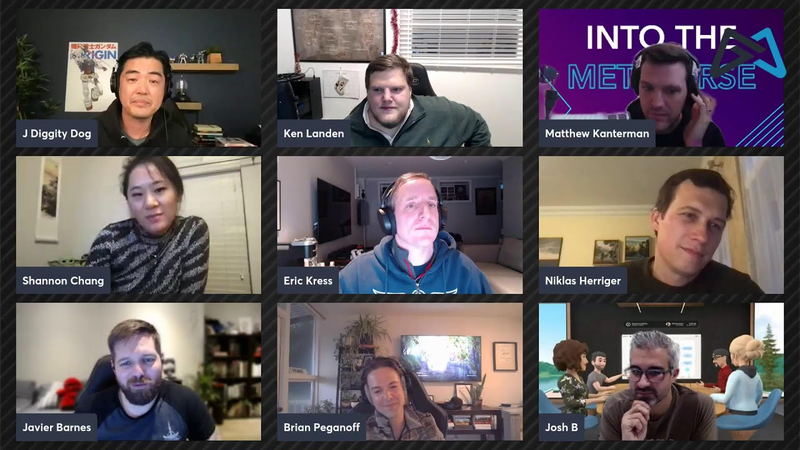
GameMakers 2021 Drunk Awards Show
The year 2021 served as a transformative period for the global gaming industry, characterized by a stark divide between companies successfully navigating the metaverse and subscription-based models and those struggling with internal cultural crises and product execution. miHoYo emerged as a dominant force, with Genshin Impact…
- The legal battle between Apple and Epic Games emerged as the industry's most consequential event, signaling a long-term shift in the operational model of app store marketplaces.
- The deprecation of Apple’s IDFA forced a fundamental industry-wide pivot in user acquisition strategies, disrupting traditional mobile marketing models.
- miHoYo’s Genshin Impact established a new benchmark for revenue efficiency and global engagement, while Roblox solidified its metaverse leadership through strong stock performance and brand integration.
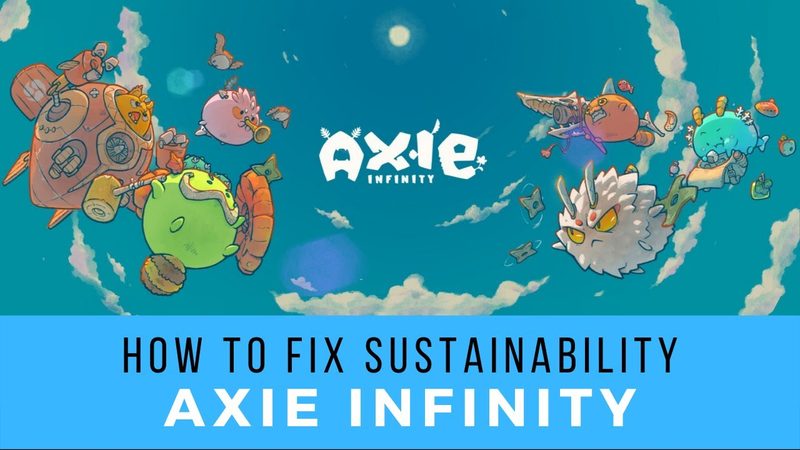
How To Fix Axie Infinity | Sustainability & Future of Sky Mavis
Axie Infinity serves as a critical case study for the challenges inherent in early play-to-earn blockchain gaming models.
- Axie Infinity’s initial economic model failed due to a reliance on continuous user growth to fund token payouts, which created unsustainable inflation and a lack of sufficient asset sinks.
- Sky Mavis is pivoting from a single-game economy to a platform-based ecosystem by leveraging the Ronin sidechain and Mavis Hub to capture transaction fees and foster network effects.
- The developer is transitioning from a 'play-to-earn' model to a 'play-and-earn' framework that prioritizes gameplay quality and user-generated content over speculative financial incentives.
What is an NFT Games Metaverse?
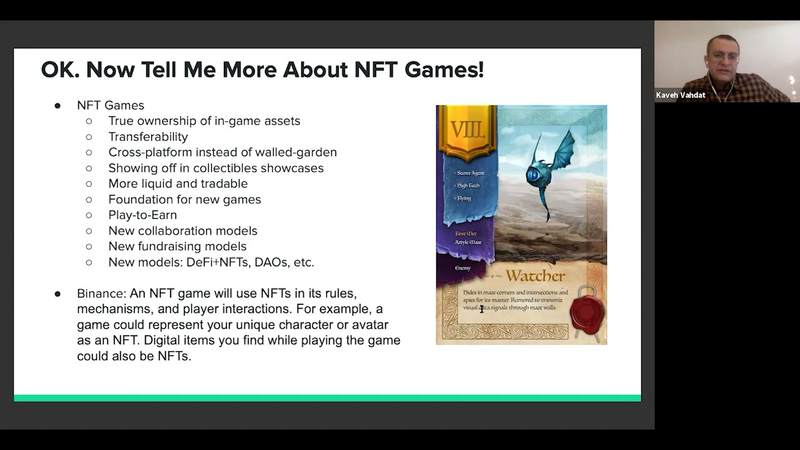
The NFT games metaverse represents a fundamental shift in digital entertainment, characterized by interconnected virtual environments where blockchain technology facilitates true ownership of in-game assets.
- NFT gaming metaverses utilize blockchain technology to shift digital entertainment from walled-garden models to systems where players maintain true ownership and cross-platform utility of in-game assets.
- The industry is transitioning toward play-to-earn economic structures that enable a verifiable and portable digital economy for virtual items.
- Current development efforts are focused on overcoming technical barriers and user-interface friction to move blockchain gaming from niche experiments to mainstream accessibility.
Superstar Session: The State of Play: Blockchain Gaming in 2021
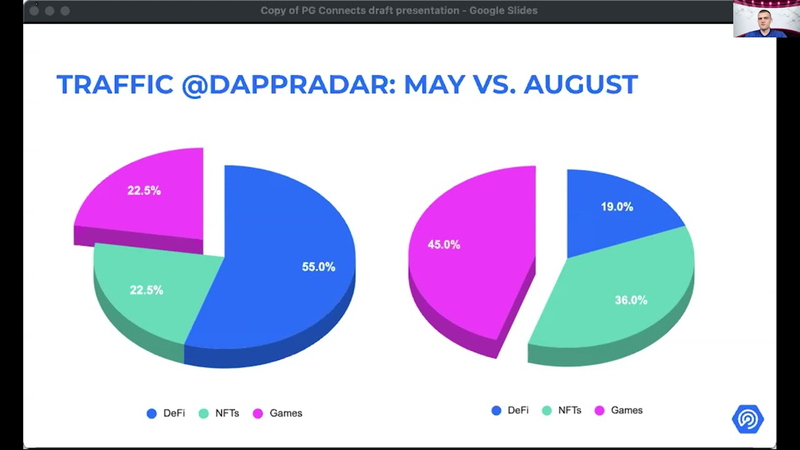
The blockchain gaming sector underwent a transformative expansion throughout 2021, characterized by a 4,300% year-on-year increase in daily active wallets interacting with gaming smart contracts by August.
- Blockchain gaming experienced massive growth in 2021, marked by a 4,300% year-on-year increase in daily active wallets interacting with gaming smart contracts by August.
- The play-to-earn model, driven largely by the economic impact of Axie Infinity in emerging markets, propelled blockchain games to surpass decentralized finance applications in total traffic.
- The industry is currently transitioning toward a decentralized virtual layer, utilizing in-game NFTs, virtual land, and brand partnerships to establish gaming as a pillar of the decentralized economy.

TWIG 149: Reaction to Axie Infinity’s $1.2 Billion Annualized Revenue
The current landscape of blockchain-based gaming is characterized by extreme volatility, speculative hype, and a lack of sustainable business models.
- Current blockchain gaming models like Axie Infinity rely on a constant influx of new users to maintain liquidity, creating a fragile ecosystem that risks collapse once growth plateaus.
- Axie Infinity’s annualized revenue figure of $1.2 billion is widely criticized as a misleading metric that conflates short-term speculative spikes with sustainable business performance.
- NBA Top Shot serves as a cautionary example of volatility, with monthly gross sales plummeting from $230 million to $34 million within a few months.

Nintendo Switch Lite | Games ReCAP Episode 021
The Nintendo Switch Lite serves as a strategic expansion of the hardware ecosystem, specifically targeting younger demographics and budget-conscious consumers through a durable, integrated unibody design.
- The Nintendo Switch Lite targets younger and budget-conscious demographics by utilizing a $199 price point and a durable, integrated unibody design.
- Nintendo’s hardware strategy prioritizes software library depth and portable, cohesive experiences over the high-end graphical performance pursued by competitors.
- The success of the Amiibo line demonstrates that high-quality, cross-game compatibility and limited-supply strategies effectively sustain long-term consumer demand.
Case study: Pre-release influencer marketing campaign for Azur Games' Infinity Ops
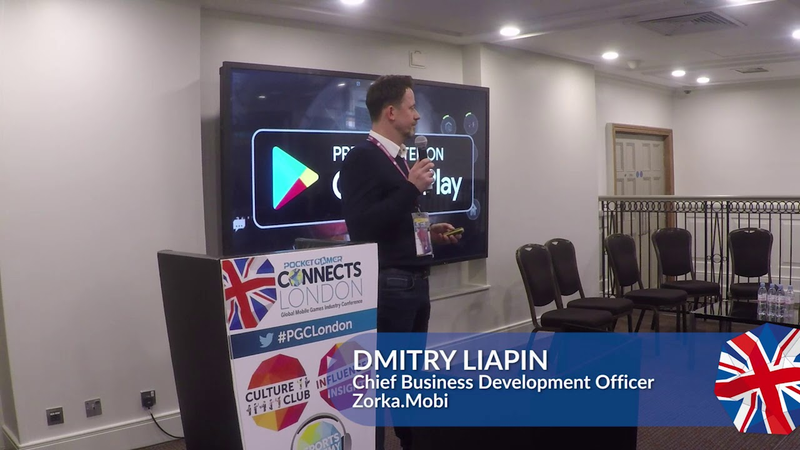
This case study examines the efficacy of pre-release influencer marketing for mobile games, specifically focusing on the launch of the first-person shooter Infinity Ops by Azur Games.
- Azur Games' influencer campaign for Infinity Ops exceeded its one-million pre-registration goal by 30% over a 22-day period.
- Influencer marketing accounted for nearly 30% of the total pre-registration volume, demonstrating a significant long-tail effect that persisted after traditional social advertising ended.
- Approximately 32.5% of the pre-registrations generated by the campaign converted into active users following the game's official release.