ArticleGame Studio Unlocked
How to Close a Video Game: A Practical Game Development Guide
3 Apr 20261 pages~19 min full read
The closing phase of video game development is a distinct, critical period that begins after a game is functionally complete and ends upon submission for platform certification. The primary thesis is that studios frequently fail to ship or resort to excessive crunch because they treat the closing phase as a continuation of production rather than a fundamental shift in mindset and methodology. While production is characterized by creative exploration and iteration, closing requires a transition to rigid, checklist-driven discipline focused on stabilization, bug triaging, and meeting technical requirements.
Key findings emphasize that the transition to closing must be deliberate and socialized across the entire team. This phase involves specific, sequential milestones: feature and code locks, content locks, polish, and final stabilization. Success depends on establishing clear decision-making roles, such as a release candidate gatekeeper, a check-in gatekeeper, and a stability gatekeeper. These roles ensure that only essential, approved changes reach the main branch, preventing the common pitfall of "feature creep" late in the development cycle.
The analysis highlights that closing should be planned by working backward from the target release date, accounting for platform-specific certification timelines and remaining budget. Teams are advised to conduct structured, full-game playtests to maintain a holistic view of the experience, as bugs often reveal design gaps that are invisible when viewed in isolation. Ultimately, the ability to distinguish between a game that "works" and a game that is "shippable" is identified as the most significant challenge for indie studios. By formalizing the closing phase, leadership can mitigate the risk of project stagnation and reduce the reliance on unsustainable crunch, ensuring the team remains focused on delivering a coherent, stable product.
Game Studio Unlocked · 2026
Game Studio Unlocked · 2026

Game Studio Unlocked · 2026
Game Studio Unlocked · 2026
Game Studio Unlocked · 2026
Game Studio Unlocked · 2026
Game Studio Unlocked · 2026
Game Studio Unlocked · 2026
Game Studio Unlocked · 2026
Game Studio Unlocked · 2026
Game Studio Unlocked · 2026
Game Studio Unlocked · 2026

GameAnalytics
modl.ai · 2025
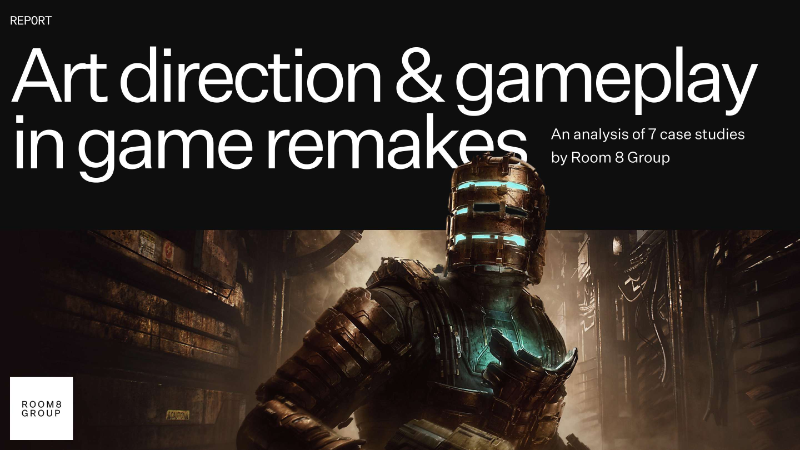
Room 8 Group · 2024

East Side Games
Poki · 2026
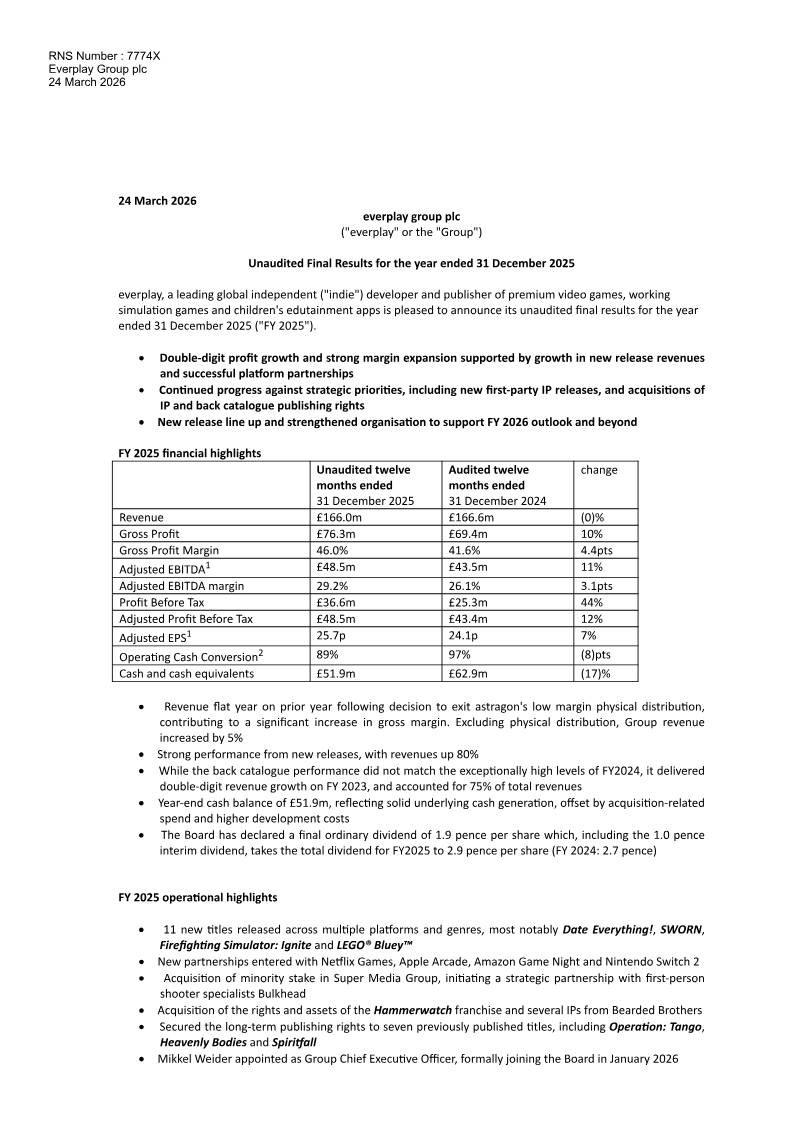
Everplay Group · 2026
BITKRAFT Ventures · 2026
Take-Two Interactive · 2026
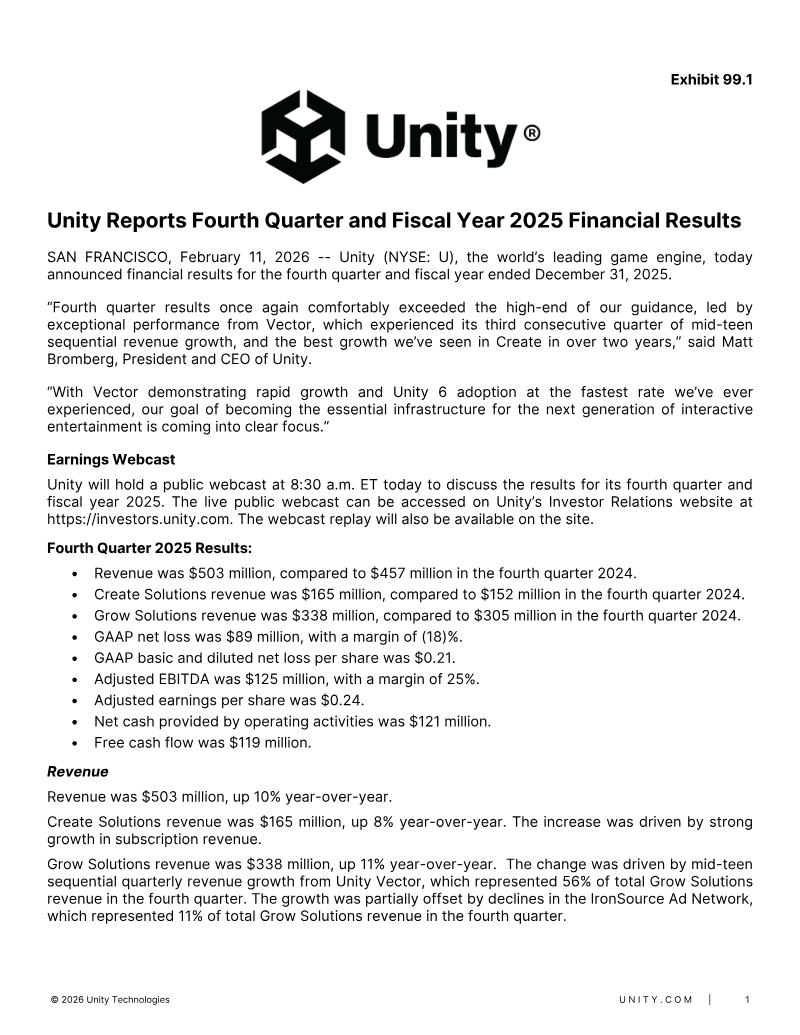
Unity · 2026
Sensor Tower · 2026
Poki · 2026
InvestGame · 2025