indie
CompanyUnited States
Documents about indie
The Auteur Myth - Lone Visionaries... and Their Teams - Extra Credits
The gaming industry frequently suffers from the auteur myth, a persistent misconception that complex video games are the product of a single, visionary creator.
- Modern game development is an inherently collaborative process that relies on the specialized contributions of dozens or hundreds of professionals, including programmers, artists, designers, and sound engineers.
- The 'auteur myth'—the misconception that games are the product of a single visionary—obscures the reality of team-based production and creates unrealistic expectations for aspiring developers.
- Attributing success to a single individual often ignores the essential contributions of contractors and part-time specialists who are frequently necessary to achieve high-quality output in both indie and AAA sectors.
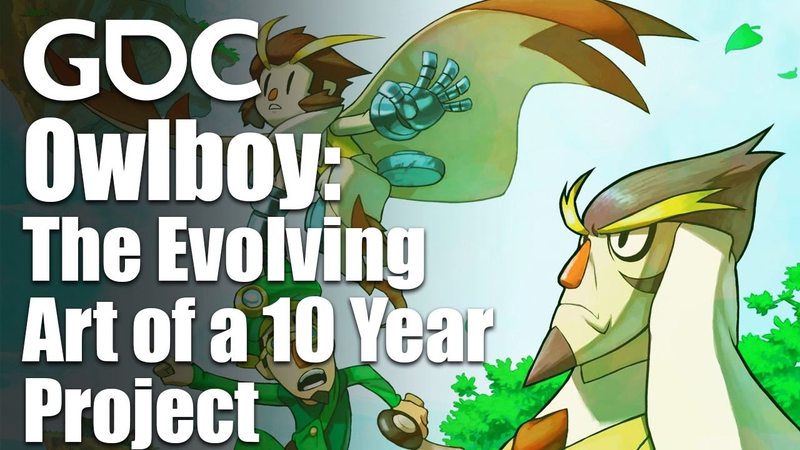
Owlboy: The Evolving Art of a 10 Year Project
The decade-long development of the indie title Owlboy serves as a case study in the tension between creative perfectionism and the practical requirements of project completion.
- Owlboy was in development for 10 years, spanning an entire console generation and outliving the XNA programming language originally used for its creation.
- To maintain visual relevance, the developers implemented custom algorithms to smooth pixel art movement, moving beyond the traditional constraint of locking animations strictly to pixel grids.
- The game's narrative tone shifted significantly toward a story of friendship and personal struggle after the developers experienced major life events, including the death of a close friend.
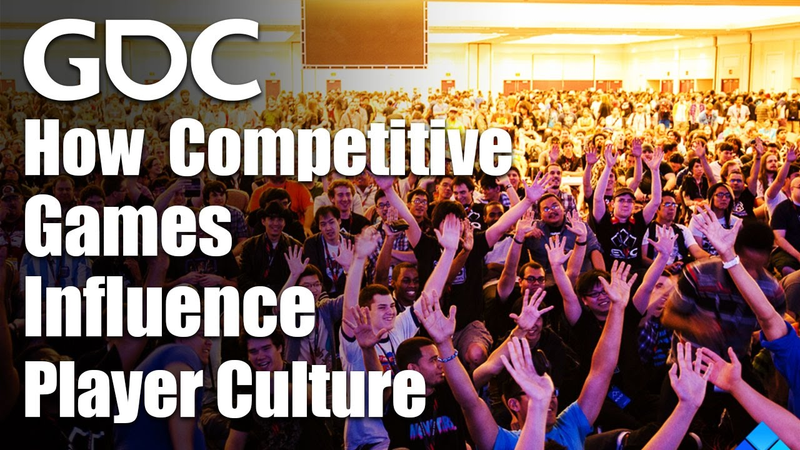
Arcade to eSports: How Your Competitive Game Influences Player Culture and Values
The evolution of competitive gaming from the arcade era to modern eSports reveals that the structural design of a game directly dictates the values and social dynamics of its player base.
- Game structural design directly dictates the values and social dynamics of a player base, meaning competitive ecosystems must be built to reflect the game's inherent culture.
- The fighting game community maintains a grassroots, open-bracket culture by prioritizing direct participation and personal mastery over the passive consumption models common in modern eSports.
- To sustain competitive ecosystems, organizers should avoid standardized, spectator-focused industry models and instead foster accessible entry points through youth and collegiate formats.
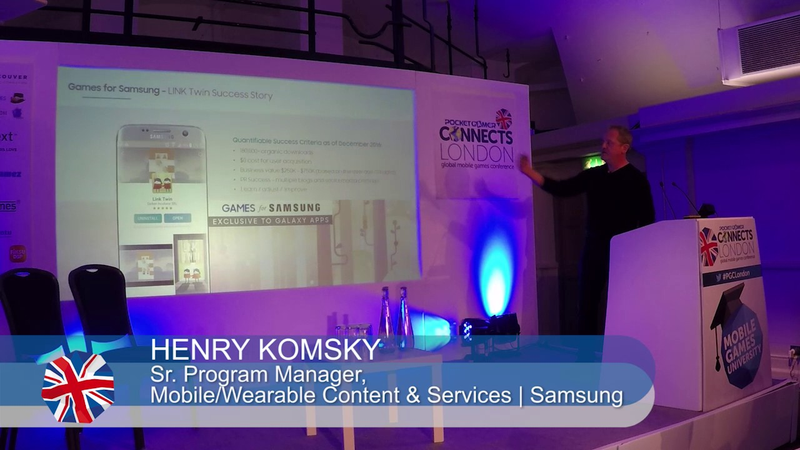
What is the Games For Samsung initiative?
The Games for Samsung initiative is a strategic developer program designed to help indie studios and smaller developers build a substantial, engaged user base for new mobile titles.
- The Games for Samsung initiative offers indie developers promotional support and high-visibility placement in the Galaxy Apps store in exchange for 90 days of platform exclusivity.
- Participating developers receive four weeks of banner placements, social media campaigns, dedicated PR, and white-glove technical support to help reach a performance goal of 100,000 downloads.
- To qualify, developers must submit brand-new titles for an internal review and implement a functional monetization model, preferably using the Samsung billing system for in-app purchases.
Why indie devs use King's Defold game engine
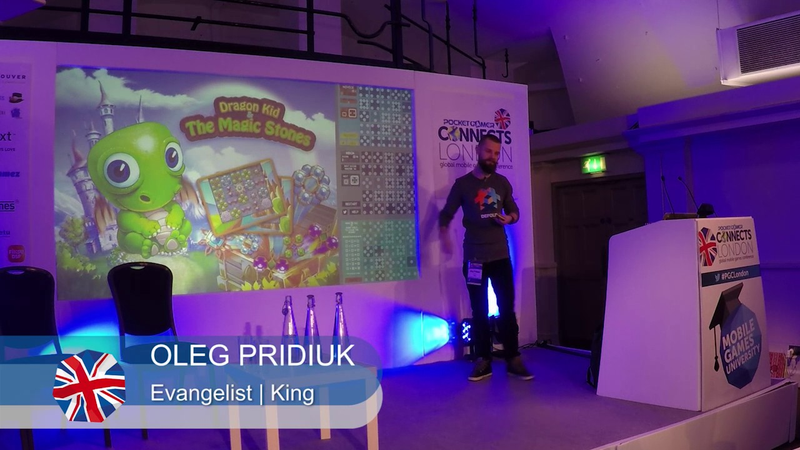
King’s Defold game engine serves as a specialized development solution designed to address the challenges of multi-platform game deployment, particularly for developers targeting mobile and HTML5 markets.
- Defold is a specialized game engine originally built by King to optimize multi-platform deployment, specifically targeting high-performance mobile and HTML5 markets.
- The engine achieved significant early traction with over 30 independent titles released within the first year of its public launch.
- The platform supports complex game development by allowing users to integrate C++ extensions, replace core components like physics engines, and utilize a runtime extension system.
How indie games developers should look at analytics
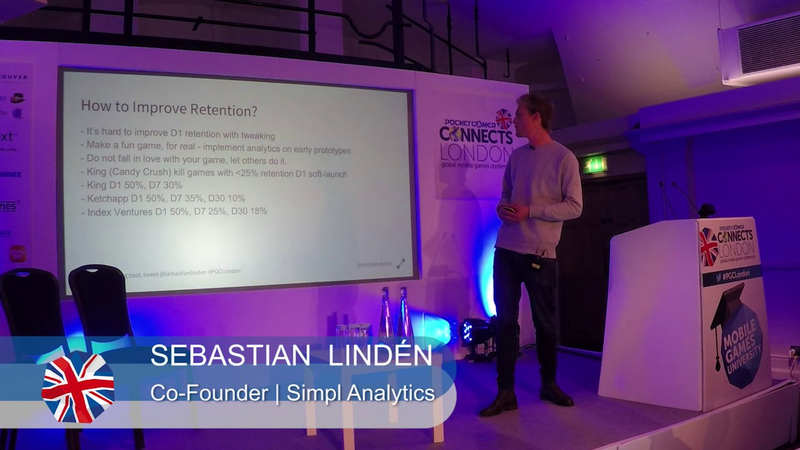
The primary objective for indie game developers is to leverage data-driven insights to improve game quality, secure platform features, and build sustainable businesses.
- Indie developers can achieve commercial success with 20% to 30% day-one retention, provided they secure platform featuring, whereas major publishers typically require 40% to 50% to justify user acquisition costs.
- Securing an initial feature on the Apple App Store provides a 50% probability of being featured again, potentially driving between 100,000 and 2 million installs.
- Data from late 2016 to early 2017 shows that 70% of featured titles are free-to-play, with action, arcade, and puzzle games being the most frequently highlighted genres.
Shipping Kills Studios: A Study of Indie Team Dynamics
The transition from creative development to post-launch operations represents the most significant existential threat to independent game studios.
- The transition from creative development to post-launch operations is the primary existential threat to indie studios, as the skills required for innovation differ fundamentally from those needed for business administration and live support.
- Studios must treat post-launch support as a calculated business operation rather than an afterthought to prevent the burnout and morale decline that often follow a product release.
- To protect core creative talent from exhaustion, studios should outsource repetitive support tasks like community engagement and bug tracking to contractors.
A Torch in the Dark: Using Creative Direction to Light The Darkest Dungeon
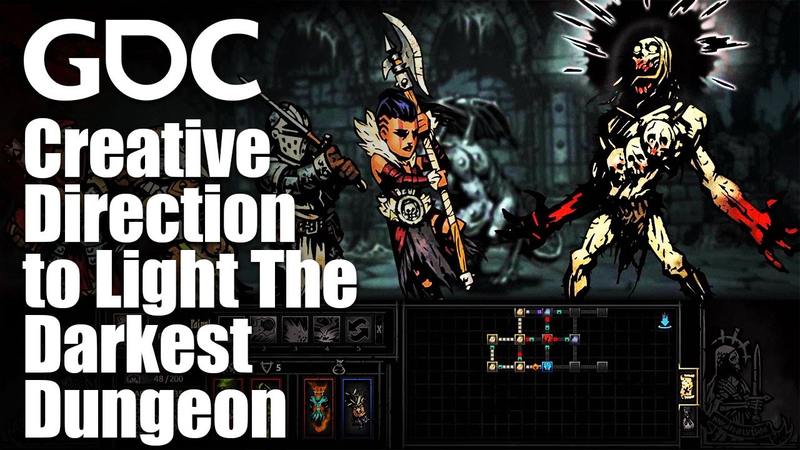
Maintaining a rigid, externalized creative vision serves as the primary defense against scope creep and development drift for independent studios.
- A clearly articulated, externalized creative vision acts as a decision-making razor, allowing developers to filter features and resolve conflicts during the uncertainty of production.
- Red Hook Studios defined the core of Darkest Dungeon as an uncompromising, Gothic, low-fantasy, Lovecraftian experience centered on making permanent decisions with imperfect information.
- The team rejected standard RPG tropes like isometric camera angles and exhaustive lore exposition to maintain a claustrophobic, uncertain atmosphere that forces players to experience the game's horror.
Indie Development & The Economy of Favors
The modern independent game development landscape has transitioned from a solitary endeavor into a complex, interdependent ecosystem defined by an economy of favors.
- Independent game development has shifted from solitary work to an interdependent 'economy of favors' where professional tribes exchange essential resources like marketing, production management, and QA testing to remain viable.
- Collaborative networks formed through shared workspaces, game jams, and community events serve as a primary risk-mitigation strategy to overcome high market barriers to entry and discoverability without requiring large capital investments.
- Formal legal agreements regarding intellectual property are mandatory in collaborative projects to prevent conflicts of interest and protect the long-term ownership and creative integrity of the developer's work.
The Design & Business Behind The Original Fantastic Contraption
The development of Fantastic Contraption demonstrates that independent game success stems from prioritizing intuitive physics over strict realism and fostering community-driven engagement.
- Fantastic Contraption generated approximately $200,000 in revenue within its first three months by utilizing a viral, community-integrated model that allowed players to share unique URLs of their designs.
- The game’s growth was driven by a free-to-play model offering twenty levels at no cost, though the developer noted this strategy may have hindered long-term monetization potential.
- Objective, silent user testing is the most reliable method for calibrating puzzle difficulty and identifying gaps in the learning curve to prevent early player abandonment.

The Triple Postmortem - Black Ice, 6180 The Moon, The More You Know (About the Devil)
Independent game development thrives when creators prioritize financial stability and disciplined scoping over the pursuit of industry trends.
- Maintain a day job while developing indie games to ensure financial stability and reduce pressure during the long development cycle.
- Actively identify and reach out to your specific target audience at conventions or online communities, as players will not naturally discover niche titles on their own.
- Establish professional standards and clear expectations with contractors, including firm deadlines, to avoid losing assets or stalling development for years.
What are the games industry fads and trends of 2016?
The gaming industry in 2016 is navigating a transition between fleeting fads and sustainable design trends.
- Procedural design and music-integrated mechanics have established themselves as enduring pillars of development, offering the scalability and community engagement necessary for long-term retention.
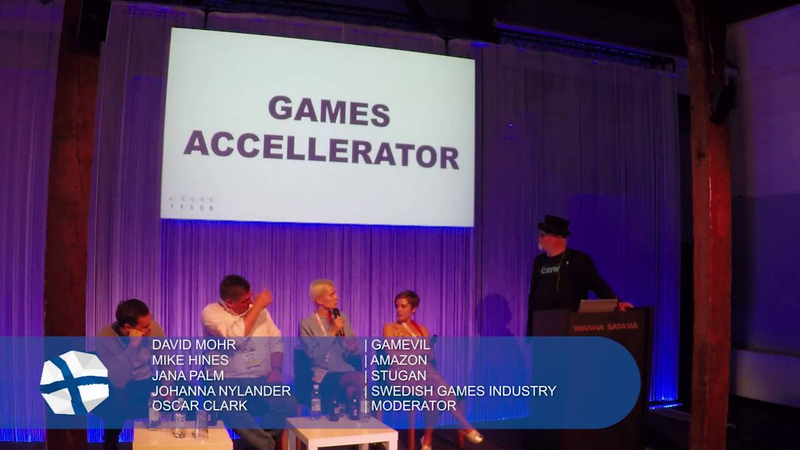
- Game accelerators have become a vital structural component of the industry, providing indie developers with the mentorship needed to transition from early concepts to commercial viability.
- Space simulation games are currently facing market saturation, requiring developers to adopt more innovative mechanics or diverse settings to maintain player interest.