1 free read left. Create a free account for unlimited reading + AI research.
Create free account
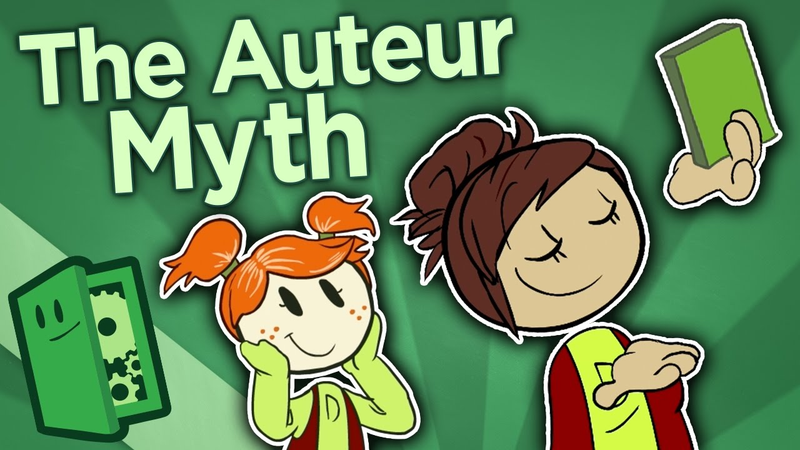
The Auteur Myth - Lone Visionaries... and Their Teams - Extra Credits
Key insights
6 takeaways- 01The 'auteur myth'—the misconception that games are the product of a single visionary—obscures the reality of team-based production and creates unrealistic expectations for aspiring developers.
- 02Attributing success to a single individual often ignores the essential contributions of contractors and part-time specialists who are frequently necessary to achieve high-quality output in both indie and AAA sectors.
- 03Newcomers who underestimate the logistical and collaborative requirements of game development are prone to flawed assumptions regarding the capabilities of small teams without external support.
- 04High-profile figures like Sid Meier and Hideo Kojima operate within institutional constraints, including budget limitations and executive oversight, which significantly influence creative outcomes.
- 05Focusing on a singular persona prevents a deeper understanding of how internal team dynamics and organizational processes dictate the success or failure of a project.
- 06Modern game development is an inherently collaborative process that relies on the specialized contributions of dozens or hundreds of professionals, including programmers, artists, designers, and sound engineers.
Ask AI about this video
Transcript
there's a tendency among the press to attribute the creation of a game to a single person that was a statement made by Warren Spectre creator of thief and Deus X I just did the thing he was talking about didn't [Music] I it's true the gaming public often sees game development this way and the rise of indie games and Larger than Life public developer personas has only led the press to reinforce this notion it's just easier to think of games as having sprung fully formed from the mind of a soul Creator but the truth is almost no game is the work of a singular Visionary behind that Visionary stands a team of hundreds or a small crew of specialized Freelancers or even just a few behind the scenes Partners so let's talk about why credit for these games that we love is so often attributed to a single person and why it can do harm to think that way this is a particularly easy trap to fall into when thinking about Indie devs so let's start there just as
an example when people think of vamir they generally think of Ramy ismile and this is a perfect example because Ramy often literally introduces himself as half of vamir he is in no way trying to hide the fact that he is part of a Duo the other half is Yan Willam nyman who very few people outside the industry have heard of now you might ask why would only half of the team stand in the spotlight well not everybody wants to be lead singer being the public face of a company is a lot of work it takes time and energy and just like other Dev tasks like art Audio Level design or programming some people enjoy making public appearances and engaging with press more than others besides it's often easiest for the press to have a single point of contact too and it gives them an easier story to tell if it's about just one person but even in cases where an indie studios's core team consists of only one or two developers most commercially and critically successful indie games are actually developed with additional talented professionals High Ed on a per project
basis so even those one or two person teams often have more help than you realize and this misconception matters because newbie developers sometimes look at all of these famous indie games and mistakenly assume them to be the work of only one or two people which can create extremely unrealistic expectations of what a one or two person team is capable of the difference between working alone and working with a team of a half a dozen can be staggering in terms of productivity and output quality it's really easy to just lump both team sizes into the small projects category especially when the team contains a bunch of contractors or part- timers but from a development perspective that's a difference of 200 or 300% as much available time and energy each week not to mention the inherent benefits of having people focusing purely on their own specializations rather than having to tackle design art and code single-handedly Fez Spelunky braid Minecraft The Stanley Parable most any
popular indie game you can name had more people working on it than you probably realize these cases demonstrate a common pattern in the eyes of press and players alike the dev team's public face is often considered the lead singer of the team but this common misunderstanding doesn't usually tell the real story and it feeds into unrealistic expectations around Indie development and AAA games none of those are made by one person Will Wright was obviously a very important decision maker and a source of vision for the game Spore but more than a hundred other people had a hand in that game's creation a half dozen other designers made many decisions about how the game would play and that's not even counting the influence of the studio Executives who held the purse strings or take civilization Sid Meyer's name may still be on the box but he probably isn't doing a lot of the coding or building the art assets in those games these days and there's another reason why this distinction matters even if we don't fall into the misconception that these games are the result of one
person's Vision it's still very common for that one person to wind up as a lightning rod for credit or blame here's the thing when there are tens of millions of dollars at stake no one person has total control over how a project evolves there are just so many people involved so many processes and Team Dynamics at Play It's larger than any one person and if we get overly focused on one person or personality we risk overlooking valuable conversations about how those processes or Dynamics might play out in what's right or wrong with a game and thus fail to learn all the lessons that such failures or successes have to offer us when hideo kajima split with Konami after Decades of work there his publicly stated reasons included wanting more creative freedom if even hideo kajima found himself lacking creative freedom given everything that he has accomplished then AAA development is clearly not as simple as one key person calling all the shots or Mighty number nine when that turned
out to be a general disappointment it was only natural for some to blame the game's writer and most publicly visible connection to Classic Mega Man K inafune he even accepted full responsibility for the blame in an early twitch live stream but no one person is singularly responsible for a game that size if you transplanted inafune into a different team even if he did everything the same the game would turn out differently people doing programming art music level design and sound are not interchangeable different people work together in different ways and the games we play are a result of this Talent soup so don't feel like you have to go It Alone of course there are a handful of great examples of games where one person really did do everything themselves art programming design music all of it and if that's you then awesome do it but one of the great things about games is that they can be a mixture of so many talents and voices part of what's wonderful about making games is how they can be an opportunity to work with a different mixture of amazing people there is so
much to learn from the people around you and so many ideas which you as a loan developer may never have come up with so despite how some of the press might read remember that game development is almost always a collaborative art and that learning how to share a vision with a team and to incorporate A team's ideas into that vision is part of what makes for a truly great leader for a true Visionary in this industry see you next week [Music]
Summary
The gaming industry frequently suffers from the auteur myth, a persistent misconception that complex video games are the product of a single, visionary creator. While the press and public often gravitate toward a solitary figurehead to simplify the narrative of a game’s development, this perspective obscures the reality that modern game creation is an inherently collaborative process. Whether in the indie sector or large-scale AAA studios, successful titles rely on the specialized contributions of dozens or even hundreds of professionals, including programmers, artists, designers, and sound engineers, whose collective efforts define the final product.
This focus on a singular persona creates significant issues for the industry, most notably by fostering unrealistic expectations for aspiring developers. When observers attribute the success of titles like Minecraft or Spelunky to one or two individuals, they often overlook the essential contributions of contractors and part-time specialists who significantly increase a team's productivity and output quality. By failing to recognize the necessity of these diverse roles, newcomers may underestimate the logistical and collaborative requirements of game development, leading to flawed assumptions about what a small team can realistically achieve without external support.
Furthermore, the tendency to center credit or blame on a single individual ignores the complex power dynamics and institutional processes inherent in large-scale production. Even high-profile figures like Sid Meier or Hideo Kojima operate within environments where creative freedom is constrained by studio executives, budget limitations, and the specific synergy of their teams. Attributing a game's success or failure solely to a public face prevents a deeper understanding of how team dynamics and organizational processes influence development. Ultimately, recognizing game design as a collaborative art form is essential for fostering better leadership and more accurate industry analysis.























Comments