indie
CompanyUnited States
Documents about indie
I PLAYED YOUR GAMES! | Let's Talk Game Design.
Effective game design hinges on the early refinement of core mechanics, intuitive user interfaces, and the strategic layering of environmental feedback.
- Long-term success in game development is primarily driven by the polish and intentionality of the moment-to-moment player experience rather than the initial hook of unique mechanics.
- Developers should prioritize early iteration on physics, camera behavior, and sensory feedback to ensure a smooth transition from prototype to a polished product.
- Fast-paced titles require dynamic difficulty adjustments, such as catch-up mechanics or variable spawn rates, to maintain momentum and mitigate frustrating difficulty spikes.

Write Video Game Music In 30 Seconds With Ecrett!
The process of composing original music for video games is often time-consuming, frequently requiring days of effort for a single track that may ultimately fail to fit the intended gameplay experience.
- Automated music generation tools like Ecrett allow developers to create royalty-free game soundtracks in seconds, significantly reducing the traditional multi-day composition process.
- These platforms enable rapid prototyping and final audio implementation by allowing users to select specific parameters such as mood, genre, and scene type.
- Developers can create dynamic, evolving soundscapes by adjusting the intensity of individual musical components like melodies, bass lines, and percussion to match gameplay tension.
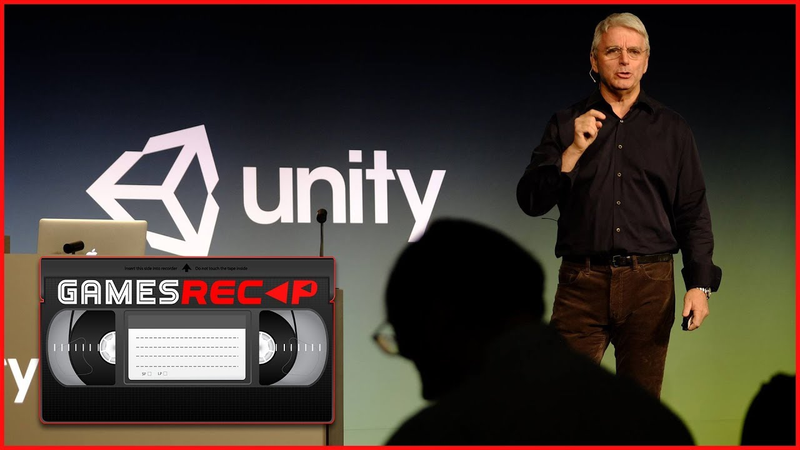
Unity IPO | Games ReCAP Episode 028
Unity has achieved a $6 billion valuation following a $525 million investment round, positioning the company for a potential public offering in early 2020.
- Unity has secured a $525 million investment round, resulting in a $6 billion valuation and setting the stage for a potential IPO in early 2020.
- The transition to a public company will likely force a shift toward aggressive monetization strategies, specifically targeting revenue growth through the Asset Store and adjustments to licensing fee structures.
- Unity must expand beyond its core mobile and indie gaming markets by positioning its engine as a foundational platform for real-time simulations in industries like aerospace and smart technology.
Indie vs Steam | Games ReCAP Episode 026
The current landscape of the digital games industry is defined by a growing rift between independent developers and Valve, primarily driven by the platform’s shift toward an opaque, algorithm-heavy discoverability model.
- Valve’s shift from human-led curation to an opaque, algorithm-heavy discoverability model has caused extreme market oversaturation, making organic traffic an unreliable strategy for indie developers.
- Independent developers must now treat aggressive, self-directed marketing as a fundamental business necessity rather than an optional growth tactic.
- Valve is facing significant criticism for prioritizing high-revenue publishers over the indie community, leading to a growing rift between the platform and its smaller partners.

How much money will your FIRST INDIE GAME make?
The primary objective for aspiring independent game developers is to shift their focus from immediate financial gain to the acquisition of essential production skills.
- The primary objective for a first indie game should be skill acquisition and project completion rather than immediate financial profit.
- Initial projects rarely generate significant revenue, often yielding little to no direct sales or only negligible amounts from ad revenue.
- Successful developers, such as Edmund McMillen, typically release a high volume of smaller, lesser-known titles before achieving commercial success.

After a decade, my game is done. WISHLIST NOW! | Dev Diary #2
The development of the indie title Once Upon a Coma represents a decade-long creative journey, culminating in the finalization of the game after a two-year intensive production cycle.
- The developer finalized the indie title 'Once Upon a Coma' after a decade-long creative journey, including a two-year intensive production cycle.
- To prevent last-minute scope creep and ensure project completion, the developer restricted his own access to the source code repository to force a transition from development to marketing.
- The marketing strategy prioritizes a high-energy, 'bombastic' trailer aesthetic to maximize visibility and stand out in a competitive digital storefront environment.

How I Quit My Job To Start An Indie Game Studio
The transition from traditional employment to full-time independent game development is driven by a combination of persistent creative passion, strategic preparation, and the psychological necessity of overcoming self-doubt.
- Transitioning to full-time indie development requires a disciplined schedule of two to three hours of daily development work while still employed to build a portfolio and validate concepts.
- Professional independence is a gradual process that necessitates shifting one's mindset from a passive employee to a proactive entrepreneur rather than an overnight career change.
- Crowdfunding platforms like Kickstarter serve as essential tools for validating game concepts and securing the financial independence required to leave traditional employment.

Playing YOUR Indie Games (Bug's N Boo Hags RETRO ARCADE GAME!)
The game Bugs N Boo Hags is an indie title currently seeking funding through a Kickstarter campaign.
- Bugs N Boo Hags is an 8-bit arcade-style indie game currently seeking development funding via a Kickstarter campaign.
- The game’s core mechanics are rooted in Gullah Geechee folklore, requiring players to defend homes from supernatural 'boo hags' using traditional items like salt, brooms, and haint blue paint.
- The title is designed as a high-stakes, punishing experience that mimics the difficulty and aesthetic of classic Nintendo-era console games.
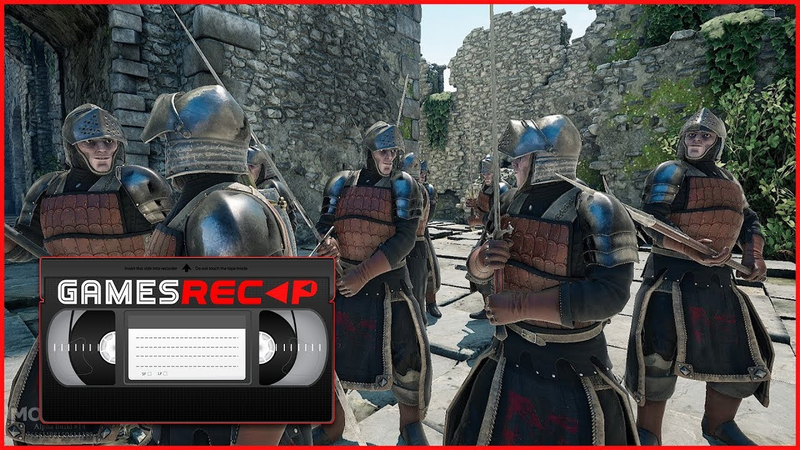
Mordhau Responses | Games ReCAP Episode 017
The controversy surrounding the development and management of the medieval combat game Mordhau serves as a critical case study in the intersection of community moderation, public relations, and studio accountability.
- The Mordhau development team faced significant backlash by citing technical limitations as the reason for lacking robust chat moderation tools, which critics perceived as a tacit endorsement of toxic behavior.
- Effective crisis management in the indie gaming sector requires proactive, unified communication that prioritizes long-term community health over defensive or overly specific justifications.
- Failure to implement clear moderation policies poses a direct threat to a title's commercial viability and long-term reputation by alienating segments of the player base.

Prepping to launch my next game after ~3 years of work... (Launch Diary #1)
The transition from development to commercial release represents one of the most complex and anxiety-inducing phases in the independent game development lifecycle.
- The developer is finalizing a narrative-driven adventure game after a three-year development cycle, acting as a spiritual successor to a decade-old browser title.
- The project utilizes a collaborative development structure involving a publisher and a secondary developer to manage the complexities of a polished commercial release.
- Final-stage focus testing is conducted with a sample group of approximately 50 testers to evaluate narrative, gameplay loops, and user experience.
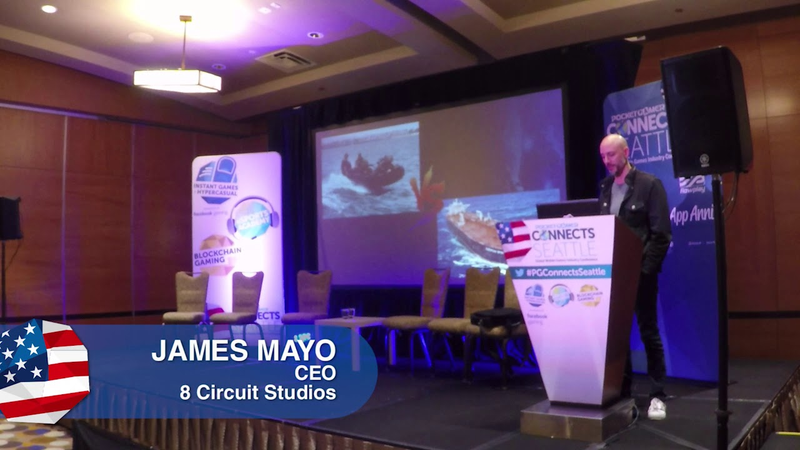
Lessons from triple-A game development applied to blockchain games
The integration of triple-A development methodologies into the blockchain gaming sector offers a strategic framework for smaller, agile studios to navigate the complexities of emerging technology.
- Keep core game logic within the game engine to ensure performance, using the blockchain exclusively as a specialized ledger for digital assets to avoid high latency and transaction costs.
- Adopt an 'open kitchen' community-first development model to replace traditional secretive marketing, allowing for cost-effective, continuous market research and playtesting.
- Prioritize rapid prototyping to identify the core engagement 'hook' early, enabling teams to 'fail fast' and validate technical architecture before scaling.
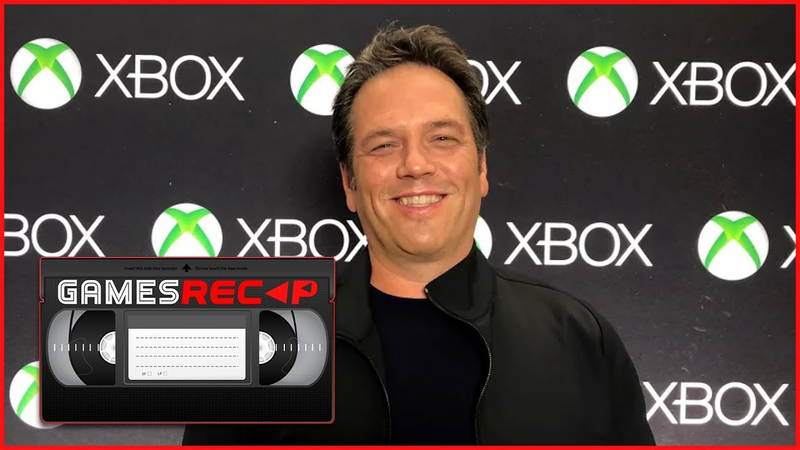
Phil Spencer Answers Xbox One's Struggles | Games ReCAP Episode 010
Microsoft is fundamentally restructuring its gaming strategy to pivot away from traditional console-centric competition toward a service-oriented model defined by Xbox Game Pass.
- Microsoft is pivoting from a hardware-centric model to a service-oriented strategy centered on Xbox Game Pass to mitigate the historical underperformance of Xbox One’s first-party software.
- The company is bridging Xbox and PC platforms to secure recurring revenue and reduce dependency on the volatility of traditional console hardware cycles.
- The industry is shifting toward digital distribution to bypass retail intermediaries, increase profit margins, and eliminate the secondary resale market.