1 free read left. Create a free account for unlimited reading + AI research.
Create free account
Lessons from triple-A game development applied to blockchain games
Key insights
5 takeaways- 01Prioritize rapid prototyping to identify the core engagement 'hook' early, enabling teams to 'fail fast' and validate technical architecture before scaling.
- 02Apply triple-A development principles—such as clear mechanic definition and iterative design—to navigate the technical complexities of blockchain integration.
- 03Keep core game logic within the game engine to ensure performance, using the blockchain exclusively as a specialized ledger for digital assets to avoid high latency and transaction costs.
- 04Treat blockchain data management as a resource allocation problem, mirroring traditional hardware strategies by storing data on the most efficient medium.
- 05Adopt an 'open kitchen' community-first development model to replace traditional secretive marketing, allowing for cost-effective, continuous market research and playtesting.
Ask AI about this video
Transcript
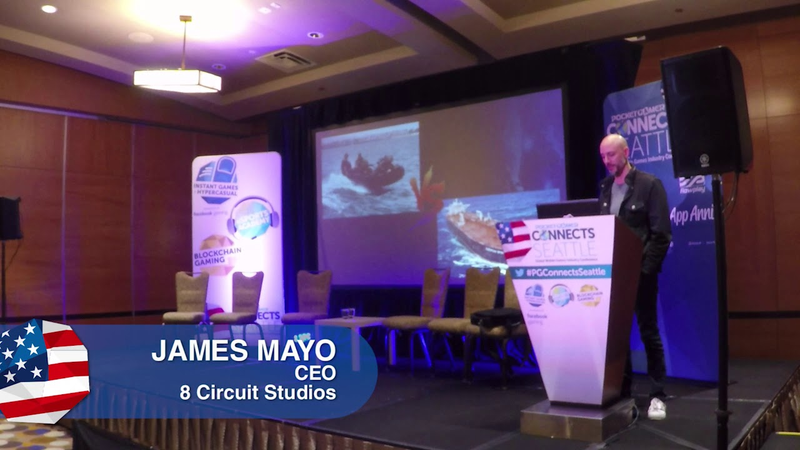
how's it going my name is James Mayo I'm here talking on behalf of eighth circuit studios we're a small development company we're about 15 folks started working about two years ago on watching development making blockchains and games now you can follow me on Twitter just for kind of the random stuff and then if you want to follow us on hate circus studios you can kind of check out our daily progress for project Genesis which is our flagship title so today I wanted to talk a little bit about how to bring some of the learnings that we had from our triple-a experience and to blockchain game development what you're looking at here is the flagship title that we got project Genesis it's a blockchain based game heavily emphasizing sort of first-person shooter
components mixed with it would be third-person space combat and so kind of experimenting with a genre mashup and we haven't seen a lot of these out there but this is sort of our as far as we think we can take things on the triple-a front for the size team that we've got so my background is actually in let's see I've worked at a couple of publishers Nintendo Microsoft worked as Microsoft transition from the PC industry into the console market and I've worked on kind of both sides of the aisle I worked as a on the publishing side as well as the core game development side so not only did we publish games earlier in my career we were looking to get our games published as I moved to other companies this title is going to be let's see I would say maybe August or so before we have our
open alpha but if you like stop on by ww project Genesis com sign up for the Alpha we'll get you in so full disclosure I actually have not worked on any of these titles but I think they're representative triple-a titles but these are some of the titles that I have worked on and then here's some of the the titles that the team has participated in so so triple-a it's it's pretty if you go on to like Wikipedia it's a pretty nebulous description basically it's big budget it's big sales presumably in there's like big teams and I think they make some sort of equivalent to like like film so what I'd like to do is actually dive into triple-a a little bit hold up a magnifying glass kind of break it down into perhaps some smaller more
digestible pieces but I want to use grand theft auto 5 I presume everybody here is at least heard of it it's I think what I would say is at the upper end of triple-a and it's quite an incredible accomplishment both in terms of what you can do technically with that particular engine as well as like the experience that you would get as a player so I mean I can't imagine packing much more content into a title and they continue to update it and add content so the budget depending on which article you read it's 265 million give or take 100 million some say that the extra hundred is going into marketing some say that it's included and just as a comparison since we were kind of talking about blockbuster films the budget for GTA is actually higher than any one of these these films that have been released so that's a big number 265
million and the question is like what can you learn from that kind of money like if you're spending that kind of money you're effectively able to buy the best engineers you're able to or mind as we buy them but at least hire them and then also do the same thing with artists designers and so again what could we possibly extract out of these types of environments that aren't just money based and I think when we started looking at some of these titles what you do is you you begin to sort of see that they're not just triple-a as a title in fact if you go all the way back to the beginning of GTA it was released October 21st 1997 and it looked like this I don't know if any of you guys have played GTA 1 at all but this is your your overhead 2d scroller there's a little bit of parallaxing there to give kind of that
3d effect but it's basically sprites and but you will notice some of the some of the consistent sort of thematic elements you've got your cell phone or maybe it was a pager at the time but you would get updates on your your missions that you were supposed to accomplish you can Jack cars you can get in get out collect cars smash stuff up run over the occasional pedestrian so but this is an example of the Triple A games that came out in 1997 as a comparative I've got Final Fantasy 7 Goldeneye double-oh-seven quake 2 and if you include the titles that were sort of at the beginning you know with GTA you know GTA what do we have 5 you're looking at Final Fantasy 7 again these are titles that sort of are at the upper end of their life cycle in fact there's a lot of history there they're franchises and it's probably a better way to think
about what Triple A is it's sort of the culmination of a successful franchise and so I think that how many folks here are indie developers or would consider themselves sort of indie or mid core ok everybody else sort of just gamers developers are they part of Triple A or big publishers ok cool well in the blockchain space I would say that most of us would consider ourselves this more indie developer and so we're kind of at the beginning of this this journey and how can we extract all the good stuff from people who have gone before I like to actually think of us kind of in these to sort of in this comparison as well which is if you've got triple-a franchises that that are these giant tankers they have a kind of momentum to them whereas this Indies we're a lot more nimble and it's it's actually pretty interesting because in our space
it's probably more beneficial that we operate as sort of this Navy SEAL team zodiac we would of course love to have the capital but I think we also chose this route because it's not as corporate corporations kind of can support the size of teams that are gonna pull in the 256 265 million dollars and and there's sort of a rigidity to them they have a lot of structure a lot of bureaucracy and what I find is they're also quite afraid to take certain kinds of risks especially they're thinking about what the blockchain might mean so what are some of the lessons that we can pull like I said my background comes from triple-a and I think that I'm looking at about 40 titles that I've released and so what that really means it's not a it's not a brag but what it means is that I've been through the development cycle a number of times and so we sort
of have it embedded into our muscle memory into our DNA and so with that one of the things that we get a lot of experience on the triple-a side is pitching and and you're pitching at a bunch of different levels it's almost kind of meta it's recursive meaning you're oftentimes pitching a title but you're also pitching your ideas within your organization there's a lot of discussion that has to happen but in our case we got to have a lot of sort of both direct experience pitching and hearing pitches from developers and we've also got a chance to sort of with our friends in the industry hear how these pitches go on the developer side we're also getting the opportunity to big publishers and one of the things that we sort of encountered was those pitches that had a demo actually did far
better than those that didn't have a demo and so what we got really good at is is actually doing rapid prototyping I don't know who was here yesterday we got a chance to listen to Christian Allen talk about his rapid prototyping experience but I think like Dave was talking about the the show will be up at some point in the future yeah you can check it out but there's a lot of really great insights and lessons from that experience so that's the first lesson we learned it's get really good at it pitching but get really really good at developing rapid prototypes and so you're making little vignettes little experiences that highlight the concept or idea that you're trying to present in addition to that the second thing is this sort of rapid iteration process will help you find what's called the hook and the hook if we're looking at GTA as our example in this case there's kind of this this concept of the pull in
the hook and so the pull is something that gets people's attention and the hook is what keeps it and so in GTA s case it was discovering that you could run over pedestrians that was sort of the it got people's attention and then the hook is this mechanic this really tight loop where you're getting a message go on mission you have the experience of jacking the car you can collect these cars over time complete the mission get capital but in the process if you sort of make any mistakes along the way there's the heightened sense of tension because you have to deal with the police either because you've run over somebody or multiple people or you've committed a crime in front of them and so that was the hook and that was kind of new at the time we weren't seeing a lot of that with with games and so how does this relate to the blockchain so we talked a bit about this sort of high frame rates this rapid iteration there's sort of two levels at which this this helps you this
sort of this quick development process the first one is it's going to help you find that hook that we just talked about because there has to be a lot of exploration but the second thing that happens when you're dealing with a high frame rate team is you get the benefit of sort of making a lot of mistakes quickly I think in in the valley they call it failing fast and so this allows you to fail fast which is super important in the blockchain space so from Triple A we sort of took this concept of rapid iteration applied it to development with the blockchain and we made a ton of mistakes to start we sort of thought you could just sprinkle the blockchain in your game you actually can't do that it's actually very challenging to work with block chains because it's a particular kind of data model so we developed at first our mobile title using react native and we
had to create from scratch it basically it's like connective tissue it's connect the game to the blockchain we had to create a back-end system that allowed that to happen other games chose to go a different route they chose to put most of their their game logic on the blockchain so have who here is doing blockchain development I think I recognize some of you guys okay so so this isn't a great description of what a blockchain is but it's one that's useful for us for those who haven't worked in the blockchain space you can think of it like a database you know you'll hear some people call it like a ledger but in our experience when we tried with our mobile title to put on the what they call the digital assets or the non fungible tokens on the blockchain we encountered a bunch of oops excuse me we encounter a bunch of challenges in terms of
transactions and transactions are how you send information from one wallet to another wallet or one asset to another wallet and so through this process we discovered that putting any logic on the blockchain incurred a pretty significant cost because on blockchains in order to transmit that information they charge a little bit of a fee but that also that fee can can increase pretty rapidly depending on how much use the blockchain is getting so that's pretty I mean it's partially technical but what that meant was there was a lot of pain and dealing with block chains and so what you end up discovering is this problem that gets solved sort of in in development generally but it's basically like an input-output problem it's it's what do you put on what on what technology so as
an example if you need a high frame rate game you don't you have a GPU this is your graphics card and so that's what's that's what's cycling all of the information that comes up on your screen we discovered that block chains are better without any game logic on them and so this this is sort of like thinking about what do you put on your GPU what are you putting on your processor what do you put on your hard drive there are certain things you don't put on your hard drive you don't you don't use your hard drive as RAM so use your hard drive instead to store data longer-term and it's the same thing with the blockchain so that was sort of the first discovery that we made and then the second was for us really trying to figure out what users valued what was important to them and in the blockchain space there's a lot of emphasis on speculation or trading and in games it would be probably considered something
like a secondary market so if you're thinking about like baseball cards if you think about Magic the Gathering in the real world one of the things that makes these things kind of cool is this secondary market which brings a kind of value to it and so that's really big in the blockchain space typically what we decided to do is actually move in a bit different direction because block chains are pretty heavy Freight for us to work with we're deciding to put all game logic on the engine itself and the engine that we're using is the Unreal Engine and that allows us to to do this rapid prototyping pretty quickly and then get product into folks hands the second thing that we learned this was a hard lesson for us we actually it took us almost two years to come to this conclusion this is a sort of a counter lesson because we come from the triple a space we were actually trying to run marketing like a triple-a company and
we're not quite that big and we didn't have that capital that kind of capital that you see Triple A companies employ but for us we really tried the philosophy of hold a lot of things close to the vest don't talk about your game very much only release the most high polished stuff focus on press first and if you are familiar with marketing there's sort of this funnel that goes from exposure and then goes down into engagement or conversion so that's the philosophy they went with was a hey we got this great graphic when we search for it we pulled it down we used it but we found that it wasn't getting us a lot of traction and we this is on me but we kind of bang her head against the wall for quite a while until we realized that it's crucial to kind of flip that model around we discovered that we can take
advantage of the fact that we actually have a game that we have something that we can put into folks hands and let them see the sort of messiness of game development and so we sort of inverted this model emphasizing community first and sort of press which is normally the first ones that you would typically engage you are actually having them sort of at the end of the cycle for us so community is actually paramount we sort of just came to this conclusion recently so you'll see us kind of shifting the the way in which we're talking about project Genesis I would actually encourage you if you guys are familiar with GDC it's the Game Developers Conference they have a ton of good information that comes out of there and they they sort of trickle out their their videos as well this talk by Jonas Patel is sort of the model that we're using for community development it's brilliant it's the subnautica postmortem and in his talk what he discusses is using sort
of this open kitchen model as we've talked about at two layers if you think about games as entertainment you can keep think of this open kitchen model also as the development of your game as entertainment and in fact if you're gonna go you know you're working hard spent eight hours a day you're looking to kind of decompress maybe there's a game that's very similar to what you want to play just like maybe there's a type of food that you like to eat it's fun to watch these shows is they teach you how to make this food or show you sort of unique elements to it the same thing applies in game development is sort of a different layer of entertainment so can take advantage of the fact that it is messy and as long as you're transparent and upfront with your community there along with you for the ride and in fact it really does this a great thing of helping you just be authentic and honest with them you can build trust and then more importantly at
least from our perspective in addition to showing folks how we're building games it also is this extremely valuable resource for understanding the market upon which you'll be selling or to which you'll be selling this community will help you understand what they value and they will help guide your decisions this is basically play testing or market research for free so this is a really incredible opportunity and so I would encourage everybody who's interested in sort of working in the development just generally speaking but certainly the blockchain industry check this check this video out super so let's see we'll keep it kind of high level did did you guys have any other questions I might be able to answer for you we'll call that good right there sorry about that guys
finding through your community any yes what I mean we're still kind of working through it mm-hmm so we released the game we did a play test we did a couple play tests I think we're on our fourth and by the fourth play test there were two bits of information that came up one person had said this is the game that they've been looking for for ten years and the other one had said this is the game that we've been looking for all our life and so I wasn't expecting that because the game is in such an unfinished state and we still haven't actually got to the bottom of that question we'll need to dig into that a little bit but my guess if I was going to speculate is that this particular game I think it scratches the itch if you guys are familiar with star citizen sort of this big epic I think it's still
being defined at this time but it's big epic space game and then and it's taking quite a while to develop I think we sort of scratch that edge right now because we can get folks in and playing in sort of this epic context but then the other thing that we also offer is the first-person game play and so these two things they think satisfy what star citizen might have projected it was going to do thank you I think we'll move on from there James May thank you very much thank you [Applause]
Summary
The integration of triple-A development methodologies into the blockchain gaming sector offers a strategic framework for smaller, agile studios to navigate the complexities of emerging technology. By leveraging professional experience from large-scale publishing and development, studios can transition from rigid, high-budget corporate models to a more efficient, iterative approach. The primary thesis suggests that while blockchain games require unique technical considerations, the core principles of rapid prototyping, community-driven development, and clear mechanic definition remain essential for success.
Key findings emphasize the importance of rapid iteration to identify a game’s "hook"—the core mechanic that sustains player engagement. In the context of blockchain, this process is vital for "failing fast" and determining the appropriate technical architecture. Specifically, developers should avoid placing core game logic directly on the blockchain, which incurs significant transaction costs and latency. Instead, the blockchain should be treated as a specialized ledger for digital assets, while the game engine handles high-performance logic. This separation of concerns mirrors traditional hardware resource management, where data is allocated to the most efficient storage or processing medium.
Furthermore, the transition from traditional, secretive triple-A marketing to an "open kitchen" community model is identified as a critical pivot for indie blockchain developers. By involving the community early in the development process, studios gain access to invaluable, cost-effective market research and playtesting. This transparency fosters trust and allows developers to align their product with actual user values. Ultimately, the shift from a press-first, polished-product strategy to a community-first, iterative approach allows smaller teams to build authentic, player-validated experiences that compete effectively within the evolving gaming landscape.