indie
CompanyUnited States
Documents about indie
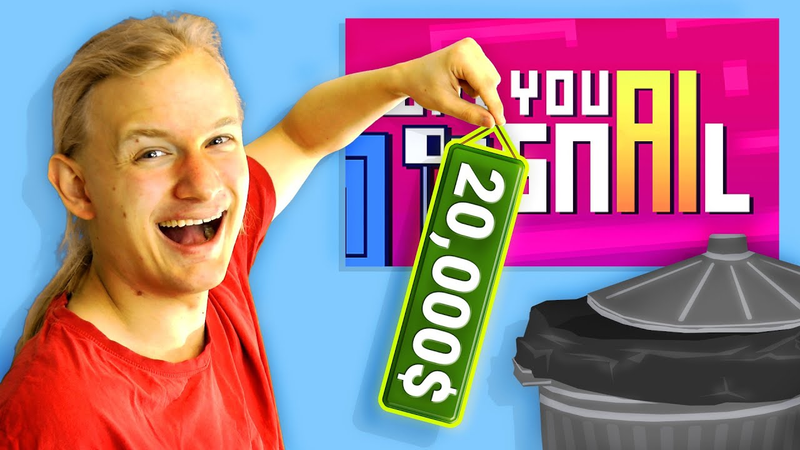
Spending $20,000 On My Indie Game! (XXL Devlog)
This report details the development progress and financial challenges of the indie platformer Will You Snail, a solo project spanning three years of development.
- The developer incurred $20,000 in direct expenses and $85,000 in foregone salary, bringing the total three-year investment to $105,000.
- With a net profit of $4.30 per unit, the project requires 24,400 copies sold to reach the break-even point.
- Failure to secure formal licensing agreements for community-sourced translations resulted in the loss of hundreds of hours of work, forcing a complete restart of the localization process for 50 languages.
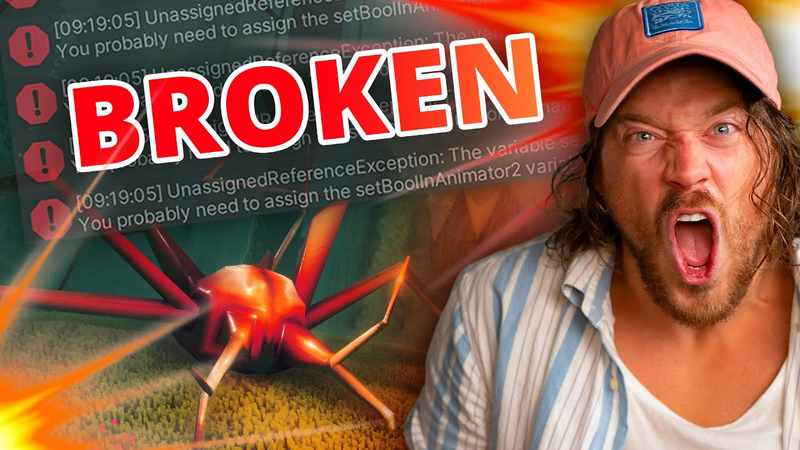
I Made A 3D Game And EVERYTHING BROKE
The development process of 3D character modeling and implementation serves as the primary focus of this technical demonstration.
- The development workflow relies on an iterative cycle of building, breaking, and refining assets within Blender and Unity to overcome technical hurdles.
- Common technical challenges in 3D indie development include resolving script inheritance errors, managing complex mesh modifiers, and troubleshooting animation behaviors.
- Real-time audience interaction during live-streamed development sessions serves as a critical feedback loop for design choices and debugging efforts.
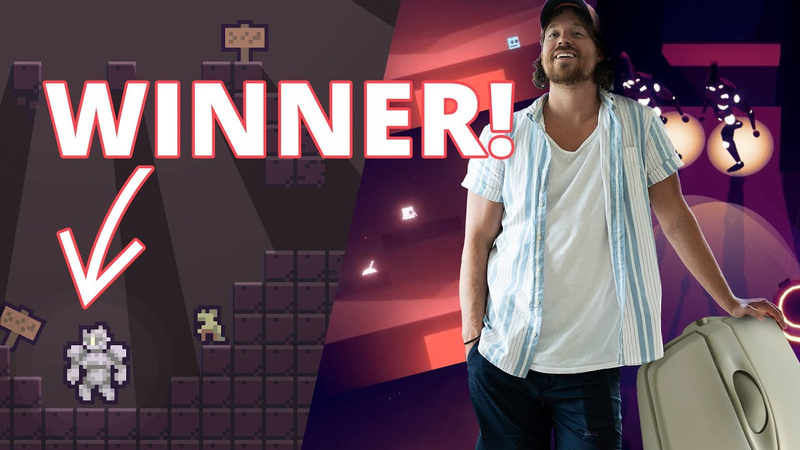
Playing My Students' Game Jam Games (Theme: The Golden Rule)!
This summary examines the outcomes of a private game jam conducted for the Full-Time Game Dev community, which serves over 2,500 students globally.
- The 'Full-Time Game Dev' community, comprising over 2,500 global students, utilized a game jam centered on the 'Golden Rule' to test rapid development strategies.
- The winning entry, 'Get Yeetin,' demonstrated that minimalist art and humor can effectively communicate complex themes by mechanically linking player actions to direct consequences.
- The second-place game, 'Are You Human,' utilized a creative captcha-style UI and shared damage mechanics to integrate its thematic puzzle elements directly into the user experience.
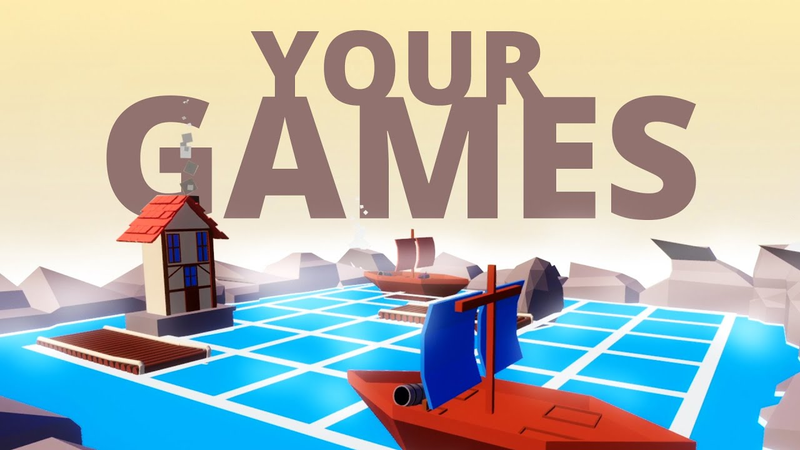
I PLAYED YOUR GAMES! | Game Design Feedback.
Effective game design relies on the seamless integration of intuitive user interfaces, clear player feedback, and natural onboarding processes.
- Indie developers must prioritize intuitive UI, clear visual feedback, and natural onboarding to prevent complex mechanics from becoming obscured by poor design.
- Tutorials should be embedded directly into gameplay rather than relegated to external documentation to improve player engagement and retention rates.
- Technical innovation in hybrid genres is often undermined by user experience friction, such as steep initial difficulty curves or intrusive monetization strategies.
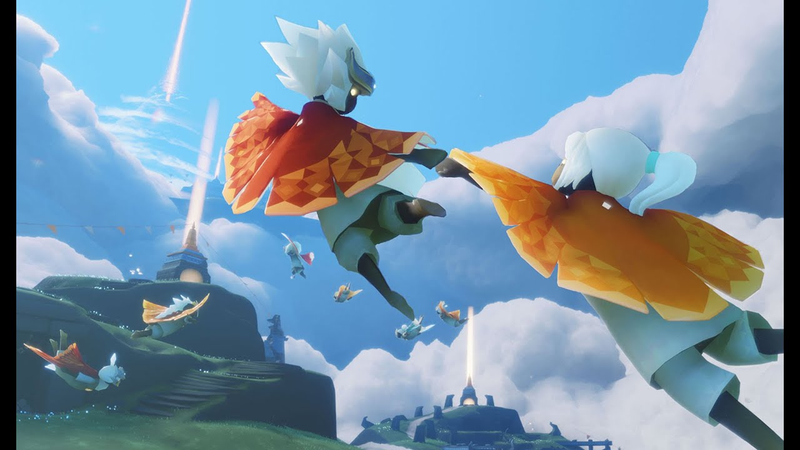
Art Director Aspirations with Reika Yoshino | Game Dev Unchained Episode 279
The professional landscape for game developers is defined by a complex intersection of creative ambition, systemic regulatory barriers, and evolving workplace dynamics.
- Transitioning from creative execution to art direction requires balancing individual artistic output with the strategic oversight necessary to maintain a studio's core vision during growth.
- Scaling from indie teams to mid-sized organizations necessitates formalizing structures that support live-service operational demands without sacrificing the experimental spirit required for artistic innovation.
- While remote work is effective for production-heavy tasks, in-person collaboration remains essential for high-level artistic development and complex visual communication.
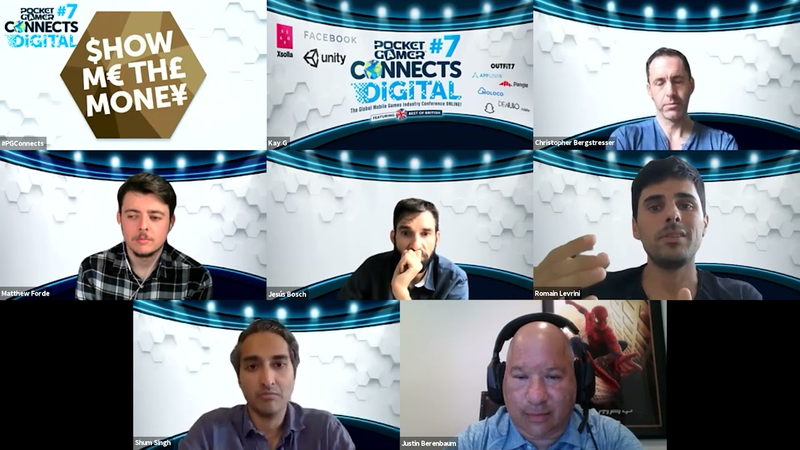
Panel: How to Prepare Your Studio for M&A
Professionalizing business operations serves as the foundational requirement for any game studio contemplating a merger or acquisition.
- Professionalize business operations by appointing a dedicated finance director to ensure all financial records are transparent and audit-ready before entering the market.
- Engage experienced M&A advisors early in the process to navigate complex due diligence, manage deal fatigue, and handle legal negotiations that frequently derail unprepared studios.
- Prioritize cultural alignment over market trends when selecting a partner, as the loss of key talent is the primary risk to post-acquisition value.

PocketGamer.biz Mobile Games Awards 2021
The mobile gaming sector reached a pivotal maturation point in 2021, solidifying its position as the dominant force in the global interactive entertainment market.
- The mobile gaming sector reached a valuation between $91 billion and $120 billion in 2021, accounting for approximately 50% of the total global games market.
- The industry experienced significant financial consolidation and investment, characterized by over $60 billion in mergers and acquisitions alongside increased venture capital funding for studios and service providers.
- Growth is increasingly driven by high-fidelity experiences and sophisticated live operations, with industry leaders like TiMi Studio Group, Tencent, and Supercell setting the standard for development.
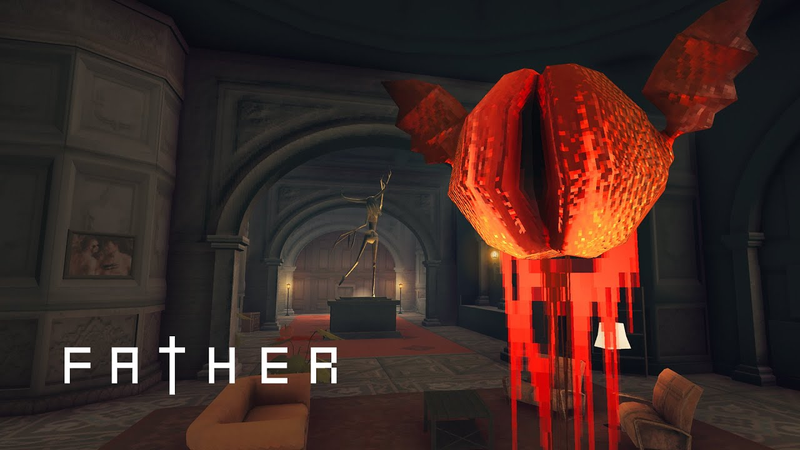
How I Made A Flying Enemy In Unity FAST - Devlog
This development log outlines the iterative process of creating a unique, low-poly flying enemy for an indie horror game.
- Prioritize rapid iteration and creative execution over technical perfection to maintain a fast production cycle in solo indie development.
- Utilize unconventional techniques, such as 'faking' complex tasks and repurposing existing assets, to overcome technical limitations and accelerate the workflow.
- Implement randomization in audio pitch and volume to ensure enemy behavior feels organic and avoids repetitive patterns.
Before you make your DREAM INDIE GAME… WATCH THIS
Aspiring indie game developers should avoid making their dream project their first commercial release.
- Avoid making your dream project your first commercial release to prevent burnout and ensure you have the necessary skills for long-term success.
- Apply the 80/20 principle to your development process, focusing on the 20% of your efforts that generate 80% of your success to identify your unique value proposition.
- Release small, low-stakes projects on platforms like itch.io to build technical proficiency and practice the essential cycle of finishing and publishing content.
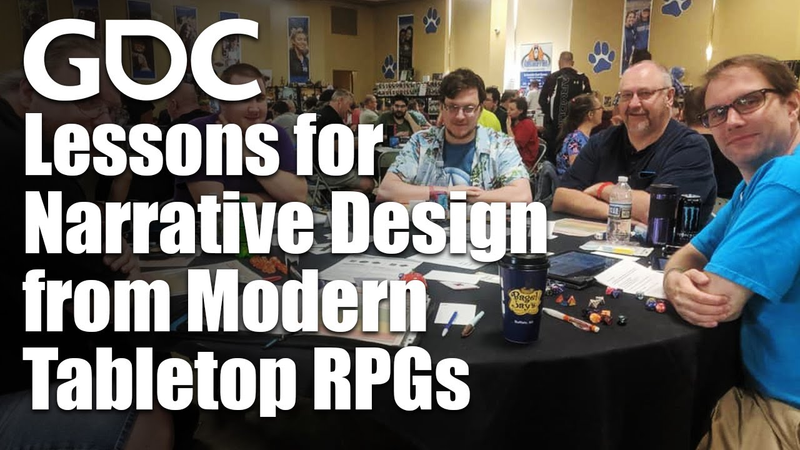
Lessons for Narrative Design from Modern Tabletop RPGs
Modern tabletop role-playing games, particularly the emerging class of indie story games, provide a transformative framework for digital narrative design by shifting the focus from traditional win-loss mechanics toward collaborative, thematic exploration.
- Modern indie tabletop RPGs prioritize narrative experience over tactical or strategic challenges, often shifting the focus from winning or losing to collaborative storytelling.
- The 'Sega Principle' in story game design suggests that when one person holds all narrative authority, the game's focus is defined by what is not mechanized, meaning developers should carefully choose which elements to explicitly systemize versus which to leave open.
- Narrative authority can be distributed by carving up the traditional Game Master role into discrete chunks or by allowing authority to flow directly from the fiction, as seen in games like 'A Thousand and One Nights' or 'Fiasco'.
Plunge into Storytelling: Transitioning into Narrative Design from Other Disciplines
Transitioning into narrative design from other professional disciplines requires a strategic shift in how candidates present their existing expertise.
- Narrative design is distinct from pure writing, as it requires integrating storytelling into mechanics, UI, and feature sets rather than focusing solely on scripts.
- Candidates should leverage their previous experience in disciplines like art, audio, production, or QA to position themselves as cross-functional facilitators who bridge the gap between narrative goals and technical implementation.
- Applicants should curate modular portfolios that demonstrate both creative writing ability and technical skills, such as documentation, tutorial design, and genre-specific editing.
From an Indie Game to Hypercasual Success - Can Any Game Go Hyper?
The hypercasual gaming sector thrives on a rapid, data-driven development cycle that prioritizes mass-market accessibility over niche complexity.
- Hypercasual game development requires a rapid iteration cycle of four to six weeks, where developers must be prepared to fail quickly and move on if initial KPI tests do not show potential within one to two weeks.
- Successful hypercasual games must appeal to a mass audience rather than a niche, ensuring the gameplay is accessible to a broad demographic ranging from teenagers to older adults.
- The onboarding process is critical for retention; the first few levels should act as a tutorial where players are guided through simple, clear goals to prevent early drop-off.