Enix
Company
Documents about Enix
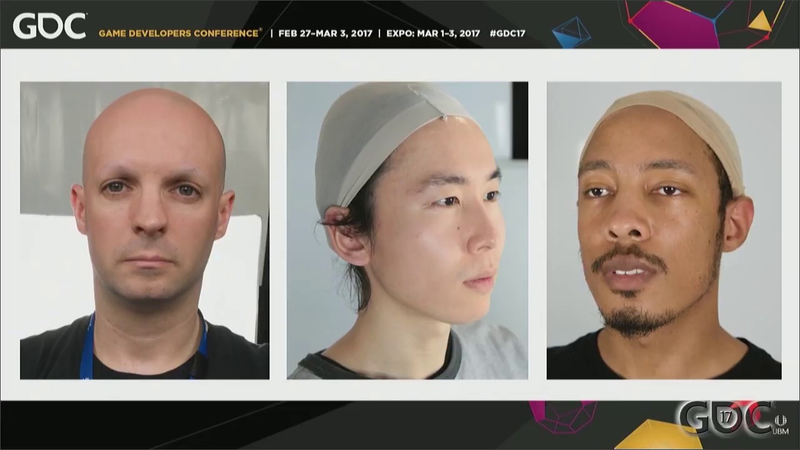
Achieving High-Quality, Low-Cost Skin: An Environment Approach
Square Enix has pioneered a transformative approach to character skin rendering by applying environment art principles to character design.
- Square Enix reduced character sculpting time by 40 percent by shifting from custom-sculpted 4K micro-detail maps to a tiling texture system.
- The new workflow utilizes generalized human pore patterns and tiling textures to maintain high-fidelity skin rendering while eliminating the need for unique, memory-intensive high-resolution assets.
- Artists use vertex painting to blend shared detail textures, allowing for granular control over skin elasticity and age without requiring changes to the underlying technical foundation.
Biggest Takeaways from E3 2019 | Games ReCAP Episode 005
E3 2019 served as a critical lens for evaluating the current state of the global gaming industry, highlighting a stark divide between successful creative strategies and systemic operational failures.
- Amazon Game Studios faces potential dissolution due to a lack of coherent leadership and the strategic failure of mandating the proprietary Lumberyard engine over industry-standard tools like Unreal or Unity.
- The gaming industry is increasingly pressured to abandon 'crunch' culture in favor of sustainable development models that utilize tighter project scopes to mitigate burnout in AAA production.
- Square Enix and Nintendo demonstrated that leveraging established nostalgia and innovative mechanics remains a highly effective creative strategy for market success.
Ubisoft & Square Enix E3 Press Conference | Games ReCAP Episode 004
Ubisoft maintains a robust and stable development model by leveraging established engines and iterative design across major franchises such as Assassin’s Creed, Watch Dogs, Far Cry, and the Tom Clancy series.
- Ubisoft’s strategy of leveraging established engines and iterative design for franchises like Assassin’s Creed and Far Cry provides a stable production model that minimizes the volatility and mass layoffs seen elsewhere in the industry.
- A two-year development cadence is proposed as the optimal standard for major titles, allowing players sufficient time to master complex gameplay systems before the next iteration is released.
- Square Enix’s modernization efforts show inconsistent results, with the Final Fantasy VII Remake succeeding through real-time combat and high fidelity, while projects like the Avengers title and the Final Fantasy VIII remaster suffer from a lack of comprehensive overhauls.
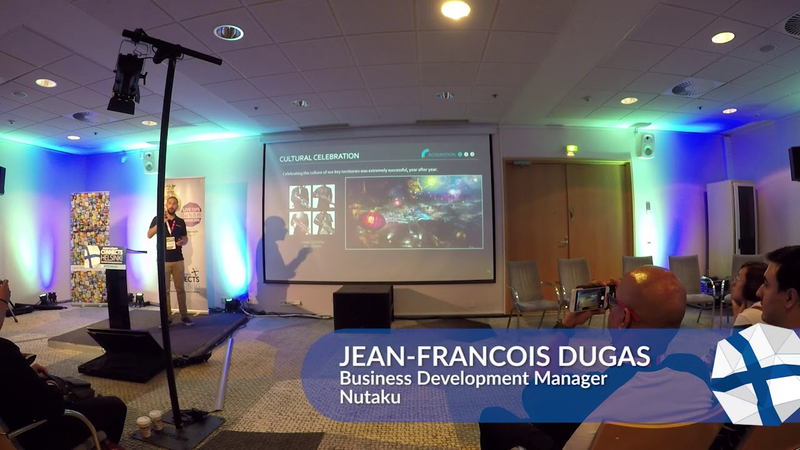
The Hitman Sniper post-mortem
The Hitman Sniper post-mortem details the transition of a premium mobile title into a sustainable, live-operated service.
- Square Enix Montreal successfully pivoted Hitman Sniper from a declining premium title to a sustainable live-operated service by implementing 36 iterative updates over three years.
- Regional price adjustments in emerging markets proved highly effective, resulting in a 115-fold increase in game downloads.
- The implementation of personalized, mission-specific rifle offers based on behavioral and geographic data increased conversion rates for key items by nearly four times.
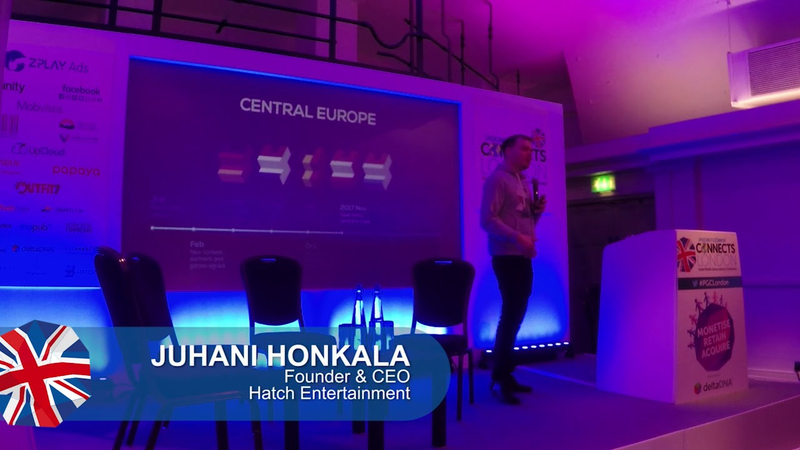
Hatch and the new opportunity of on-demand gaming
The emergence of on-demand, cloud-based gaming represents a significant shift in the mobile industry, mirroring the transition from ownership to subscription models seen in music and video streaming.
- The platform utilizes cloud architecture to stream native Android games, eliminating the need for HTML5 ports and reducing multiplayer prototype development time from months to days.
- The service operates on a dual-revenue model combining advertising and subscriptions, with a commitment to share 70% of generated revenue with content partners.
- The business model shifts mobile gaming from free-to-play monetization loops to a subscription-based, on-demand format that prioritizes premium content quality.
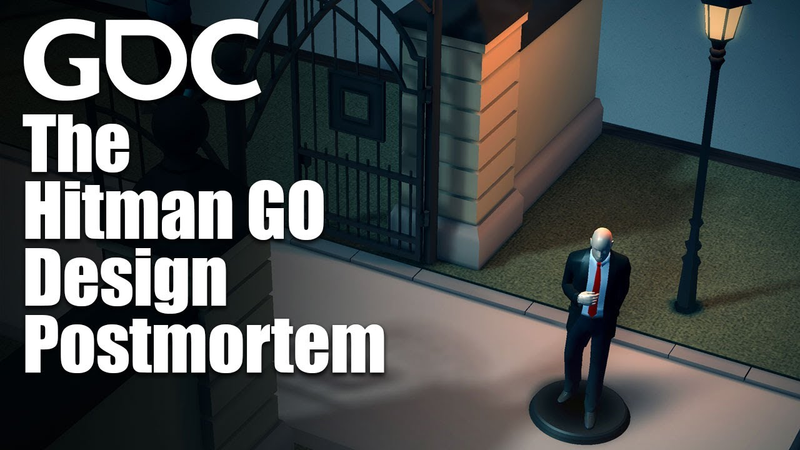
The Hitman GO Design Postmortem
The transition of Square Enix Montreal from cancelled AAA console development to mobile production necessitated a strategic pivot that prioritized creative incubation and brand adaptation.
- Square Enix Montreal developed Hitman GO within a six-month production window by utilizing a small, agile team and an incubation process that allowed staff to propose mobile-first concepts for established brands.
- The core gameplay mechanics were prototyped in just two weeks, focusing on turn-based strategy and diorama-style visuals to differentiate the title from traditional AAA stealth games.
- The team adopted a 'bottom-up' design philosophy, embracing unconventional ideas and constraints—such as the board game aesthetic—to solve the challenge of adapting a complex franchise for mobile platforms.
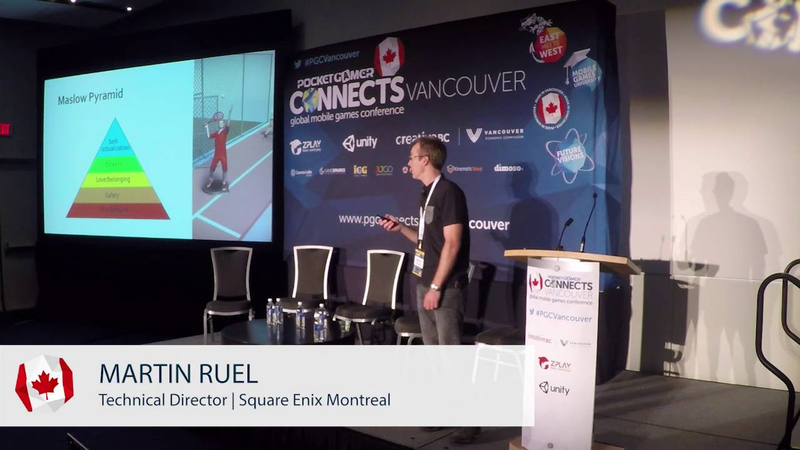
How Square Enix managed the teams behind Hitman GO and Lara Croft GO
Managing small, high-performing development teams requires a structured approach to individual performance, centered on the intersection of talent, experience, and motivation.
- Square Enix Montreal optimizes small team performance by prioritizing candidates with demonstrated passion and rapid learning capabilities over traditional academic credentials.
- Management increases the 'truck factor' and reduces production bottlenecks by fostering cross-functional skill sets, allowing team members to contribute across diverse areas like animation and narrative design.
- To drive intrinsic motivation, managers delegate challenging responsibilities and grant developers full ownership of specific game features.
Square Enix Montreal on the hard learnings going from console to mobile success
Square Enix Montreal’s transition from a large-scale console developer to a successful mobile publisher serves as a case study in the necessity of organizational agility and strategic focus.
- Platform store discovery drives over 50 percent of user acquisition, significantly outperforming traditional media and social channels.
- Securing 'Editor’s Choice' or 'Game of the Year' status on app stores can triple revenue compared to standard featuring while generating millions of additional impressions.
- Transitioning from console to mobile requires hiring for a mobile-first mindset, as console-hardened developers often struggle with the leaner, iterative development cycles required for mobile.
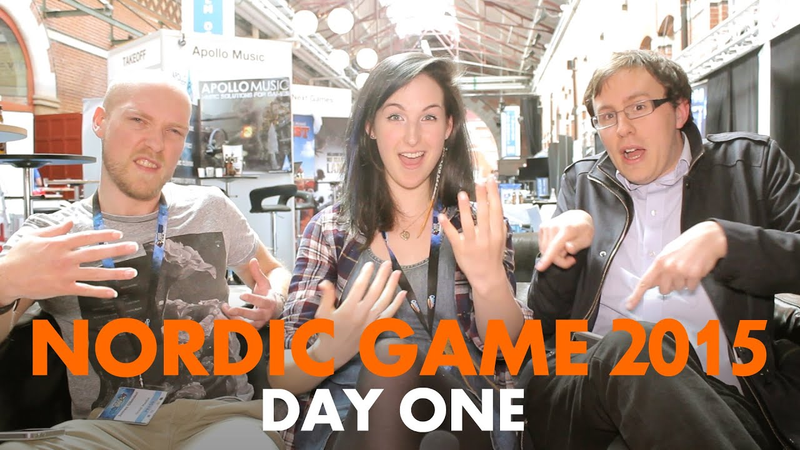
Nordic Game 2015 Diary: Day 1
Nordic Game 2015 serves as a primary venue for industry professionals to discuss emerging trends in game development, marketing strategies, and the evolving landscape of multi-platform distribution.
- Developers are shifting away from platform-exclusive strategies toward unified, cross-platform experiences that integrate mobile, PC, console, and virtual reality hardware.
- Crowdfunding success, as evidenced by Square Enix Collective, relies on synchronized launch strategies and professional support rather than independent, uncoordinated efforts.
- Market saturation necessitates that developers clearly define and communicate their unique selling points to remain competitive in indie publishing and ad network sectors.

Mailbag 1 - Questions About the Game Industry - Extra Credits
This overview addresses common inquiries regarding the state of the video game industry as of late 2010.
- The dominance of first-person shooters in 2010 is driven by the commercial success of the genre and the availability of standardized development engines like Unreal, which lower entry barriers for mid-tier studios.
- The perceived decline of the JRPG genre is not a lack of innovation, but rather an over-reliance on a small number of major publishers like Square Enix.
- PC gaming remains a robust market segment when accounting for the growth of MMOs, social gaming, and indie titles, despite challenges related to high technical requirements and costs compared to consoles.