Creative
Company
Documents about Creative
Getting Creative after World Changing Events with Dave Mervik | Game Dev Unchained Episode 255
The game development industry has undergone a fundamental transformation in response to the COVID-19 pandemic, shifting from traditional, office-centric models toward a flexible, output-based culture.
- The game development industry has transitioned from office-centric models to a flexible, output-based culture that prioritizes developer well-being and global talent acquisition over rigid nine-to-five schedules.
- Remote work has introduced the risk of 'self-crunching,' where the lack of physical separation between home and office leads to burnout and a narrowing of the personal experiences that fuel creative inspiration.
- Global crises, including the pandemic and social unrest, have shifted the industry's creative focus toward themes of social fragility, systemic failure, and the complexities of human experience under pressure.
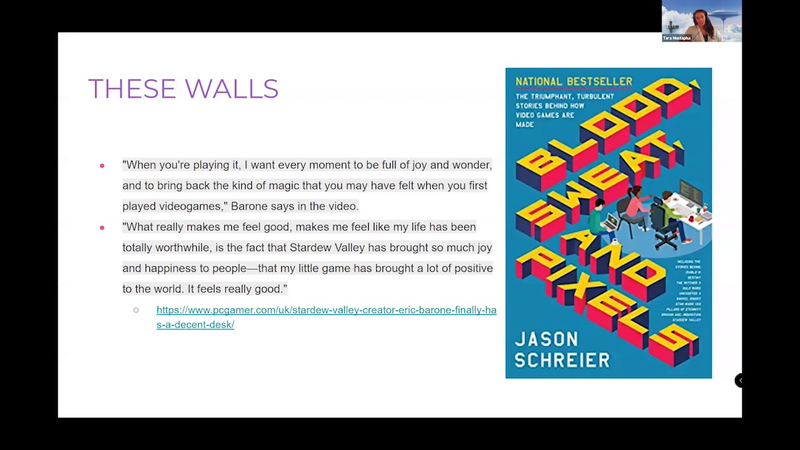
Design Within Constraints PG Connects Digital #2
Creative excellence in game development is best achieved not through limitless freedom, but through the strategic application of well-defined constraints.
- Creative excellence is best achieved by applying well-defined constraints early in production to prevent scope creep and maintain focus on a singular core vision.
- Development teams should prioritize low-fidelity prototyping to validate core mechanics before committing resources to high-polish assets.
- Rigorous pre-production planning, including the identification of specific target personas and project parameters, is essential for successful project execution.
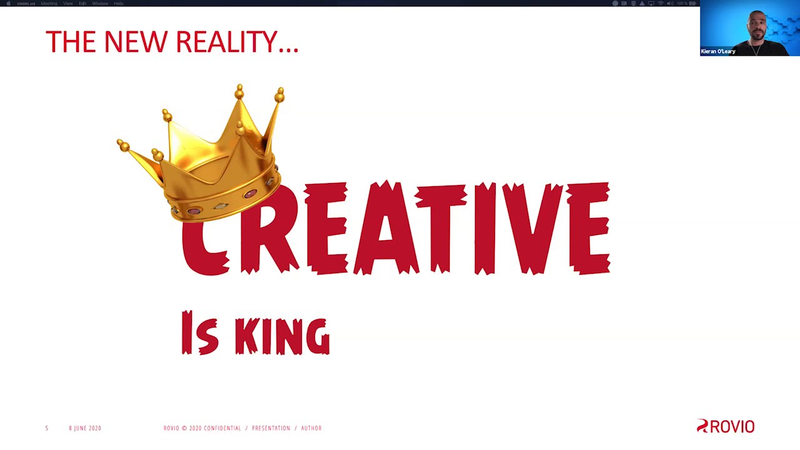
Fueling Growth Through User-centric UA Creative Design PG Connects Digital #2
Modern user acquisition strategies in the mobile gaming industry have shifted away from simple trial-and-error testing toward a framework rooted in neuroscience and behavioral psychology.
- Creative assets are the primary drivers of return on ad spend (ROAS), superseding automated media buying tools in importance for modern user acquisition.
- Effective UA strategies must shift from surface-level demographic analytics to a framework based on neuroscience and behavioral psychology to trigger intuitive System 1 processing.
- Developers should categorize players into psychological archetypes—such as achievers, strategists, and escapists—to align ad narratives with core user motivations.
Implementing Pixar's Brain Trust Model at King and How It All Went Wrong
King, the developer behind the Candy Crush franchise, attempted to implement a centralized advisory model modeled after Pixar’s Brain Trust to improve game quality across its global studios.
- King failed to implement a centralized 'Brain Trust' model because teams perceived the static group of senior experts as intimidating gatekeepers, leading to the group being labeled the 'Angels of Death.'
- The initial centralized model collapsed due to a lack of clear goals, conflicting management feedback, and cultural misunderstandings regarding the role of 'champions' in the development process.
- King successfully pivoted to a decentralized governance model that separates project support from formal evaluation, utilizing a flexible network of senior creative talent instead of a fixed panel.
Mobile Marketing for Card Games | Growing WildCard Games Ultimate Cribbage (UA Coffee)
Scaling a niche mobile title like Ultimate Cribbage requires a disciplined approach to user acquisition that balances aggressive automated bidding with rigorous creative testing.
- Scale niche titles by using a tiered geographic strategy, starting in low-cost markets like India before expanding to higher-value regions like Canada and the United States.
- Target specific D90–D120 payback windows to ensure long-term profitability rather than focusing solely on short-term acquisition metrics.
- Diversify marketing channels beyond Facebook’s automated bidding to avoid unpredictable costs and fragmented data that obscure true player lifetime value.
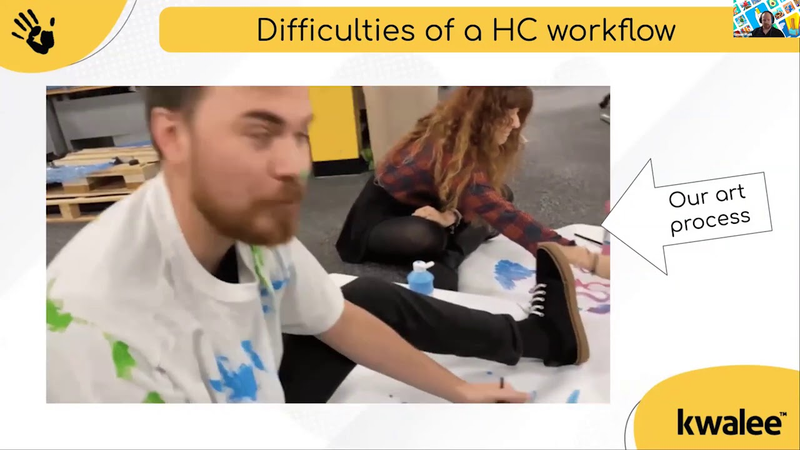
Superstar Session: How Company-wide Creativity Made us a Success PG Connects Digital #2
Kwalee has successfully navigated the transition from mid-core development to the hyper-casual mobile gaming sector by institutionalizing a culture of rapid experimentation and democratic innovation.
- Kwalee successfully transitioned from mid-core to hyper-casual gaming by institutionalizing a democratic, company-wide creative process that has generated over 100 million downloads.
- The studio utilizes 'Creative Wednesdays' to allow any employee to pitch game concepts, which are then vetted through rigorous, data-driven performance metrics.
- Operational strategy prioritizes 'failing fast' by distilling complex ideas into fundamental mechanics to enable rapid prototyping and testing within a few weeks.
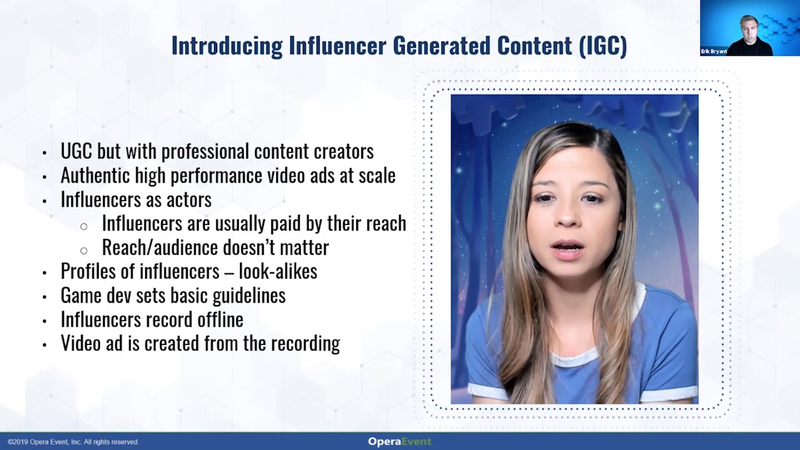
Influencers as Part of Your Video Creative Mix PG Connects Digital #2
The modern mobile gaming landscape is shifting away from traditional influencer marketing, which often suffers from high costs and unpredictable performance, toward a strategy centered on Influencer Generated Content.
- Shift from traditional influencer marketing to Influencer Generated Content (IGC) to use creators as actors for scalable, authentic video ads rather than relying on their personal reach.
- Leverage IGC to improve click-through rates and lower costs-per-install across major advertising platforms including TikTok, Snapchat, Facebook, and Google.
- Prioritize micro-influencers over larger personalities to achieve more cost-effective, reactive content that resonates with mobile gaming audiences.
Finding Inspiration: Tools for When You're Stuck
Creative block is a common challenge for game developers, particularly when transitioning from structured, well-defined tasks in large studios to the more ambiguous, experimental problem-solving required in smaller, independent teams.
- Treat creativity as a muscle that requires consistent practice and habit rather than viewing it as an innate, static talent.
- Transition from a 'closed mode' of rapid, stressful execution to an 'open mode' that prioritizes playfulness, contemplation, and deliberate problem-solving.
- Use mindfulness meditation to increase comfort with ambiguity, which prevents the tendency to settle for the first, often mediocre, design idea.
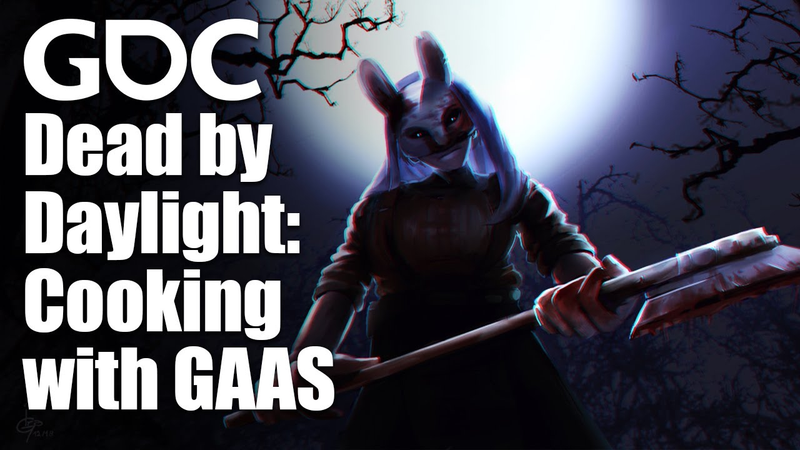
Dead by Daylight: When Creative and Business Minds Are Cooking with GAAS
Dead by Daylight serves as a definitive case study for the successful implementation of Games-as-a-Service models, demonstrating that long-term profitability is best achieved by aligning creative vision with player-centric monetization.
- Monetization in Games-as-a-Service (GaaS) should be additive to the player experience rather than subtractive; by focusing on optional cosmetic items, developers can generate revenue while enhancing player engagement and character customization.
- Behaviour Interactive rejected loot boxes in favor of an 'a la carte' store model to maintain player trust, opting for lower immediate revenue in exchange for long-term brand health and player respect.
- Generosity in GaaS, such as allowing players to unlock 60-70% of store content and all original characters using a grindable 'soft currency,' directly correlates with increased average session duration and player retention.
6 Secrets To Great Game Ideas
Creative professionals often struggle to generate compelling game concepts as they achieve personal and financial stability.
- Creative stagnation often stems from personal and financial comfort, requiring developers to intentionally embrace emotional vulnerability and discomfort to maintain depth in their work.
- Changing your physical environment, such as visiting new locations, forces the brain out of its default state and stimulates new patterns of thinking.
- Authenticity in game concepts is best preserved by abandoning rigid external pressures, such as catering to specific publishers or platforms, in favor of a creator's personal vision.

Surviving the Artist Apocalypse with Kinman Chan | GduX.me
Long-term career sustainability in the entertainment and game art industries depends on a strategic synthesis of technical proficiency, professional adaptability, and interpersonal intelligence.
- Long-term career sustainability requires transitioning from a focus on individual technical output to a broader professional identity centered on adaptability and interpersonal intelligence.
- Artists must treat their craft as a set of fundamental principles rather than static routines to facilitate pivoting across diverse sectors like management, AR, and VR.
- Creative stagnation typically manifests after five to ten years of professional practice, requiring proactive interventions to maintain innovation and prevent burnout.
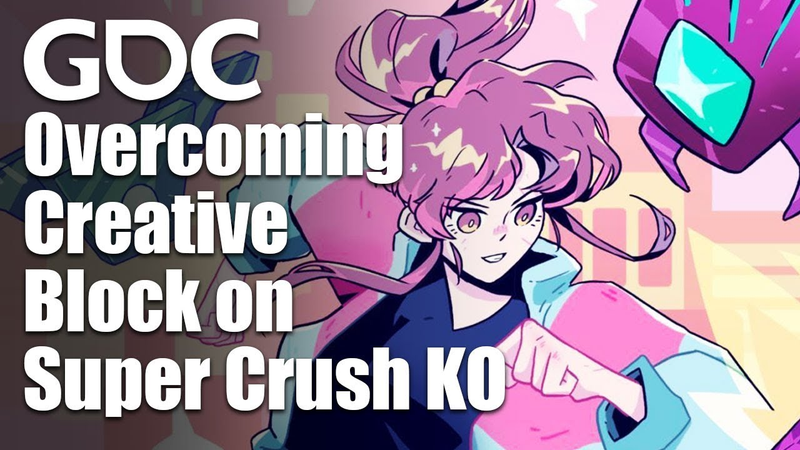
Independent Games Summit: Overcoming Creative Block on Super Crush KO
This presentation explores the psychological challenges of creative block and burnout within the independent game development industry, specifically drawing from the speaker’s experience as an art director on the title Super Crush KO.
- Creative block often stems from a misalignment between a creator's high standards for discernment and their current capacity for execution, rather than a lack of talent.
- The high-stakes environment of indie game development can trigger burnout, as the pressure to replicate past successes often leads to increased anxiety and fear of failure.
- Recovery from severe exhaustion and creative stagnation may require a significant hiatus, such as the month-long break taken by the art director during the 2017–2018 development period.