ArticleGame Developer
Report: Bethesda President Tells Obsidian Staff It Won't Lose 'Creative Identity' After Merge
1 pages~10 min full read
Key insights
4 slides
Recent Challenges
Obsidian experienced significant workforce reductions prior to the merger.
At least 52 employees were laid off in July 2026.
Workforce Reduction. The merger follows a period of significant workforce reduction at Obsidian, which included the layoff of at least 52 employees in July 2026.
Leadership's Message
The merger is primarily a change in reporting structure.
Bethesda president Jill Braff stated this in an internal email. Obsidian's core creative identity will not be altered.
Think of it like changing which manager you report to, not changing your job itself.
Strategic Collaboration
Bethesda Game Studios and Obsidian will collaborate on a new Fallout title.
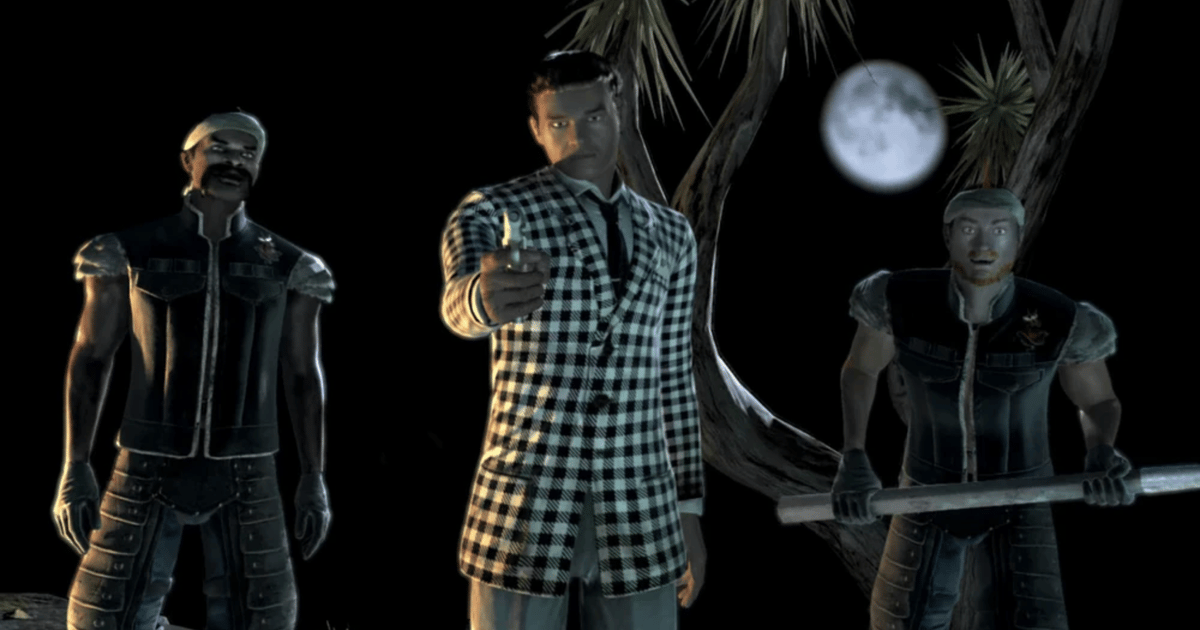
This collaboration builds on their previous work on Fallout: New Vegas.
Franchise Development
The new Fallout collaboration coincides with other Fallout projects.
Bethesda is also developing Fallout 5 and upcoming remasters of Fallout 3 and Fallout: New Vegas.
Concurrent Projects. The collaboration will coincide with Bethesda’s ongoing development of Fallout 5 and upcoming remasters of Fallout 3 and Fallout: New Vegas.
1 / 4
Ask AI about this report