Activision
CompanyUnited States
Documents about Activision

Scopely's $1bn Loom Games deal and Matthew Ball's big industry report | Week in Mobile Games podcast
The mobile gaming landscape is currently defined by a widening divide between established franchises and new market entrants.
- Scopely has secured a significant investment in the hybrid-casual game Pixel Flow, which has achieved daily seven-figure revenue since its October launch and is one of the few games in the last year to break into the top 20 grossing rankings.
- Activision will shut down Call of Duty: Warzone Mobile on April 17, 2026, citing a failure to meet performance expectations and the strategic difficulty of competing with other successful shooters.
- Unity shares have declined by 91% since November 2021, a trend attributed to the lingering negative impact of the runtime fee controversy, restructuring challenges, and market pressures from AI-driven competition.
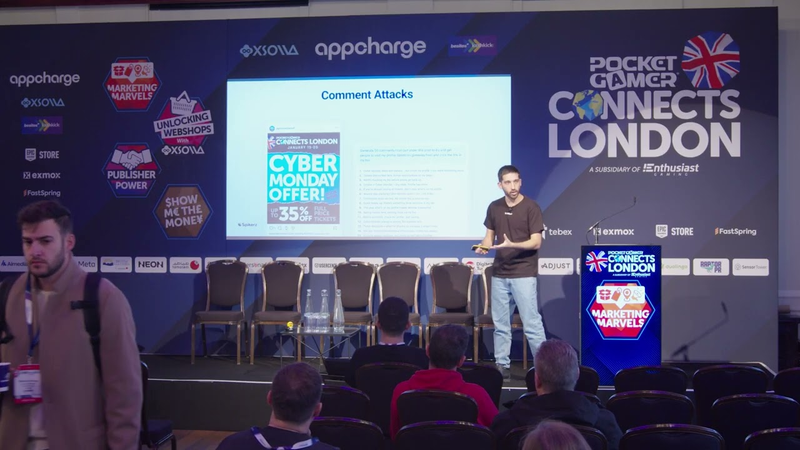
Session: AI vs. Your Game: The New Era Of Social Media Attacks - Naveh Ben Dror, Spikerz
The rapid advancement of artificial intelligence has fundamentally altered the threat landscape for gaming studios, shifting the nature of social media attacks from manual, labor-intensive efforts to automated, scalable, and highly sophisticated operations.
- One in five gaming studios will experience a security breach, as AI-driven threats have shifted from manual efforts to automated, scalable operations.
- Major industry players including Riot Games, Activision Blizzard, and Xbox have already been targeted by sophisticated AI-enabled attacks.
- Attackers are using AI to scrape professional networks for employee data and generate hyper-personalized phishing content in any language to bypass traditional security.
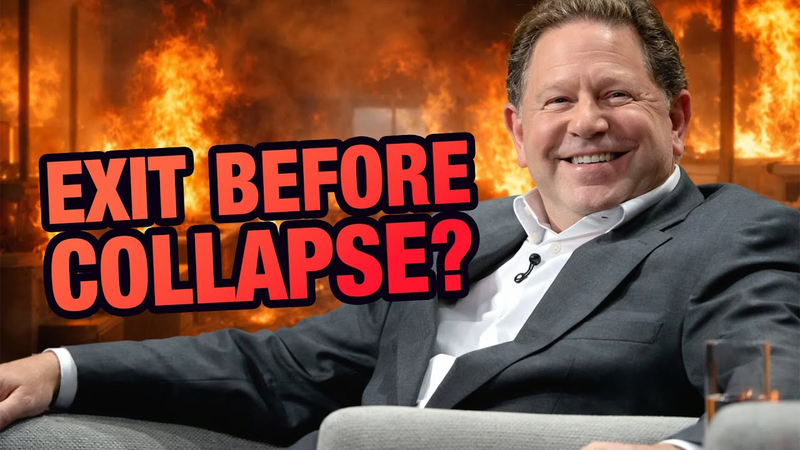
Was the Activision–Microsoft Deal a Fire Sale?
The legal dispute between the Swedish pension fund AP7 and former Activision Blizzard CEO Bobby Kotick centers on allegations that the $69 billion acquisition of Activision by Microsoft was a rushed transaction designed to secure a $400 million payout for Kotick and shield him from accountability regarding workplace misconduct…
- The Swedish pension fund AP7 is suing former Activision Blizzard CEO Bobby Kotick, alleging the $69 billion Microsoft acquisition was a rushed deal designed to secure Kotick a $400 million payout and shield him from workplace misconduct scandals.
- AP7 contends that Activision’s board breached its fiduciary duty to maximize shareholder value by failing to independently evaluate the sale or solicit competing bids from other potential buyers.
- Kotick justifies the $69 billion sale as a strategic exit necessitated by deteriorating industry fundamentals, including year-over-year declines in Call of Duty sales and a contraction in the console market.

TWiG #367: A Certain IPO, 2026's 1st Cozy Launch & When CEOs Get Sued
Corporate governance and strategic pivots define the current landscape of the interactive entertainment industry.
- Shareholders have initiated legal action against former Activision Blizzard CEO Bobby Kotick, alleging that the $69 billion acquisition process prioritized personal financial gain and legal protection over fiduciary duties.
- Adtech firm Liftoff has reached a $4 billion valuation via IPO, signaling a growing industry reliance on AI-driven user acquisition financing to maintain growth despite significant debt burdens.
- Major publishers like Krafton are shifting strategies toward operational efficiency by leveraging AI-integrated development and user-generated content to scale established intellectual property like PUBG.
🚨📢 BREAKING NEWS: Netflix heartbroken after WB, Disney AI fun, Meta losing $70B 🤯
This analysis covers major developments in the global entertainment and gaming sectors as of early December, focusing on corporate consolidation, artificial intelligence integration, and shifting market strategies.
- Disney has secured a $1 billion equity agreement with OpenAI, granting the AI firm access to 200 iconic characters for generative content development.
- Meta is pivoting away from its Metaverse division, Reality Labs, after accumulating approximately $70 billion in losses to focus resources on AI.
- Paramount has submitted a $108 billion all-cash offer for Warner Bros., creating significant competition for Netflix, which is also pursuing the acquisition.
Why Did EA Really Sell for $55B? The Truth Wall Street Missed (ft. Zynga's Former M&A Chief)
The acquisition of Electronic Arts by Saudi Arabia’s Public Investment Fund for $55 billion represents a strategic shift toward private ownership, designed to insulate the publisher from the volatility and short-term performance pressures of public markets.
- Saudi Arabia’s Public Investment Fund (PIF) acquired Electronic Arts for $55 billion to transition the company into a private entity, insulating it from the short-term performance pressures of public markets.
- The acquisition is a long-term strategic investment rather than a leveraged buyout, prioritizing transmedia expansion of EA’s sports intellectual property and growth in Asian markets over immediate operational restructuring.
- The deal aims to provide the capital stability necessary for long-term innovation and riskier development cycles that are typically stifled by quarterly earnings expectations.
Call of Duty vs Battlefield: Ex-DICE, Bungie & Activision Unpack It All
The rivalry between the Call of Duty and Battlefield franchises represents a fundamental clash between a dominant market juggernaut and a tactical challenger attempting to modernize its identity.
- Call of Duty maintains market dominance through a massive studio infrastructure and a relentless content treadmill that ensures high-frequency player engagement.
- Battlefield is attempting to close its player retention gap by pivoting toward faster, arcade-like movement and individualistic hero-based gameplay elements.
- To compete with Call of Duty’s unified ecosystem, Battlefield is transitioning toward a consolidated model that streamlines monetization and player management.
Mike Morhaime on Blizzard's Iteration Culture that Built Starcraft, Warcraft, and Diablo
The core philosophy driving long-term success in the gaming industry centers on an iterative development process that prioritizes execution and gameplay quality over rigid adherence to initial concepts.
- Blizzard’s success was driven by an iterative development culture where few games followed their original plan, proving that 90% of success relies on execution rather than initial concepts.
- The transition from Warcraft I to Warcraft II resulted in an order-of-magnitude increase in success, achieved by adding features like fog of war, naval units, and higher resolution graphics.
- Blizzard’s early growth was fueled by a $25,000 initial investment—$15,000 borrowed from a grandmother and $10,000 from a graduation gift—before the company was eventually acquired by Davidson and Associates.
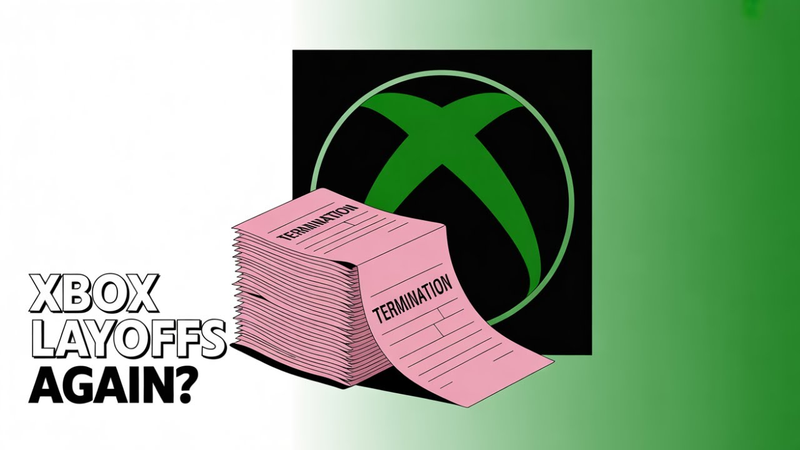
Why Did Microsoft Cut 9,000 Jobs This Year?
Microsoft’s recent workforce reductions, totaling approximately 15,000 positions across 2024, signal a period of significant instability within its gaming division.
- Microsoft cut approximately 15,000 positions across its gaming division in 2024, representing roughly 4% of the company's total workforce.
- The layoffs are attributed to a systemic management failure and a strategic pivot away from hardware toward a reliance on Game Pass and third-party partnerships.
- The acquisition of Activision Blizzard is identified as a primary catalyst for the current crisis, as the company struggles to generate sufficient returns by forcing high-value intellectual properties into a subscription-based model.

TWIG #334 The $200,000,000 Greenlight Failures and Activision’s Tone-Deaf In-Game Ads
The gaming industry is currently navigating a period of significant structural tension, characterized by a disconnect between high-budget production cycles and shifting consumer expectations.
- AAA development is suffering from systemic failures in the greenlight process, where internal politics and the sunk cost fallacy lead to bloated 6-to-8-year development cycles.
- Studios are encouraged to adopt rapid prototyping techniques from the hyper-casual sector to validate core gameplay appeal earlier and avoid costly investments in non-viable projects.
- Player backlash is intensifying against aggressive monetization strategies, specifically the integration of in-game advertisements within premium-priced titles.
Week in Mobile Games E55 - Apple faces further EU fines and Trump tariffs chaos continues
The mobile gaming industry is currently navigating a period of significant regulatory pressure and structural transformation.
- Mobile gaming monetization is shifting toward direct-to-consumer web shops and alternative payment systems to bypass traditional 30% platform fees and reclaim control over customer data.
- Despite a 7% decline in total U.S. mobile game downloads, average player spending has increased by 11% to $152 per install in 2024.
- Apple faces significant regulatory pressure from the European Commission, which has set strict deadlines for compliance with the Digital Markets Act regarding anti-steering practices under threat of substantial fines.
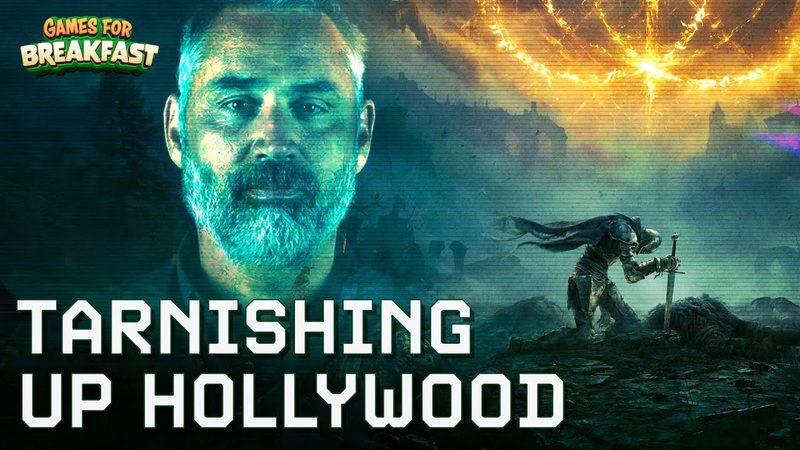
Elden Ring Meets A24, ActiBlizz Lawsuit Ends, Lies of P Gits EZ! | Gaming News | Games For Breakfast
The gaming industry is currently navigating a period of significant structural and creative transition, marked by the resolution of long-standing legal battles and the emergence of new ethical standards regarding artificial intelligence.
- The FTC’s challenge against Microsoft’s acquisition of Activision Blizzard has concluded, signaling a shift in regulatory oversight for major industry mergers.
- Fortnite has returned to the iOS App Store, marking a significant victory for developers challenging traditional platform payment ecosystems.
- Embracer Group is undergoing a major restructuring, splitting into three independent entities to increase operational flexibility for its intellectual properties.