
GameMakers
F2P product management, game design, and monetization strategy by Joseph Kim.
Documents
F2P Game Startups: Keep Going or Tap Out? ft. Michael Martinez (CEO of FunCraft)
The mobile gaming industry has transitioned into a period of extreme volatility, characterized by the end of pandemic-driven expansion and the restrictive impact of Apple’s App Tracking Transparency policies.
- The mobile gaming market has shifted from the accessible environment of the early 2010s to a static landscape dominated by evergreen titles, making entry for new startups significantly more difficult.
- Startups must abandon high-risk, single-title strategies in favor of agile portfolio management, which involves developing smaller, faster-to-market games to increase the probability of success.
- Success in the current climate requires a multi-dimensional operational model that integrates rigorous data analysis, precise user acquisition, and optimized ad monetization.
Sequoia Capital India on Investing in Indian Gaming Market
Sequoia Capital India maintains a bullish long-term outlook on the Indian gaming market, identifying it as a nascent but rapidly expanding sector.
- The Indian gaming market has experienced a 400 to 500 percent growth in size over recent years, leading Sequoia Capital India to project the emergence of a billion-dollar domestic game title within the next decade.
- Investment strategy prioritizes high-quality studios, esports, and distribution platforms, specifically targeting founders who demonstrate sustainable unit economics and long-term product-market fit over aggressive, cash-burning growth.
- While the market has seen a correction in valuations from the 2020 and 2021 peaks, the environment remains competitive and healthy for high-quality teams.
Mobile Shooters: What's Next After Battle Royale? ft. Jordan Phang/Naavik (FREE REPORT!)
The mobile shooter market represents a specialized but significant segment of the global gaming industry, accounting for approximately 5% of total game downloads and 6% of revenue.
- The mobile shooter market is highly concentrated, generating $3.5 billion in revenue and 2.6 billion downloads between October 2020 and November 2021, with a few dominant titles like Game for Peace, Free Fire, and Call of Duty Mobile capturing the majority of spending.
- Extraction shooters are emerging as the primary evolution for the genre, utilizing high-stakes gameplay and loss aversion to create a distinct, tension-filled loop that differentiates them from standard Battle Royale formats.
- New shooter IPs face significant retention challenges because players are reluctant to abandon established ecosystems where they have already invested in social connections and cosmetic assets.
Breaking the Meta in The Game of Life! with Moritz Baier-Lentz (Lightspeed Venture Partners)
Achieving peak personal and professional performance requires adopting a gamer’s mindset to identify and dismantle the conventional societal meta.
- Treat life as a system of mechanics rather than a series of rigid milestones to identify and move beyond local optima toward a global optimum.
- Apply first-principles thinking and rigorous project management to personal development by structuring life into a quest-based system with actionable metrics.
- Use play as a form of low-stakes experimentation to discover high-leverage opportunities that are typically overlooked by those adhering to traditional societal norms.
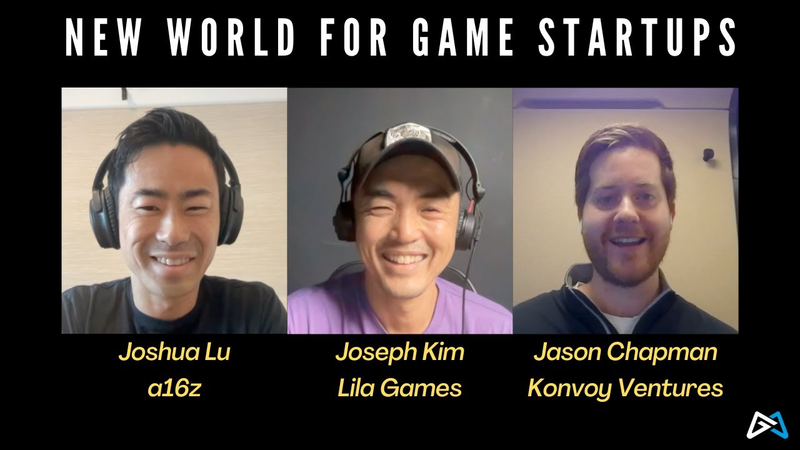
New World for Gaming Startups in 2023 | Jason Chapman, Konvoy Ventures & Josh Lu, a16z
The gaming startup landscape in 2023 is defined by a significant contraction in late-stage financing, with Series B and C deal activity plummeting by 47% and 67% respectively.
- Late-stage gaming financing has contracted significantly, with Series B deal activity dropping by 47% and Series C activity falling by 67%.
- Startup valuations have undergone a major correction of 40% to 55%, forcing founders to prioritize capital efficiency and extend financial runways into 2025.
- Investors are shifting toward a 'flight to quality' strategy, favoring teams with deep expertise and metric-driven product development over speculative ventures.
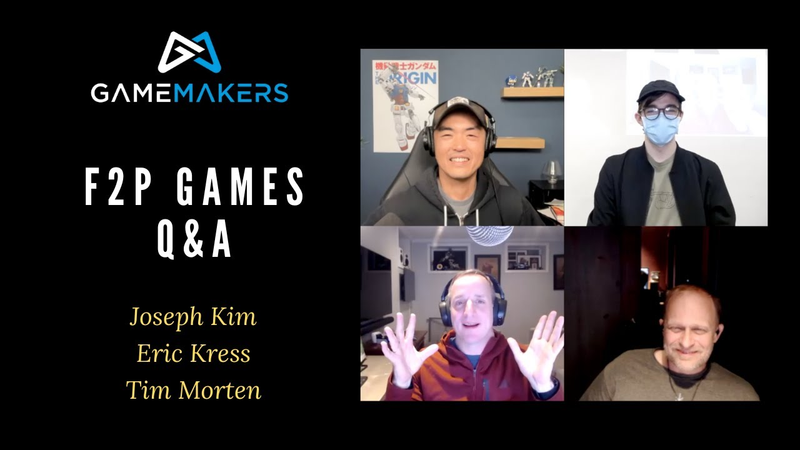
F2P Games Q&A: Future of Games, RTS, Company Culture, and More (Joseph Kim, Eric Kress, Tim Morten)
This discussion features industry experts Joseph Kim, Eric Kress, and Tim Morten addressing business strategies, market trends, and organizational culture within the gaming industry.
- Product development must prioritize solving tangible consumer problems over speculative technology, as emerging platforms like VR, AR, and blockchain currently lack the mass-market utility required for widespread adoption.
- Startups should utilize a single 'North Star' metric at both the organizational and team levels to prevent the inefficiency of multitasking and ensure resources are focused on high-impact growth and retention initiatives.
- Modernizing the RTS genre requires balancing high-skill competitive depth with improved onboarding and social features to increase accessibility and player retention.
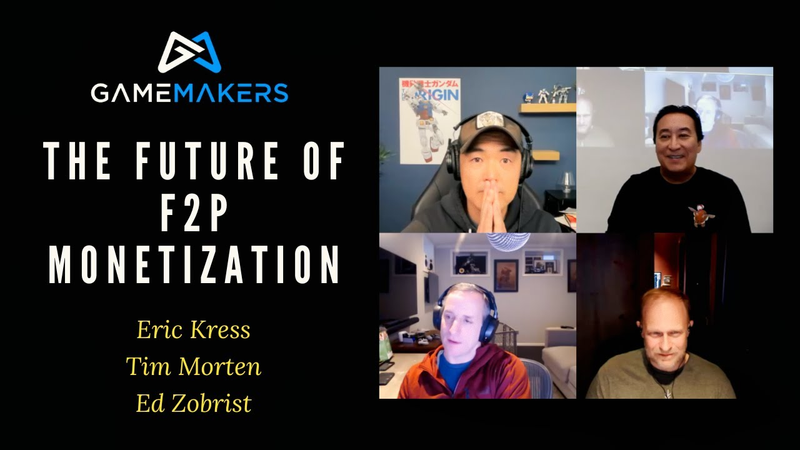
F2P Game Monetization: Good vs. Evil! | Eric Kress, Tim Morten, Ed Zobrist
Free-to-play monetization strategies are currently undergoing a significant transition, moving away from aggressive, predatory mechanics toward models that prioritize player trust and long-term engagement.
- The industry is shifting from predatory, whale-dependent monetization models toward sustainable, engagement-led strategies that prioritize long-term player retention.
- Developers are increasingly adopting cosmetic-driven economies and a la carte content options to avoid pay-to-win mechanics that alienate broader player bases.
- Monetization strategies must account for regional disparities, as Western markets show significantly lower tolerance for pay-to-win elements compared to Asian markets.
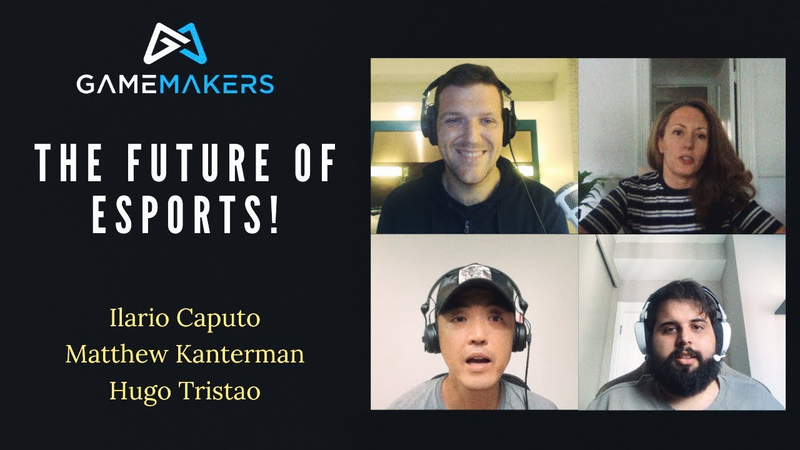
Future of eSports ft. Ilaria Caputo (EA), Hugo Tristao (Newzoo), & Matt Kanterman (Ball Metaverse)
The esports industry is undergoing a period of sustained expansion, with the global audience projected to reach 640 million viewers by 2025.
- The global esports audience is projected to reach 640 million viewers by 2025, with industry revenue expected to grow from $1.4 billion in 2022 to $1.9 billion.
- Publishers should prioritize localized strategies that account for regional hardware preferences, such as the dominance of mobile gaming in Southeast Asia versus PC-centric markets in North America.
- Esports functions as a strategic pillar for game publishers by driving long-term player engagement, user acquisition, and the development of deep-seated emotional fandom.
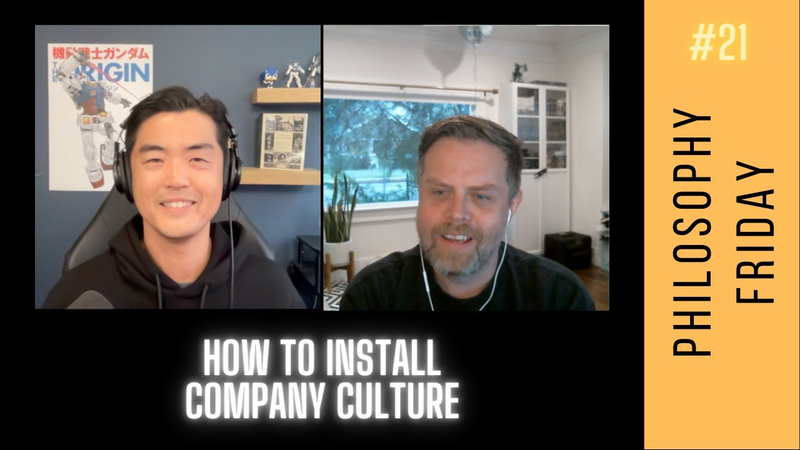
How to Install Company Values & Culture | Philosophy Friday #21
Organizational culture functions most effectively when company values transition from abstract concepts into a tangible operational framework.
- Company values must function as an operational framework for daily decision-making rather than remaining abstract slogans or decorative wall art.
- Leadership is responsible for integrating core principles into office design, internal transparency, and the fundamental processes governing daily work execution.
- Recruitment should prioritize soft skills and collaborative aptitude over technical proficiency, as interpersonal dynamics are harder to cultivate than hard skills.
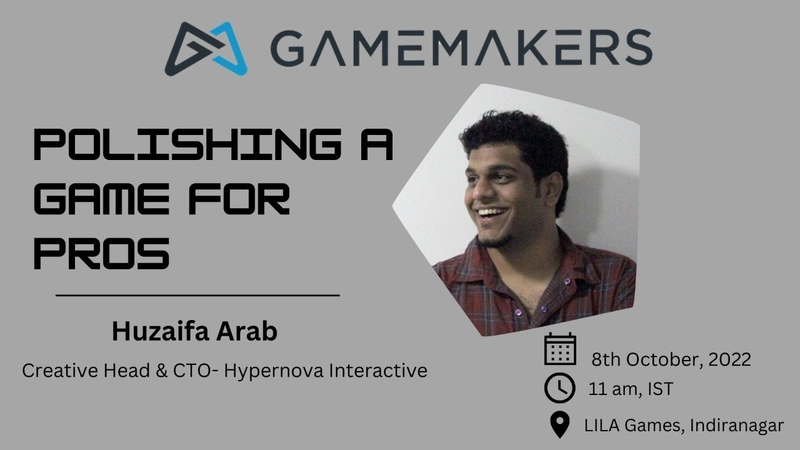
Polishing a Game for Pros- Huzaifa Arab
Polishing a game is a critical design phase that transforms functional prototypes into engaging, professional-grade experiences.
- Integrate polish incrementally throughout the development cycle rather than treating it as a post-production phase to avoid technical debt and increased QA complexity.
- Establish a 'baseline of quality' early in development to ensure consistent sensory satisfaction and visual fidelity across the project.
- Enhance gameplay responsiveness by utilizing advanced easing curves instead of linear motion and adding 'juice' through particle effects and reactive physical elements.
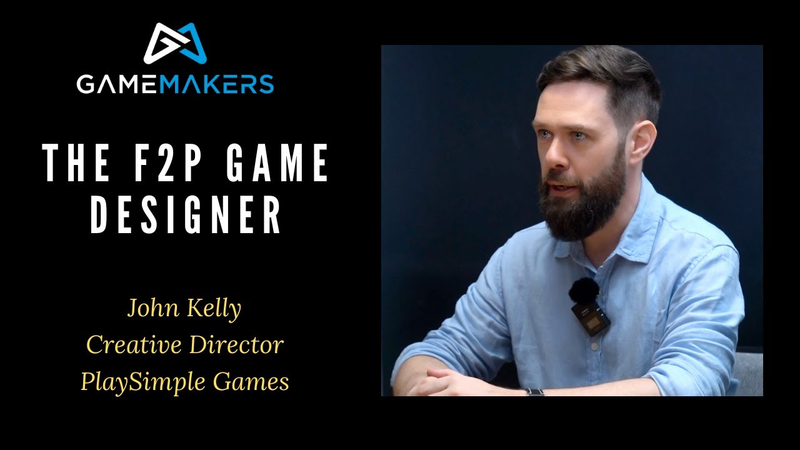
Secrets of the F2P Game Designer
The modern free-to-play gaming landscape has transitioned from a focus on rapid scaling to the development of high-fidelity, cross-platform experiences.
- Modern free-to-play design requires integrating meta-systems directly into core gameplay rather than treating them as secondary features to ensure high-fidelity, cross-platform success.
- Designers must balance creative innovation with the analytical ability to deconstruct existing mechanics, as there is no universal methodology for success in the current market.
- Career advancement in game design requires a transition from generalist roles to specialized expertise, eventually shifting focus toward soft skills like empathy and team management for leadership positions.
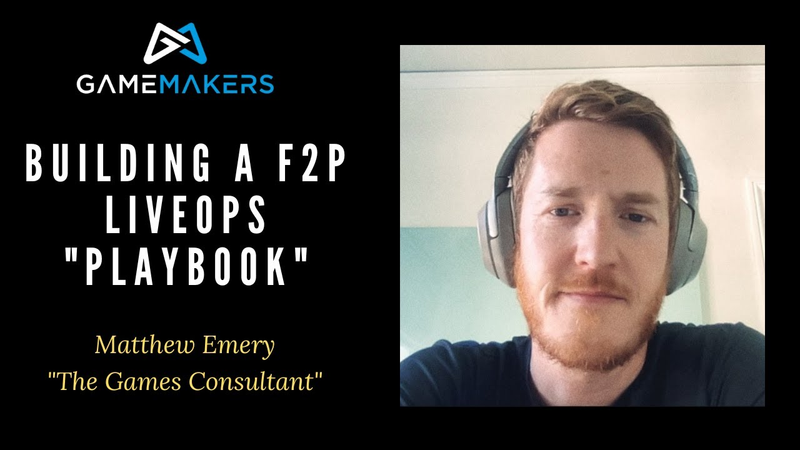
Building a F2P Liveops Playbook | ft. The Games Consultant Matt Emery
Live operations in the free-to-play sector function as a critical mechanism for balancing long-term player engagement with the continuous optimization of key performance indicators.
- Prioritize live operations initiatives based on a strict ROI-first methodology, focusing development resources exclusively on activities that maximize lifetime value (LTV) relative to implementation costs.
- Implement a repeatable operational loop that moves from strategic prioritization to production and rigorous multivariate split testing to ensure continuous KPI optimization.
- Avoid reliance on static industry benchmarks by building internal data vaults and utilizing pattern matching to identify specific opportunities for improvement within your unique player base.