1 free read left. Create a free account for unlimited reading + AI research.
Create free account
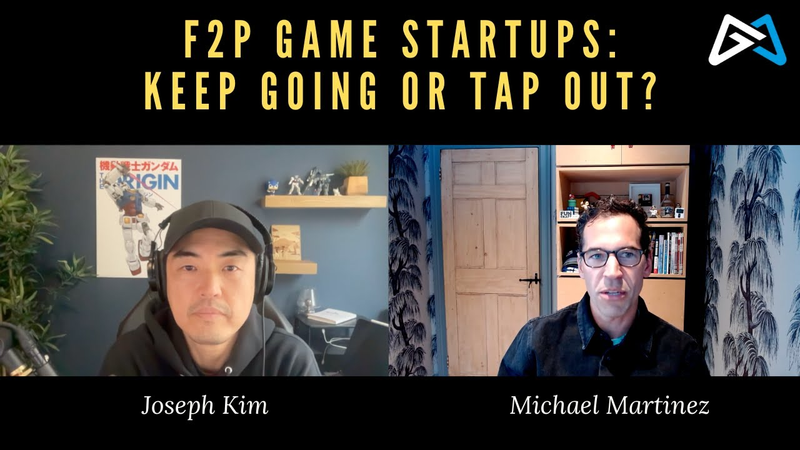
F2P Game Startups: Keep Going or Tap Out? ft. Michael Martinez (CEO of FunCraft)
Key insights
7 takeaways- 01The industry remains viable despite the end of pandemic-driven expansion and the restrictive impact of Apple’s App Tracking Transparency policies.
- 02Success in the current climate requires a multi-dimensional operational model that integrates rigorous data analysis, precise user acquisition, and optimized ad monetization.
- 03The mobile gaming market has shifted from the accessible environment of the early 2010s to a static landscape dominated by evergreen titles, making entry for new startups significantly more difficult.
- 04Startups must abandon high-risk, single-title strategies in favor of agile portfolio management, which involves developing smaller, faster-to-market games to increase the probability of success.
- 05Founders should base decisions to pivot or persist on the strength of their product roadmap and operational sustainability rather than pursuing an all-or-nothing hit.
- 06To overcome rising user acquisition costs and market saturation, companies should avoid hyper-competitive genres and instead target niche markets where innovation can drive breakout performance.
- 07Maintaining a disciplined, performance-oriented culture that prioritizes live-shipping experience and authentic community engagement is essential for long-term stability.
Ask AI about this video
Transcript
what do you think about the current environment I think in one word it's brutal brutal out there right now and it is a roller coaster it's just all over the place um things have um the the overall narrative and the market sentiment has shifted so much over the last nine months it's it's pretty wild and can you like kind of digging into a little bit more depth or trying to unpack some of this the brutal part aspect of environment absolutely is it what do you think because I have also heard you know from a fundraising perspective I know people are having more challenges I think that I have heard from a lot of big companies that they're shifting more budget towards uh existing games that are you know currently operating versus new game development and so from your
perspective what is that what does brutal mean what what are the specific impacts I I think what's so challenging about right now is just how much instability and uncertainty there is in the marketplace right now so I think clearly the biggest thing that we're seeing is continued effects from Apple's ATT policy and that has wreaked a lot of havoc in the industry um we're seeing of course the end of the pandemic bump um so overall the market after over a decade of amazing amazing growth in trunk for the first time so it's getting that much harder to grow and this is at the tail end of what we had a year ago which was this Euphoria in the marketplace with crazy deals all over the place so it's that um it's that it's that much harder now and we and we'll talk about the UA that's harder and finding a foothold in
the market why that's so hard but all of that um was such an about face from what where we were a year ago right and then in terms of like well you know you're currently at funcraft you also start Juice Box games and when you think about this current environment today versus the previous environment is it from again you're saying like user acquisition is more difficult um is as far as if you were to compare how much easier or harder how would you characterize that or how would you Quant or is there a way that you could quantify I would say it's it's a lot harder now for sure I mean I think the market is so sophisticated um and so mature and there are so many big players whereas when I started um Juice Box games back in 2012 um a lot of these other companies that are massive now were just beginning then
so um scopely supercell they were at the beginning of their Journeys and now they're the the the big dogs and mobile um I think as well back then there wasn't this uh stasis in the top grossing charts so when we launched our first game honor bound it's uh within its launch month we got into top 50 grossing games we were top um uh top 33 RPG um at one point and now that's just really not possible um we it's so uh static up at the top these big gaming companies are just working on their on their Evergreen games okay and maybe we could talk more about your specific situation so fun craft could you talk about what what do you do like what kind of game does funcraft develop and what's the current situation
with funcraft yeah totally after two so fun craft we started funcraft three years ago and our um our mission is we want to make daily ritual word games so we're very focused on the word genre it's um an audience that we're um that we are really um we're really happy to serve they are a loyal group of players and there's uh there's tons of games to be made in the play in this space so we think that it's a it's a great space we really clarified this Mission over the last year and it's been super helpful both for the team myself our investors it's it's been really great um so we like I said we started it three years years ago we've got backing from play Ventures a bunch of other great gaming folks Mark Pincus Mike Perdue some others and
um it's been it's been a really good journey so far as much as I've said it's been a brutal it's a brutal time in the industry right now I think we are in the best position that we've ever been in which feels really great um we are um I think the trend for so many companies and and gaming startups at the beginning you are in this desperate race to have a business to have a game and that can support yourself and up until that point it's just a countdown to to death to your your company going under we've gotten past that point thankfully with the game word grams so this is a turn-based crossword game that launched two years ago and maybe um I would say a year and a half ago it really started to turn into a business for us and it has continued to do so it's continued to grow and it's supporting us and now it's just to be on
the other side of that is such a relief and now that now we're in the we're in the growing stage and we're in the stage of okay this is a this is a good solid business with amazing um people amazing team how can we accelerate that growth right and given that the uh well how challenging is that given that the current market is brutal do you think it has to do with um maybe the Market's settling down a little bit further or the kind of macro economic conditions improving like does a recession hurt you guys things like that well I think one of the things that's so trippy and this is what's really changed I think about game development over over the last decade um is how much more pieces um go into the puzzle of game making so it's not only a game which is incredibly Complicated by itself but it's all the
other dimensions of of operating a live service business so you need to have the data analysis you need to be able to interpret that and use that as a team that needs to be a way that the team thinks then you need to have the user acquisition and all of the expertise that goes in there you need to do all the data prediction all of the row as prediction um making decisions relationships with the different ad networks and then you have to make new creatives and that's a whole different engine ad monetization as well that's been something for the word genre it's traditionally a low IAP genre and being able to monetize it with ads has been something that's allowed us to grow so it's really all of these unique strengths and when usually if you start a game company with a few people you may have a really good engineer really good product manager a good artist and you also need a data analyst
um a marketing person all these other components as well so I think building all of that and connecting all of those pieces that's what's so daunting and takes a fair bit of time okay so is your current challenge mainly scaling the business up and you know it's great to hear you kind of gotten to the other side of completing the game and launching but right so I think the main challenge for us is just it's a challenge along all of those Dimensions so what we've seen in the history of our game in this two-year-old game is we have periods of incredible growth followed by a plateau and then once we hit those plateaus we need to change something to be able to grow again and maybe it's a great new feature in the game maybe it's something on the ad monetization side maybe it's a new UA Channel something but that allows
us to grow again the periods where we have grown the quickest and the most is when we have two or preferably all three breakthroughs at the same time so when you're able to do that that allows you to you're allow you recoup faster you're able to spend more um all of all of the dimensions improve so it's really I I wish I could say that there's one challenge but it's really all of those things and just connecting the whole the whole Beast of fun craft together right and before I forget to ask you maybe I can ask you now you mentioned honor bound was a at some point a relatively High performing RPG and now you're in word games can you talk about it because this is a question I get asked a lot is like how do you determine what game to make and for you guys what was that driver to work on word games relative to RPGs where presumably you had more more background
totally so my career and and my co-founder um and CTO Jason mcgurk a career in games we started together in 2009 at Zynga and we were working on seeing the poker so we've worked on a casino game together we worked on FarmVille together we did a ccg together an RPG ccg together um I went to Electro Electronic Arts and led the studio that made Command and Conquer Rivals so I've made a real-time strategy game as well and now I'm making word games I think um a lot of different genres which I I think is a real plus the reason that we chose this specific genre was um and it actually when we started funcraft we knew that we wanted to make smaller um classic gameplay games that we could um that we could uh build deeper meta games around more
live service more social in the style of games like toon blast or like what we saw words people fund doing with wordscapes so he thought that there's these really simple great games that they just dress up with all of this all this other stuff that all these systems that we're quite familiar with from many of the games that we've worked on so it really the idea of smaller games started from that idea of how we wanted to approach the market and then we launched several games and quickly found the most success with wordgrams and as that success occurred that uh uh encouraged us and made it clear to us that we should focus on word games even more got it and maybe to kind of drive back towards this theme around challenges and I think that you in particular have a
interesting background in the sense that you know two startups including funcraft which you're working on now you mentioned you were working at Zynga on poker is a very successful product you are also at EA as a studio GM I believe and so when you think about as a lot of people in this current brutal market and a lot of people are talking about how EA's having a lot of problems in at least on the mobile side and Zynga is starting to find a lot of challenges and what do you think in terms of whether it's as a startup leader or within the big company maybe you could talk about one some of the biggest lessons that you've learned and then what do you think are the specific challenges associated with a startup or a big company like a Zynga or EA in order to try to achieve the success that you know that is required in this kind of brutal Market that you're describing yeah yeah well I think
I mean for the for the bigger companies um I think they need to be leveraging their existing titles that are working well and I think that's something we see them already doing focusing on on their Evergreen franchises in zynga's case um I think the challenge that larger companies always have is launching new titles especially when the bar for a successful title is so high so for a title to be meaningful at a Zinga or at an EA it has to be a pretty big number and when you start marching towards um the the tables the the table Stakes of that big number that that's the minimum it can do to be to be viable that puts a lot of pressure um that I don't think is helpful on the organization to say no to a lot of ideas and to be really confident that an idea
will be that can hit that bar and I think the reality my my experience in this business so far is just it you really need to put a lot of product out there a lot of features and go as fast as you can and learn from consumers rather than your opinion or my opinion um or a lot of other opinions especially people's opinions who aren't actually making the game I think you need to go fast and get stuff out there uh into players hands um I think the the goal is that yourself and myself based on all of our market experience that we are making the bets that uh based on the knowledge that we have of the market but it's still I'm I'm if I hit 30 percent I would be thrilled with that that would be great right and to your point on the lack of innovation or the ability to drive new
games out of a large company I mean we've kind of seen that that was kind of like the big knock on Zynga for a long time until a lot of the growth that Zynga was largely driven by m a Chris Petrovic over that like five year span of just kind of acquiring a bunch of companies right amazing right and with that it's so no longer sort of being the case now that we're out of a zero interest rate kind of environment and just based upon the current market um maybe a couple questions I can ask you is what what do you think it is it specifically to your point that um that the The Challenge and have in creating a hit new game out of a company like a Zynga or a EA because of the big expectations and people are trying to rush is that the issue or do you think there might be other structural or cultural or political reasons why that there's this challenge at a Zynga or an EA right well I think I mean I'm I'm far
away enough from Zynga where I don't know specifically what I'm talking about but I can speak I can speak generally and I know that they the transition that they made which was a part of the reboot was they took game making out of San Francisco okay they Francisco used to be the game making headquarters it is no longer that and it hasn't been that for a long time and um you're absolutely right they just started buying the successful games and that was the path to growth these teams were proven um or even they they um not the teams even their products were proven which is a uh a reflection of the team as well so I think that approach has worked really well for them and it used to work seemed to work more recently for Electronic Arts in the history of Electronic Arts it seems they've made Lee with their Acquisitions though the
recent ones don't seem to have uh born much fruit which is uh a real shame I think for everyone involved and I don't know why that's happened um but it's a pretty dismal record so far right and maybe just thinking about as a startup with fun craft and your previous experience can you what what do you think for for some of the other entrepreneurs and other gaming startups out there what would be some you know uh some potential lessons or uh basically things that you think are especially challenging for mobile gaming startups to be successful in the current environment it yeah like you had mentioned UA but is is yeah what yeah I think too that I probably the the one that I internalized most from Juicebox and we applied
um absolutely to funcraft is um the the desire let me make sure I State this in the right negative way or non-negative way we do not want to bet the company on a single game launch we do not want to bet the company on every each subsequent Game launch and that's what we did at juice box so we went all in on the first game the entire team was working on it and we launched it with barely any money left in the bank the game worked and we got to work on that game for another year and a half and then we worked on a second game and when we launched that game within three days we knew we were going to have to shut the company down I know and that was a uh uh a sobering moment to have everything literally everything um dependent on the game launch and then you see the first day installs and you're like oh my gosh this this is our we're never going to recover okay
um so I think making sure with funcraft that as you build a company you're obviously you're building the team and you're building a lot of expertise along the way and it's such a shame to throw that away especially if you believe and we believe that not every game concept will work so you want to set yourselves up to have multiple attempts um and to keep making games so we really structured the game approach um and the type of games that we're going after one thing that's really nice about these small casual games is frankly that they're quicker to build they're not these your plus 30 person Dev teams we can get a game concept out pretty quickly um and we that was another reason that we went on went after this genre okay and these types of games when you say like don't bet the company on one game I think the the kind of the flip side to that that I'm not a big fan of but you know just working in India so many
Indian gaming companies are are basically kind of kind of the philosophy is we don't know what's going to hit so we're going to work on five games or 10 games and in one case there was a small team working on 20 games and I was just like what are you guys doing um so like but from your perspective when you say don't bet the farm on the one game do you mean that in a Serial context where you have you you have the whole teamwork on one game and then another or would you actually recommend starts work on multiple games simultaneously well I think it's what the team's capable of and so we are supporting word grams and we have other team members that are working on a new game concept right now and we're probably going to spin off another engineer to start working on another game again I think because our games are relatively straightforward and we have such Senior People we're able to do that in a way that doesn't take the entire it's not
hugely distracting um I've I had feedback from investors when I was first pitching this company um Gigi of nfx was like what do you he exactly your what you just said he said what do you mean you're working on multiple games you need to have a hundred people on this game that's what happens at playtika and um you need to and you need to grind the game out and I said I just said thank you that's good feedback but also it's like we don't have 100 people we can't grind the game with 100 people we don't have that um and I think there's there's always such a challenge always in games too when do you switch from a game when do you know a game is a loser or not or when can you or the other when do you know a game is not a winner maybe we have abandoned some of
our games too early and had we kept working on them maybe they could be a monster game clearly I don't I don't think that's the case but that's that's possible and actually I think that's a interesting question right and and this is and this is a situation which I think so many game companies face which is you know do you keep going or do you you know Tap Out do you quit and there are for every you know kind of success story there's a bunch of other stories which didn't work out but I think one in particular is golf Clash right I mean that was a game where everybody did not think it was that great um so many companies passed on acquiring the company in in the game because the initial metrics didn't look great but all it really needed was a little bit more time in UA really um so in that case it worked out there are other situations where you know there have been companies that have been down to like you know um one week of
cash or one day of cash and then just some lucky break hits and then they make it but uh and for all of those stories there's a bunch where it's like okay we should have pivoted but we stayed working on the same game how do you think about that Michael in terms of keep going you know or just pivot away or ha what what is your mental model on that right yeah I I think it's it's been different times in my career where I've had to make that choice and maybe I'll talk I'll speak it about it in that way and three three different instances so when Juice Box ended and we ran out of money and we our second game didn't work I was I didn't know what to do next because I thought the game that we made would work and it was a struggle to make it and then it didn't work and because it didn't work and like I don't know had
we been given another three million dollars to keep that company going I don't know I don't think we would have ended up in a better place because I was or not just me but I think we were um we we weren't equipped to tackle the marketplace similarly at EA after the launch of Command and Conquer Rivals for me personally after launching that game um getting it through a lot of the the dev cycle and a lot of the the the gates and the checks process to It's tricky to Shepherd a game through that process that doesn't necessarily make the game better or more likely to succeed and then the game doesn't do well then the question is wait a minute do I really want to do that again with even less
um with less trust and more gates people are going to say oh my goodness we're gonna we have to check we have to help this team more we have to help Michael out even more because it didn't work the first time and I can't imagine what that process would have been like I don't think we would have shipped another game I would have shipped another game and I I want to ship games I want to make games I want to work on live games um so for me I didn't see a path to building games and building successful games there um and I saw this other opportunity to make smaller beams that could succeed and grow into really really big businesses um and that's what funcraft was and and what phonecraft has become right now why I see why I'm so excited about the position that we're in is because we have so many ideas to make it's not like what do we do next we have a road map of
game ideas and strategic directions to go into that all build on the learnings that we have right now where it's just like oh my we we need we need more resources we should be going even faster how can we go even faster to to accelerate this so I think for me that question is really about it's a personal question it's a personal decision but if you if you can have conviction in your roadmap and you're excited about going to work the next day or you're thinking about it the night before in a positive way not in dread then then you're in a good position and you should keep going yeah that that sounds like a good way to think about it so ultimately it's like do you have faith in the road map and the plan uh if you do have a lot of good ideas that could potentially turn the game around and if you do then great um and if you don't then maybe you should let it go and um you know I think the funny thing too is like sometimes just staying in the
game you know and that's for for some for some companies and for some people that's enough right like there were I know a number of companies who were about to go out of business and then covet hit and while kovid for a lot of people was bad for these guys it just drove up their revenue and then all of a sudden they went from not being profitable to suddenly being profitable um and I would even you know my assumption is like you know even some of the bigger companies like escopoly was definitely been been very significantly from from covid uh but yeah I I think like um yeah well anyway I I do think there there is some aspect exactly what you're saying and just right I hear you too just the Staying Alive is really valuable it's like a certain obvious thing to say not dying is worthwhile um and it allows you to live another day
but I think I mean obviously you you don't want to just be limping along or be a zombie I think there's you have to believe that there's that there's something ahead of you um and and fortunately we're in that position and I I think it another question I'd love to ask you just you know a real question for you as an operator and a leader at your company and you mentioned that you're now at a point where you've kind of launched this game it's doing relatively well but you know there's issues that that we're facing where you are in a brutal environment and maybe scaling is a little more challenging now than it was before and who knows what the future holds and as you think about you know staying in the game to see if you can scale it up I mean I I don't know the exact part of metrics or your Current financial situation but how do you think about your current business in terms of the challenging environment that we're in your ability to potentially you know
just kind of keep going or do you have the ability to scale things up more how are you thinking about your current business business and challenges yeah right well I think we're um we're in a a really good position we've got uh we raised around a year and a half ago and good timing that cash is sitting there thank you it's um it's it's funny when you race around and then you read all the the articles about other teams that raise rounds and obviously you compare yourself and um maybe sometimes unfavorably but that's that's the world of that we live in without with all these comparisons but now we're so we're so pleased to have the funding that we have and that it's been really stable over the last year um so we're not dipping into that cash um and that puts us in a great position of strength um which is great what we also see is that where we are at um starting since
December we've been starting to grow the business again to some of our highest levels yet and we see continued growth so for us it's a matter of okay we're in a really great place we have all of the infrastructure that we built last year is really benefiting us right now um and we see not only with this title but future titles um that are going to be uh that we'll be testing soon so when we companies have reached out and do reach out to us and I think the question is always when we're talking to these people it's okay what is what does the fit look like the two big question is is there a fit and can these companies help us get to where we want to go uh more quickly and if they can and they believe in our strategic vision and want us to keep doing what we're doing then we talk more and that and that's
interesting but I I think it's real it's it's early for us um and we've we've got a lot of growth ahead so I think it's I mean the lesson is we need to if we're doing well and we're we need to make ourselves as interesting as possible for any of these companies and I think the more interesting we are the more fun it is going to be to operate the company as well so I know there's sometimes when I talk to these the Corp Dev teams they talk about other companies that they're trying to buy and they say that these guys are so happy they're spitting off so much cash that they have no desire to be purchased because it's such a great business for them our goal is to become one of those okay and Michael just for to clarify for our audience when you say that these companies are reaching out I assume it's for an m a scenario where they're they're thinking about acquiring your company um exactly along along that line of
thought I I thought I think the more the interesting thing in the current environment is that you know how so one of the things you said you're thinking about is you know what are the synergies can they help you grow and and things of that nature but I think the other thing that's happened is because of the public markets and the current economic situation valuations have come down I know some of the bigger groups I I talked to some folks who are at some of the the bigger kind of um you know uh companies that are acquiring companies and aggregated yeah they they talk about how they do speak to a number of companies but you know they want to acquire those companies much lower valuations than from a year ago does that factor into your mind are you are you like ah bummer I you know if if we would have done this a year ago we could have gotten a much higher valuation or are you really like what goes through your mind and what do you think about just for other people in the games industry you may also be considering you know that kind of a scenario yeah I mean I I
certainly think that the value like there's a huge discrepancy between public valuations and private valuations right now and the multiples that the public companies is so much lower so what they're willing to pay is not in line with what um VCS may be telling a company that they're worth but it turns out a company is only worth what somebody's willing to buy it for right but it's a lot easier to say oh you're worth a hundred million really okay someone who's gonna pay a hundred million so I think the um I think in in situations like that then that's a discussion and and a conversation where you have to think okay where are we if someone's making a credible offer um it's you have to think do we can we grow are we confident that we can grow more than that um and do we think the markets are going to improve I I certainly do
um I think we're going to see apple start to give some tools back um but we'll we'll we'll see if that happens and maybe just thinking about you know we had talked about the current brutal Market but for the future and when you think about free to free to play mobile gaming opportunities if you're if you're to think about giving advice to new entrepreneurs trying to make it in Mobile or gaming what advice would you give them or what are your current thoughts about new people trying to jump in right now yeah well I think there's I mean there's different types of new people if you're fresh to the industry and you want to get in I think it makes sense what I'm so thankful for my career at Zynga was just how fast-paced that environment was and how much we were able to do and how much responsibility and freedom and decision making they gave to really young fresh people in the industry it was like the most incredible compressed
learning experience that I could have imagined I don't know where those types of companies exist what they might be um but I encourage someone to try and find those so try and find a team that is is shipping to players um I think that's really important to have a live game experience um then if you were thinking about starting a company I think the the question is um really getting as much conviction as you can into your game idea of how it can break through and how it how users will become aware of it I think over the course of my career I um have learned and come to appreciate so much more about user acquisition and marketing of how obviously integral that is to A Game's success how do you break through the noise when there are so many
incredible incredible titles and themes out there and so many are free to play so I mean if I would never start a uh a battle royale shooter if I were a a 10 person team right now it doesn't you're not going to be able to compete with what's out in the marketplace so I think it's um there's there's red oceans everywhere so how do you find the the blue one or a pink ocean right and do you have any thoughts like so you mentioned the user acquisition or marketing aspect and at the top of our conversation you had mentioned that has become a lot more challenging can you go into a little bit more depth in terms of where you think that is today and how that plays out yeah so I think it's I mean I the challenge that we've seen um and a lot of our peers have seen is just user acquisition is becoming um it's it's always the relationship
between CPI and LTV and we're seeing cpis continue to go up and the row as does not follow so the LTV is not going up as well so you're not buying more qualified users um they are just more expensive which means they have to stay longer and at a certain point user acquisition can just become unprofitable and stop making sense for companies or for games so I think that it's whether um it's iOS not being or iOS removing the ability to Target users that's certainly part of it but we just can't find good users and it's just creating pressure everywhere on the user acquisition piece I think there's a connection to hyper casual where it's like how much was that really part of the ecosystem and part of this circular system going on I don't really know the reasons to be honest all I know is it's gotten harder and
um what we have had to do is work that much harder on the game side to improve our metrics to be able to grow or keep trying new channels things have as I've said we've seen them start to improve again over the last three months we've also made some game improvements but we're excited about what we're seeing and think there's going to be um we think there's going to be some growth I've I've talked to some apple people and one of them was saying that they didn't even he was new to Apple and he was saying how he was surprised when he brought up the Havoc that these changes were wreaking and everyone was surprised and unaware of it was that how he told me the story and when he explained to them how bad it was and used some harsh language it was um they they all turned on him very quickly and was it was like a protect Apple at
all of us mentality we're doing what's best for apple and never how could this matter to anyone else so I don't know if they realize the implications that they have um maybe they do um but I we did see Services revenue from Apple decline last quarter and I think that's certainly driven by games and so many of the other advertising businesses so maybe they'll um in their own interest which is I think the only way that it will help us and they're only if they see it in their own interest to grow the pie again um will they will they give us back the tools and maybe like another question I can ask you then is as you as we're if we're kind of focused on future opportunities I know there's been a lot of stuff that's been happening in the market in terms of like whether it's web 3 and now potential decline of web 3 there's been Publishers that have tried to come on and have not been very
successful maybe they'll make another comeback um in terms of like just the future Trends or opportunities that people should be aware of what are some of the things that you think that you know entrepreneurs or new mobile gaming startups should be aware of or should be watching yeah yeah I mean I I think it's um I don't have a great answer that to that or and I don't have a trick for that other than the the hard work and the hard craft that it requires I do think that there are really amazing game makers out there that can make new types of games and those can and do be rewarded so when a game like Marvel snap comes along and does so well that's awesome to see that's like that's I I think it's great as a as a gamer um for the business it's great to see a fresh idea come along um I wish it were not with Marvel IP it
would be even better if it were a fresh I'd be but more power to them they used it amazingly so I think those stories still can happen but they also set up a lot of their um they had a lot going for them and they set it up like all the credit to them um I think that's the path to success of being able to to break out through that in in that way I think we're continuing to see just the power of community and I that was something that was initially um one of the more compelling things about web3 this idea of community community and advocacy um so I think that's always um that that's going to be a continued way to to generate an audience for a game it just needs to be done in a really authentic way okay and maybe as a final question uh I I can ask you about so we've already talked about like the current environment for for mobile gaming but
maybe in terms of like any final thoughts on the state of the market perceptions of it and your general Outlook I mean are you more optimistic or pessimistic or how are you thinking about it well I think I mean I am I am optimistic for the industry I'm optimistic for players I'm optimistic for fun craft I think it is harder than ever for new entrants to come along I think this is um we are at uh uh Peak uh the peak of this not not peak in terms of growth but consolidation is clearly happening there are monster games right now I think it's a really daunting time to bring something um from scratch to build something from the ground up right now um but I think for great teams there's there's always opportunity all right great well Michael
that was all of my questions um and so maybe we could end with dislike if anyone has any follow-up or questions how can people reach you and do you do you have any final words of advice or recommendations for the audience yeah um please reach out on LinkedIn I'm happy to respond there and I think the my my biggest recommendation is just to to go go do it if you have an idea or if you if you want to put something out there take steps to make that happen um and just go out there and and see what players think awesome well Michael thank you so much for your time and for our audience we'll catch you next time thanks Michael [Music]
thank you [Music]
Summary
The mobile gaming industry has transitioned into a period of extreme volatility, characterized by the end of pandemic-driven expansion and the restrictive impact of Apple’s App Tracking Transparency policies. This shift has solidified the dominance of evergreen titles, creating a static top-grossing landscape that presents significant barriers to entry for new startups. Unlike the more accessible market conditions of the early 2010s, modern success requires a sophisticated, multi-dimensional operational model that seamlessly integrates rigorous data analysis, precise user acquisition, and optimized ad monetization.
To navigate these challenges, startups must abandon high-risk, single-title strategies in favor of agile portfolio management. By developing smaller, faster-to-market games, companies can generate multiple opportunities for success while fostering institutional expertise through the retention of senior talent. This approach prioritizes rapid consumer feedback and iterative development over the pursuit of a singular, all-or-nothing hit. Founders are encouraged to base decisions regarding whether to pivot or persist on the strength of their product roadmap and the sustainability of their operations rather than mere survival.
Despite rising user acquisition costs and a widening gap between private and public market valuations, the industry remains viable for those who prioritize live-shipping experience and authentic community engagement. Success in this climate depends on avoiding saturated, hyper-competitive genres and instead focusing on niche markets where innovation can still drive breakout performance. Ultimately, the path to growth lies in maintaining a disciplined, performance-oriented culture that values long-term stability and high-quality product execution over speculative expansion.