
European Conference on Games Based Learning (ECGBL)
Annual European conference on game-based learning and serious games; its proceedings are published open access (CC BY) by Academic Conferences International.
Documents
Gamification in Volunteer Feedback: Do Digital Rewards Really Work?
A controlled experiment examined whether digital achievement badges improve engagement and response quality in online surveys completed by volunteers of Swedish non-profit organizations, asking if such gamification affects response behavior and survey experience in a population driven largely by intrinsic motivation.
- Digital achievement badges produced no statistically significant difference in survey completion: 76% for the gamified group versus 68% for the control group (Fisher's Exact Test, p = 0.565).
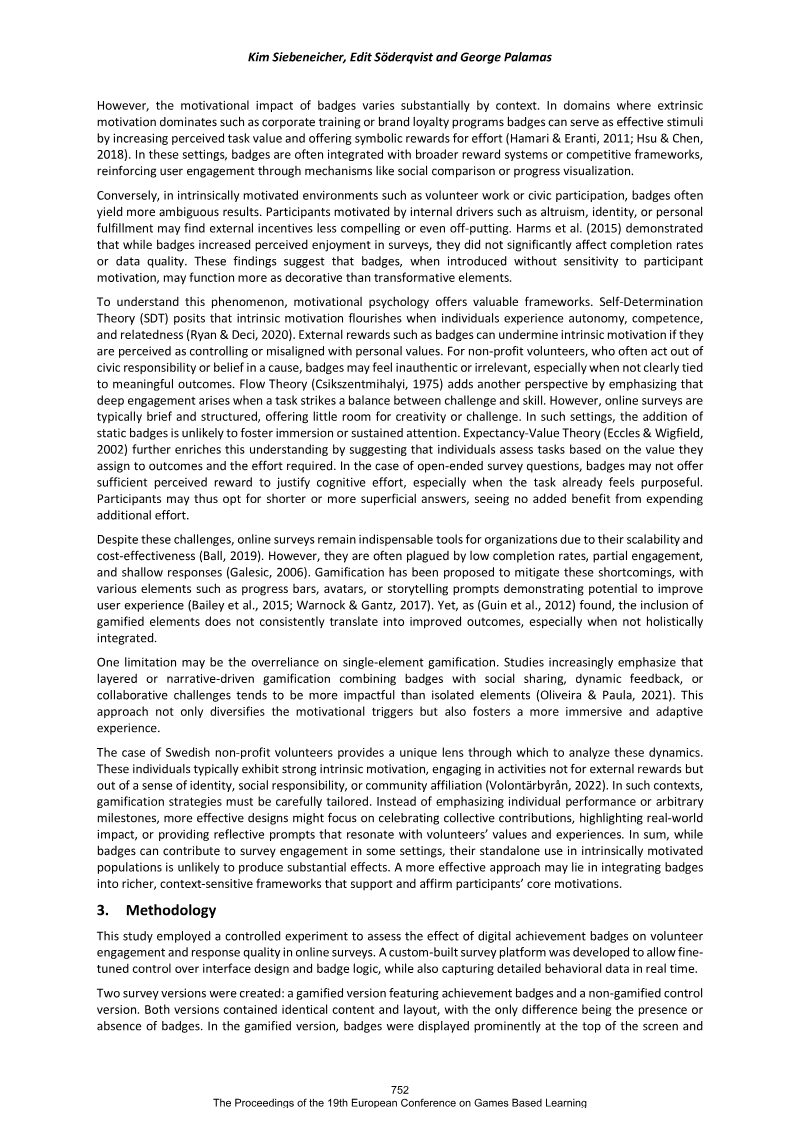
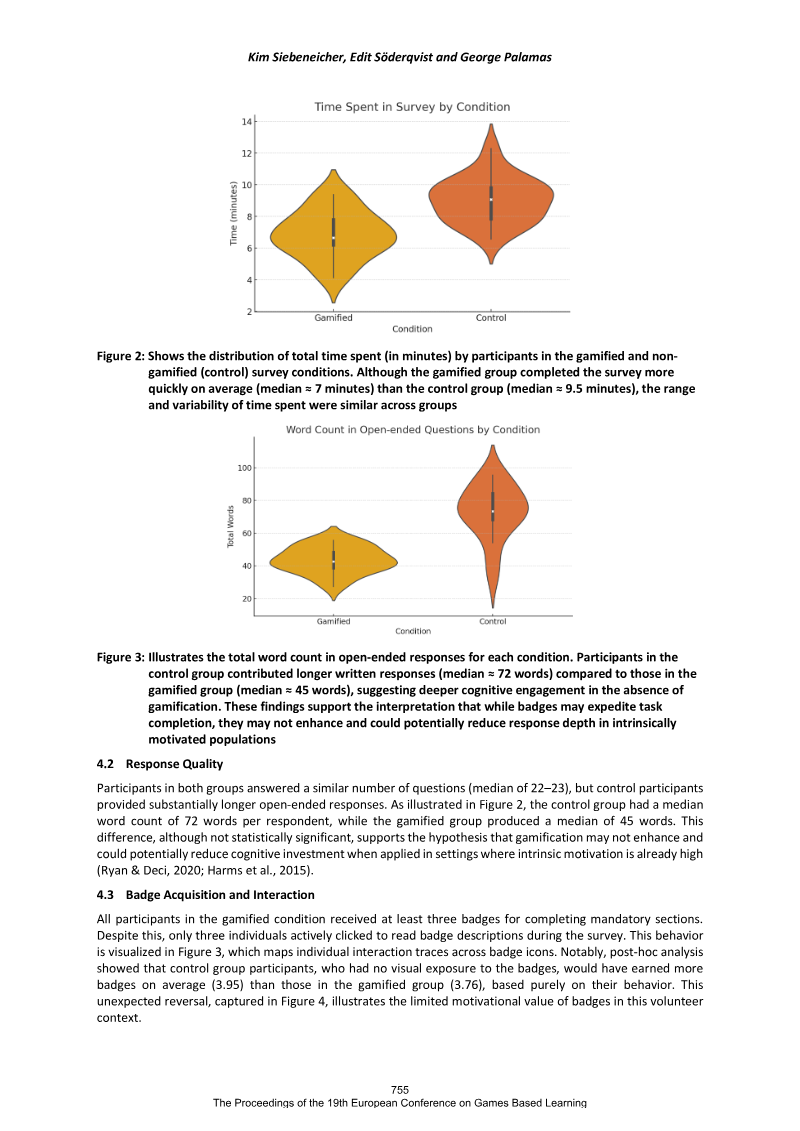
- Gamified surveys were completed faster, with a median of about 7 minutes versus 9.5 minutes for the control, but open-ended responses were shorter, with a median of 45 words versus 72 words.
- Badge engagement was minimal: only three gamified respondents clicked to read badge explanations, and a post-hoc analysis suggested control participants would have earned slightly more badges based on their behavior.
Investigating Pupils' Motivation with a Reward-Driven Feature in a Game-Based Learning Environment
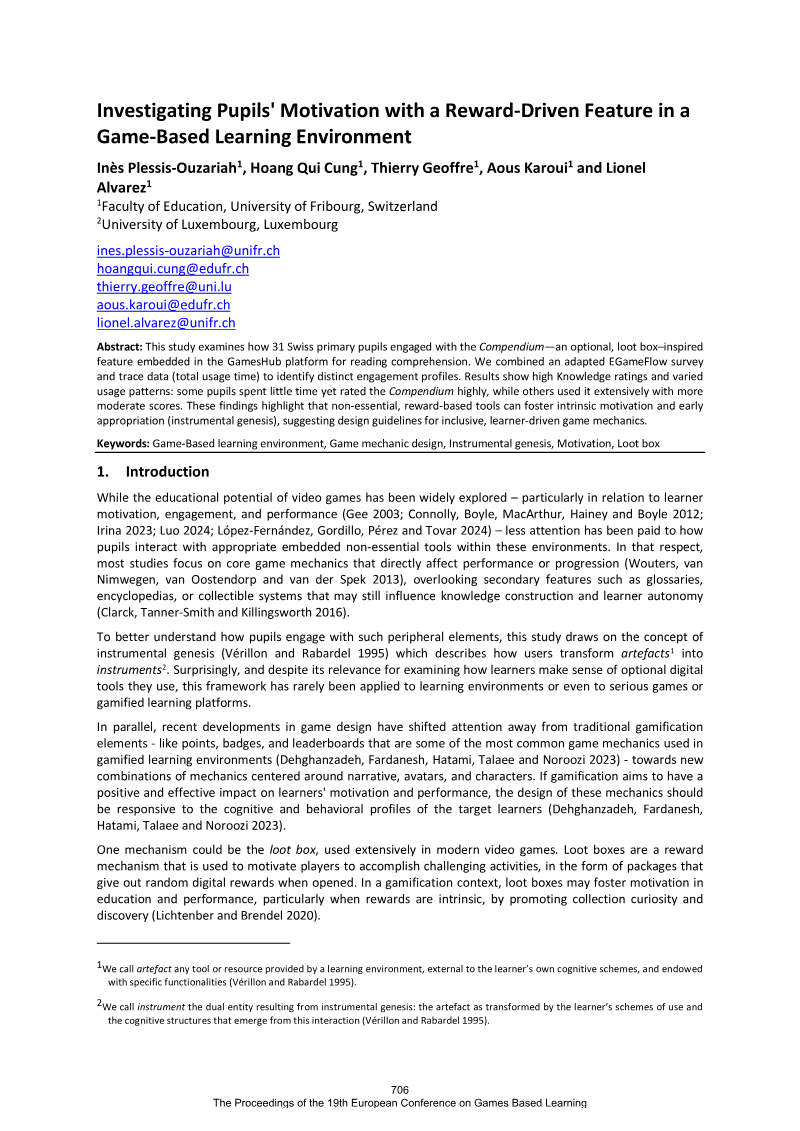
A study of 31 Swiss primary pupils examined the Compendium, an optional loot box-inspired reward feature within GamesHub, a reading-comprehension platform, to determine whether a non-essential reward tool could evolve into a genuine learning instrument.
- A study of 31 Swiss primary pupils over ten weeks in two classrooms examined the Compendium, an optional loot box-inspired reward feature in the GamesHub reading-comprehension platform, to test whether a non-essential reward tool could become a genuine learning instrument.
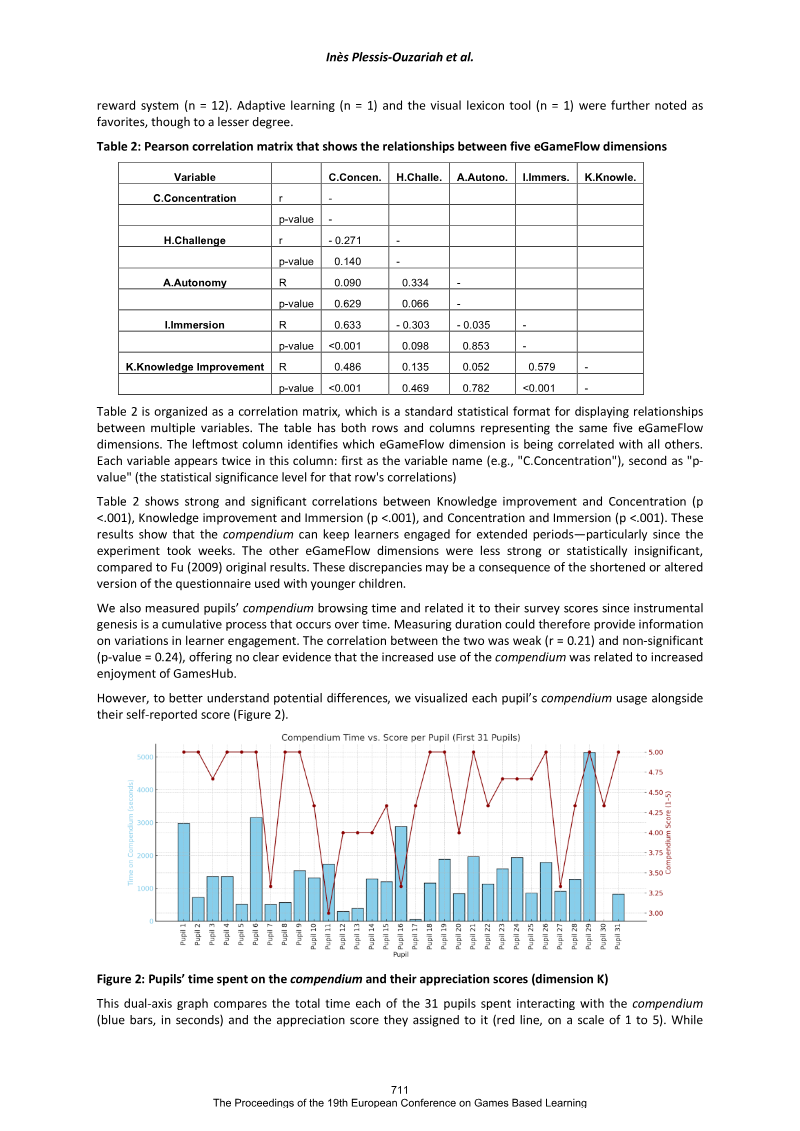
- Ratings were positive across all five flow dimensions, with Knowledge Improvement scoring highest (M = 4.47, SD = 0.60), followed by Autonomy (4.32), Challenge (4.26), and Concentration (4.14), while Immersion was lowest and most variable (M = 3.70, SD = 1.09).
- Knowledge Improvement correlated significantly with both Concentration (r = 0.486, p < .001) and Immersion (r = 0.579, p < .001), suggesting pupils who perceived learning gains also reported deeper focus and absorption.
From Perception to Participation: A Case Study of Gamified Learning in Engineering Education
This study investigates how gamified learning relates to motivation, perceived learning, teamwork, and flow among first- and third-semester engineering students at a private university in Mexico during 2024.
- Across 167 engineering students at a private Mexican university in 2024, gamified learning received high average ratings: motivation 4.59, perceived learning 4.27, teamwork 4.32, and flow 3.96 on a five-point scale, with 94% participation.
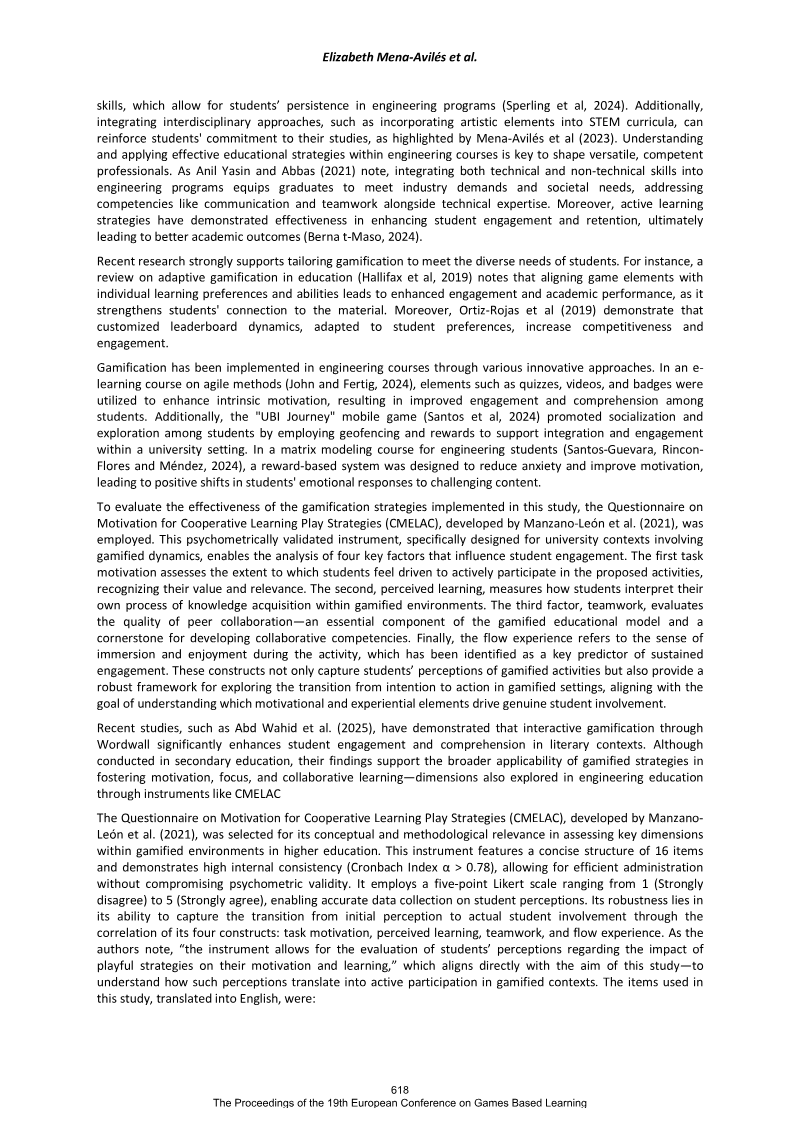
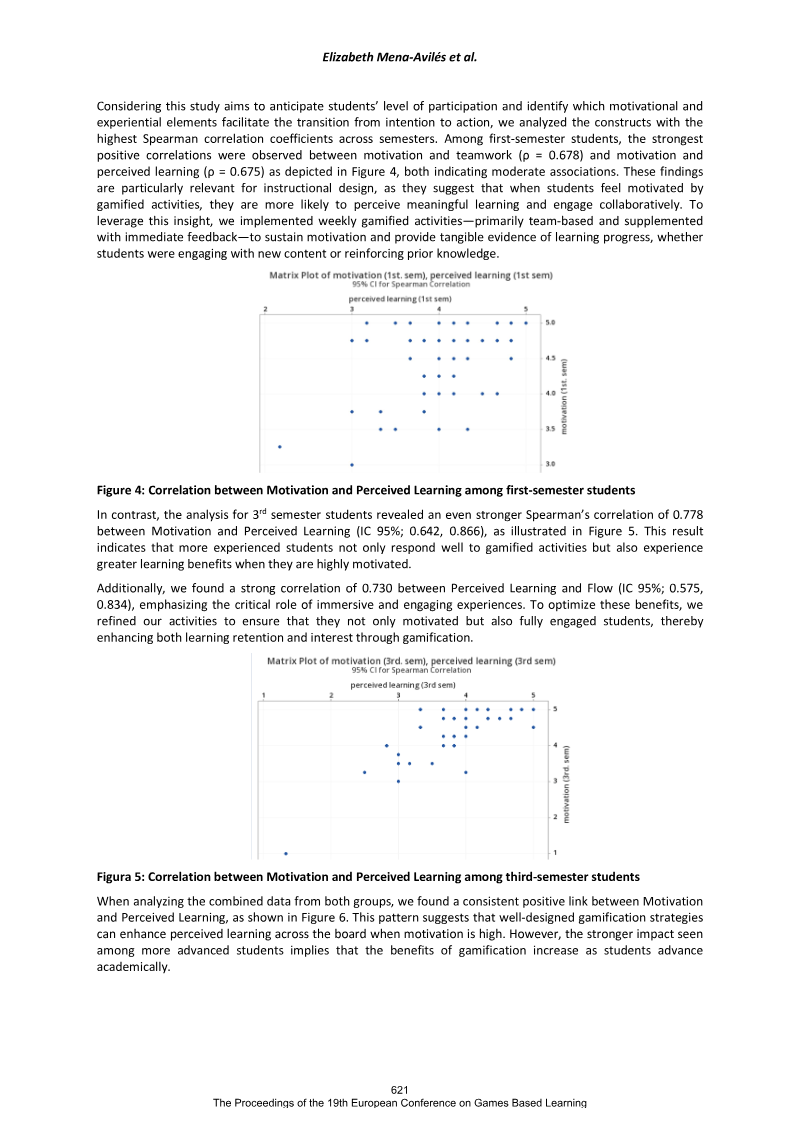
- Motivation was positively correlated with perceived learning and teamwork among first-semester students (ρ = 0.675 and 0.678), and these associations were stronger among third-semester students, reaching ρ = 0.778 for motivation and perceived learning.
- Third-semester students showed a notably strong link between perceived learning and flow (ρ = 0.730), suggesting that familiarity with gamification may coincide with greater responsiveness, though the authors state causality is not established.
Quest: Journey Through the Lifespan: Gamified Learning for Engagement, Empathy, and Real-World Application
Rebecca Howell's study examines how Quest: Journey Through the Lifespan, an interactive simulation from McGraw-Hill Education, affects engagement, conceptual understanding, and social-emotional learning in a developmental psychology course at a community college in Winston-Salem, North Carolina.
- A single-course mixed-methods study of 42 community-college undergraduates (ages 18 to 42) found that 88% reported increased engagement, 89% said Quest strengthened their grasp of course concepts, and 92% recognized its relevance to everyday life after an eight-week term in Spring and Summer 2025.
- Quest: Journey Through the Lifespan, a McGraw-Hill Education interactive simulation, has students make narrative choices grounded in psychological theory across lifespan stages from infancy through late adulthood.
- Thematic analysis of student reflections surfaced recurring themes: embodied perspective-taking, everyday application of developmental concepts, empathy-driven ethical decision-making, reflection on gender and cultural identity, and practical thinking about supporting older adults.
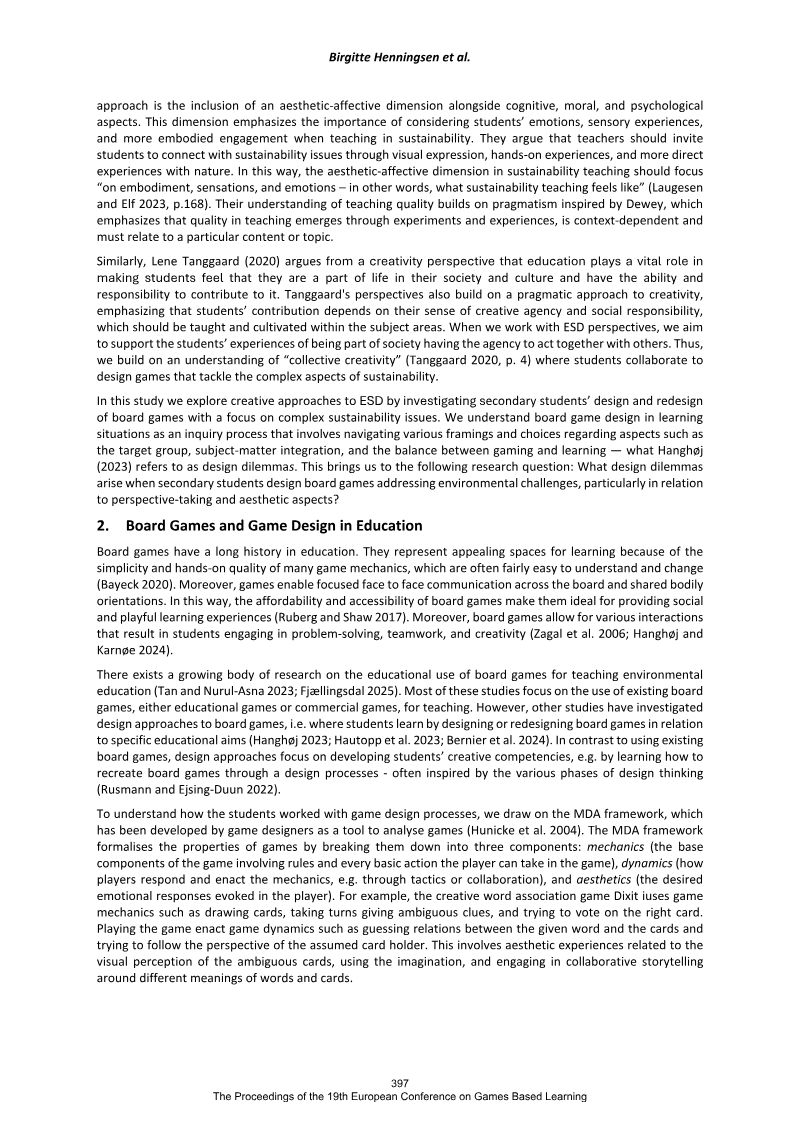
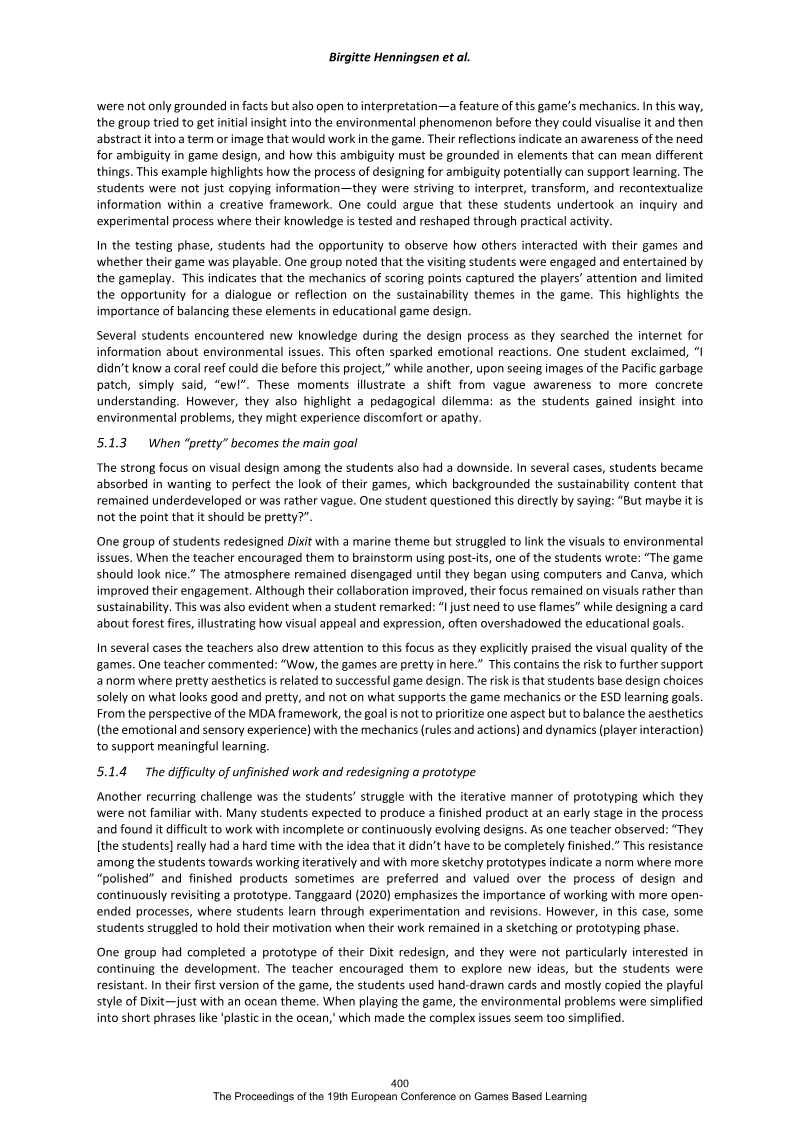
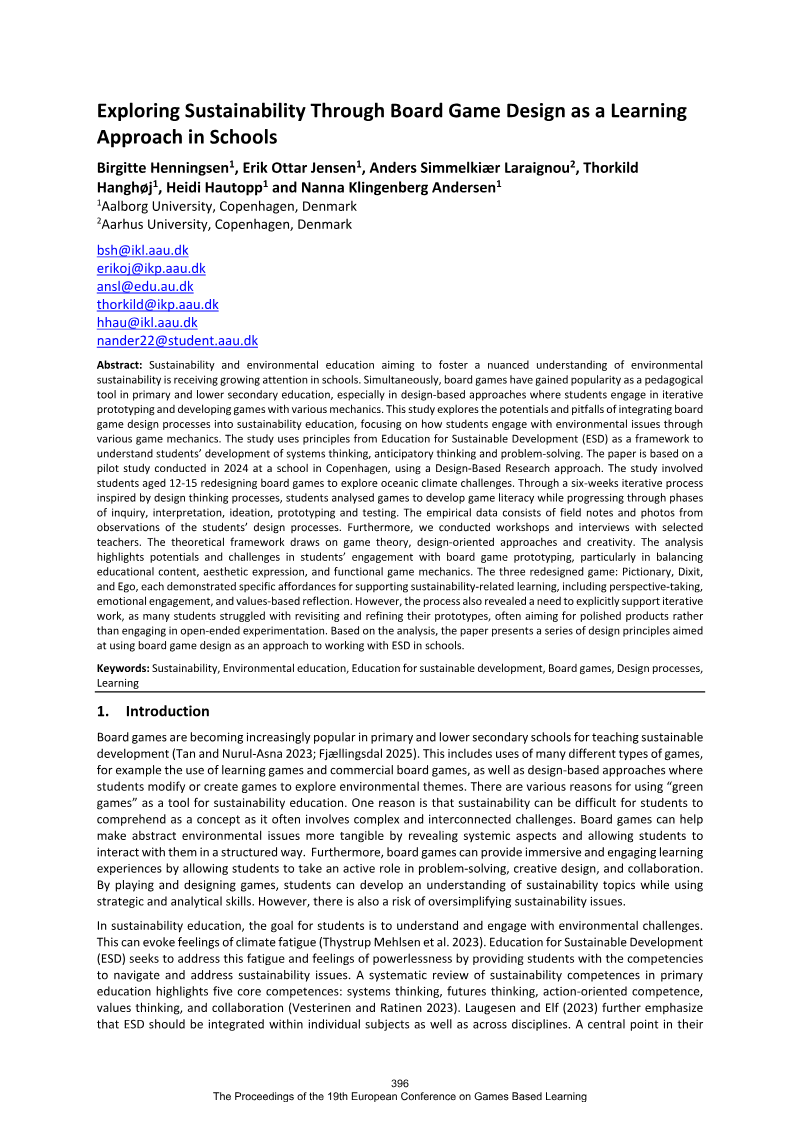
Exploring Sustainability Through Board Game Design as a Learning Approach in Schools
This pilot study, conducted in 2024 in Copenhagen with roughly 30 students aged 12 to 15, investigates whether redesigning board games can serve as an effective approach to education for sustainable development.
- A 2024 pilot study in Copenhagen with roughly 30 students aged 12 to 15 used design-based research to test whether redesigning existing board games (Pictionary, Dixit, Ego) to address oceanic climate challenges can serve as an education-for-sustainable-development approach.
- Aesthetic and visual design served as a strong motivational entry point that drew students into deep hands-on creative work, but it often overshadowed the intended sustainability content.
- Students tended to pursue polished end products rather than the open-ended experimentation that iterative prototyping requires.
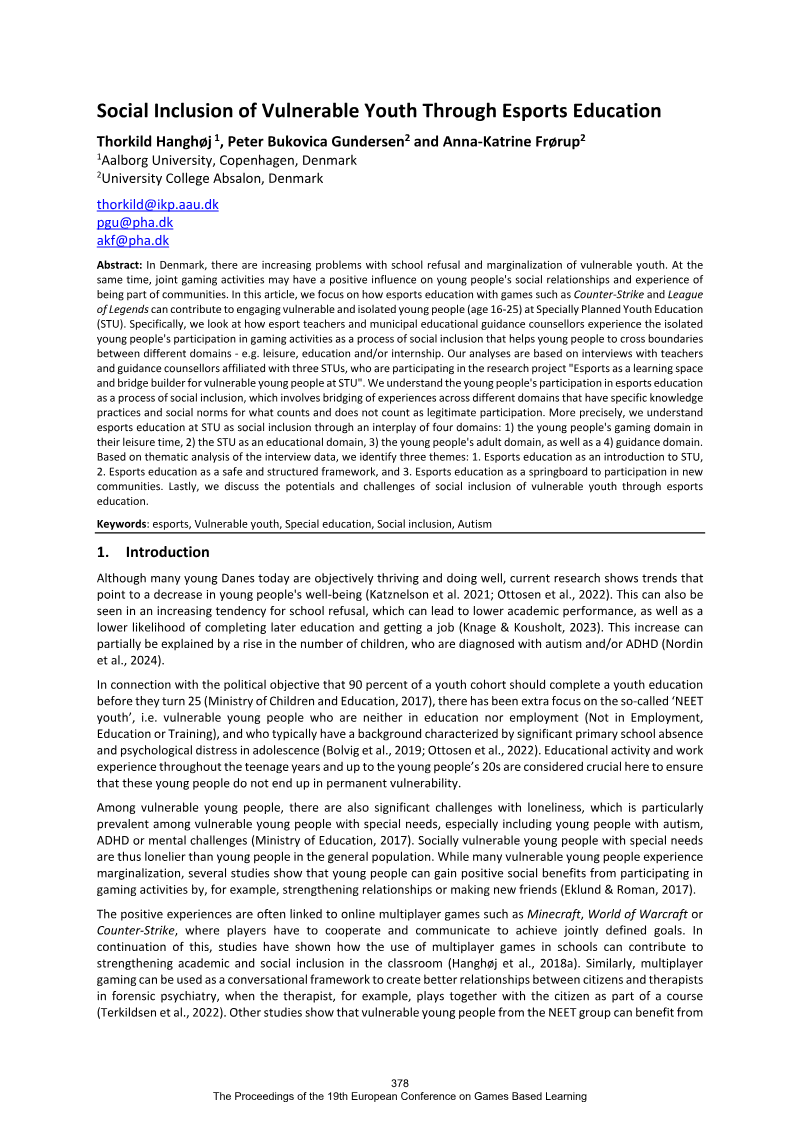
Social Inclusion of Vulnerable Youth Through Esports Education
This study examines how esports education functions within Denmark's Specially Planned Youth Education (STU) programs, which serve vulnerable 16–25-year-olds, many of whom have autism or ADHD and experience school refusal and social isolation.
- Esports education in Denmark's Specially Planned Youth Education (STU) programs, which serve vulnerable 16–25-year-olds, is framed by the authors as a route to social inclusion, using gaming as an entry point that draws isolated young people into formal education.
- Teachers and counsellors across three STU sites report that esports education increases students' willingness to attend, strengthens community belonging and communication skills, and acts as a "springboard" to other STU activities.
- Many of the students described are young people with autism or ADHD who experience school refusal and social isolation.
Level-Up Tutor-Qualification: A Digital Escape Room for Game-Based Learning in Higher Education
This paper presents the development and formative evaluation of an early-stage prototype of a digital escape room designed to train student tutors at TUD Dresden University of Technology.
- A prototype digital escape room for training student tutors at TUD Dresden University of Technology was built in Unity and Spatial.io, with its stated focus on usability and motivation rather than measurable learning gains.
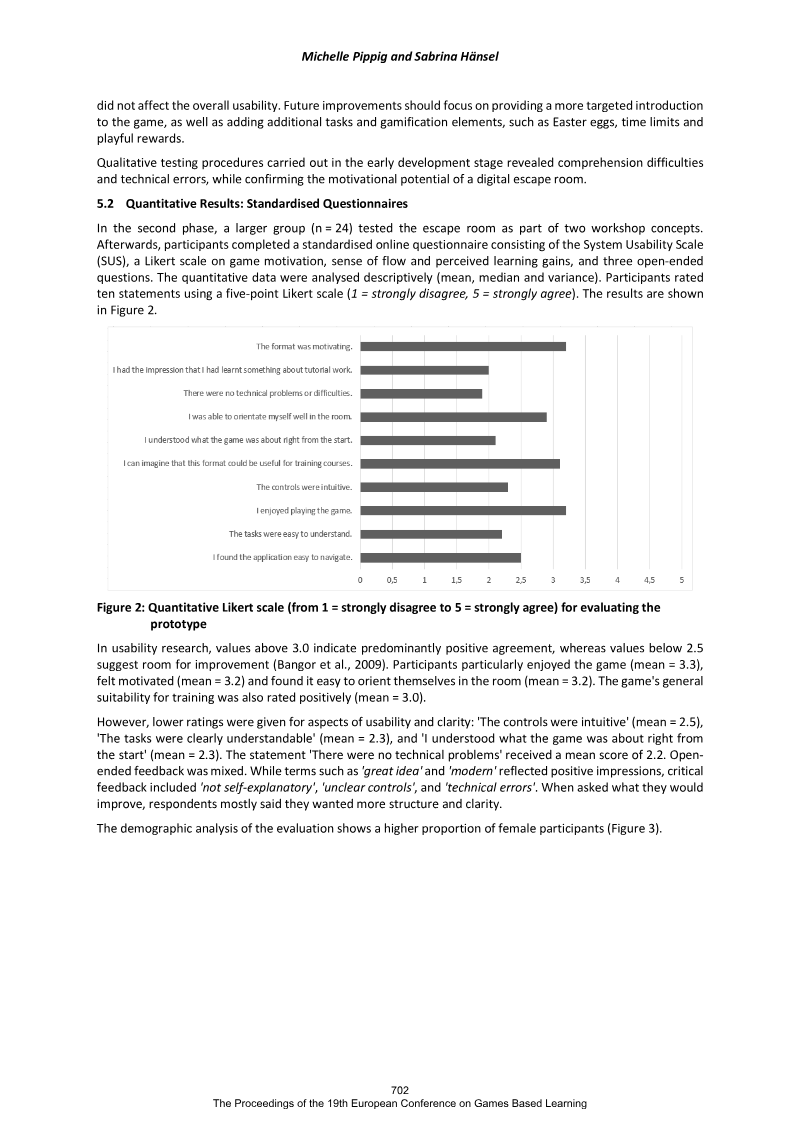
- In a 24-participant survey across two workshops, enjoyment (mean 3.3), motivation (mean 3.2) and ease of orientation (mean 3.2) scored highest, while usefulness for training was moderate (mean 3.0).
- The weakest ratings were for technical problems (mean 2.2), comprehension of the game's purpose and task clarity (mean 2.3 each), and intuitiveness of controls (mean 2.5).
AI-Powered Game-Based Learning for Project Management Education
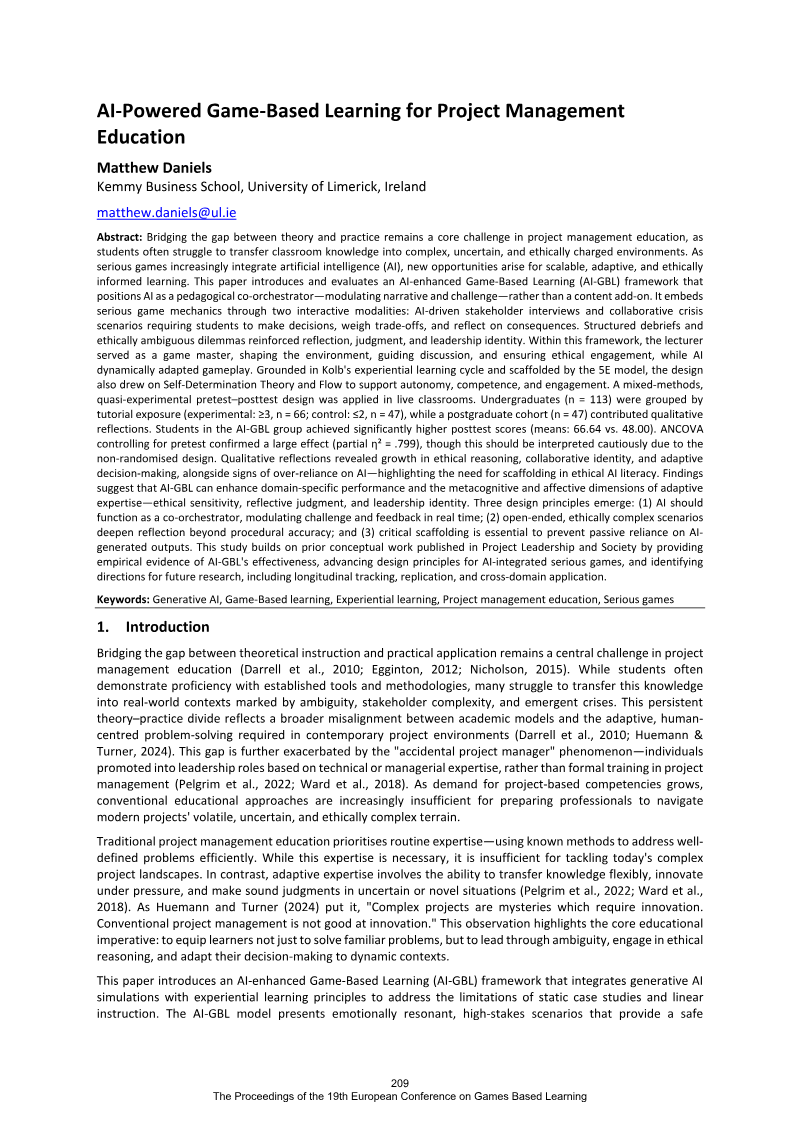
This study evaluates an AI-enhanced game-based learning (AI-GBL) framework for project management education, in which artificial intelligence serves as a pedagogical co-orchestrator within serious game mechanics such as stakeholder interviews and crisis scenarios.
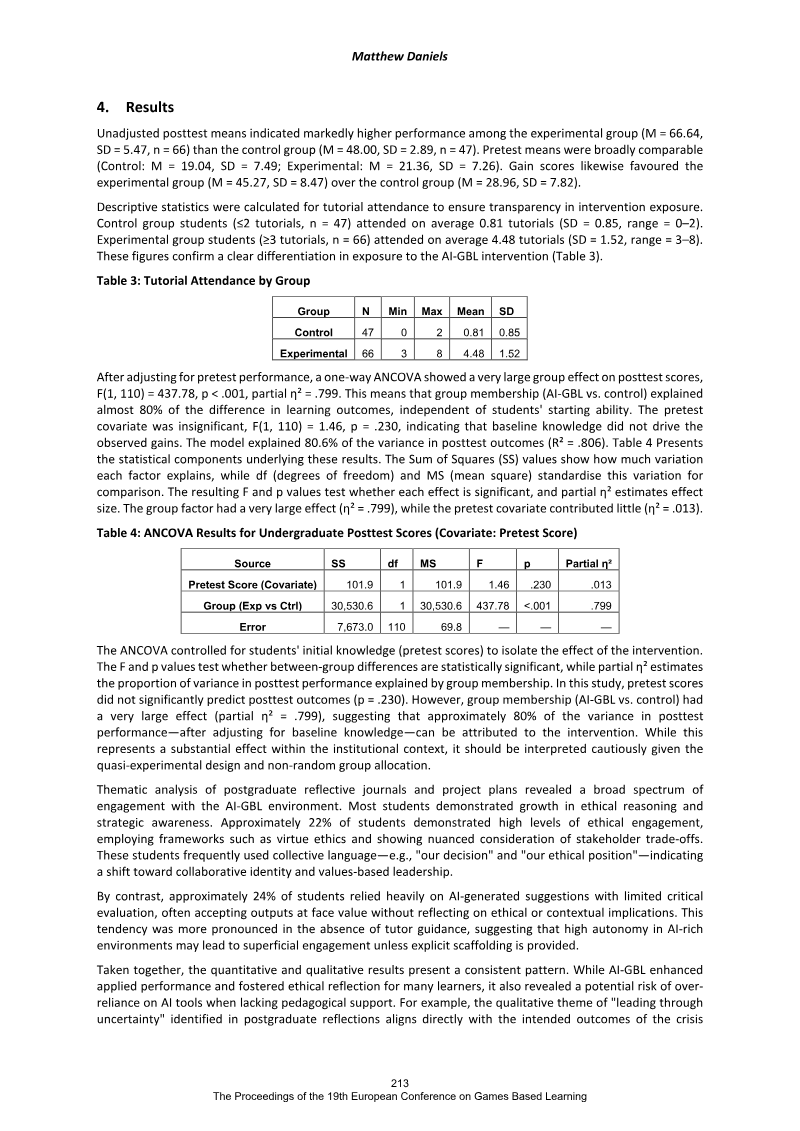
- The authors stress that the central benefit depends on deliberate lecturer scaffolding, and the effect should be read with caution because allocation was non-random and the lecturer also served as facilitator, which limits causal inference and generalisability.
- Pretest scores did not significantly predict posttest outcomes, suggesting the observed gains were not simply explained by students' starting knowledge.
- In a postgraduate qualitative cohort, thematic analysis of reflections showed gains in ethical reasoning and leadership identity, with roughly 22% of students demonstrating high ethical engagement.
Game-Based Learning for Autism: A Tabletop Approach to Theory of Mind
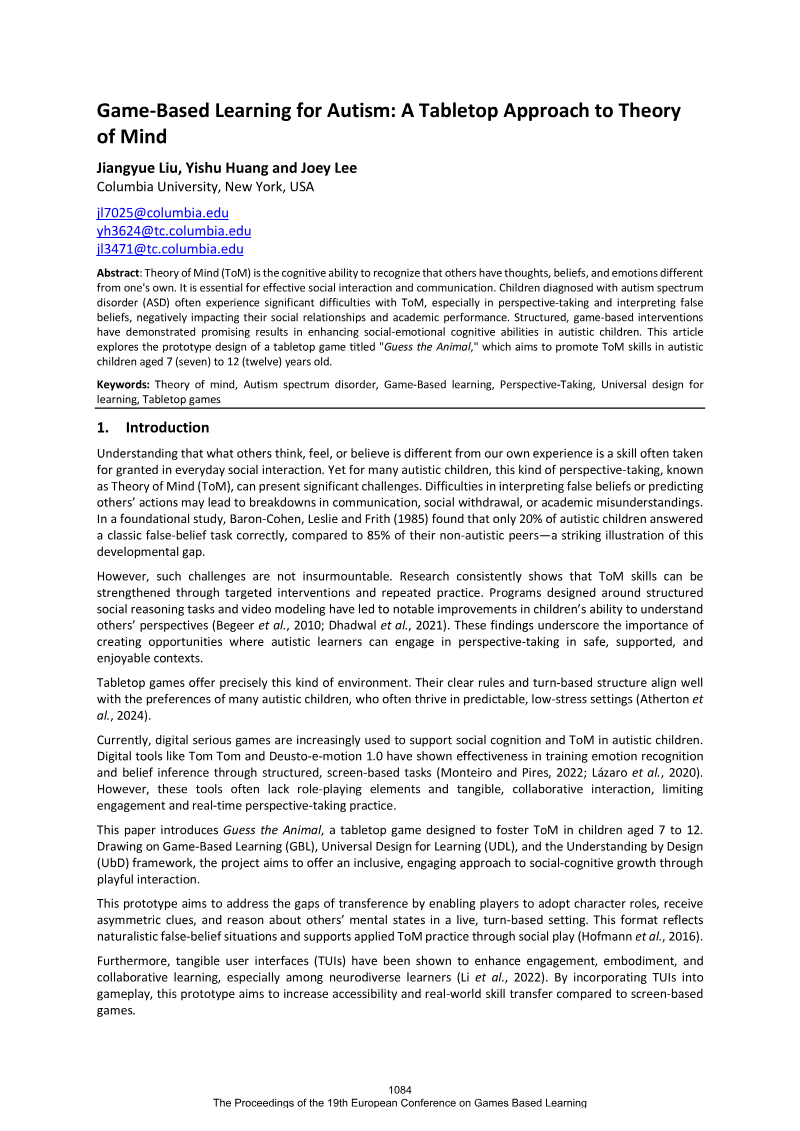
This paper presents a conceptual prototype of "Guess the Animal," a tabletop game designed to strengthen Theory of Mind (ToM), particularly perspective-taking and empathy, in autistic children aged 7 to 12.
- The paper presents "Guess the Animal," a conceptual tabletop game designed to strengthen Theory of Mind (perspective-taking and empathy) in autistic children aged 7 to 12, grounded in game-based learning, Understanding by Design, and Universal Design for Learning.
- It motivates the work with a classic early finding that only 20% of autistic children passed a false-belief task compared with 85% of non-autistic peers, highlighting a substantial gap in false-belief reasoning.
- Gameplay centers on asymmetric clue interpretation: players adopt animal characters and receive comparative clues (e.g., "This animal is bigger than me") about a hidden culprit, forcing reasoning from another's perspective, while prosocial acts are rewarded with tokens and shared deduction over three rounds aims to prompt second-order reasoning.
From Barriers to Bridges: AI-Powered Mini-Games for Accessible Game-Based Learning
This study examines why college educators hesitate to adopt game-based learning (GBL) and how short, subject-independent AI-supported mini-games might lower those barriers.
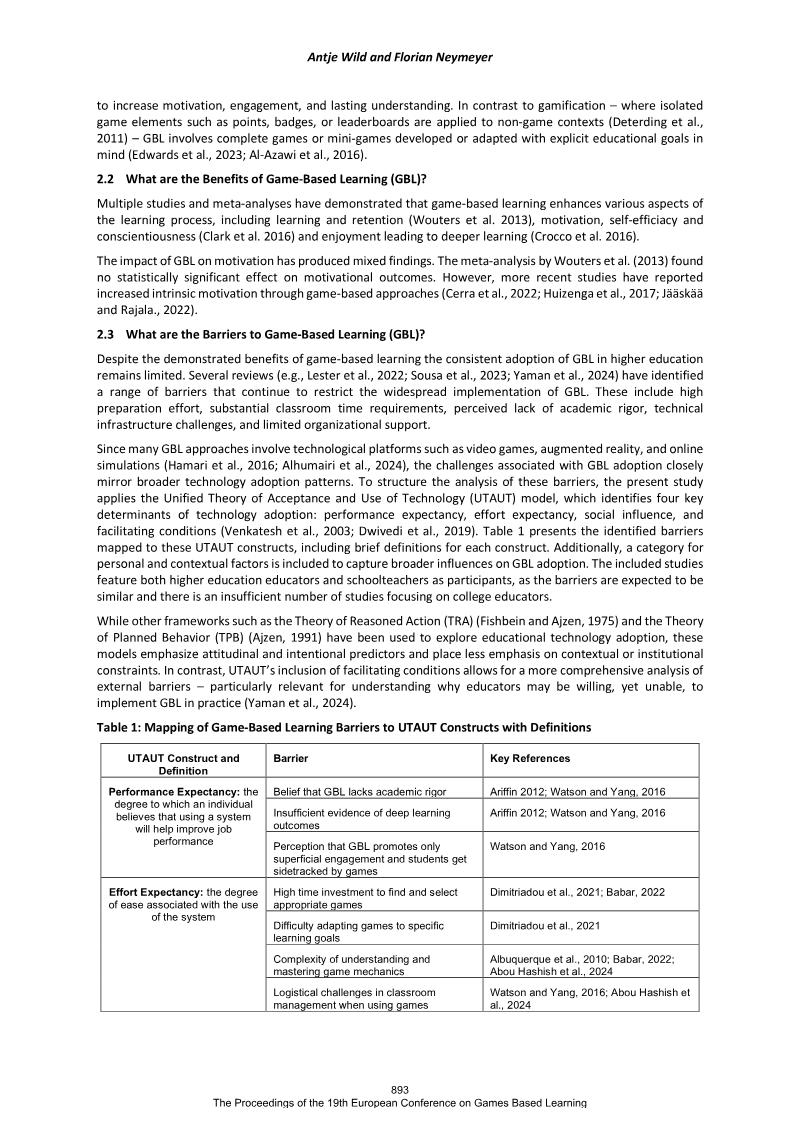
- Educators' main barriers to game-based learning are cost, preparation effort, and lack of awareness of suitable options, with effort expectancy and facilitating conditions dominating under the UTAUT lens.
- Facilitating conditions such as limited classroom time, large class sizes, and insufficient training and technical support weigh heavily on adoption decisions.
- Educators were generally receptive to games and to the idea of short mini-games, but many did not know which options existed or how to integrate them into teaching.
Teaching Industrial Engineering Through Simulators Based on Gamification and XR Reality
This paper, authored by researchers at Tecnológico de Monterrey in Mexico, presents a three-year program that uses gamified simulators and extended reality (XR) tools to teach industrial engineering.
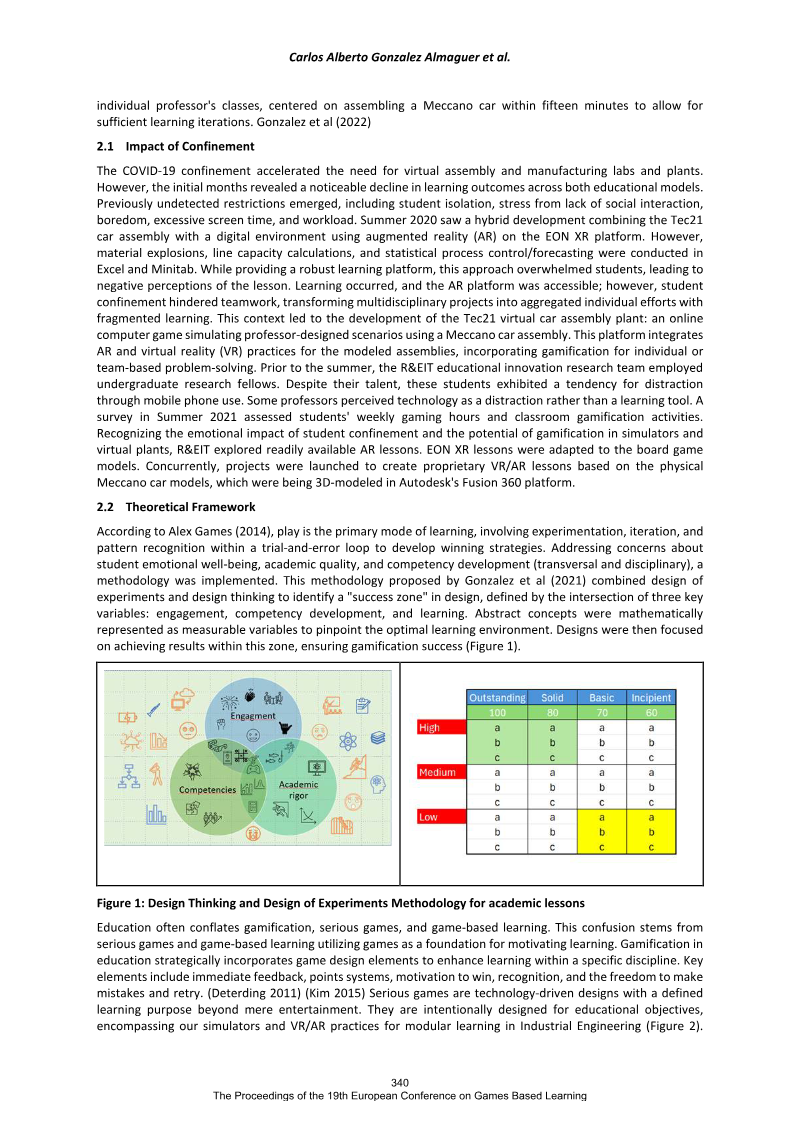
- The paper presents a three-year program at Tecnológico de Monterrey in which MxREP, a board-game-derived ERP-style simulator combined with augmented and virtual reality lessons, is used to teach industrial engineering topics such as line capacity analysis, quality tools, and production planning.
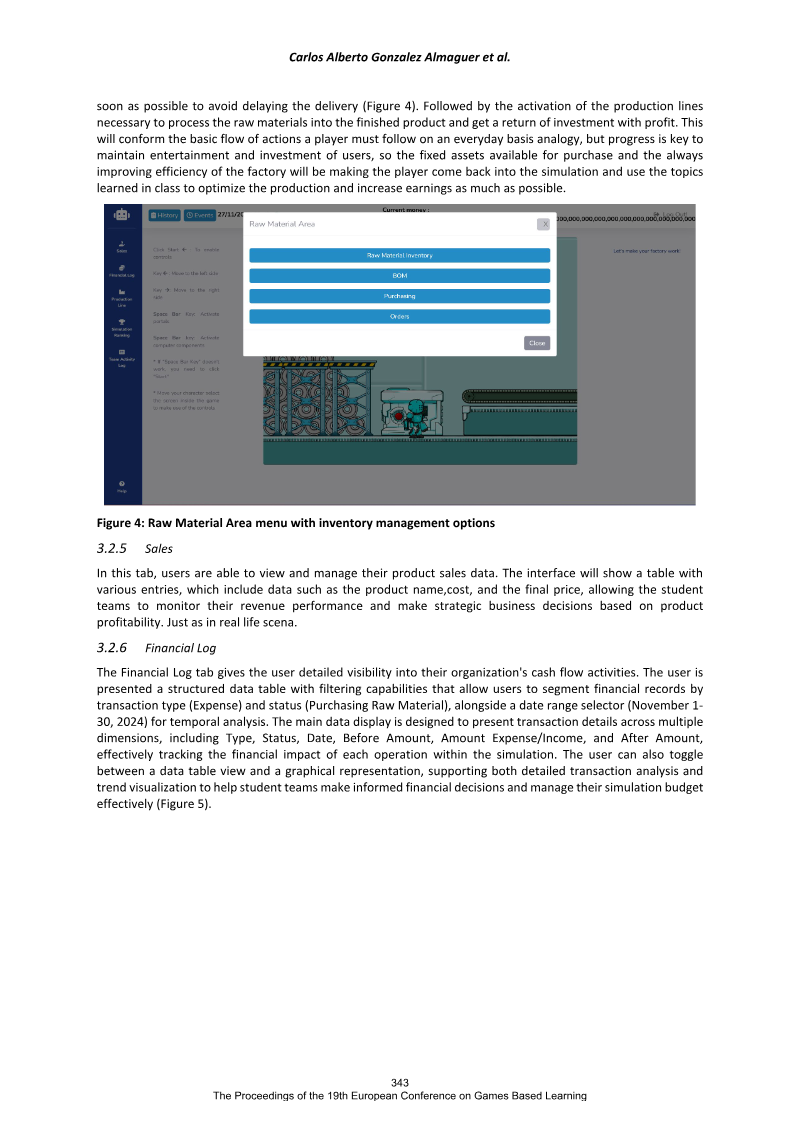
- The simulator models a virtual manufacturing company where student teams manage inventory, bills of materials, employees, fixed assets, production lines, sales, and financial logs, with ranking and activity tracking adding competitive and collaborative elements.
- The platform is deployed roughly nine times per year across learning units, with two groups averaging about 31 students each, and has been extended to drone production and distribution-center logistics modules.
Expert Validation of an Empathic Design Thinking Framework: For Digital Serious Game Development
The Empathic Design Thinking Framework (EDTF) is a ten-phase, user-centered model for developing digital serious games, distinguished by its integration of co-design and iterative user research across the entire development lifecycle rather than only at late stages.
- The Empathic Design Thinking Framework (EDTF) is a ten-phase, user-centered model for digital serious games that integrates co-design and iterative user research across the entire development lifecycle, rather than only at late stages.
- Eighteen serious game developers and designers evaluated the framework through design science research, rating it 4.5/5 for usefulness, 4.2/5 for comprehensibility, 4.3/5 for ease of use, 4.0/5 for usability, and 3.8/5 for feasibility.
- Reviewers especially praised the framework's phased structure and iterative testing, with the Empathize and Iterative UX Evaluation phases receiving particular approval.