1 free read left. Create a free account for unlimited reading + AI research.
Create free accountArticle European Conference on Games Based Learning (ECGBL)
1 free read left. Create a free account for unlimited reading + AI research.
Create free accountArticleEuropean Conference on Games Based Learning (ECGBL)
The programs serve vulnerable 16–25-year-olds, many of whom have autism or ADHD and experience school refusal and social isolation.
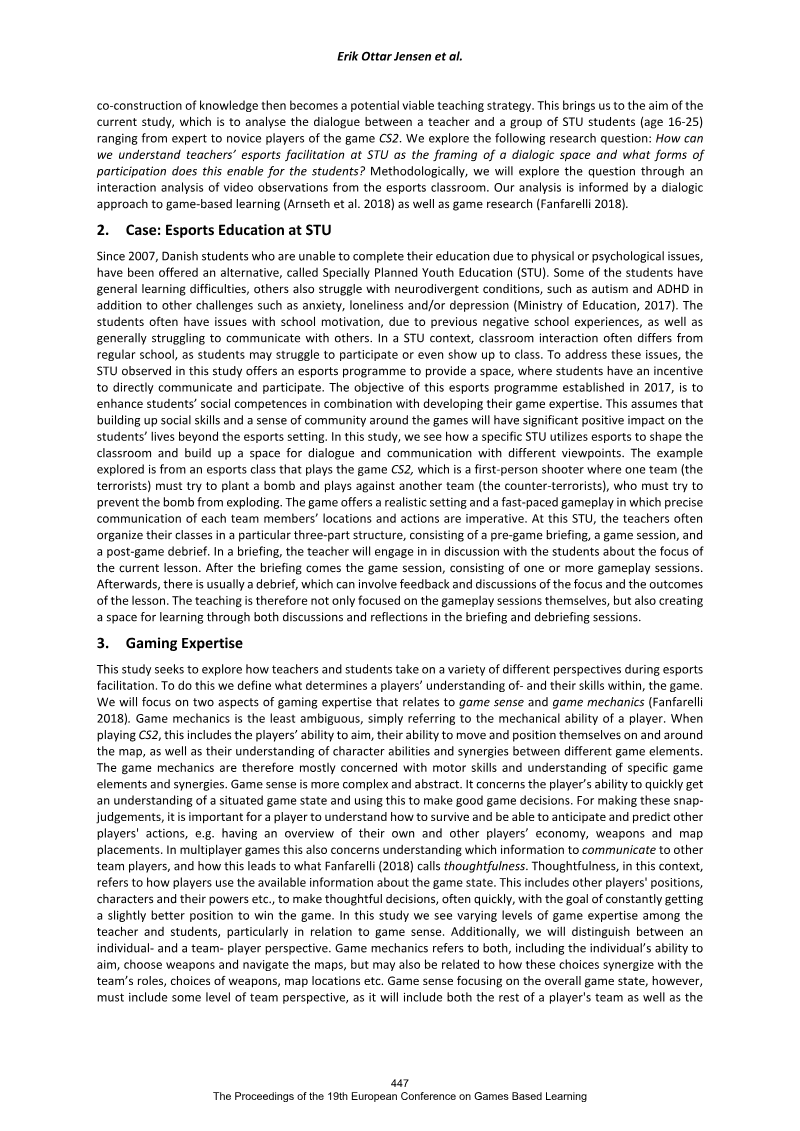
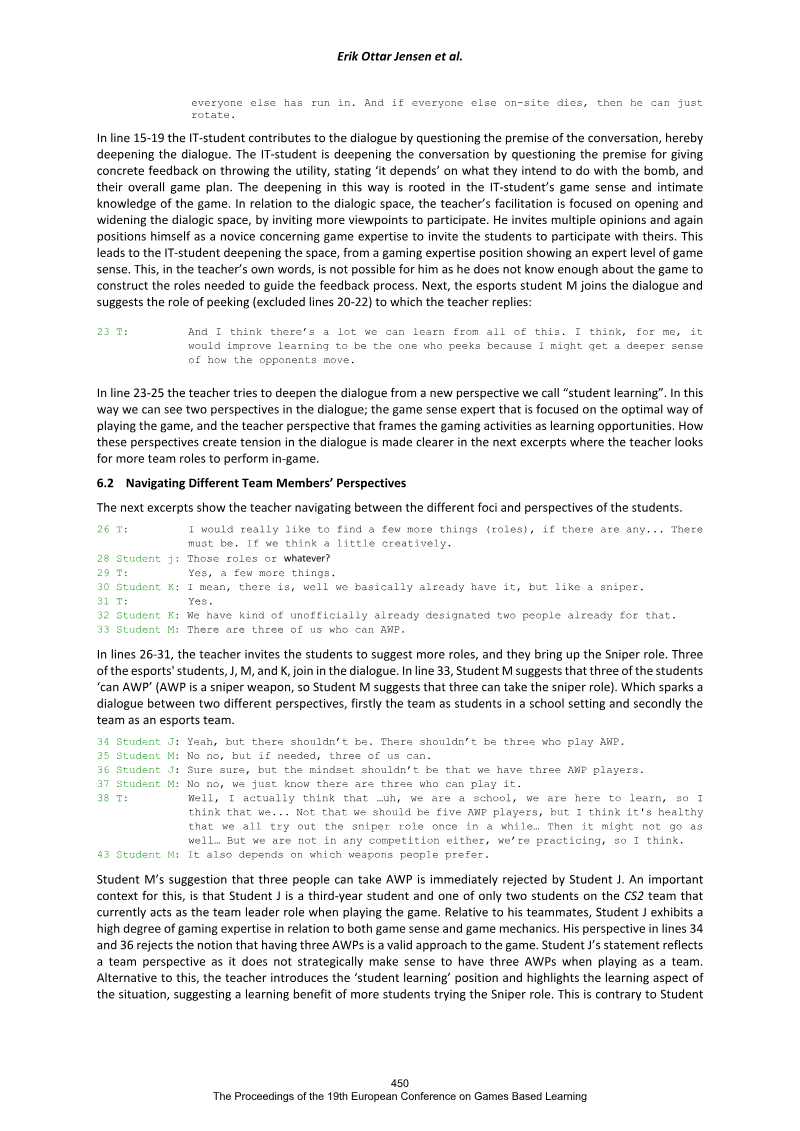
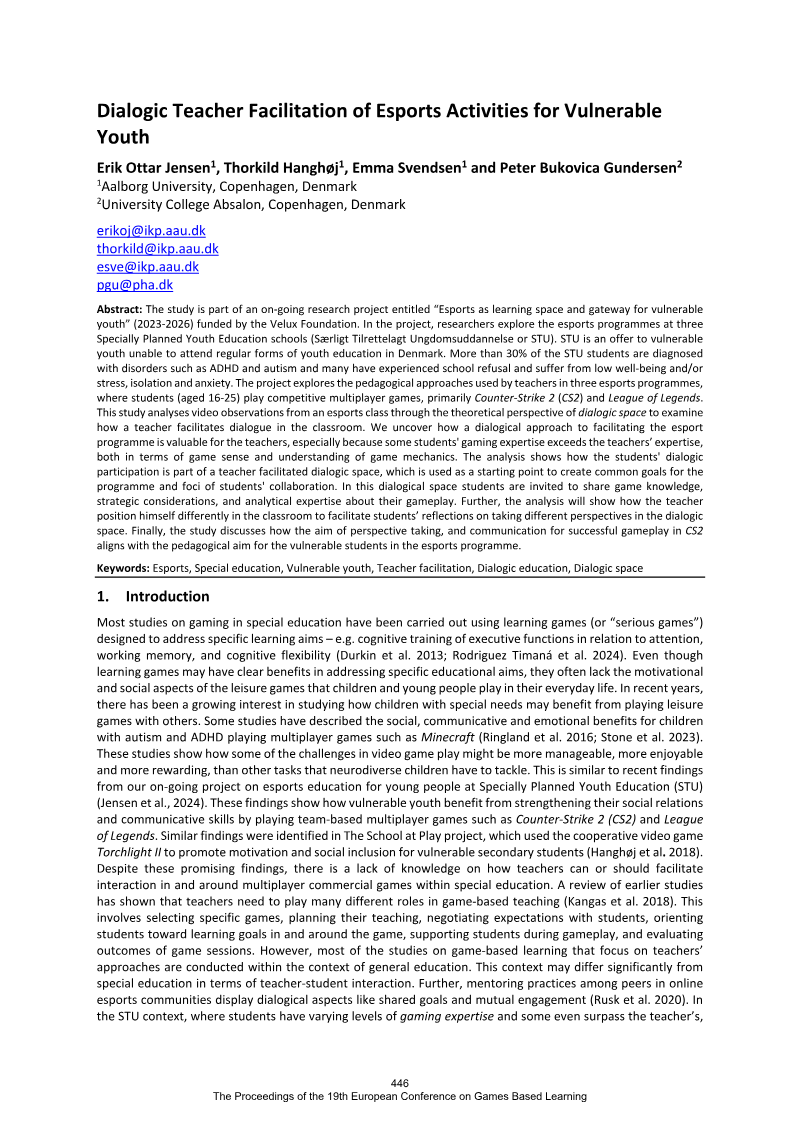
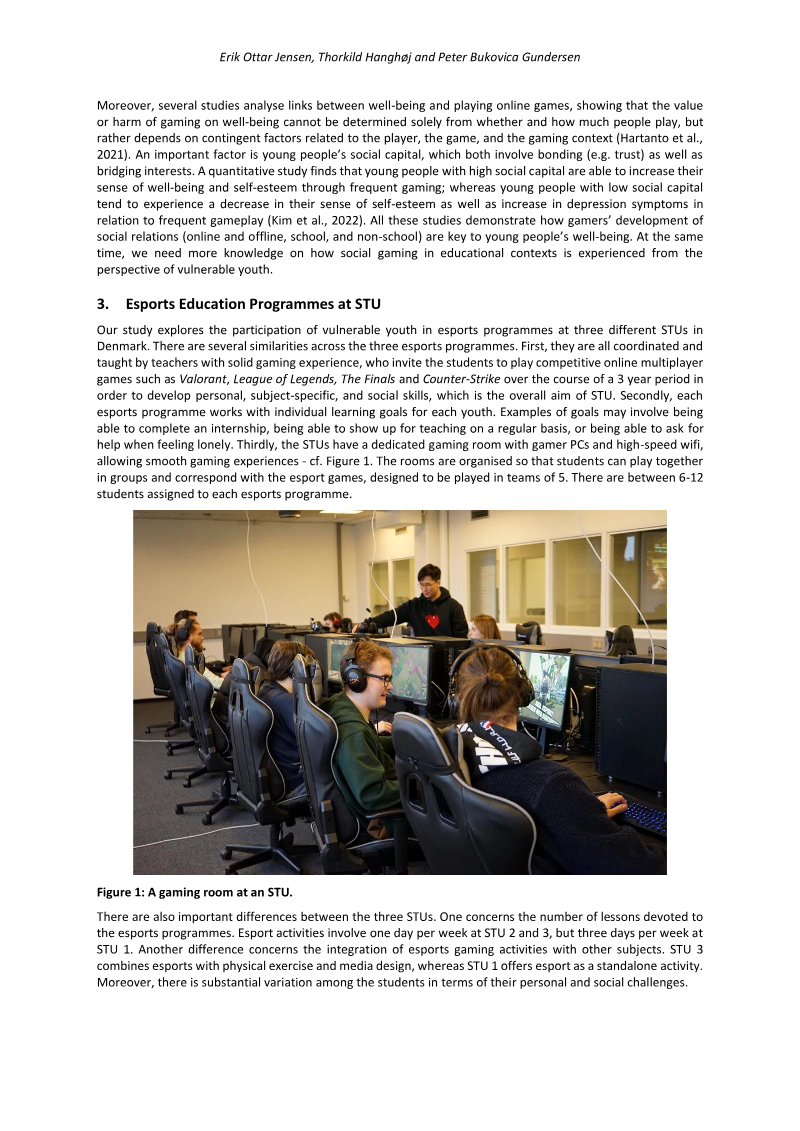
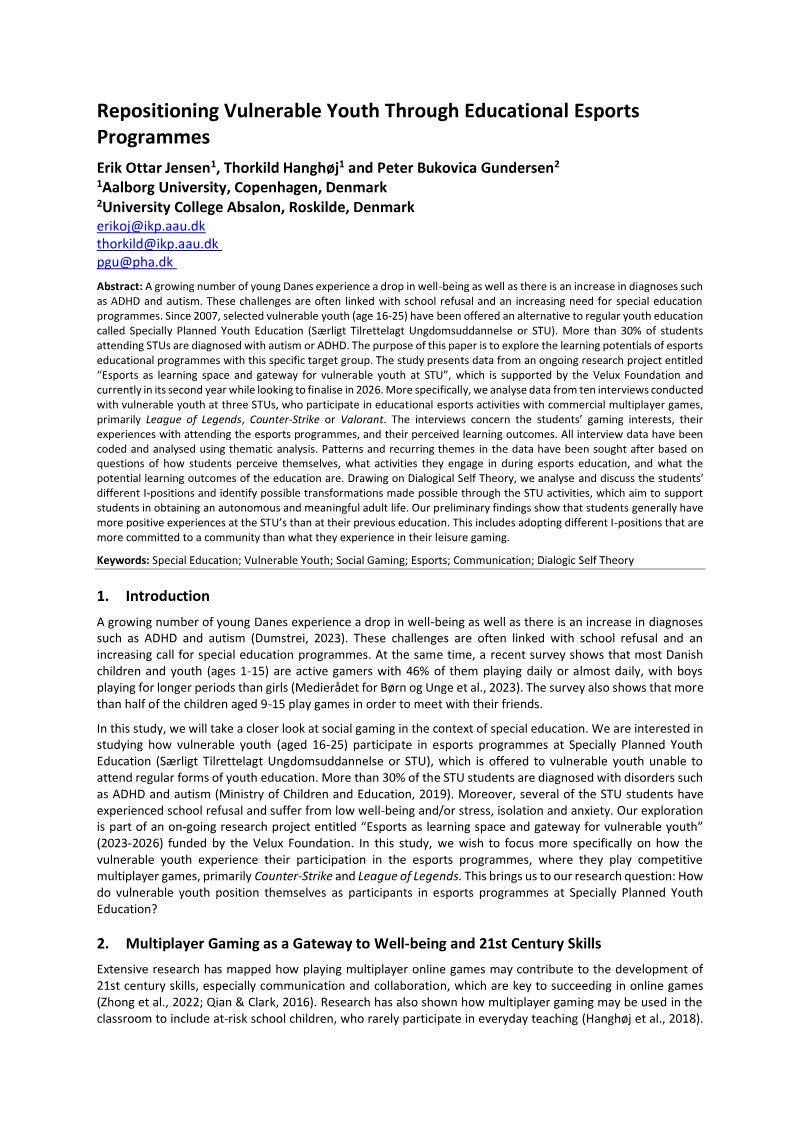
This study examines how esports education functions within Denmark's Specially Planned Youth Education (STU) programs, which serve vulnerable 16–25-year-olds, many of whom have autism or ADHD and experience school refusal and social isolation. Drawing on interviews with municipal guidance counsellors and esports instructors across three STU sites, the authors frame esports participation as a process of social inclusion that bridges leisure, educational, adult, and guidance domains. The work's central claim is that gaming-based activity can serve as an entry point that draws isolated young people out of their homes and into formal education.
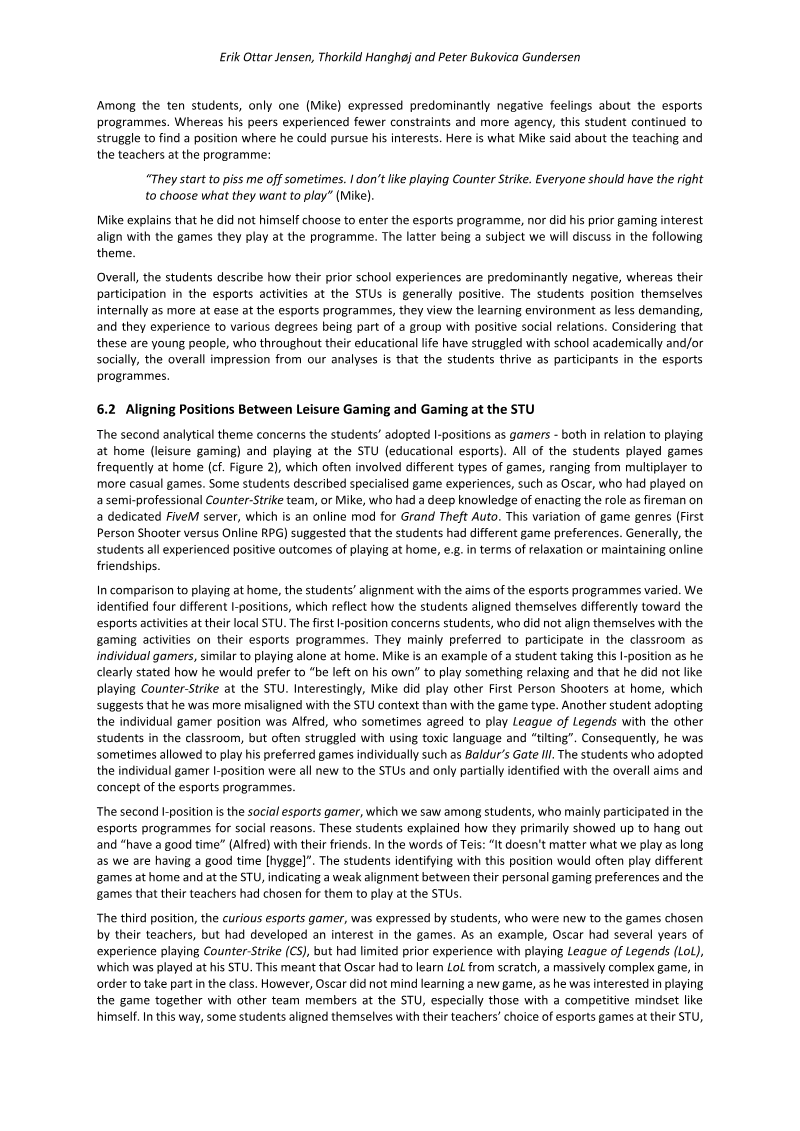
The principal findings concern motivation, social development, and program progression. Both teachers and counsellors report that esports education increases students' willingness to attend, strengthens community belonging and communication skills, and functions as a "springboard" toward other STU activities. Counsellors, however, show limited understanding of the program's academic content, a gap the authors identify as significant for how the initiative is evaluated and integrated.
The study's scope is geographically confined to Denmark and temporally bounded to the period of its fieldwork, with a sample of ten interviewees across three institutions. Its evidence base is limited to interview data; the authors did not directly observe esports sessions, which constrains conclusions about classroom practice and learning outcomes. The supporting literature draws on Nordic and autism-related research on youth vulnerability and absenteeism, Danish welfare and youth well-being reports, and legislation governing special youth education. A 2023 pilot study on whether youth gaming can lead to employment and education is identified as the most directly relevant prior work.



European Conference on Games Based Learning (ECGBL) · 2026



European Conference on Games Based Learning (ECGBL) · 2026



European Conference on Games Based Learning (ECGBL) · 2026



European Conference on Games Based Learning (ECGBL) · 2026



European Conference on Games Based Learning (ECGBL) · 2026



European Conference on Games Based Learning (ECGBL) · 2026



European Conference on Games Based Learning (ECGBL) · 2026



European Conference on Games Based Learning (ECGBL) · 2026



European Conference on Games Based Learning (ECGBL) · 2026



European Conference on Games Based Learning (ECGBL) · 2026



European Conference on Games Based Learning (ECGBL) · 2026



European Conference on Games Based Learning (ECGBL) · 2026
European Conference on Games Based Learning (ECGBL) · 2025