
DiGRA
The Digital Games Research Association: the international association of academics and professionals who study digital games. Its Digital Library holds the proceedings of the DiGRA conferences since 2002.
Documents
Player and Figure: An Analysis of a Scene in Kentucky Route Zero
In "Player and Figure: An Analysis of a Scene in Kentucky Route Zero," the author develops a two-axis, four-aspect model of the player-figure relation in games, arguing that earlier theories have conflated two distinct dualities: the ontological status of a playable figure as both self and other (avatar versus character), and…
Devil's Plaything: On the Boundary Between Playful and Serious
Jørgensen's essay "Devil's Plaything" challenges the common assumption that seriousness and play are opposites.
Material Culture and Angry Birds
The study argues that material culture remains central to digital games even as distribution has shifted toward digital-only models.
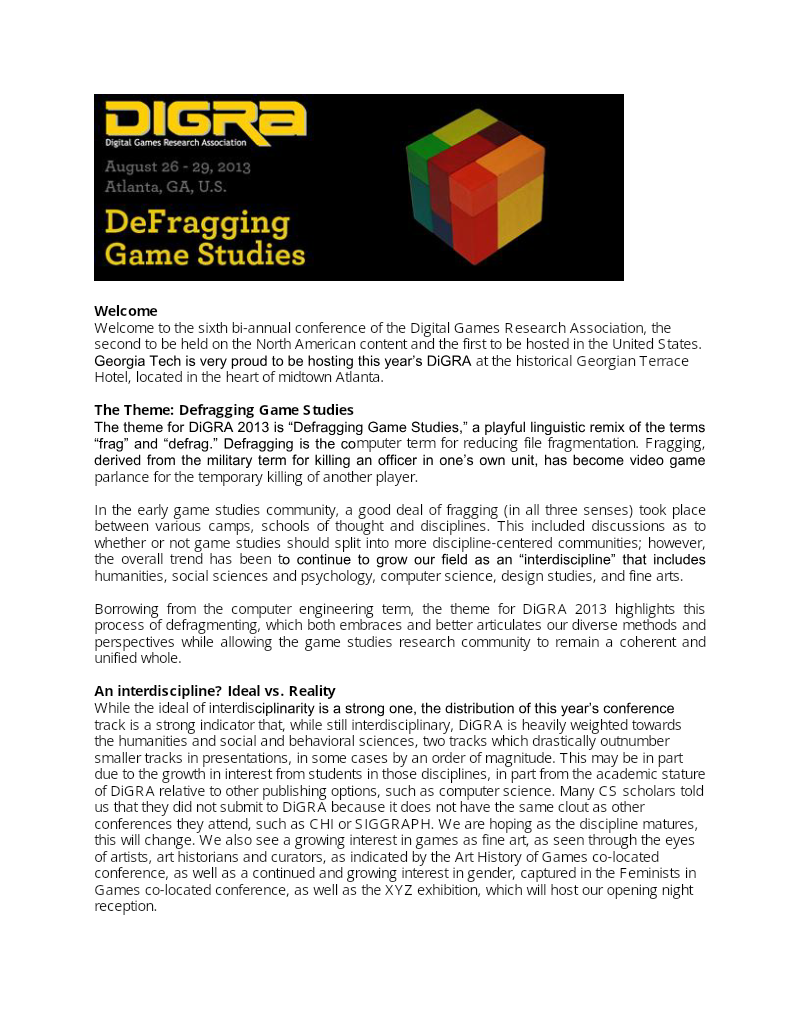
DeFragging Game Studies: Proceedings of DiGRA 2013
The proceedings front matter from the sixth biannual Digital Games Research Association conference, held August 26–29, 2013, in Atlanta, Georgia, frames game studies as an interdiscipline that must balance growth with coherence.
Attention Whore! Perception of Female Players Who Identify Themselves as Women in the Communities of MMOs
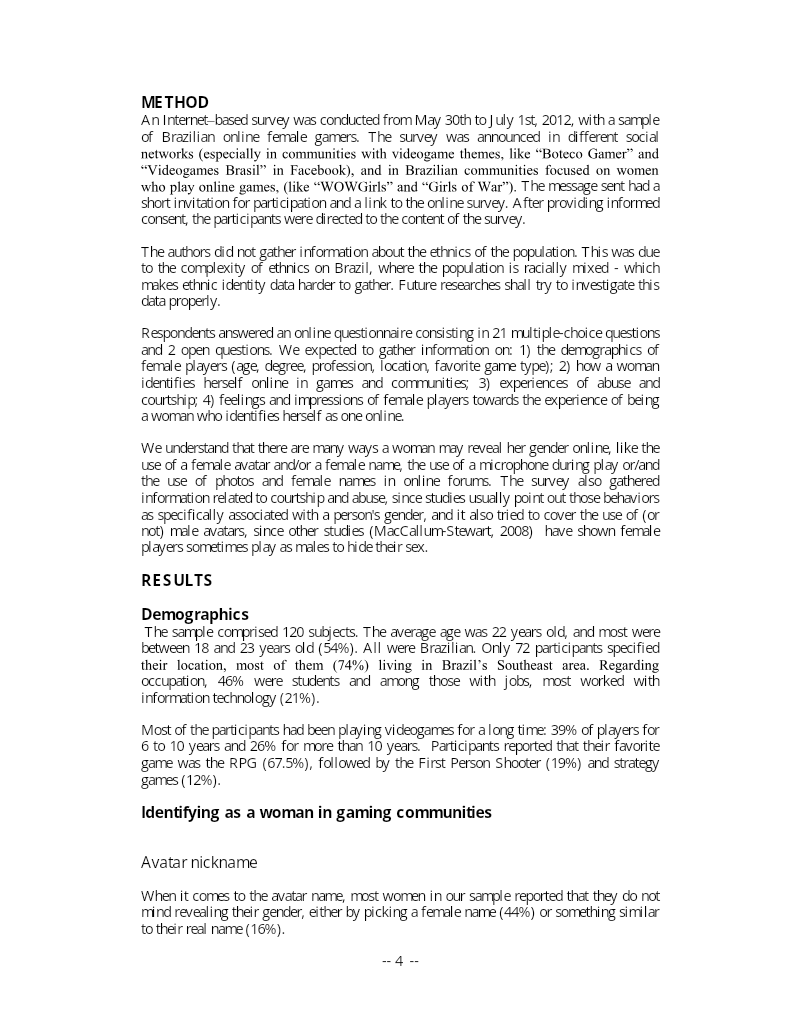
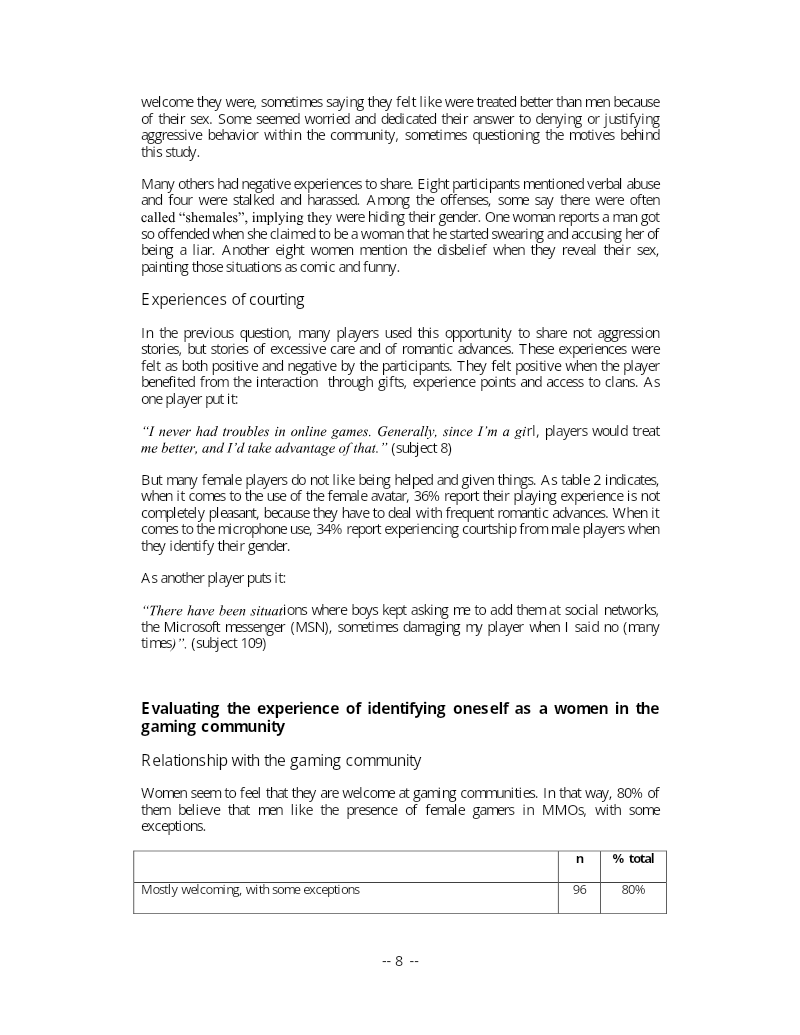
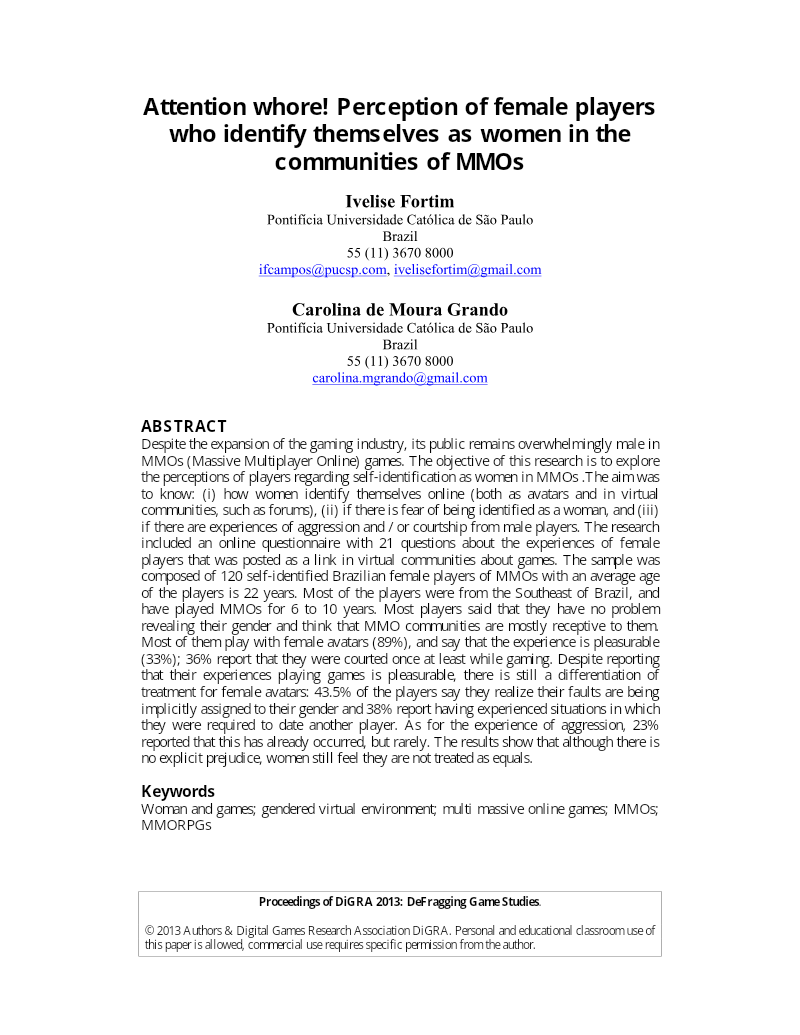
This study examines how female players who identify as women experience massively multiplayer online games (MMOs), focusing on how they present their gender online and whether they encounter romantic advances, harassment, or subtler forms of gender-based treatment.
DeFragging Regulation: From Putative Effects to 'Researched' Accounts of Player Experience
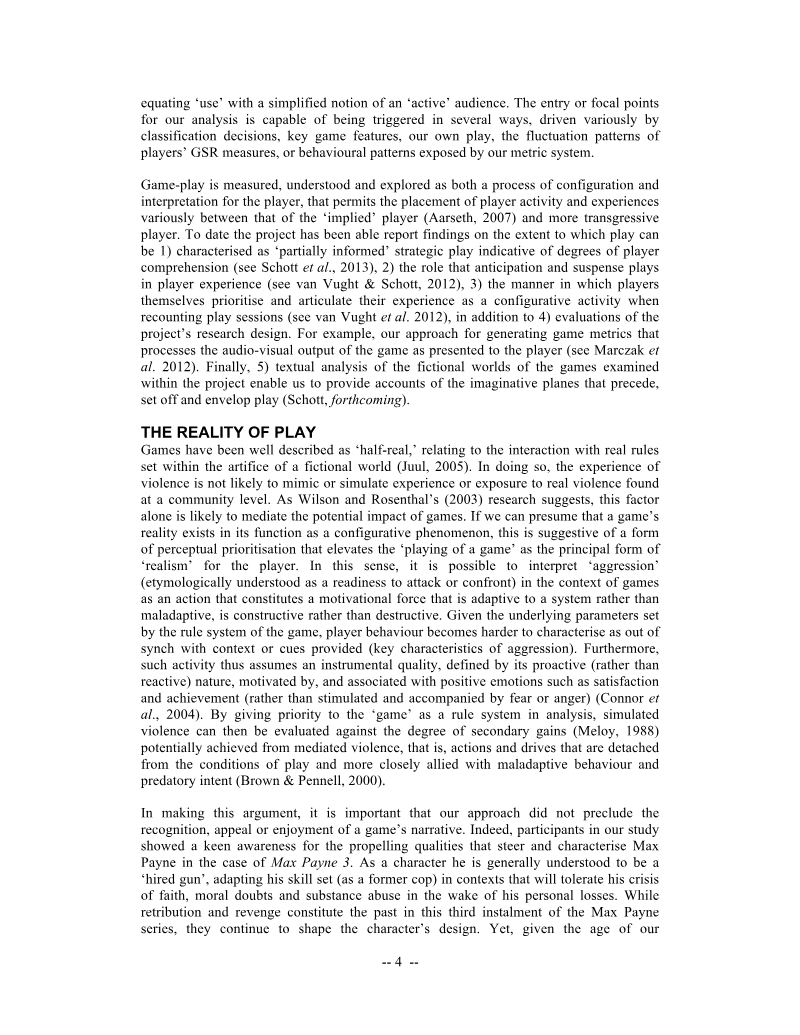
This paper, by Schott, Marczak, Mäyrä, and van Vught, argues that regulatory and media-effects debates about violent video games have treated violence as a homogeneous category and have overlooked how game systems, interactivity, and mechanics shape what players actually experience.
Spec Ops: The Line's Conventional Subversion of the Military Shooter
Brendan Keogh's paper argues that Spec Ops: The Line critiques the military shooter genre by subverting its conventions from within, exposing the violence and moral ambiguity that the genre's romantic, technologically superior depictions of modern warfare tend to obscure.
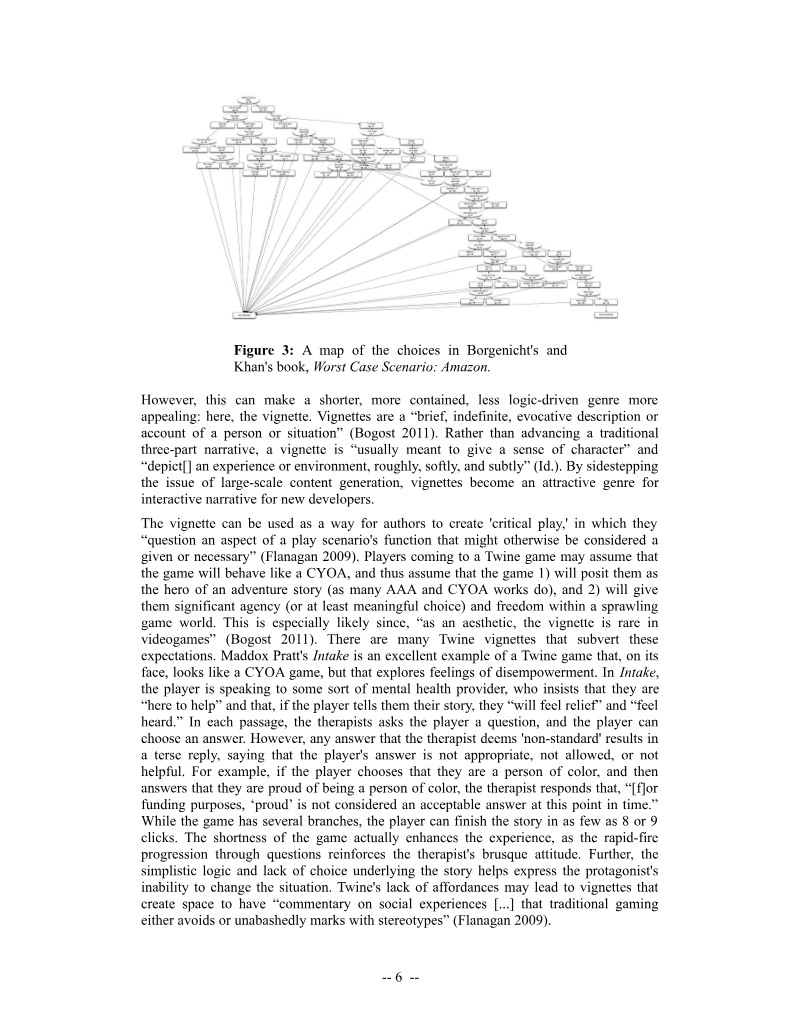
Untangling Twine: A Platform Study
Jane Friedhoff's platform study examines why Twine, a free tool for creating branching interactive stories, has become the primary venue for personal and non-mainstream games dealing with marginalization, queerness, mental health, and discrimination.
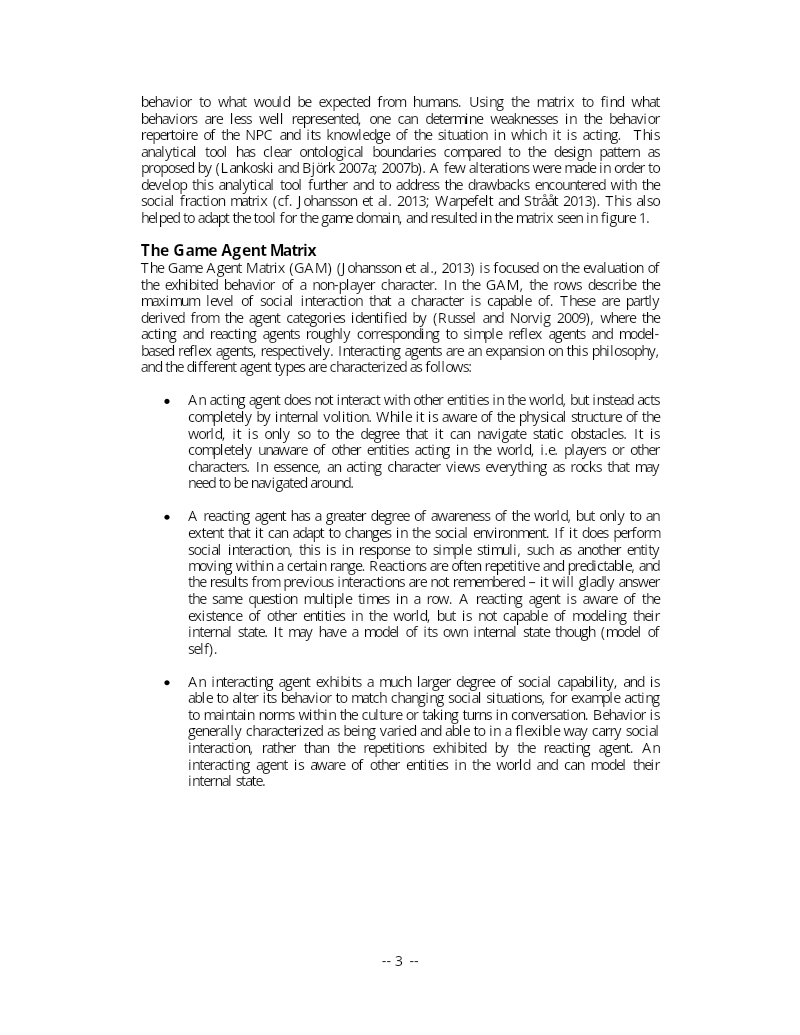
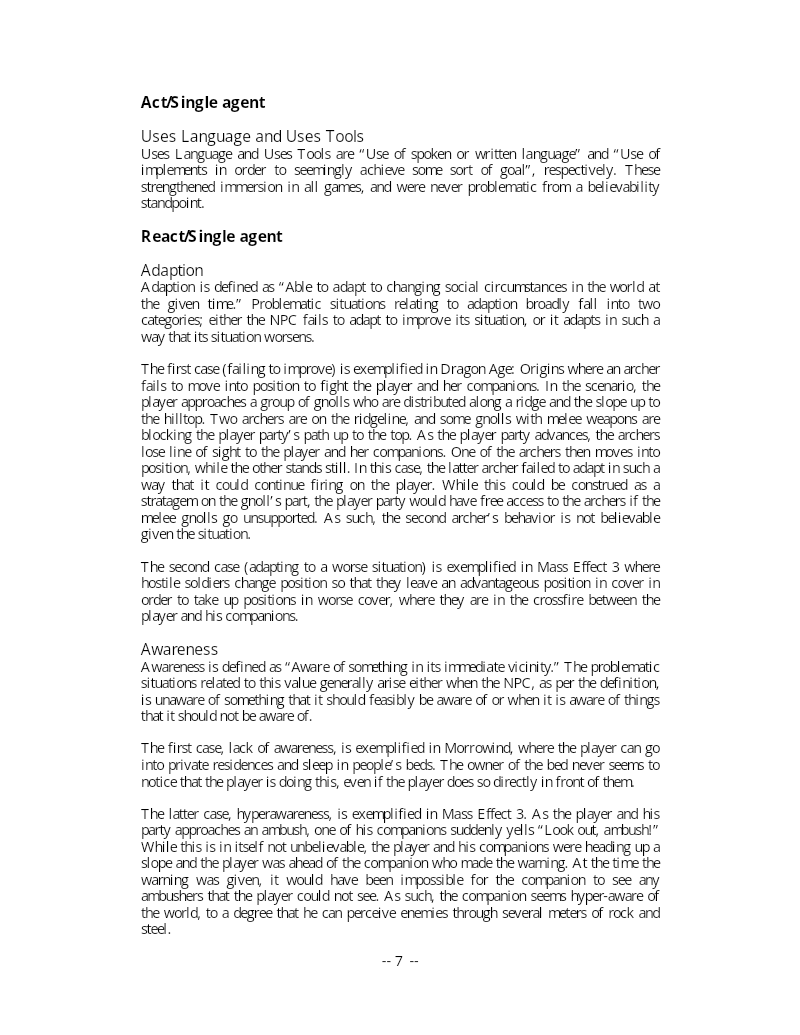
Analyzing the Believability of Game Character Behavior Using the Game Agent Matrix
This paper examines how convincingly non-player characters (NPCs) in modern single-player games behave as human-like agents, a property the authors call believable behavior.
The Pretence Awareness Contexts and Oscillating Nature of Coaching Frames
Coaching in multiplayer games, the authors argue, forms a temporary and recurring play frame in which players move back and forth between instructing newcomers and playing normally.
Incongruous Avatars and Hilarious Sidekicks: Design Patterns for Comical Game Characters
This paper proposes a structured approach to humour in game character design, grounding its analysis in classical theories of humour, namely superiority, relief, and incongruity.
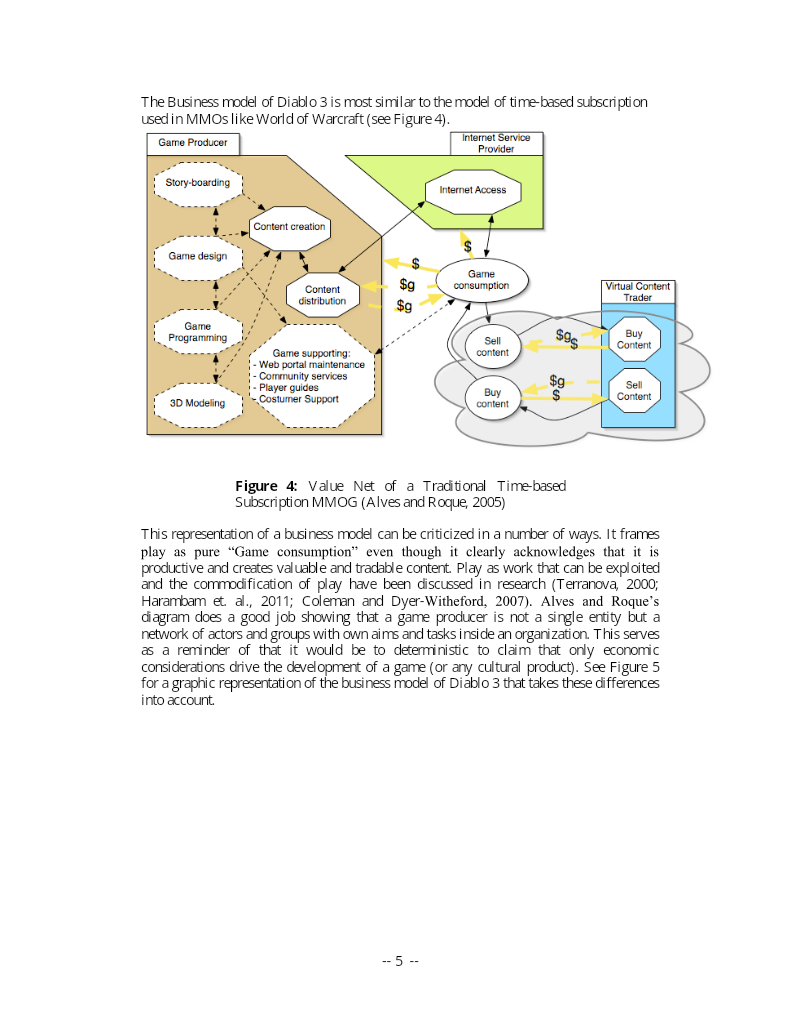
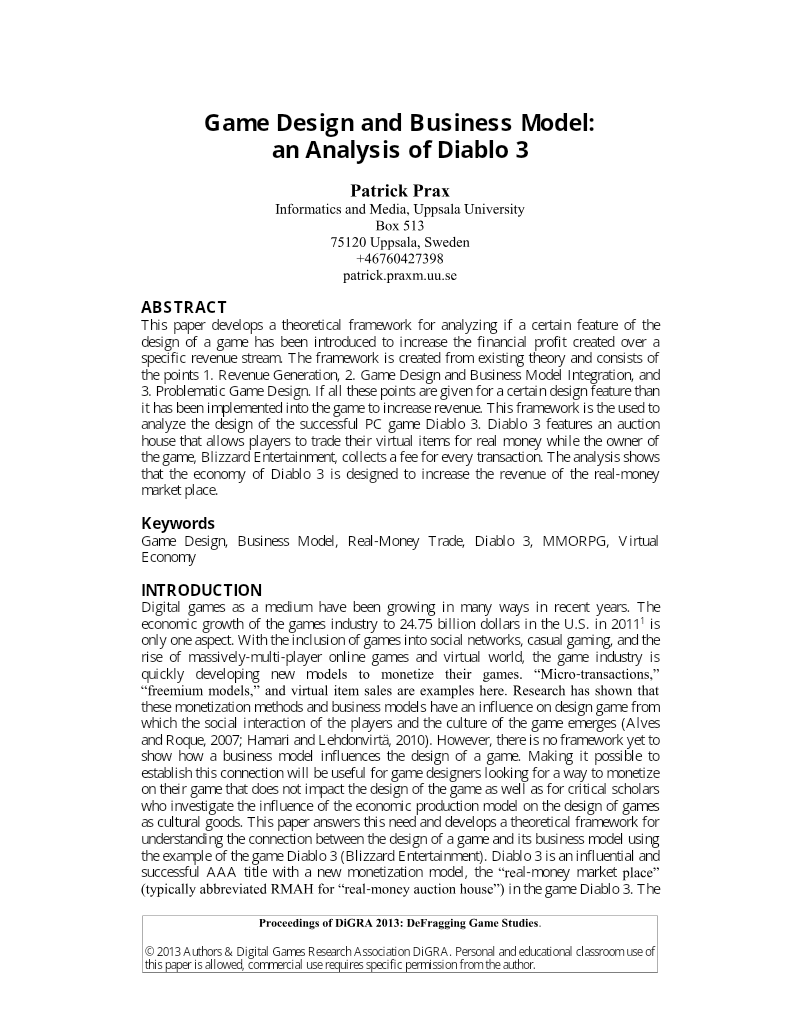
Game Design and Business Model: An Analysis of Diablo 3
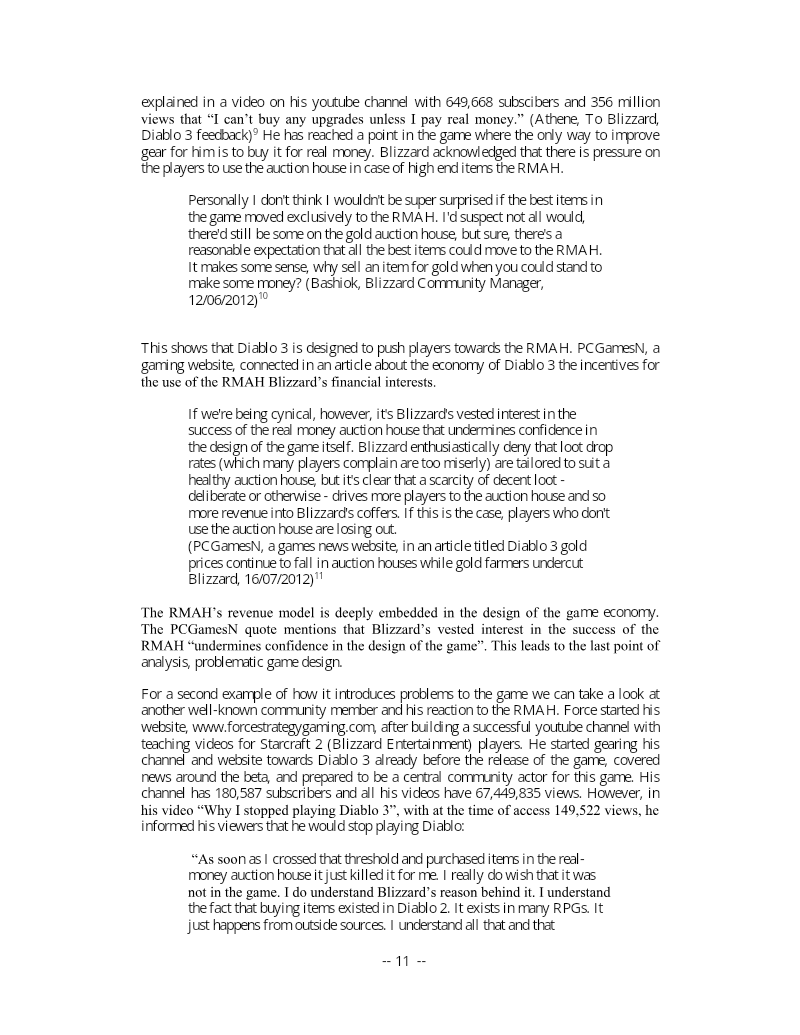
Diablo 3 is examined here as a case study in how business models shape game design, with particular attention to the Real-Money Auction House (RMAH) that Blizzard operated for the game.