
DiGRA
The Digital Games Research Association: the international association of academics and professionals who study digital games. Its Digital Library holds the proceedings of the DiGRA conferences since 2002.
Documents
A Cognitivist Theory of Affordances for Games
This paper presents a cognitivist theory of affordances for games, arguing that a useful framework for analyzing games must account for cognition rather than treating affordances as purely environmental properties in the manner of ecological psychology.

The Strenuous Task of Maintaining and Making Friends: Tensions Between Play and Friendship in MMOs
Massively multiplayer online games are often praised for fostering social bonds, but a study of 52 World of Warcraft players drawn from two Nordic research projects argues that maintaining friendships within these games can be a strenuous undertaking.
Suit The System To The Player: A Methodology for Physical Creativity
Friedhoff's paper argues that motion-controlled exertion games such as those built for Kinect, PlayStation Move, and Wii tend to constrain players to narrow, tightly tracked movements, when they could instead nurture physical creativity and shared, norm-breaking play.
Understanding Japanese Games Education
Zagal's study examines how game design and development are taught in Japan, drawing on in-person interviews with ten instructors conducted with interpreter support and analyzed through iterative open coding.
Indie Game Studies Year Eleven
Indie Game Studies Year Eleven, authored by Felan Parker, argues that "indie" functions as a slippery, context-dependent category that resists fixed definition.
Cops & Rubbers: A Game Promoting Advocacy and Empathy in Support of Public Health and Human Rights of Sex Workers
The paper presents Cops and Rubbers, a tabletop serious game developed by Lien Tran and released at the 2012 International AIDS Conference in Washington, D.C., as an advocacy tool against the practice of police confiscating condoms and using them as evidence of prostitution.
A Conceptual Model for the Study of Persuasive Games
The document proposes a conceptual model for analyzing and designing persuasive games, arguing that persuasion emerges from the interplay of eleven dimensions organized across three levels: the representational world, the system, and the context.
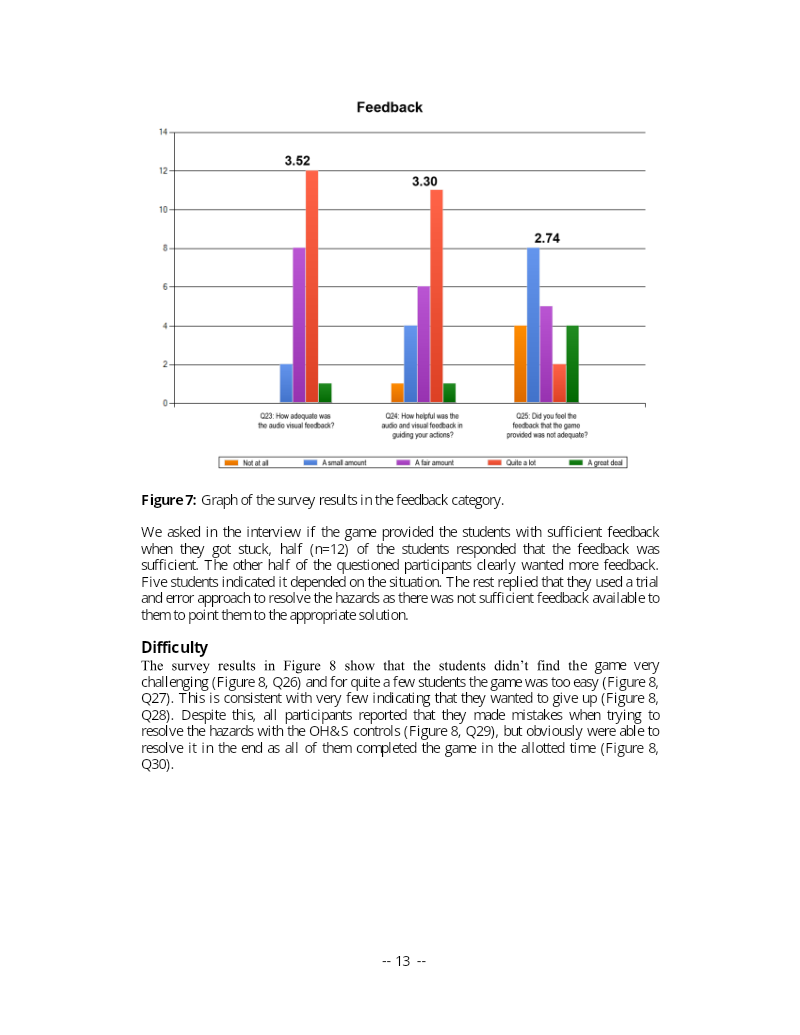
Engaging Students in OH&S Hazard Identification Through a Game
"Engaging Students in OH&S Hazard Identification Through a Game" examines whether "Trouble Tower," a 30-minute puzzle game for iPad and PC, can improve hazard-recognition training in Construction Induction courses.

Memory of a Broken Dimension: A Study in a Politics of Skill for Experimental Art Games
William Lockett's paper argues that a political theory of digital games should draw on art history rather than relying solely on Ian Bogost's account of procedural rhetoric.
“We Are Two Strong Women”: Designing Empowerment in a Pervasive Game
The paper presents the design and evaluation of Codename Heroes, a gender-aware pervasive mobile game intended for teenage girls, and argues that gender-inclusive design is achievable by focusing on gameplay mechanics rather than surface aesthetics.
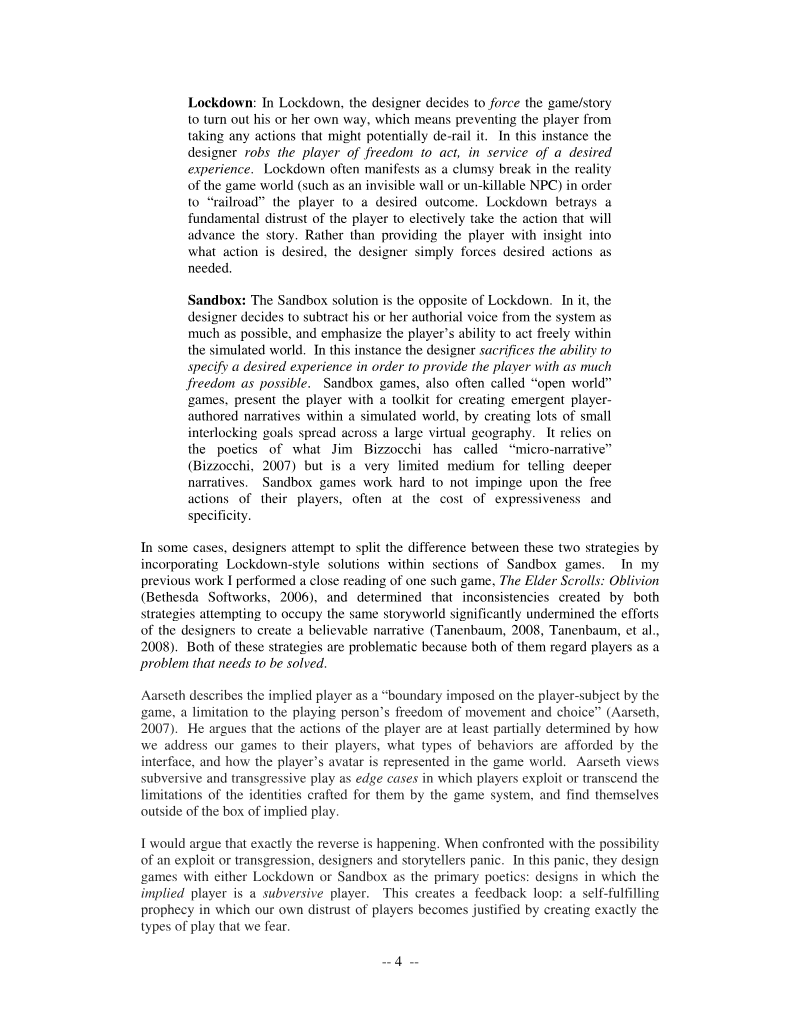
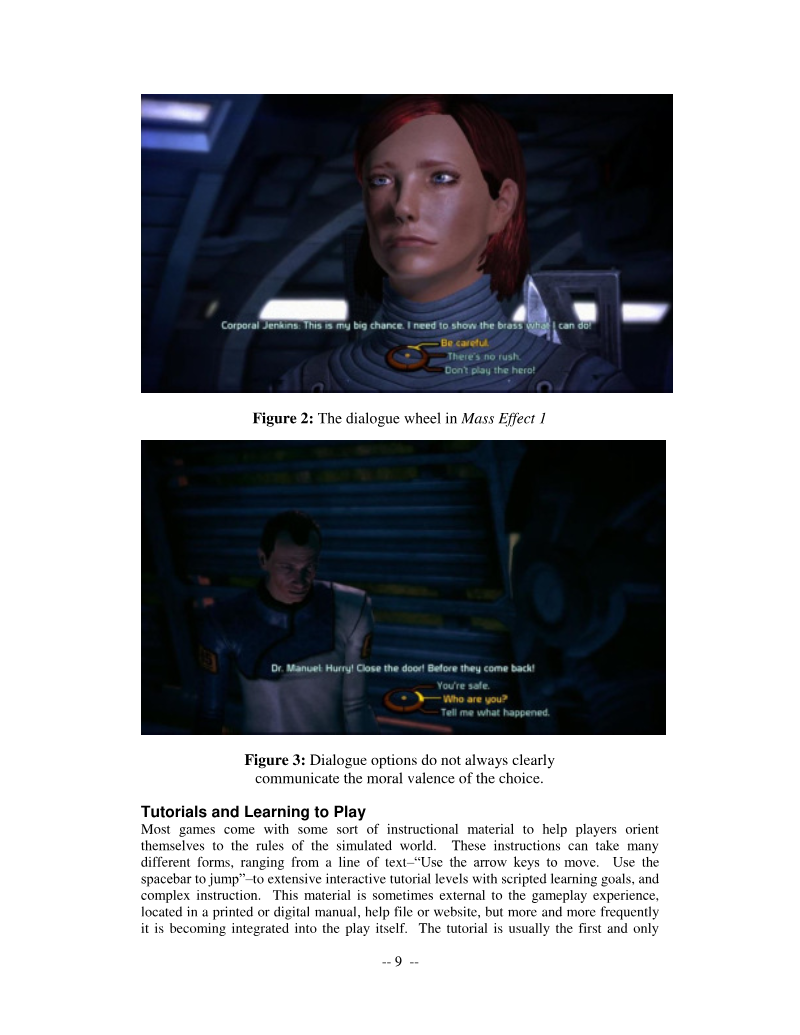
How I Learned to Stop Worrying and Love the Gamer: Reframing Subversive Play in Story-Based Games
Tanenbaum's analysis challenges a long-standing assumption in game design and interactive narrative research: that players are inherently subversive, seeking out exploits that undermine what designers intended.
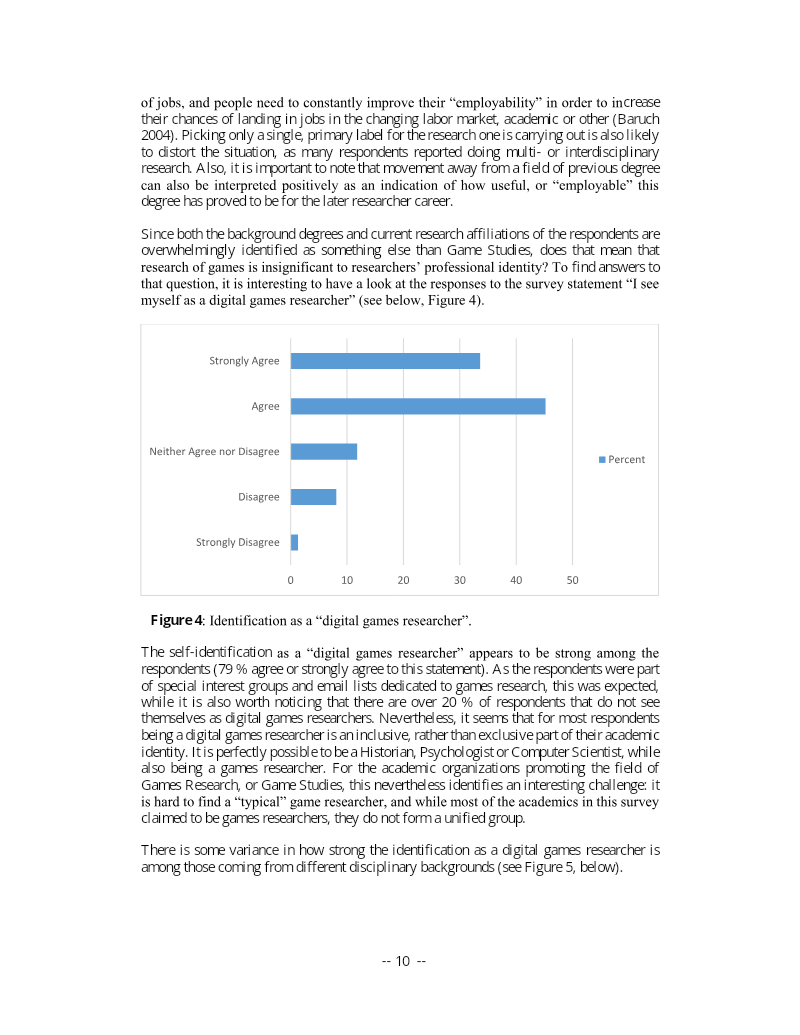
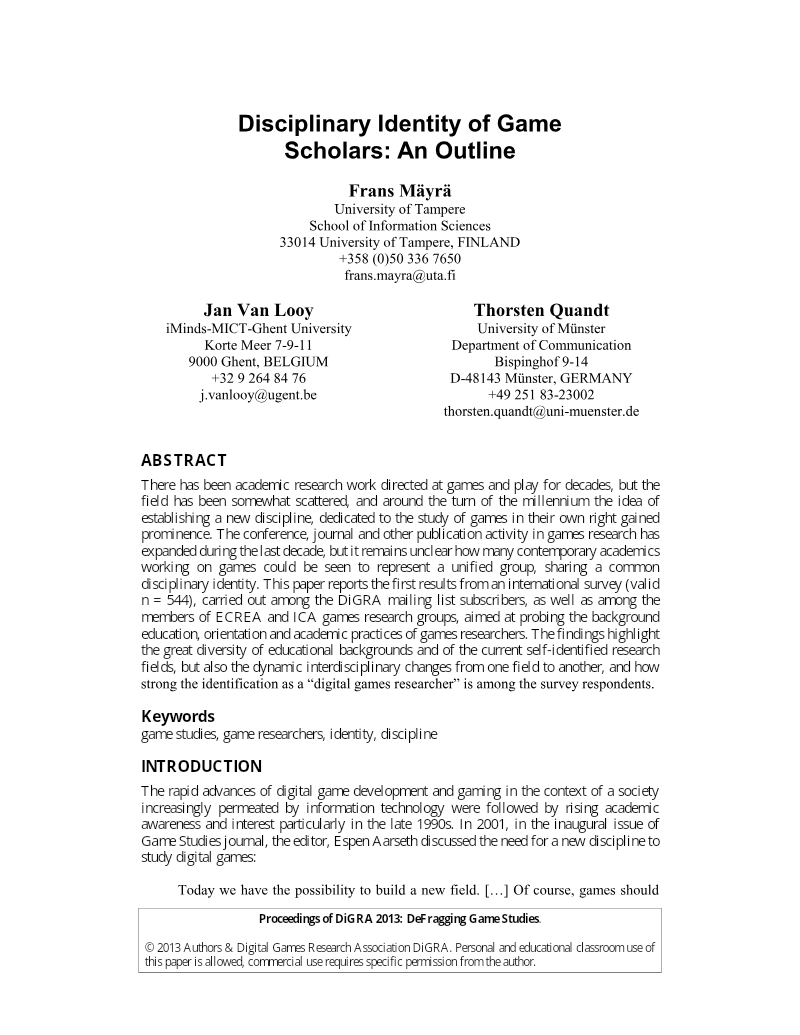
Disciplinary Identity of Game Scholars: An Outline
Digital games research has long grown out of several academic traditions, and this study examines whether those strands have consolidated into a coherent discipline.