
DiGRA
The Digital Games Research Association: the international association of academics and professionals who study digital games. Its Digital Library holds the proceedings of the DiGRA conferences since 2002.
Documents
Ethical Recognition of Marginalized Groups in Digital Games Culture
This paper argues that moral agents within digital games culture, including publishers, developers, critics, researchers, and players, bear an ethical obligation to promote equal treatment, opportunities, and justice for marginalized groups.
How Gaming Achieves Popularity: The Case of The Smash Brothers
A 2015 DiGRA study by Elmezeny and Wimmer examines how digital game culture is represented in mainstream and online media, using the crowd-funded YouTube documentary series The Smash Brothers as a case study.
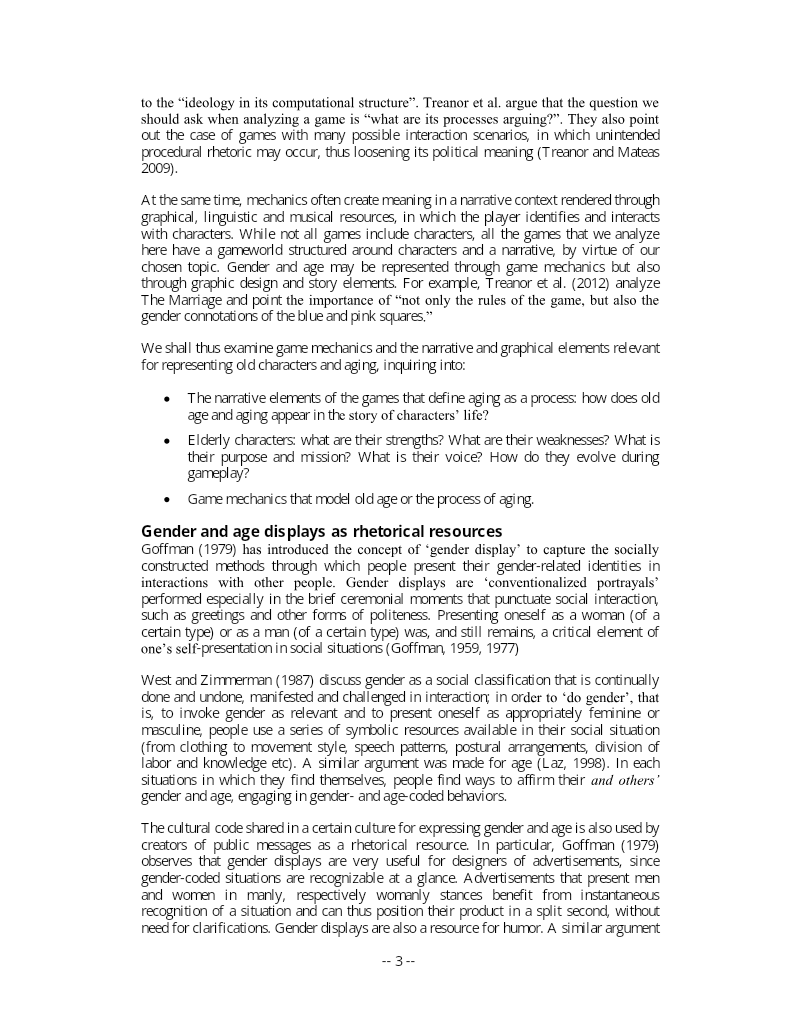
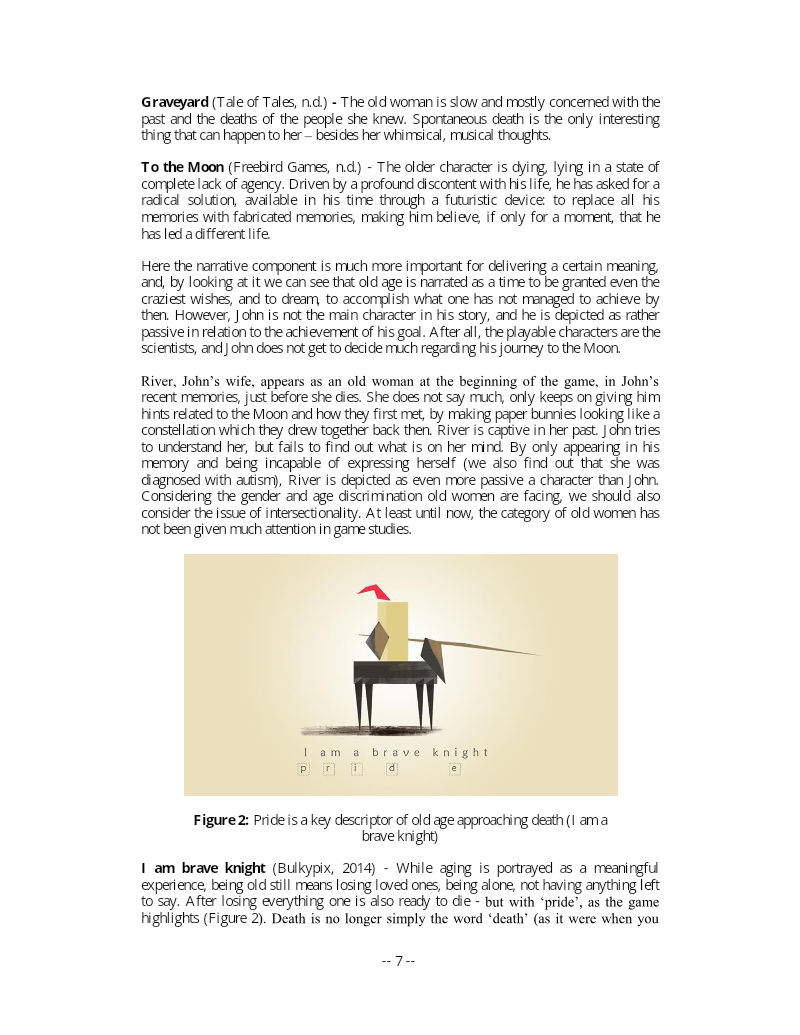
Time to Reminisce and Die: Representing Old Age in Art Games
"Time to Reminisce and Die: Representing Old Age in Art Games" argues that the medium's depictions of aging are narrow, and that older characters are rarely developed as complete, agentic figures.
Independent Gamework and Identity: Problems and Subjective Nuances
This study examines how independent game developers understand and practise their autonomy, and how that self-understanding is shaped by economic necessity.
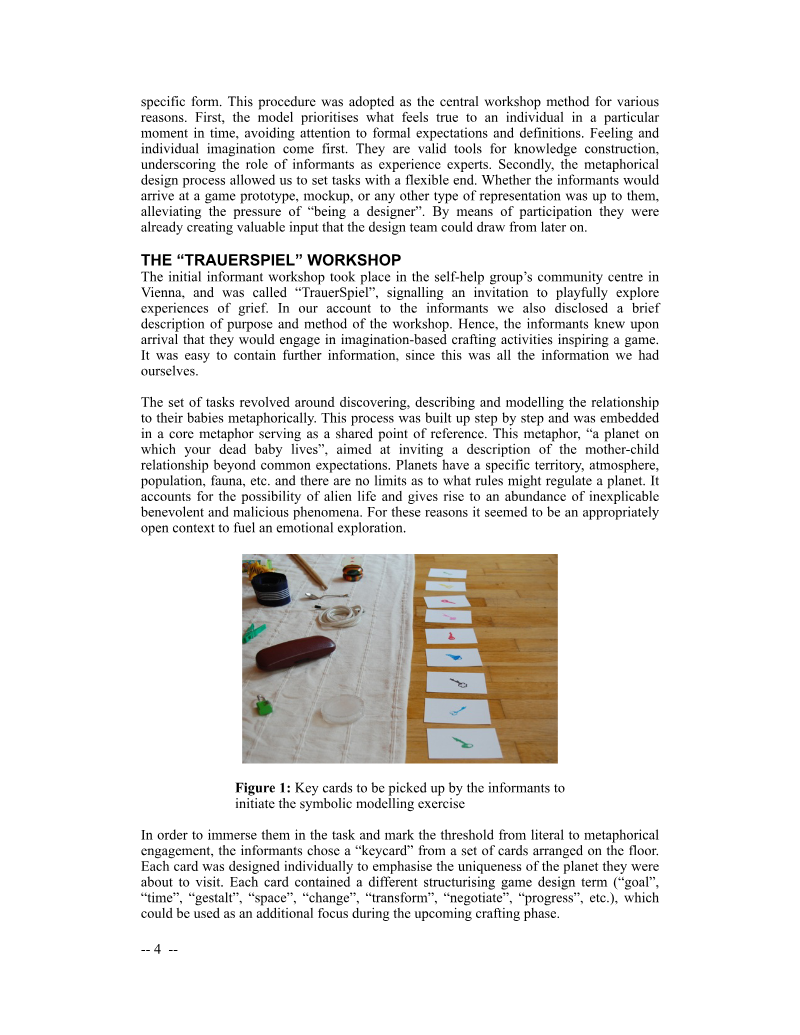
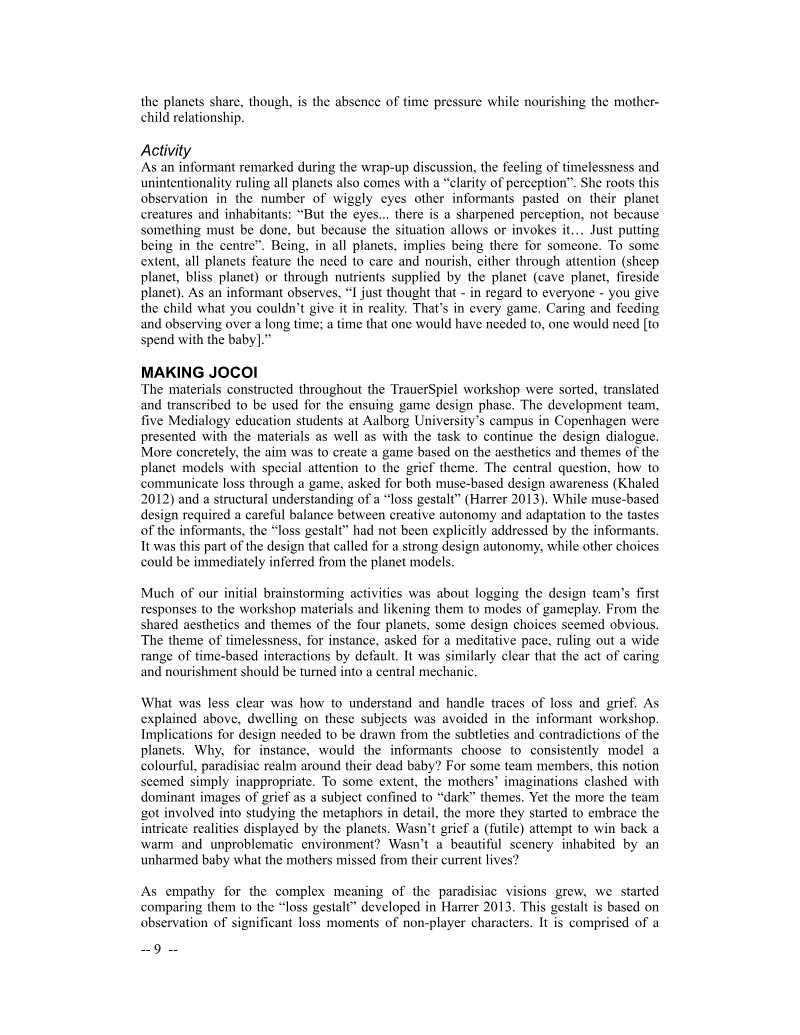
Inviting Grief into Games: The Game Design Process as Personal Dialogue
Jocoi is a game about grief over the death of a baby, developed through collaboration with an Austrian self-help group for bereaved parents, and this paper argues that game design should move away from an "emotioneering" model, in which designers engineer emotional responses through stimulus and reaction, toward facilitating…
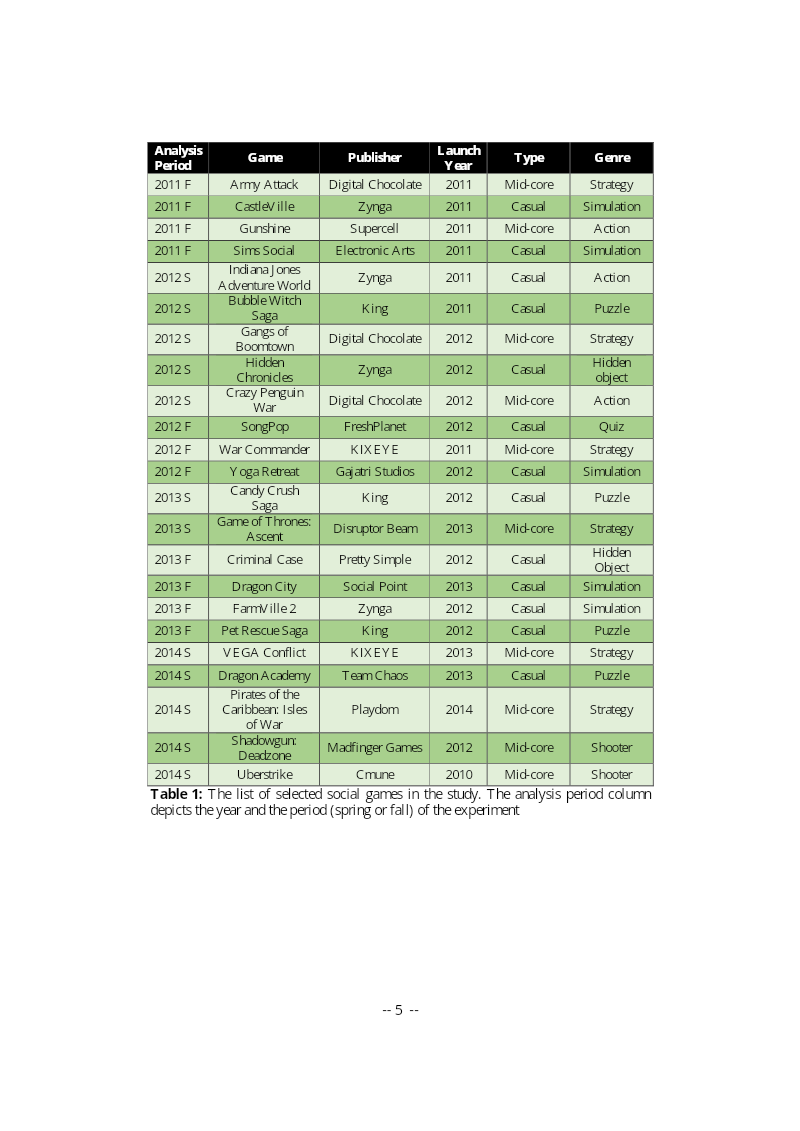
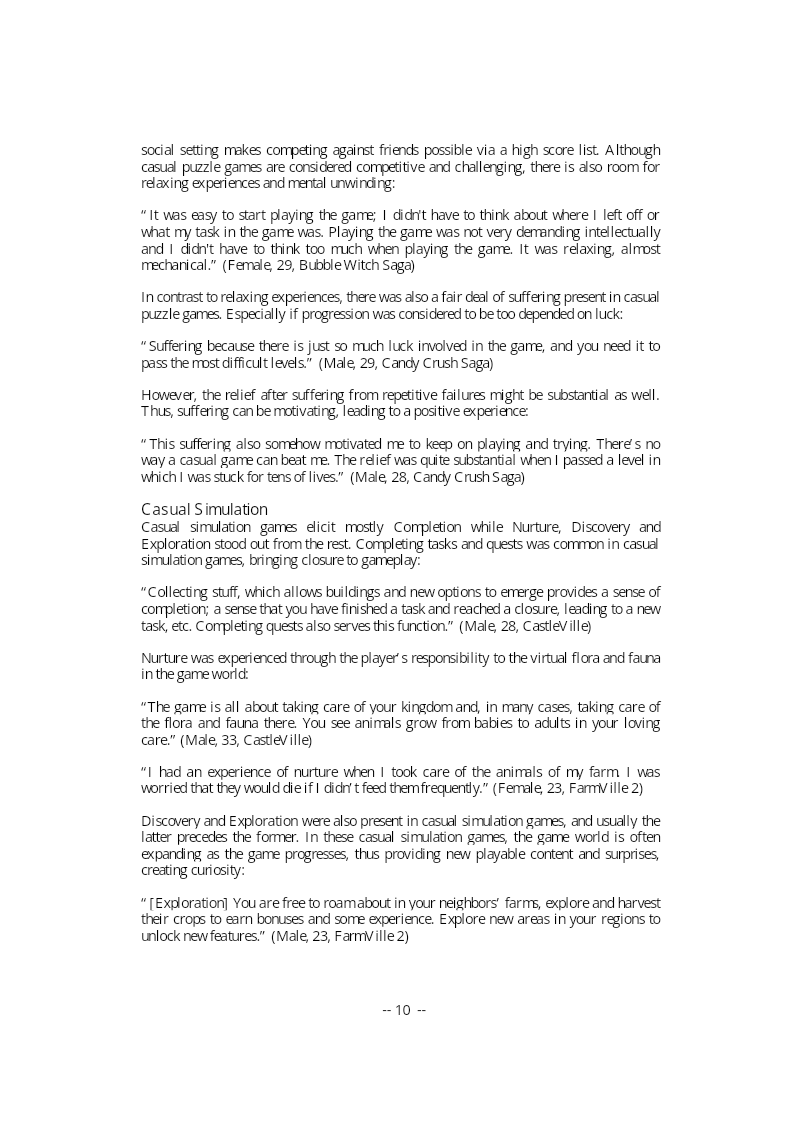
Exploring Playful Experiences in Social Network Games
This study examines the playful experiences that players report while engaging with social network games, using the PLEX (Playful Experiences) framework as its analytical lens.
Co-Creative Game Design in MMORPGs
In "Co-Creative Game Design in MMORPGs," Patrick Prax proposes a model for understanding co-creation in massively multiplayer online games, using World of Warcraft as its central case.
Ludology, Narratology and Philosophical Hermeneutics
This paper argues that hermeneutics, the theory of interpretation, is a valuable but underused method for analyzing discourse in game studies, and it proposes that the field's persistent questions about narrative, definition, and art can be approached with greater sophistication when hermeneutic principles are applied…
Free-to-Play Games: Professionals' Perspectives
Game industry professionals in Finland generally regard the free-to-play model favorably, viewing it as a legitimate and often fairer alternative to upfront purchase, and as a practical necessity in mobile gaming.
Player and Figure: An Analysis of a Scene in Kentucky Route Zero
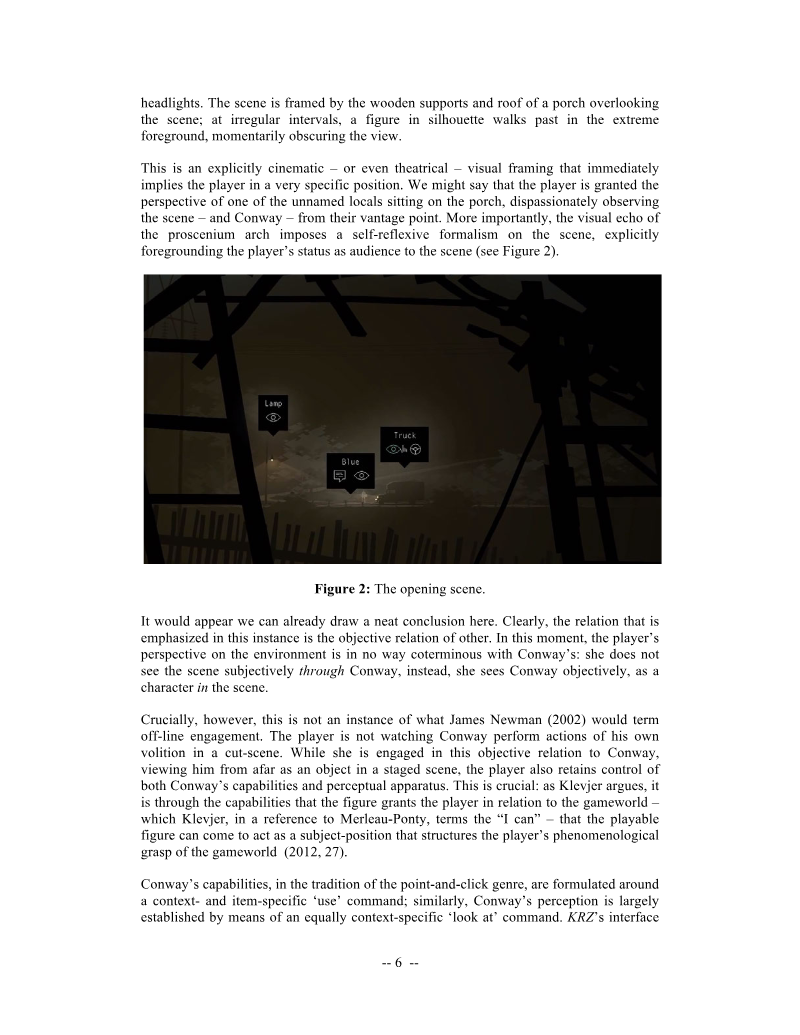
In "Player and Figure: An Analysis of a Scene in Kentucky Route Zero," the author develops a two-axis, four-aspect model of the player-figure relation in games, arguing that earlier theories have conflated two distinct dualities: the ontological status of a playable figure as both self and other (avatar versus character), and…
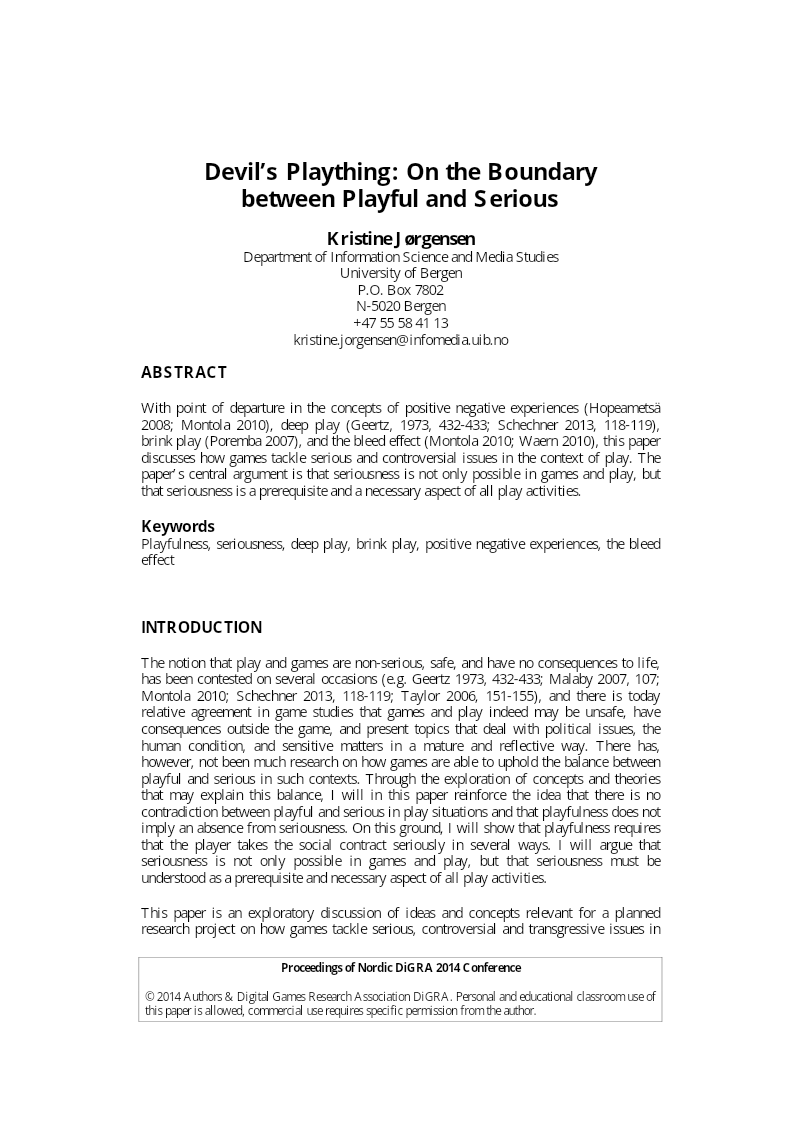
Devil's Plaything: On the Boundary Between Playful and Serious
Jørgensen's essay "Devil's Plaything" challenges the common assumption that seriousness and play are opposites.
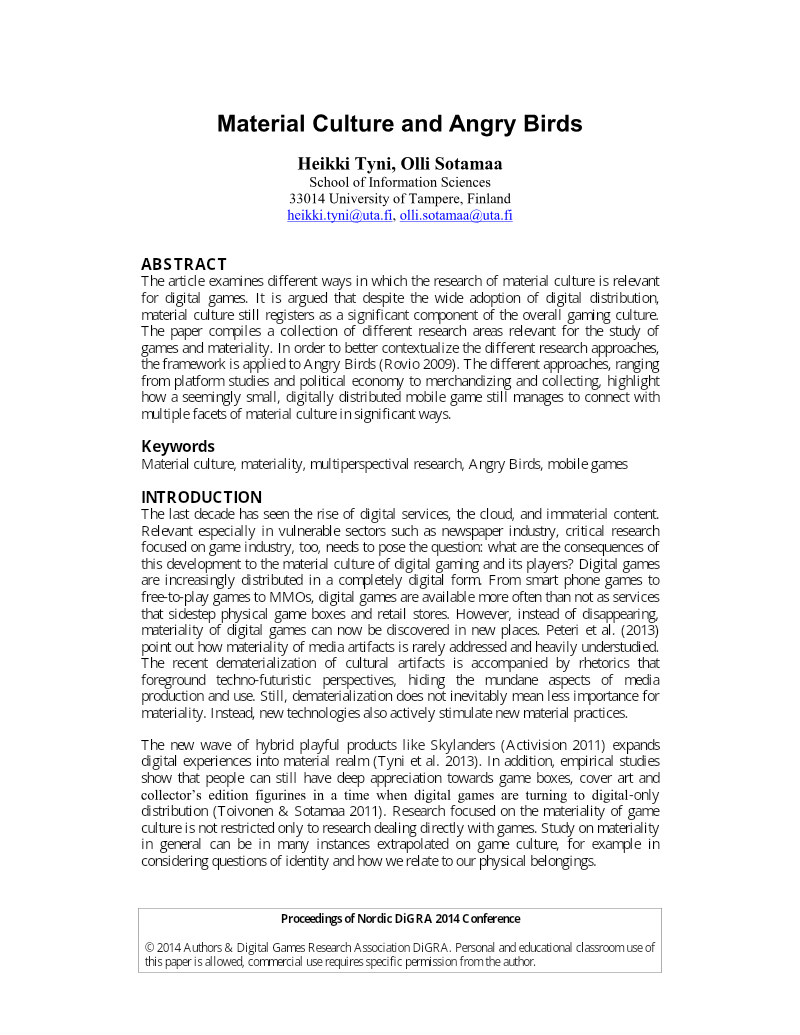
Material Culture and Angry Birds
The study argues that material culture remains central to digital games even as distribution has shifted toward digital-only models.