1 free read left. Create a free account for unlimited reading + AI research.
Create free accountWhitepaper DiGRA
1 free read left. Create a free account for unlimited reading + AI research.
Create free accountWhitepaperDiGRA
Distilling the key insights…
The proceedings front matter from the sixth biannual Digital Games Research Association conference, held August 26–29, 2013, in Atlanta, Georgia, frames game studies as an interdiscipline that must balance growth with coherence. The conference theme, "Defragging Game Studies," uses a playful play on "frag" and "defrag" to argue that the field's diverse methods and perspectives should be organized and articulated so the research community remains unified rather than splintering into separate disciplinary camps.
The welcome material identifies several patterns in the program. Presentations are weighted heavily toward the humanities and the social and behavioral sciences, which outnumber smaller tracks by a considerable margin. The authors attribute this partly to growing student interest in those fields and partly to DiGRA's perceived academic standing, noting that some computer science scholars chose other venues such as CHI or SIGGRAPH. Growing attention to games as fine art and to gender is also highlighted, reflected in co-located conferences and exhibitions.
The document describes a maturing field with rising submission volumes, expanding university games programs, and a notable shift in which many presenters were once graduate students at the first DiGRA conferences. It also acknowledges limitations: the field remains predominantly composed of scholars from American and Western European traditions, and its scholarship concentrates on online communities, particularly MMOs, learning games, and games for change. Emerging areas include independent and art-based games and close-playing methodologies. The overall conclusion is optimistic about the field's trajectory while calling for greater inclusivity of perspectives, methods, and subjects.

DiGRA · 2016
DiGRA · 2016
DiGRA · 2016
DiGRA · 2016
DiGRA · 2016
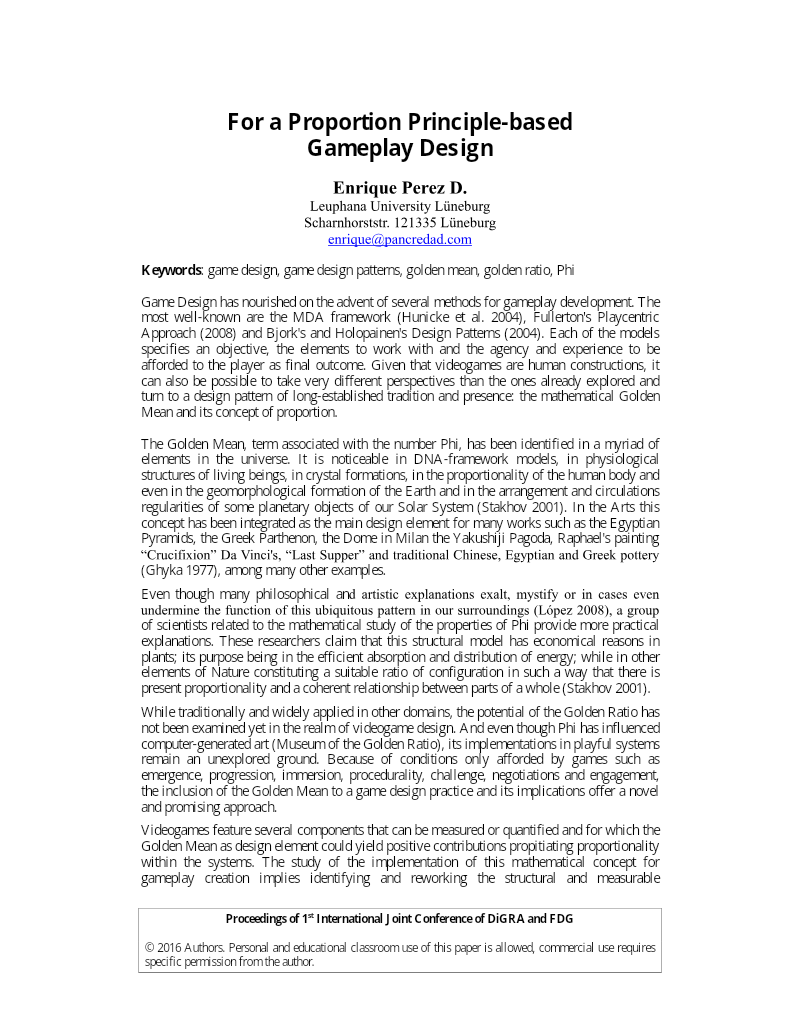
DiGRA · 2016
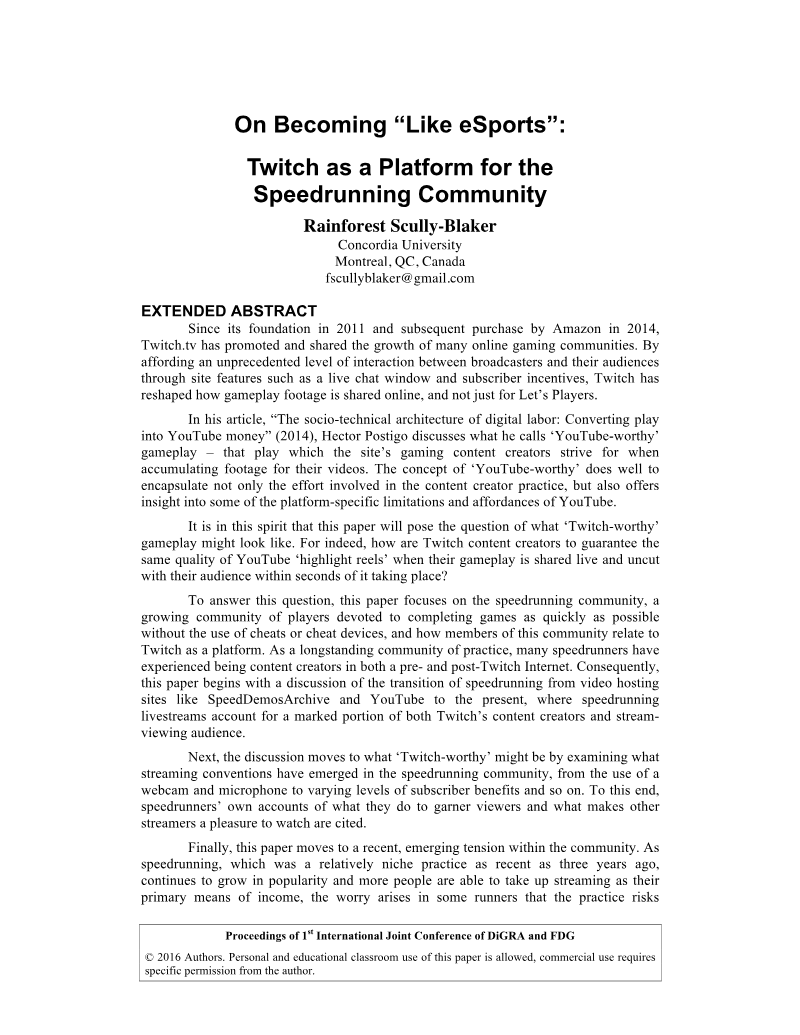
DiGRA · 2016

DiGRA · 2016
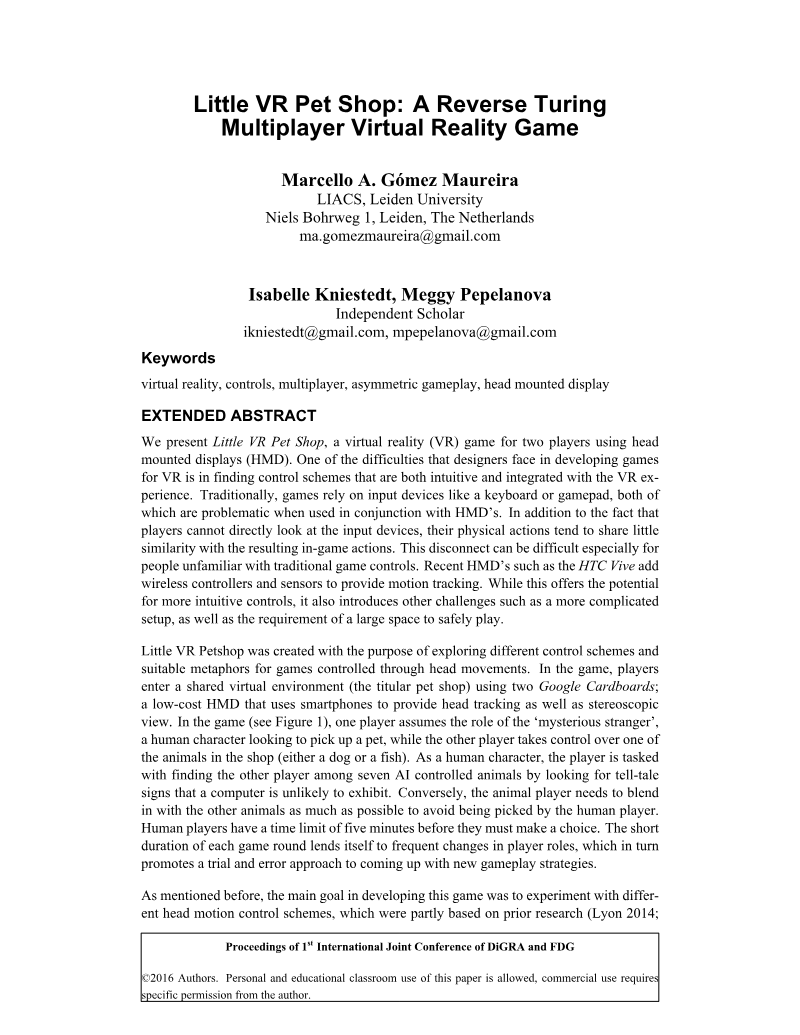
DiGRA · 2016
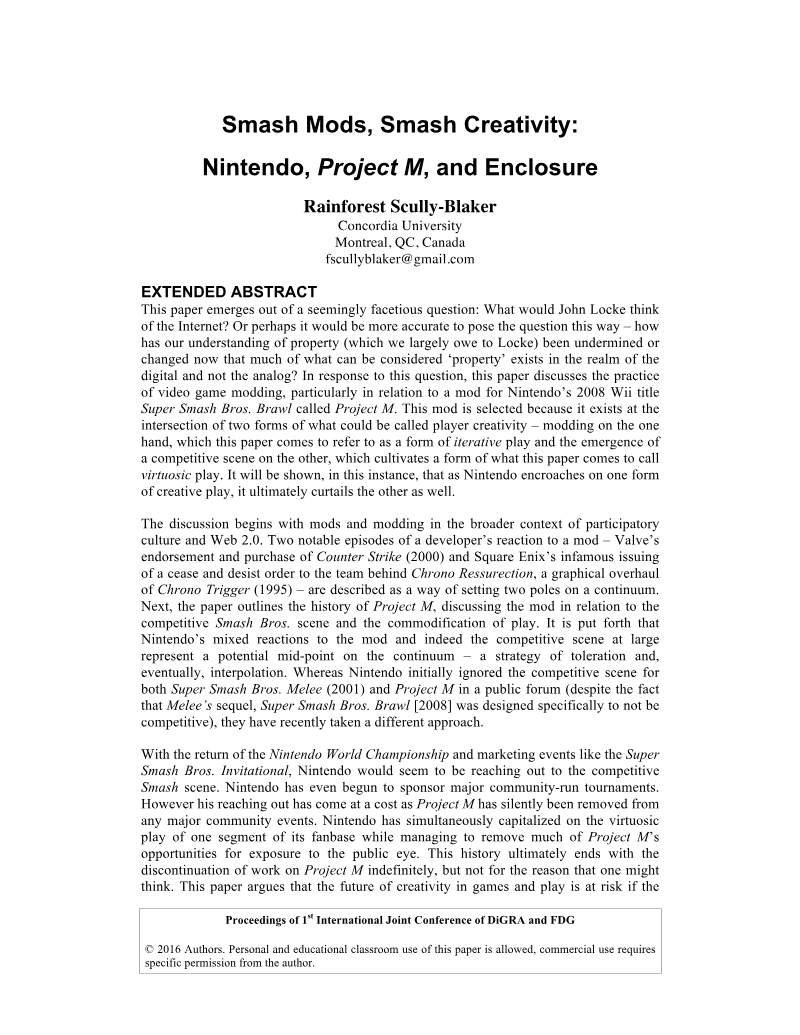
DiGRA · 2016
DiGRA · 2016
DiGRA · 2016
DiGRA · 2005