1 free read left. Create a free account for unlimited reading + AI research.
Create free account
Low budget growth tactics that every games developer should know about
Key insights
7 takeaways- 01Avoid paid user acquisition until retention is optimized, as spending on games with high churn creates a 'leaking bucket' scenario that wastes capital.
- 02Prioritize the first-time user experience (FTUE) because approximately 80% of users play a game only once, making the initial session the most critical window for retention.
- 03Delay push notification requests until a moment of high user value rather than triggering them immediately upon launch to reduce unnecessary friction.
- 04Increase the impact of shared content by using dynamic media like GIFs and context-aware, emotionally resonant text instead of static screenshots.
- 05Replace ineffective static social media buttons with sharing features optimized for private messaging channels, which are preferred by the majority of users.
- 06Improve the virality coefficient by integrating referral systems directly into the core gameplay loop, offering tangible incentives like extra lives or in-game currency.
- 07Ensure referral flows are frictionless by designing links that lead directly into the game and automatically establish social connections between players.
Ask AI about this video
Transcript
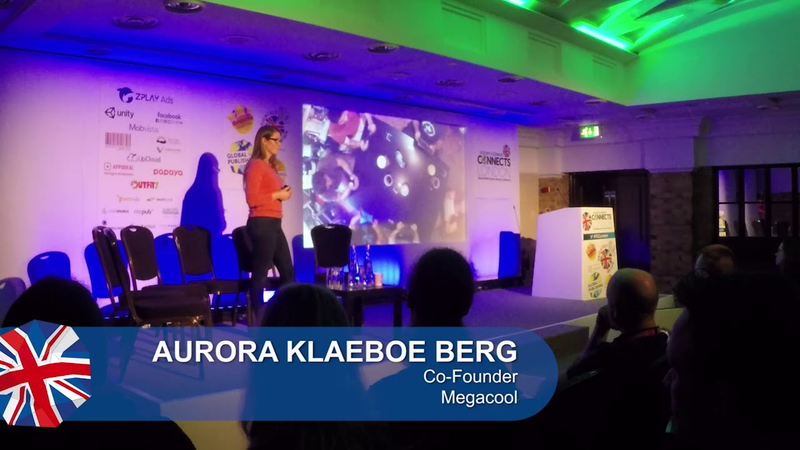
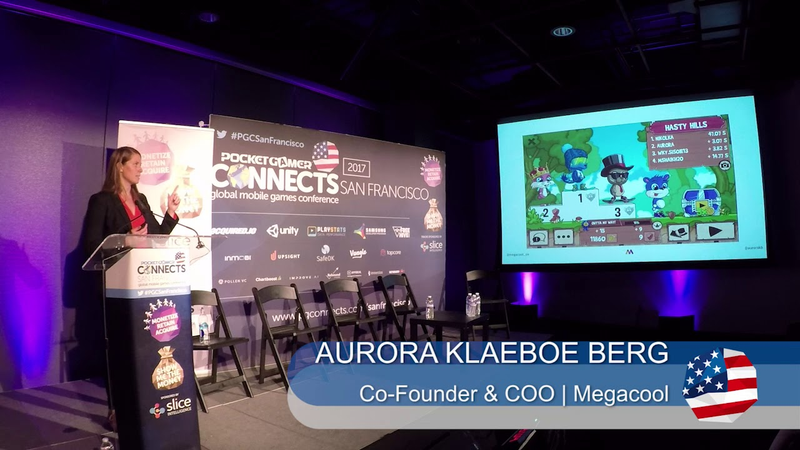
[Music] [Music] so four and six years ago I was part of every game developpers wet dream we were ranking number one and number two on the US up store I don't know why the graphics are so is there something about the resolution all right well we were launching the game's fun run and with Fun Run you were chasing as a cute forest animals and experiencing the Mario Kart experience on mobile you were competing with your friends in real time
and the graphics are still pretty pixelated sorry guys I guess we'll just have to deal with us so with the front end games they didn't just go to the top of the charts by itself actually when it launched it was pretty lonely there were not that many developers and players out there playing the game but after spending a lot of time tweaking optimizing listening to feedback suddenly the masses started to pour in and the inflection point came as the game introduced a Twitter competition where they were encouraging
users to tweet about hashtag fun run for a chance to win in-game currency and then following this you could come to any high school in the US and it would look like this so today the Fun Run IP has reached over a hundred million downloads but today replicating a success like Fun Run is pretty hard one of the real reasons it did really well was that the game app space wasn't that saturated secondly was introducing a new and unique type of game play and third it had a very simple game design so that anyone should be able to start and play the game and today I want to actually talk about low budget growth tactics with you because when it all comes down to it how you're growing your games shouldn't be relying solely on spending
a lot of money for you start position actually when I'm talking to a lot of companies their least resort if their game is not performing they're like we're just gonna double down and you start the session and hope hope that it's gonna save us but actually if your game isn't doing really well it's just you're going to resort in a bleeding bucket like this one so what is it that you can do to really leverage your users and be able to grow your user base without spending the big bucks like all the big studios are doing there's actually some very simple things that you can do and it's something that me and my partner at Maine Cole is really doubling down on to really figure out like how can you increase that engagement and morality for games without having to spend the big dollars and so actually this is bringing
everything back to basic because it's something called first-time user experience and it's something that all users is going to experience trying your game with the first-time user experience what we're talking about is that first session what is happening in that session and what type of friction points occur that may result in them leaving your game because the fact is that 80% on average is only going to open your game and play it once so you have one shot at showing them that it's worth their while to return so I always find it really really hard whenever I try a new game and this is the first screen that pops up I think about 50% of the games I play this is the first thing that someone asks me - can i see a raise of hands how many people when this is the first thing you see in a game usually it clicked ok so three people how many clicks don't allow
so why do you still keep it in your games so there's nothing wrong with push notifications don't get me wrong there is something wrong with the timing of asking this because if if three out of I don't know 50 people are only accepting it why don't you wait I'm interesting the introducing this until a point in time in the game wouldn't make sense for the user to opt in a game that I think does this really well is a game called HQ trivia there you actually have to be alerted for their live events when with a push notification so it really make sense for you as a user to dropped in because you really want to have that information but another thing that is really important when it comes to that first-time user experience is the
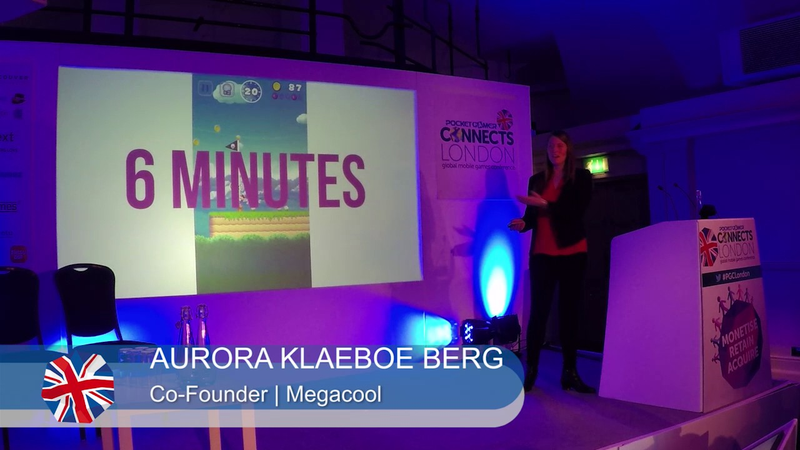
tutorial and onboarding and how many here have played Mario run a few of you so when you played it do you remember this sequence here anyone remember how much time it took for you to get to that scene six minutes you must really want to play Mario run to stick along for six minutes before you can actually play the game anyone remember the original how much time that took zero they just threw in there you have to figure it out yourself you started left over the screen and then you had to hit it right to actually start doing anything it was part of the game to teach it to you it wasn't like I'm sure the team had
very good thoughts behind putting you through all those steps but it didn't really make you want to play the game much more like the game in itself is what you're there for so really think about how you're building up the tutorial and onboarding process remember why are your users there when we were launching fun went to we actually a be tested what the users we're doing in terms of retention with or without a tutorial and it turned out that users without a tutorial actually retained longer so we actually moved it away and hid it in the settings scene so whatever works for you I don't know but you should really test it test it and figure out what that is because when you're making this first time user experience it should be so simple and intuitive that both a toddler and your grandma can do it so how many here have tested your
game son great your grandma won good job I hope next time more you are doing this because it may sound stupid but if you really want to figure out like what it's communicated to you sir what do they see what is the intuitive next steps for them it's really about how is your grandma figure this out so my first point of today is to really think about where are your friction in the game because it's we don't have to talk about marketing your game without this thing really working out for you it doesn't matter it's gonna be a bleeding bucket so you really think about that so going from that experience and over to motions and engagements sorry we've engagement engagement is driven by emotions and in your game
there should be elements that are resulting in high arousal there should be like things that make you really happy and really mad and I think a good example of a game that does this is space team I'm wondering how many here have tried space team before a few of you the rest of you are totally missing out it's a great game where you work together as a team to launch a spaceship we actually play it a lot in our team as a way to like break the ice in the morning and so here's just a clip of the game it's really cool and it really brings out the emotions like you're about to lose but you're loosing together and
you're just being able to bring it back in and and making it work regardless so check it out and see if there's elements of this you can bring to your game another example it's again the HT trivia game where it's really a live trivia game where you can talk together know you can try to win money by answering 12 quiz points and there are people that are meeting up in groups I've heard of companies where they stopped the workday just to collaborate and seeing if they can win this game they have to live events a day and it really brings out the emotion and partnerships and when it took when we talk about emotions when you really like something you want to share with others and there's one very basic way of
sharing it's to say hey everyone play space team there's another thing coming from your game in itself like how do you really tell the world from within and when we claim that sharing is broken it's because this is usually what happens when games to do is implement sharing you put a Twitter and Facebook button in your game and you expect it to go viral and when guilty it's super shy and what happens here is that it like how many here have shared to Facebook it's like five of 50 so not that many how many share things via private channels like whatsapp or messaging a few more not that many is like expected but when
you're sharing from games it's usually a screen shot like this as in crusty Road Crusader I did a great job here where you capture the crash and then you could share it to whatever channel you wanted and the good thing about sharing an image from a game is that images says more than a thousand words which means that it's much easier to convey what the game is about by sharing screenshot but what's even better is if you add emotion emissions to it and before we get into that we have to settle something who are you are you a gif or Jif person can I see a race of hand of who here says gif and who here says a jiff oh do please the crowd we have to say gif so a gift says more than 50 images what I mean by that is the animation around capturing what a
game is about is much better than just sharing a static screenshot in most cases and one example is how Katz is doing it so following a session of the game you're actually able to share that replay right away if you want to and you can share it to whatever channel you like but back to sharing is broken and it's not broken really broken because you're only leveraging Facebook and Twitter it's broken because there isn't much thought put into why your users want to share like what is the motion that they want to convey and we've been looking into the data for this and it turns out that the majority of people that are sharing they will actually want to share to messaging channels
and maybe more surprising than not is that the second is email third is Facebook and fourth is Twitter what this shows is that we're now more likely to share privately then as social and it's something that resonates very much with me I don't want to share to the friends that I've been building up my presence with over 10 years on Facebook because they may not be interested in this these things it's more violent to the close friends I know are interested in these things another part of this is when you're leveraging your users to share why don't make it more fun like usually what we see is that someone will add a sharing text being like I just beat level hundred come join me playing this game it really sounds like some advertisement going on and it's not you're not that likely to engage with it
one thing we saw worked really well with the Fun Run 2 was that we would actually look to Twitter and see what are your users saying when they're sharing what is their emotions with their game and we would trigger this based on different events in the game so if each player without winning you would get having a blast if you won you would say all those guys just got washed or get him a level son or want to catch an L these words are not very familiar to my vocabulary but it turned out that it was exactly what our users were saying and if we if you were playing a golden fox which was the rarest character in the game then you could be triggered to say I just beat the golden fox and what I'm trying to make a point out of here is that with suggesting texts to your users they're actually going to get like a very variable reward every time they hit the share button because they don't know
what type of tax you're presenting them with and it's going to be feel much more engaging for them to be sharing these things so my second tip is to make sharing emotions simple and frictionless for users it's all about like are you making it simple for them or not so going from emotions to morality there is a difference between morality and going viral every game has a element of morality to them it's all about how many users is one per user bringing in to the game what we can think about is if every user brings in one new user you have a variety of one and you're going to see this hockey stick of going going what we consider viral if it takes five users to
get one user in then you have a royalty coefficient of 0.2 this is this is a difference here and ways that you can leverage this just like uber has been doing Dropbox was doing it it's called referrals and you can incentivize users by triggering something that is core to the gaming experience and I think HQ starts with bringing them up again but they're very much in a moment but they're doing this really well because quartz or the game is a life system and the only way you can get extra lives is by getting friends referring friends to the game so the flow is that when you're in the game you hit the invite button you get to see your referral code you can share that and you can choose whatever channel you want to share it to another example of a referral however not incentivized is how my record is and
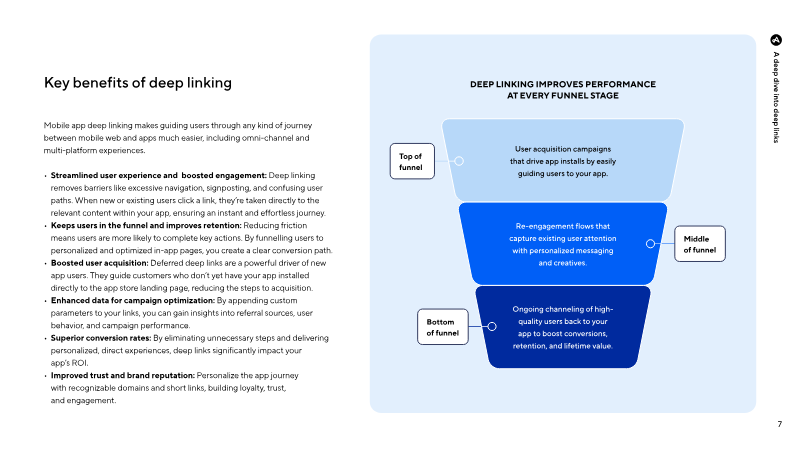
my run is doing it they are allowing you to invite friends with face no messaging and email when you're doing this you're getting to share a text like this iris if the recipient clicks the link gets taken to the app store can open the App Store and then install and then you have to send another friend requests I think that Super Mario run Mario run can do this much better by removing the friction it's another suggested workflow here for them would be to send something more graphical and being more to do points and then when the user clicks the link it can open the App Store and then you're automatically friends in the game you don't have to send another friend requests because you clicked it clicked each other's links and if you have the game installed already you should actually skip the second step and go straight into game and start playing so
when it comes to doing referrals it can both both boost in new installs as well as re engaging existing users for a game so my third point of today is to leverage referrals for a game and this is there's a lot of technologies out there that you can use for this and to summarize this I really hope that when you think about how to mark your game you don't start with a marketing budget you actually start with what friction points are in my game today that I can remove so that more players are actually entering the game and experiencing it and can actually be players that are going to be long-term players and then secondly you have to make sharing these emotions that spur morality as frictionless and simple as possible and
third find a way to leverage referrals for your games and I hope that this was informative if you want the slides you can email me and next time we meet I hope you can the show for the same type of engagement as Black Friday in the u.s. is healing every year so this is it for me thank you very much for listening [Applause] [Music] [Music]
Summary
Game developers can achieve sustainable growth without relying on large marketing budgets by focusing on core product optimization and organic user engagement. The primary thesis is that developers should prioritize removing friction within the user experience and leveraging existing players to drive acquisition through emotional connection and incentivized referrals. Relying solely on paid user acquisition for a game with poor retention creates a "leaking bucket" scenario where capital is wasted on users who do not remain engaged.
The first critical area for growth is the first-time user experience (FTUE). Data indicates that approximately 80% of users play a game only once, making the initial session the most vital opportunity for retention. Developers should test onboarding processes rigorously, as complex tutorials often introduce unnecessary friction. Furthermore, push notification requests should be delayed until a moment of high user value, rather than appearing immediately upon launch.
Engagement is driven by emotional intensity, which can be fostered through high-arousal gameplay mechanics that encourage social interaction. When users experience strong emotions, they are more likely to share their experiences. However, traditional sharing methods—such as static social media buttons—are often ineffective. Instead, developers should facilitate sharing through private messaging channels, which are preferred by most users. Sharing should be made more impactful by using dynamic content like GIFs rather than static screenshots, and by providing context-aware, emotionally resonant text that reflects the user's specific in-game achievements.
Finally, developers should implement referral systems that are deeply integrated into the core gameplay loop. By incentivizing referrals—such as granting extra lives or in-game currency—developers can improve their virality coefficient. Effective referral flows must be frictionless, ensuring that clicking a link leads directly to the game and automatically establishes social connections between players. By focusing on these low-budget tactics, developers can build a self-sustaining user base that grows organically.















Comments