USA reports and market data
Documents
The Power of Video Games in Education
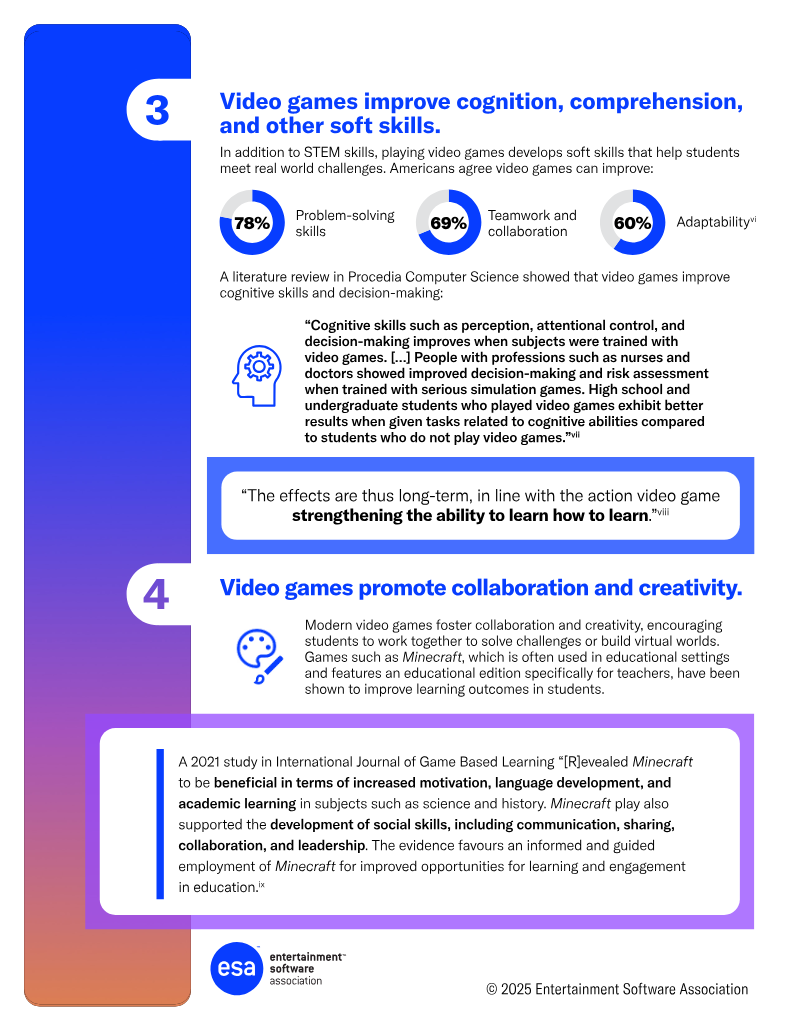
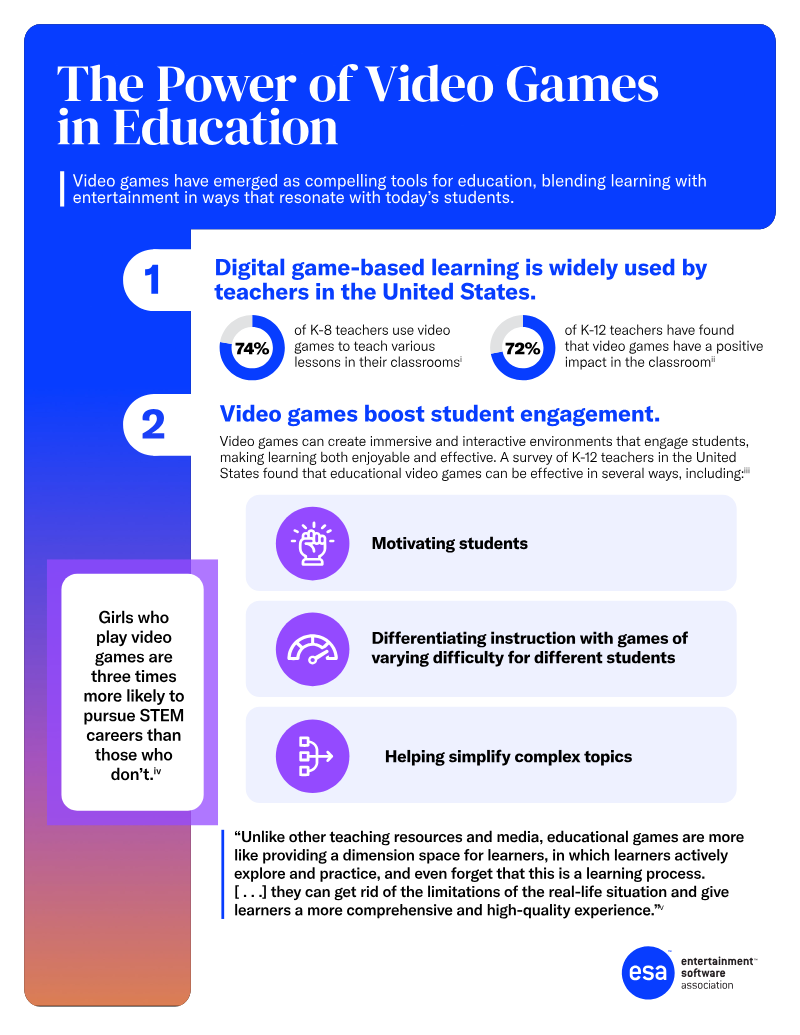
Digital game-based learning has become a significant pedagogical tool within the United States K-12 education system, driven by the ability of interactive environments to foster student engagement and academic success.
- Approximately 74% of K-8 teachers in the United States currently integrate video games into their curricula, with 72% of K-12 educators reporting a positive impact on classroom outcomes.
- Gaming experiences correlate with increased interest in STEM careers, as girls who play video games are three times more likely to pursue these fields.
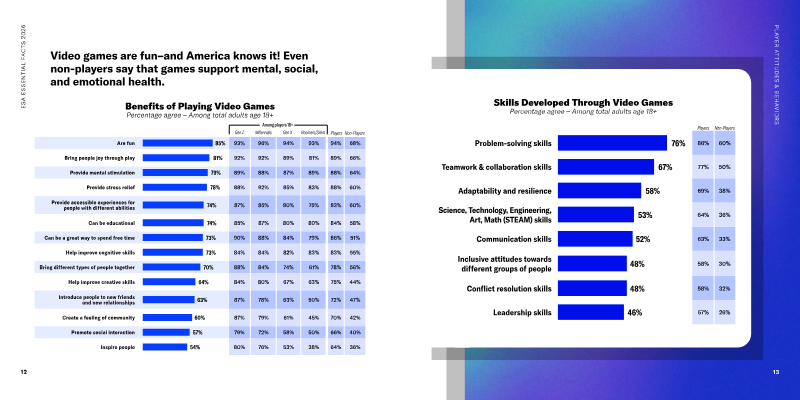
- Public perception strongly supports the cognitive benefits of gaming, with 78% of Americans citing improved problem-solving skills, 69% noting better teamwork, and 60% recognizing increased adaptability.

Healthy Aging and the Surprising Benefits of Play
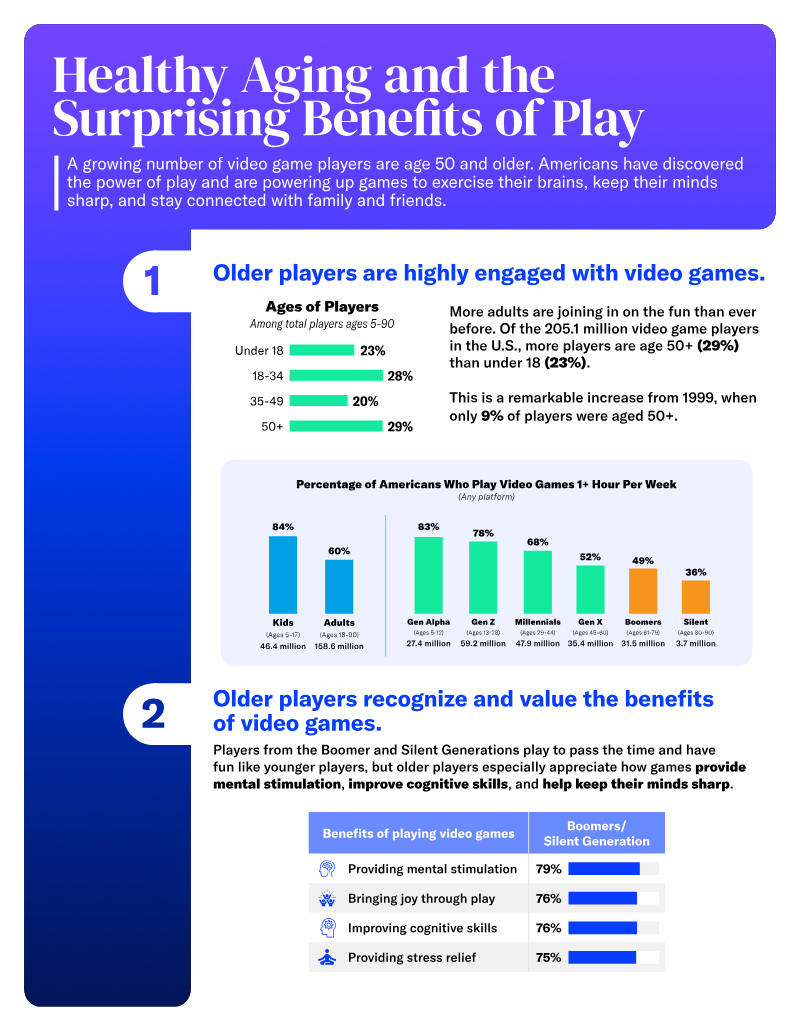
The demographic landscape of the American video game industry has shifted significantly, with individuals aged 50 and older now representing the largest segment of the player base.
- Individuals aged 50 and older now constitute 29 percent of the 205.1 million video game players in the United States, a significant rise from 9 percent in 1999.
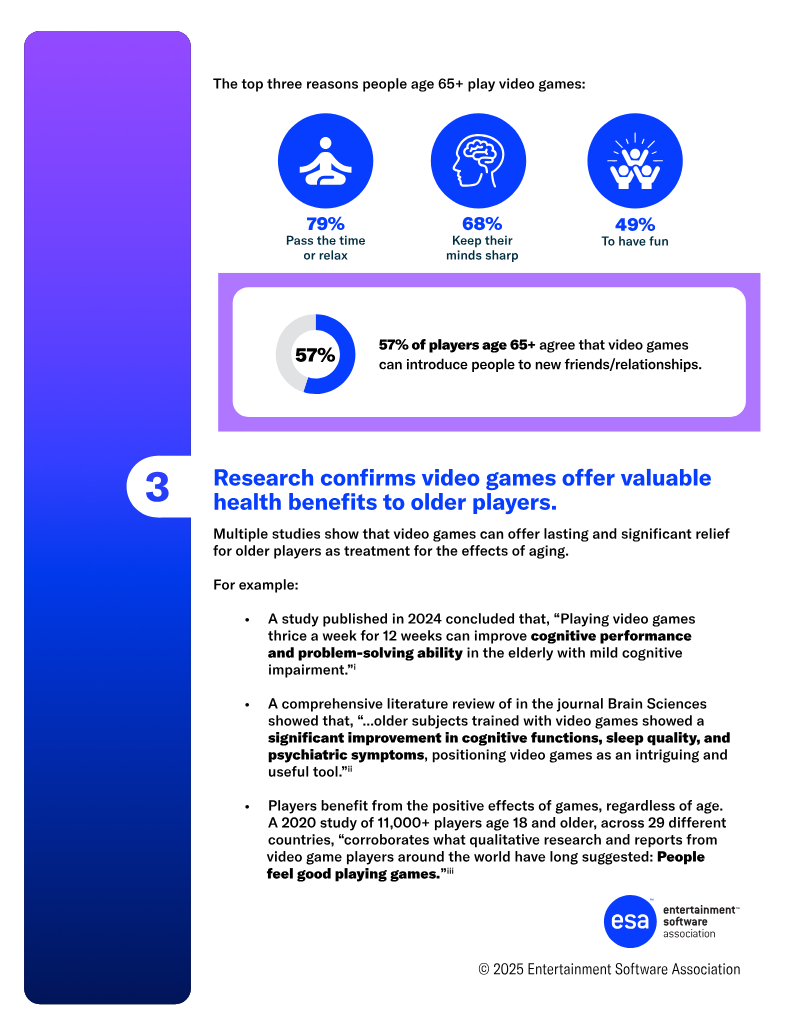
- Mental stimulation is a primary motivator for 79 percent of older players, with 68 percent of those aged 65 and older specifically gaming to maintain cognitive sharpness.
- Clinical research involving over 11,000 participants indicates that playing games three times per week for 12 weeks can improve problem-solving abilities and cognitive performance in individuals with mild impairment.

Benefits of Video Games in K-12 Education
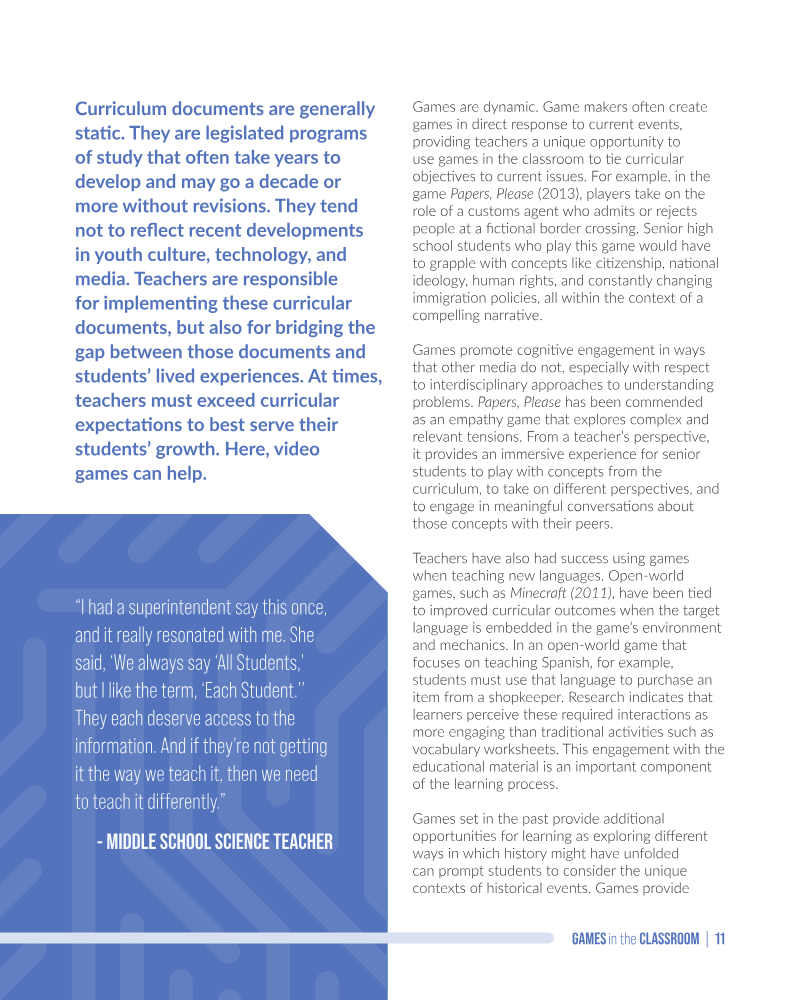
Video games function as transformative pedagogical tools within K-12 education, shifting students from passive recipients of information to active participants in their own learning processes.
- Video games shift K-12 students from passive information recipients to active participants, fostering critical thinking, complex problem-solving, and resilience.
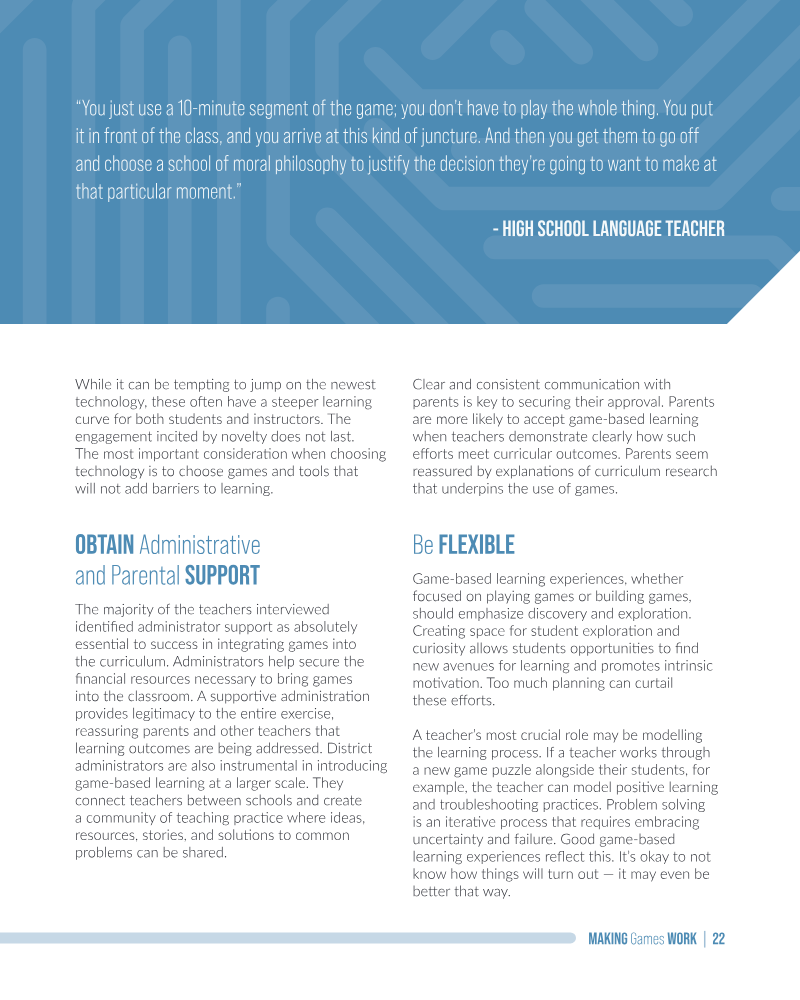
- Effective implementation requires strategic pedagogical integration rather than superficial gamification, utilizing short-form game segments aligned with specific learning objectives.
- Game-based learning accommodates diverse learning styles and provides personalized pacing, bridging the gap between rigid academic standards and student experiences.
Video Games in the 21st Century: The 2020 Economic Impact Report
The United States video game industry functions as a critical economic engine and a primary catalyst for technological advancement.
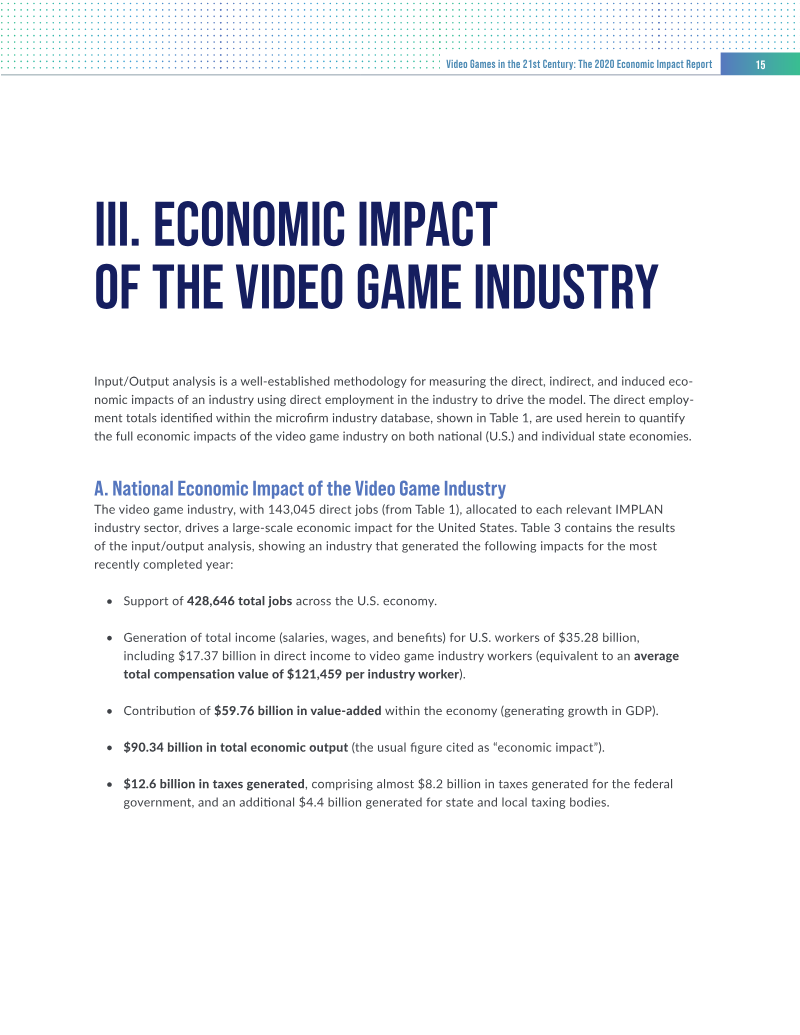
- In 2019, the U.S. video game industry generated $90.34 billion in total economic output and contributed $59.76 billion to the national GDP.
- The industry supports 428,646 total jobs across the U.S., with a multiplier effect of 3.0 that impacts 494 diverse economic sectors.
- Data aggregated from 11,427 establishments across software, hardware, and services confirms that California and Washington remain the primary geographic hubs for the industry.
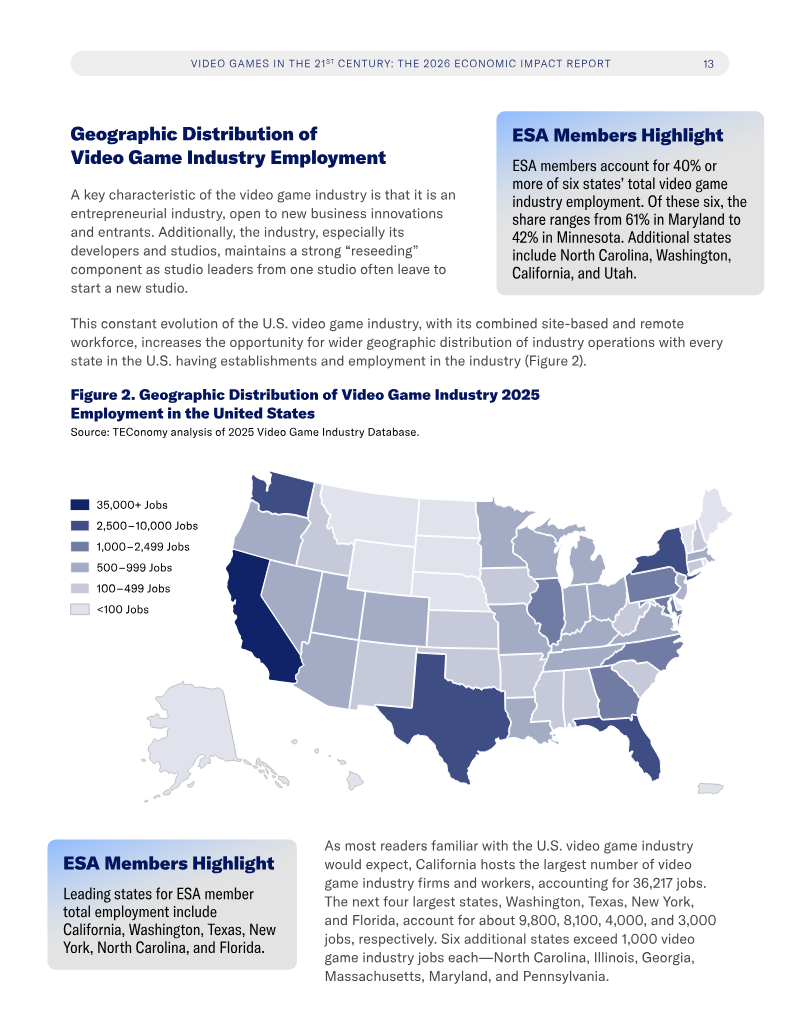
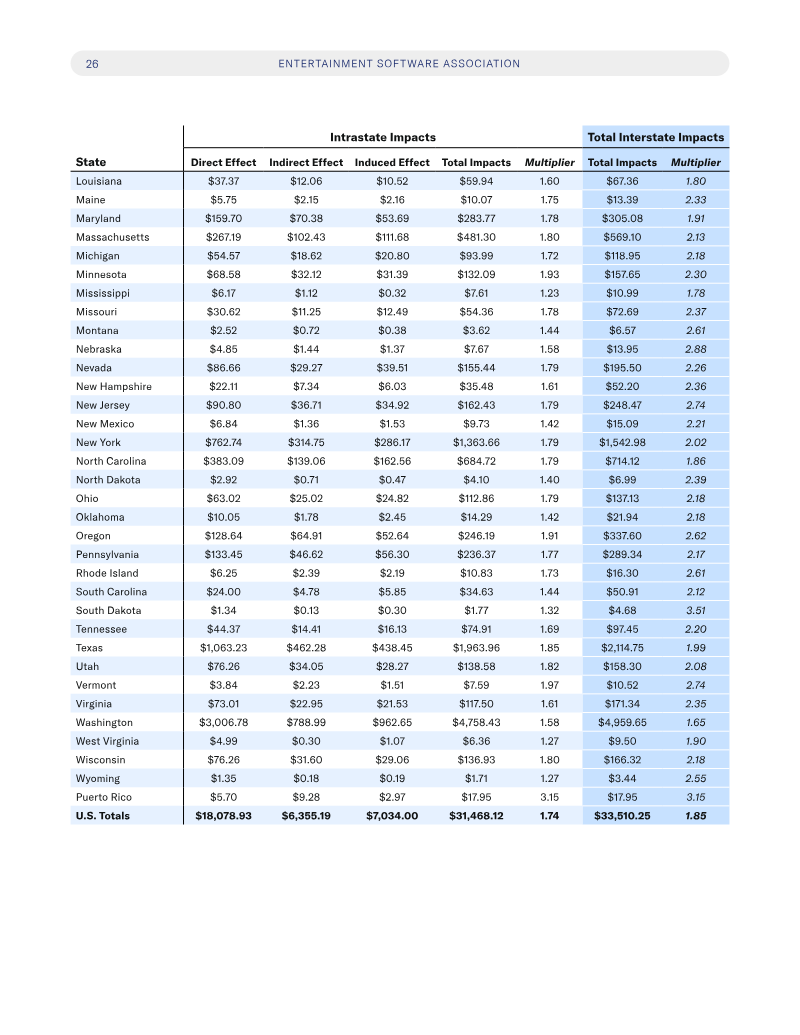
Video Games in the 21st Century: The 2026 Economic Impact Report
The United States video game industry serves as a robust engine for national economic growth, generating a total economic impact of $95.8 billion and contributing $65.5 billion to the national GDP as of 2025.
- The U.S. video game industry generated a total economic impact of $95.8 billion and contributed $65.5 billion to the national GDP in 2025.
- The sector supports over 250,000 jobs nationwide, with each direct position sustaining approximately two additional roles in the broader economy.
- The industry contributes over $12 billion in combined federal, state, and local tax revenues annually.



Q3 2015 Data Digest
The Q3 2015 Data Digest provides a comprehensive analysis of the iOS mobile application market, focusing on global and U.S. trends in downloads, revenue, and advertising strategies.
- Gaming remains the dominant App Store category, generating over 20 times the revenue of the next leading category.
- Clash of Clans maintained its lead in Q3 2015, though Game of War significantly narrowed the revenue gap in the U.S. market.
- Aggressive advertising on the Facebook network, particularly using high-production image and video assets, shows a strong correlation with increased revenue for gaming and lifestyle apps like those from ContextLogic.
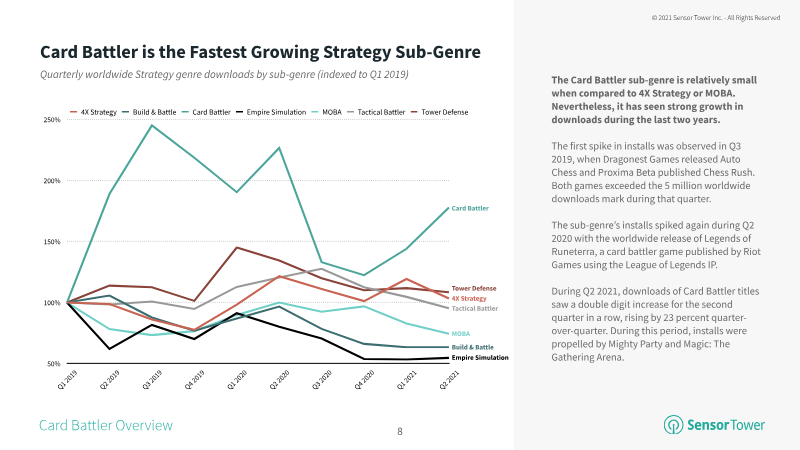


The State of Card Battler Mobile Games 2021: An Analysis of the Card Battler Sub-Genre
The mobile card battler sub-genre represents a growing, high-potential segment within the mid-core strategy market.
- The United States has become a critical growth market for card battlers, accounting for 27% of global player spending in the first half of 2021.
- U.S. card battlers exhibit a revenue-per-download (RPD) nearly double the worldwide average and are experiencing the fastest RPD growth among all strategy sub-genres.
- The market is currently dominated by established 'forever franchises' such as Yu-Gi-Oh! Duel Links and Hearthstone, alongside successful new entrants like Magic: The Gathering Arena.
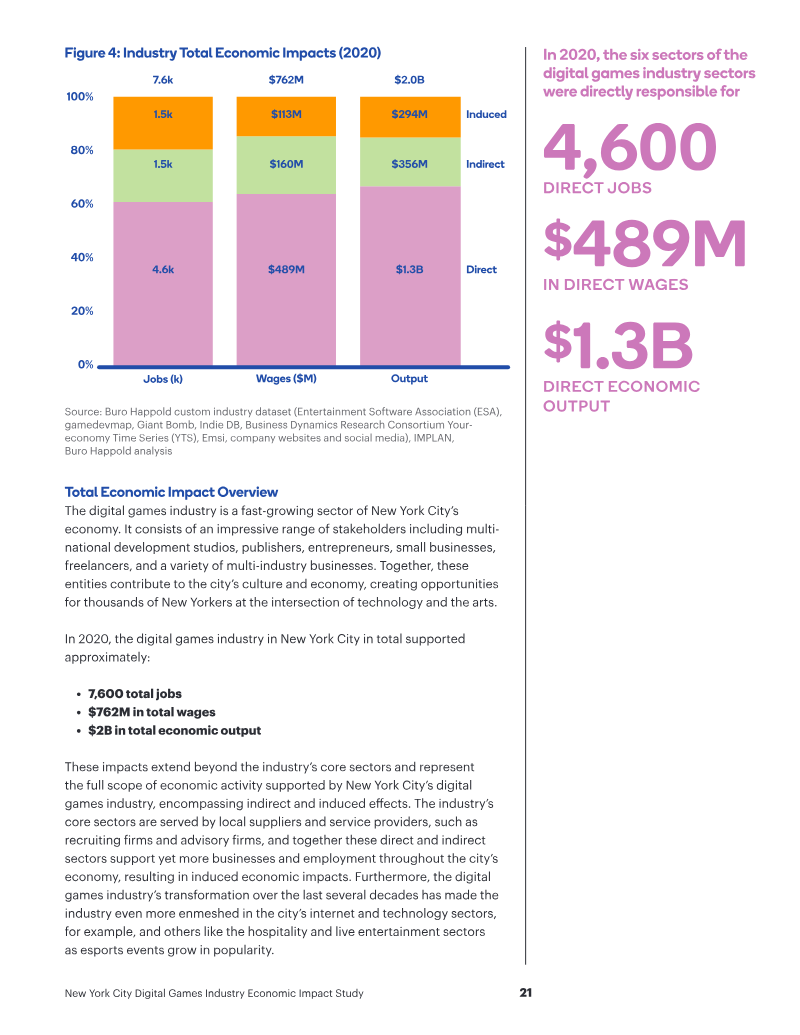


New York City Digital Games Industry: 2021 Economic Impact Study
New York City’s digital games industry has emerged as a significant economic engine, generating $2 billion in total output and supporting 7,600 jobs as of 2020.
- New York City’s digital games industry generated $2 billion in total economic output and supported 7,600 direct jobs as of 2020.
- The sector has tripled in size since 2008 and is supported by an ecosystem of over 200 development and publishing studios.
- Venture capital investment in the industry reached $774 million in 2020, representing a 105% year-over-year increase.
The Investigation of Pandemic Impact on Global Gaming Market
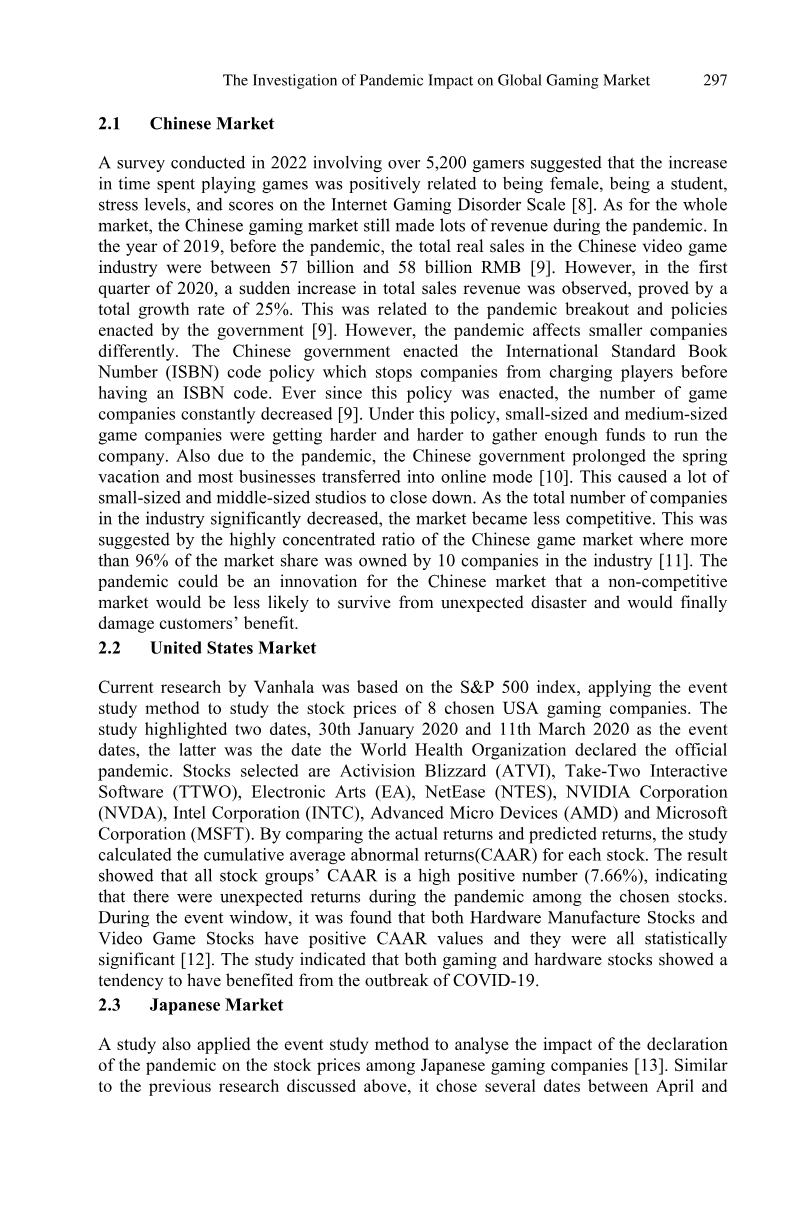
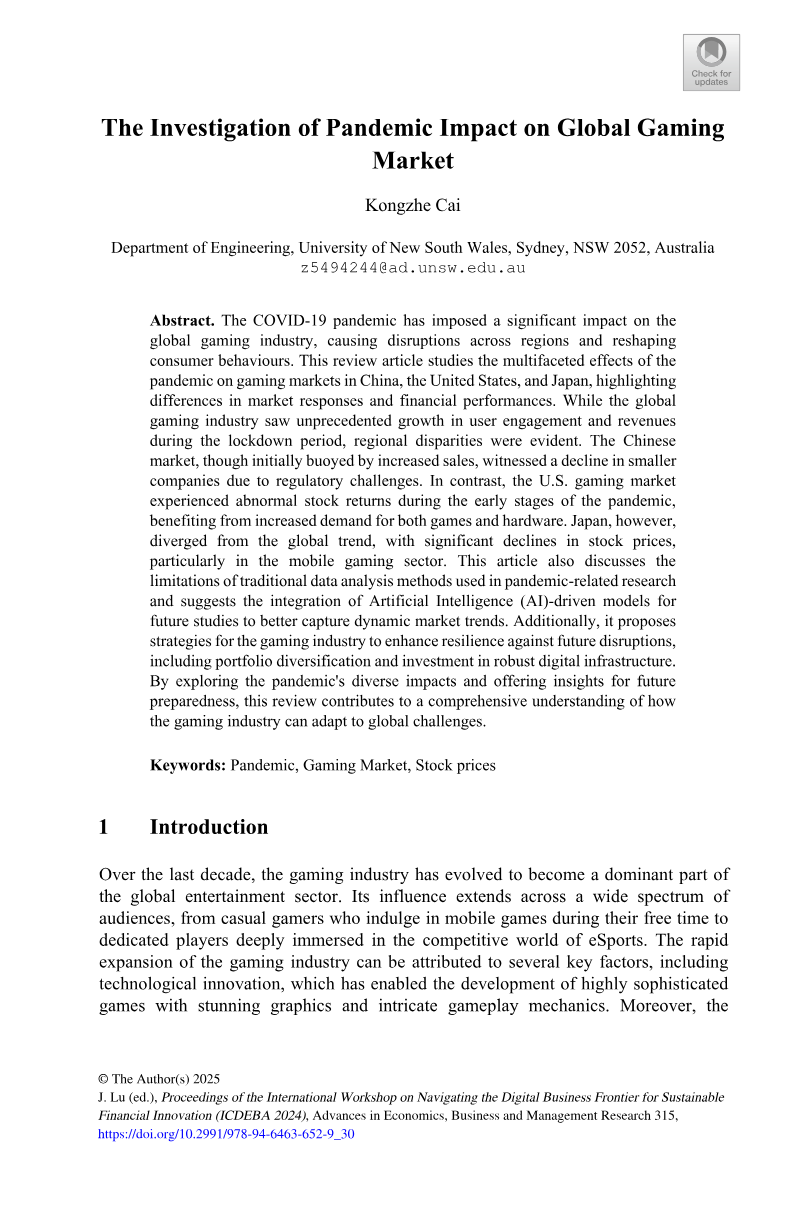
The COVID-19 pandemic served as a significant catalyst for change within the global gaming industry, driving increased user engagement and revenue while simultaneously exposing regional vulnerabilities and structural weaknesses.
- The Chinese gaming market experienced an initial 25% revenue surge in early 2020, but subsequent regulatory constraints on ISBN licensing triggered industry consolidation and the closure of numerous small-to-medium-sized studios.
- Major U.S. gaming and hardware firms saw positive cumulative average abnormal returns of 7.66% during the pandemic, driven by increased demand from stay-at-home mandates.
- The Japanese gaming market bucked the global growth trend, suffering a statistically significant decline in stock prices, particularly within the mobile gaming sector.

U.S. Video Game Industry: Technological Advancements and Privacy Issues
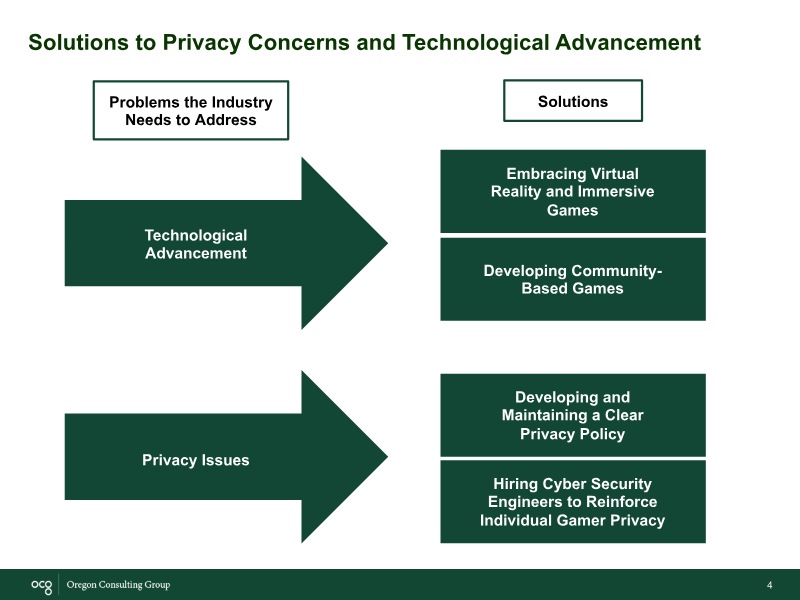
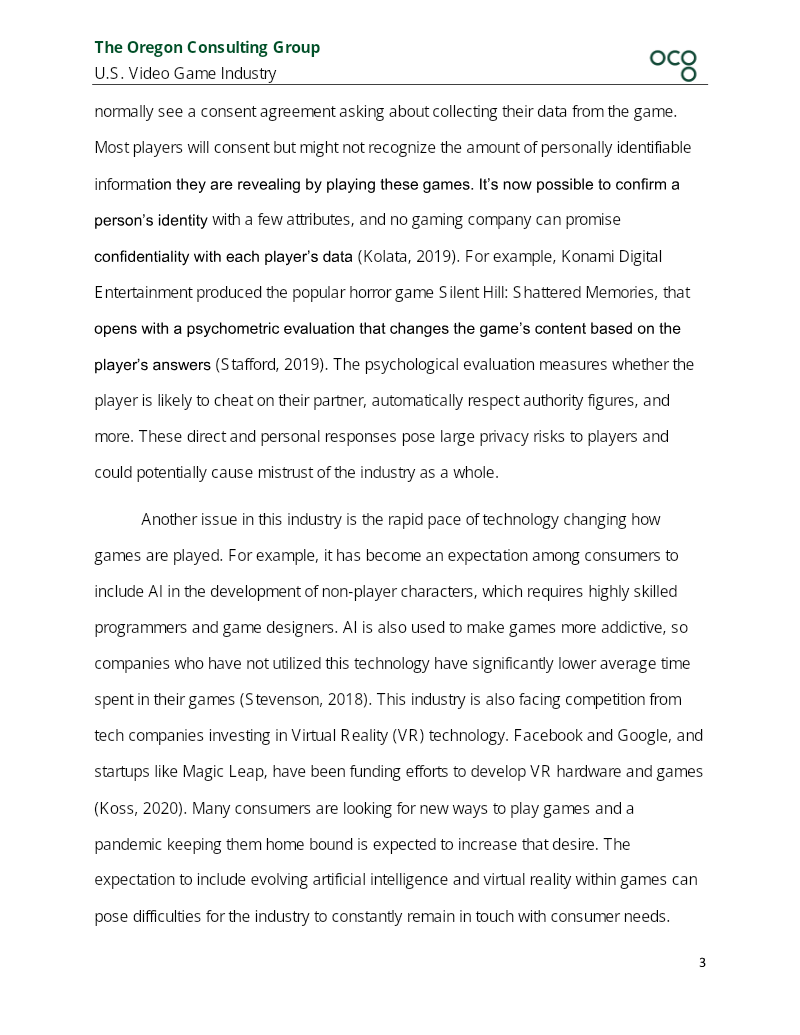
The U.S. video game industry, a significant global economic force, faces a critical juncture defined by rapid technological evolution and escalating privacy vulnerabilities.
- The U.S. video game industry is a $60.4 billion annual revenue sector employing 240,000 people across more than 42,000 businesses.
- Gaming platforms face severe cybersecurity threats, evidenced by 12 billion cyberattacks recorded against gaming websites over a 17-month period.
- Privacy risks are exacerbated by the re-identification of anonymized data and the use of psychometric evaluations, necessitating investments in specialized cybersecurity engineering similar to models used by Microsoft.

Casino Gaming Report & Data: US Social Casino Market
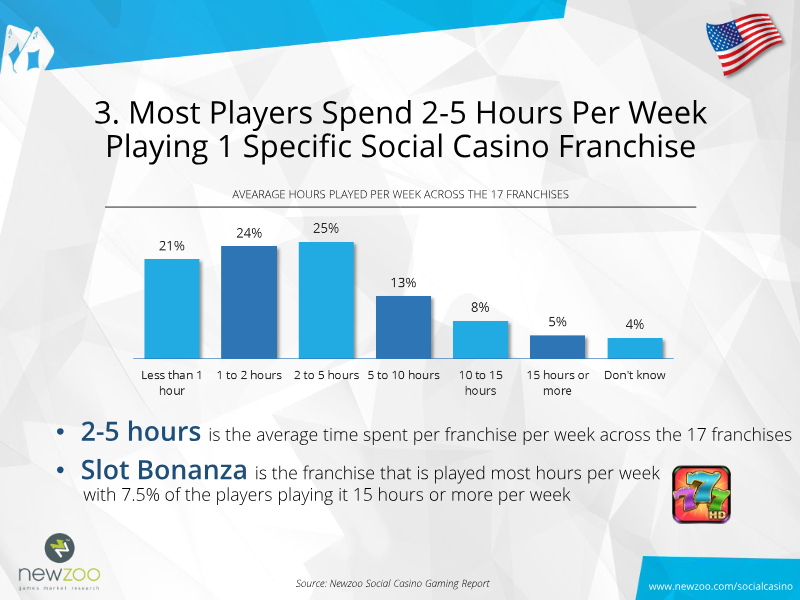
The social casino market in the United States exhibits high levels of engagement and monetization, characterized by a diverse player base that frequently interacts with multiple franchises.
- The US social casino market is highly fragmented, with the average user actively engaging with 5.6 different gaming titles.
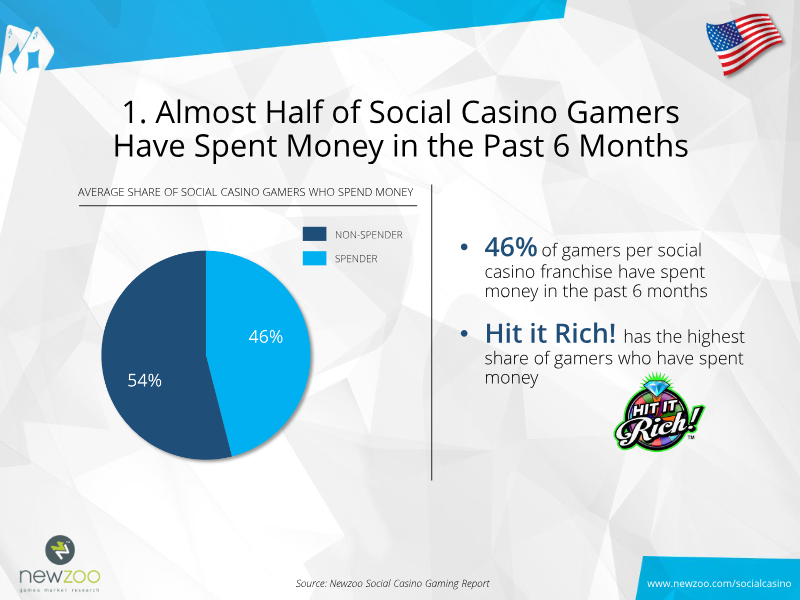
- Monetization is robust, as 46% of social casino gamers have made in-game expenditures within the last six months.
- Men aged 21 to 35 represent the largest segment of paying users, accounting for one-third of total industry spend.
Essential Facts About the U.S. Video Game Industry: 2026
The 2026 Essential Facts About the U.S.
- The U.S. video game industry reaches 212.3 million Americans, representing 67% of the total population.
- The average American gamer is 37 years old, with a gender distribution that is nearly equal across all generations.
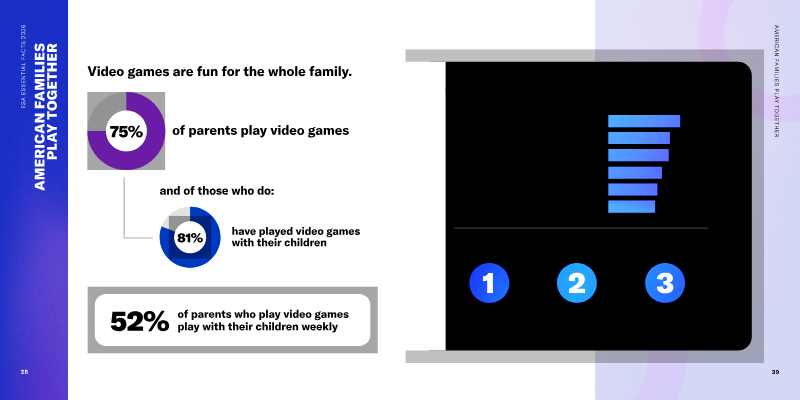
- Gaming is a primary social activity, with 70% of players interacting with others and 81% of gaming parents playing alongside their children.