Social Casino reports and market data
Documents

Superstar Session: The Pokerface Explosion – The App that Changed Poker PG Connects Digital #2
The Pokerface application represents a shift in the social gaming landscape by integrating real-time video and audio communication into the traditional poker experience.
- Integrating real-time video and audio into Pokerface increased user engagement time by 20% to 30% compared to non-video alternatives.
- The addition of live communication features extended average session lengths to between 25 and 35 minutes, moving beyond the short, transactional sessions typical of standard digital card games.
- Comunix experienced a tenfold increase in its user base during the COVID-19 pandemic as the platform served as a digital substitute for offline social gatherings.

Social Casino: Genre Outlook 2020
The social casino market has transitioned from a high-growth sector into a mature, stable industry characterized by consistent revenue generation and high-efficiency monetization.
- The social casino market has shifted from a high-growth sector to a mature, stable industry focused on high-efficiency monetization and aggressive VIP management.
- Major industry players are utilizing steady revenue from social casino titles as 'cash cows' to fund portfolio diversification and experimentation in other gaming categories.
- Market competition is defined by a 'plus-one' strategy, where developers prioritize iterative improvements on proven mechanics over radical innovation.
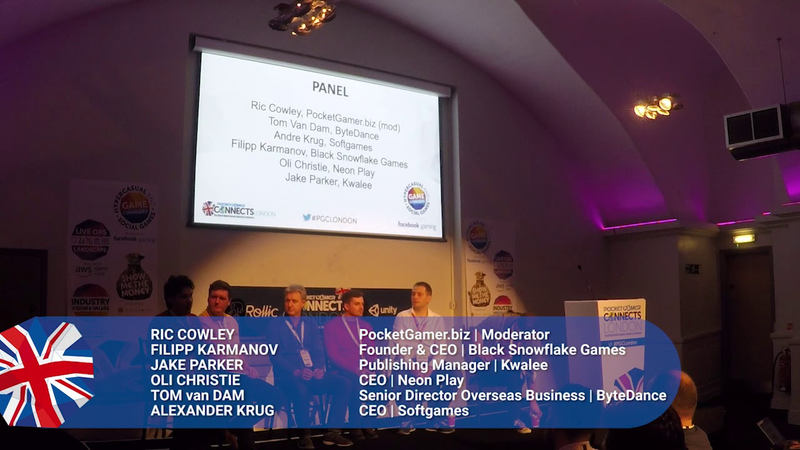
Panel: The PG.Biz Panel: What’s Next for Hypercasual & Social Games?
The hypercasual and social gaming sectors are undergoing a fundamental transformation, shifting away from purely ad-driven, simplistic mechanics toward hybrid models that prioritize long-term player retention.
- Hypercasual gaming is shifting toward a 'casual-plus' hybrid model that integrates meta-game progression, subscriptions, and in-app purchases to combat rising user acquisition costs.
- The traditional hypercasual strategy of rapid prototyping and low-barrier entry is no longer sufficient for profitability, necessitating a focus on long-term player retention.
- Success in the maturing market now depends on rigorous, data-driven testing and the strategic use of automation tools rather than traditional media exposure.
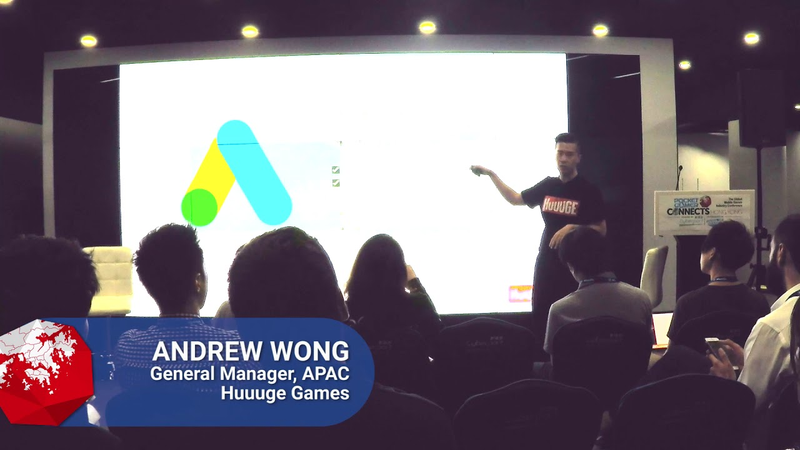
From Europe to Asia Pacific, From Social Casino to Casual Games; the Secret of User Acquisitions
This analysis examines the user acquisition strategies employed by Huuuge Games as the company expanded its operations from European markets into the Asia-Pacific (APAC) region.
- Culturalization of game assets—including visual themes, UI, and event messaging—can increase pay rates by over 100% compared to standard Western-style assets in the APAC market.
- Automated, machine-learning-based advertising tools like Google’s Universal App Campaigns and Facebook’s automated bidding outperform manual install-focused campaigns in long-term return on investment.
- Scaling user acquisition requires an initial period of capital investment and patience to allow algorithms to optimize for high-value users through features like 'max conversion' campaigns.
1,500 Slot Machines Walk into a Bar: Adventures in Quantity Over Quality
The mobile gaming landscape of 2013 underwent a radical stress test when developers pivoted from premium game design to an automated, high-volume strategy.
- In 2013, an automated pipeline generated over 1,500 low-quality slot machine apps, proving that aggressive keyword targeting and market saturation could bypass traditional quality benchmarks.
- The experiment achieved 1.6 million downloads and $50,000 in revenue despite lacking basic features like save functionality, demonstrating that algorithmic discovery can monetize minimal content.
- Developers utilized a 'Golden Goose' web service integrated with Unity to automate the entire production lifecycle, including theme generation based on Google Trends and automated store submissions.
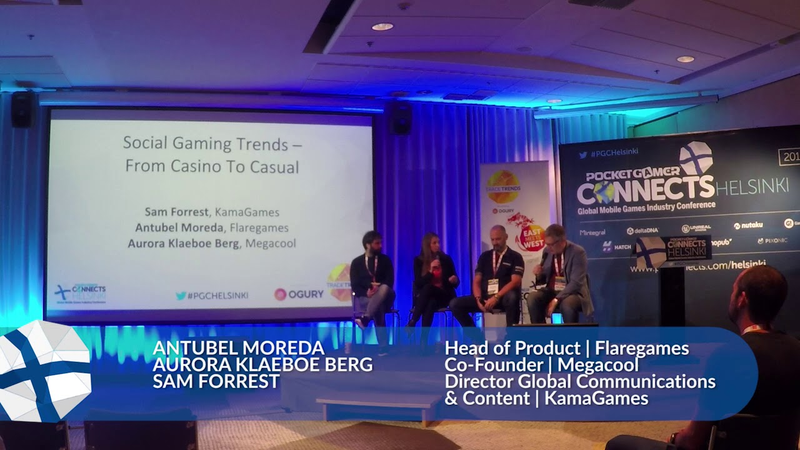
Social gaming trends: From casino to casual
The mobile gaming landscape is undergoing a fundamental transformation as social integration evolves from a niche feature into a core requirement across all genres.
- Mobile gaming is shifting from hyper-casual mechanics to mid-core complexity to improve long-term retention and combat player churn.
- Developers are prioritizing social-first ecosystems by integrating synchronous multiplayer experiences and leveraging private community platforms like Discord.
- Monetization strategies are moving away from aggressive tactics toward sustainable models, specifically focusing on battle passes and cosmetic vanity items.
Meta-feature trends in social casino games
The social casino gaming industry is currently undergoing a significant shift in product development, moving away from simple slot-based mechanics toward complex meta-features that prioritize social engagement and long-term retention.
- Social casino developers are shifting from simple slot mechanics to complex meta-features to improve long-term retention and competitive differentiation.
- Industry growth is increasingly driven by social engagement tools, specifically the adoption of clubs and leagues that facilitate team-based competitive play.
- Developers are implementing multi-layered progression systems, such as quest-based challenges and level-difficulty customization, to better serve both casual players and high-spending VIPs.
Learn the key fundamentals to social casino game design, monetisation and marketing
The social casino industry represents a significant mobile gaming sector, estimated at approximately $4.5 to $5 billion in total value.
- The social casino industry is a $4.5 to $5 billion mobile gaming market driven primarily by high-spending 'whale' players rather than mass-market user volume.
- Success in this mature sector requires prioritizing high lifetime value (LTV) and sophisticated retention strategies over broad user acquisition.
- Developers are increasingly differentiating their products by targeting underserved demographics, such as younger or male-oriented players, through quest-based systems and mission-driven progression.
Marketing games in the social casino industry
The social casino industry, a highly competitive segment of the global mobile gaming market, is currently valued at approximately $4.4 billion.
- The social casino industry is a $4.4 billion global mobile gaming market characterized by high saturation and intense competition.
- Sustainable growth requires prioritizing retention metrics and data-driven user behavior modeling before scaling paid acquisition campaigns.
- Fraudulent traffic, including sophisticated bots and incentivized traffic, accounts for an estimated 5% to 7% of total industry traffic.
Video Games and Gambling - When Does a Game Cross the Line? - Extra Credits
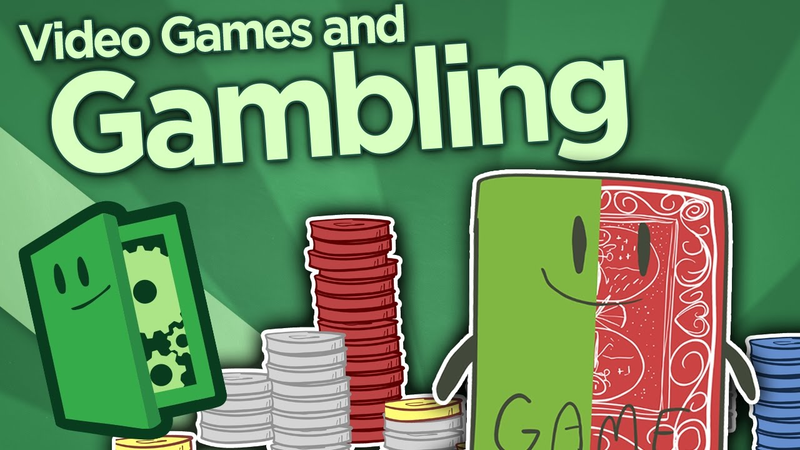
The integration of video game mechanics into the gambling industry and the emergence of unauthorized wagering within gaming ecosystems present significant ethical and operational challenges for developers.
- Developers must actively monitor in-game economies for anomalous transaction volumes and one-way asset transfers to identify and disrupt third-party gambling platforms.
- To prevent illicit betting, developers should implement strategies to detect and remove automated bot accounts that facilitate unauthorized wagering within their ecosystems.
- Mainstream developers face a design trade-off where disabling digital asset trading eliminates gambling risks but simultaneously removes the benefits of a player-driven economy.

KamaGames on keeping millions of social casino game players entertained for the long-term
Social casino gaming operates as a distinct sector within the mobile industry, prioritizing entertainment and social connectivity over financial risk.
- Social casino games function as play-for-fun environments that prioritize entertainment and social connectivity over financial risk, as users cannot cash out their winnings.
- The business model thrives in regions with strict real-money gambling regulations, such as North America and the Middle East, by offering a risk-free alternative for casino-style gaming.
- KamaGames maintains player trust by utilizing certified random number generators that adhere to the same rigorous standards required by real-money gambling operators.
The mobile F2P social casino market explained in 15 minutes
The social casino industry, defined as free-to-play games rather than real-money gambling, represents a significant and maturing sector of the global gaming market.
- The social casino market is highly consolidated, with the top five companies—including Caesars, IGT, and Big Fish—controlling over 50% of total industry revenue.
- Entering the market requires significant capital, with successful titles now demanding at least $2 million in production budgets and over $10 million in marketing spend.
- The industry is experiencing a major structural shift from Facebook canvas to mobile and tablet platforms, as Facebook revenue growth has plateaued.