1 free read left. Create a free account for unlimited reading + AI research.
Create free account
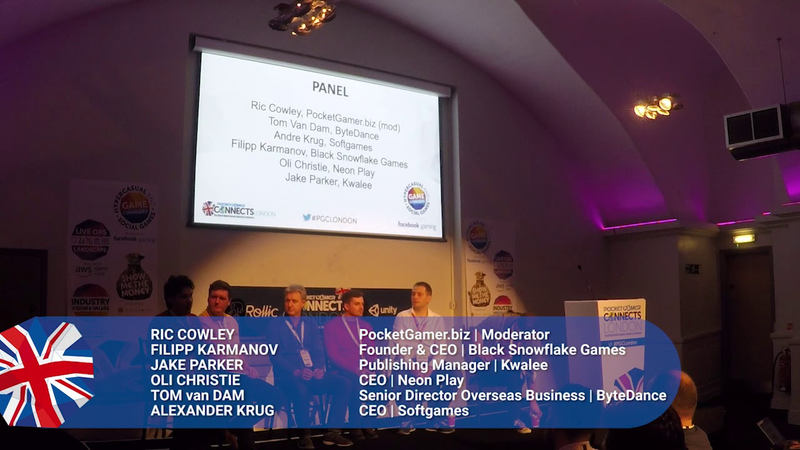
Panel: The PG.Biz Panel: What’s Next for Hypercasual & Social Games?
Key insights
6 takeaways- 01Intellectual property licensing is a difficult strategy for hypercasual developers because the high-failure rate of rapid prototyping often conflicts with the rigid requirements of established brands.
- 02Hypercasual gaming is shifting toward a 'casual-plus' hybrid model that integrates meta-game progression, subscriptions, and in-app purchases to combat rising user acquisition costs.
- 03The traditional hypercasual strategy of rapid prototyping and low-barrier entry is no longer sufficient for profitability, necessitating a focus on long-term player retention.
- 04Success in the maturing market now depends on rigorous, data-driven testing and the strategic use of automation tools rather than traditional media exposure.
- 05Independent developers can remain viable by utilizing specialized funding and partnerships to navigate complex international markets, such as China.
- 06HTML5 and infrastructure improvements have established social and instant gaming platforms as viable alternatives to native mobile app stores, though they require distinct design and development workflows.
Ask AI about this video
Transcript
[Music] to where we will be discussing further that names who come by this leg here next for a casual and social game in general so we'd have a wide range of panelists but first I'll introduce myself I am the editor of bids and yeah I'm right about the games that y'all make so please feel free to introduce yourselves okay works perfectly okay so my hi nice to meet you guys my name is Andre Kruk I'm CEO and co-founder of soft games we are a hundred people studio fully focused on html5 social games and I'm super excited to be here today
very good okay just forward to Mike oh thank you my name is tom Van Dam I work for bike ends which among other products runs tik-tok perhaps our most well known within the West I've lived in China for 11 years I'm based air previously six years at Nettie's so a lot of China related questions you can send my way thank you hi my name's Holly Christie I'm the founder and chief exec of neon play we're tenured up this year our first name is split football we're going to 90 2010 with the paper glider traffic planet last became Coronas flat which video published publishing more of our own stuff in the idle genre and we two recent ones a I don't a strongman in the idle tap Airport Pennsylvania hey Jake about publishing manager Wally do a hot casual developer and publisher so we're working with developers before the submission
coaching them together to understand more about how hot casual works and what it is and then scaling up these games to making kids oh yeah hello my name is Phillip Kumar mi7 father of black snowflake games we're focused on our channel 5 mobile games since like 2014 and for to this date we have developed and published more than 60 games on different platforms and we are always looking for new opportunities as well cool sorry I was just checking the time so we've got a wide range of people and a wide range of colors thank you for coordinating that before you came so I figured we'd start off with something so general that I think everyone can answer smartphones and mobile devices they're getting more and more advanced we're seeing hugely powerful games coming to the small screens but I rome total war that kind of thing so why are players still turning to smaller titles like the ones that you people do all develop let's start from here and go down I guess I think in general it always
depends on on the market you're addressing we're fully focusing on female games so we focus on games specifically for an older female audience and those players are not specifically looking for their triple-a experience they are not looking to play the next Call of Duty or GTA or whatever they just want to have a good time and ideally they also want to play with your friends you know this is where social gaming comes into place and therefore I believe it's always a question what is the market you're trying to address and then fitting the right game so that yeah I think for me it's you know as games on mobile get more and more complex to time to onboard a player into the experience and the time to learn and get fun out of the product gets longer and longer and hyper casual you know shortened s time significantly you open the app and you can start playing without too much learning and I think that's the the big appeal to many people yeah I think we just trying to attract
the widest audience and Triple A is it becomes more niche I'm just a wider bigger audience with some quite clean graphics we're great bodies and goodies are very clearly defined it's much better we've tried gamers where we've got a very low CPI with very very basic graphics and we thought people liked this so let's try an adapter to make it more beautiful and actually got a worse CPI so simple is often the best for a very wide male female young old audience yeah I think it's not really pertinent points about console style games on my bar and kind of audience for them I think I love it's about time as well people who are typically playing in hyper casual games don't have a huge amount of time to do it that like on the bus were in the middle of something and it's again you can just jump into my quickly have to play while you've got time and then move on to the next day well as Jake said just before me despite the fact that there is a huge amount of mobile users in the world at the moment both of them are not so hardcore game and start our prefer to play something
simple as that because there are many many people who are not formally gaming which who don't play a lot and who want to see something simple to kill their time on the way to the France and so on so a casual food this need Rivera perfectly cool and sort of keeping something for everybody that they can answer before we break down into smaller parts and looking ahead we've seen sort of big developers moving into hyper casual and social games but I'm thinking like I'm wondering about big brands and licenses because we're seeing all then we've got like Marvel getting into games and stuff like that but there's not really been hyper casual Marvel games so are we gonna see big brands and licenses coming into this space at all or is that is that is there room for that or are we gonna see these smaller like original IP that is that better suited for replication when social in general anyone wants it I mean personally our experience with being hyper casual is that a there's not enough margin for
licenses and brands be they worked as slowly if you had to get every ad approved by a licensed or a brand you would be you'd be dead with it within days and I don't quite get it and then it's not a nimble enough to do it and also there's so much testing prototyping and failing you know there's such a high fail rate the brand or license wouldn't accept that and yes they bring obviously the name and the marketing but I just think it just wouldn't work I'll be pretty broad on this very very I think there's also only so far you'd be able to go with a kind of branded or licensed and hyper casual game because how the casual is ultimately about capturing a wider story as possible and even having even if it's a really strong brand using that brand kind of limits your audience to fans of that brand and other people that kind of engage by their gameplay I think I have a slightly different opinion first of all is of course how we define hyper casual and I think that's that's quite a wide ban and like I do agree with your point that big IP license wars would take a long time to
get on board but now that hyper casual has taken off in the current fashion and you know big brands see that there's a lot of money to be made there's a bigger willingness to be flexible and you see that intellectual property licenses are more broadly provided to developers and saying like I don't give you the license for a single game but I might give you the license and you can try for three months or six months to build a prototype with good KPIs and then reach a bigger audience and you know if it doesn't work in six months okay we'll cut the deal but until those six months are up you've got a pretty high degree of freedom to work with have any friends or lessons is succeeded not schedule that you know yet I think there's a lot coming but we're not seeing too much I thought about this question in another way and what about the top casual games can be used as part of marketing strategy for non gaming products for
example well imagine a marketing brand new Hollywood movie and happens the audience with a very simple viral gain with his movies IPs well there is plenty of space for a trainer experiments in this field and effects it's not up to discuss sports just think about this I think I do agree with the Jake and Ally here I mean the question is always why do we want to go for an IP ultimately a lot of I think there's a lot of misconception here because a lot of people always thought having an IP on board would lower their CPI but then once again which was already named as its narrowing down your target groups so much that it potentially even increases your CPI so I agree with you guys here sorry three against one but there are different opinions you know and again the definition of hyper casual right if you're talking about really simple gameplay then perhaps it's a little bit harder but I think there are a lot of games and I personally define hyper casual usually yes can it
be exclusively monetized with ads and if it can then it falls into the space and I think there are some examples of big Western IP holders that have made such games which had monetize and have made a good amount of money with it and some of the ice IPS are obviously stronger than others you know some of the board game IPS or those evergreen IPS that have been around for for thirty years say for example Tom and Jerry they are able to capture such wide audiences and deliver still significant numbers without too much at a cost that you could probably make a profitable project from my perspective so kind of on that no because you're saying like your definition of hyper casual is it can be monetized only through ads that sort of way yes yeah so I guess what was a very else opinion what are your opinions on the hyper casual like we've seen hyper casual sort of evolving in terms of game mechanics so arch hero I think it's called is something more like a hybrid
casual game because it plays like a hyper casual game but it has a strong sense of progression like it's that still hyper casual to you or is there a point at which we were gonna add to you can add too much to a game that it stops being hyper casual and starts being something wholly different it's more like a casual game that's marketed like a hyper casual game like they've kind of seen that trend and learn how it works and use that from their advantage kind of push a more casual game I think type of casual as a kind of vertical is always pretty much gonna be ad monetized yeah we're already seeing some changes since I have Kajal Joan but I don't think that bad things since it's pretty natural for things to slowly change to something new especially Noble in the tree everything but if not everything but that many things are based on exponents and iterations for example
what you see that's some non capital gains some casual games like net freeze will be advertised like kappa casual games with the same style or pets i think that it was reached to experiment and seeing the occasional success for things that's it will change the Jonesville eventually emerge maybe starting and so on I mean I'm not sure is not a hyper cacher game it's a submit it's a super casual but if you want to call it because of us got much deeper meta game than a normal hyper cacher game the challenge for the hyper cacher market is it's getting harder margins getting tighter CPI's arising retention is diminishing and as a result of becoming very tricky so hyper casual developers and publishers are going to need to try to find ways to ek to look higher LTV so that you can have that bandwidth of the CPI to acquire users who still keep the profitability there so I'm elected going dead and and thanks
Oscar for throwing me under the bus without heroin because he was his suggestion and so we kind of touched on it before the advertising is gonna remain sort of the main method of hyper casual obviously you'll believe that it can only be advertised by yeah you know I'm saying is there other models of [Music] monetization is the word I'm going for it's written down in front of me is there room for other monetization options is there in app purchases is that even a thing that's gonna happen in hyper careful or is that just completely out of the question for I have a casual game I think we've already seen this over the past year I mean at the beginning there was only advertised on faced monetization right and in the last year we've seen games which have introduced subscription channels right so to just offer this additional skin which I really want to have and and cannot cannot get as well as in-app purchase so I believe at the end of the day a lot of developers due to the reasons which were just mentioned I'm gonna have to go with subscription with
in-app purchase to just increase the LTV because they're not gonna be able to compete anymore so I think there's just a natural transition we're in right now and I do expect to see much more of that one yeah if you don't have AI ap I think you're gonna die spin us in the next the next year you need to try name out of four for thirty percent of your revenue through ap basically because ads yes we'll be there but you're gonna need that margin of my AP to be able to sustain CP is and actually adding to what what Ollie said sorry it's actually I believe that as long as the core stays hyper casual and middle layer becomes more casual then the developers would be fine it it wouldn't be the other way around so I don't believe it's casual games being marketed as hyper casual but it's actually the hyper casual core with the edit meet a layover or casual casual Plus that's that's how I see it but yeah so you you're moving away a little bit from the right because if you had a subscription or yet IEP you automatically increase the commitment required from a user to
you know engage with the game and you could argue you know is that still hyper casual because you know the tendency to flip between different games decreases right so this is why my definition of hyper capital remains at bass only because else you're getting into that casual space automatically yeah I think for a lot of times commentary primarily at best relative has against yes since there are no clear definition of what application is everybody is thinking something about this from hensel's so I think that it's the right thing to my favorite song here because I'm not proper casual is single game which is monetized primarily we're advertising so it will stay the same I think let's shift gears a bit away from getting the users in the actual games themselves this sort of room there was a list of like 14 different genres of hyper casual that are actually armed and
everyone's kind of sticking to those are we going to see it changes in the types of genres in games or those sort of the established things that every hyper casual developer should be going for Jake I think I'll start with you this is bot yeah this is my favorite thing about the have a casual space in general and it's the fact that it kind of spans genres and you can have any kind of concepts but I'm a hyper casual game when you think you understand what a hyper casual game is and they're kind of cool Jean is that you can use somebody comes along and makes a game that kind of completely breaks the mold and it's something completely new so there's lots of space for innovation with any developers they're just working on these kind of small prototypes and and testing them out and you see what works see what people like people find appealing from those games and and that brings in completely new concepts that you didn't think would be again when you were first starting out then the key is just a test innovate and if you don't obey and just copycat you're never gonna have success really I mean when we work with voodoo very closely with they said don't do puzzle
games because puzzle games will just never worked in height because of space and then we came up with this idea called rollers flat and it's had 55 million downloads and they was a surprise that it had such sustained CPI and so retention but it did say and it's almost crazy it's a hyper puzzle so genre so you can you just never know you just need to create a good idea and just go with it yes so obviously I say obviously the user acquisition Phil hi perpetual games as mostly through ATS in other games and that kind of thing are we gonna see any changes to that or is it just gonna cost too much we're not I think all the USA's before talking about it like we're not gonna see big TV ads for casual games the margins are too small does anyone else think that maybe
there will be I don't know is it gonna get big enough as an industry that we will see developers like video or whoever they're just putting their games on at the Super Bowl all that kind of thing tension is a branding exercise but I just think with to a TV you can't track and we know that every single ad that we all try we are tracking everything from their click-through rate the CPI the session know the view length of an ad so that's going to be the main the main street way because it's just so trackable and we need to just really keep an eye on every cent we're spending on ads but who knows you know employers could come there but it's very unproven I think once that becomes much more trackable that will be more interesting but yeah I think ads will be the prime problem yeah I agree with the influencer part I think influences are not a big part this depends a little bit on the territory that you're operating in and also depends on perhaps the platforms that you're operating on some platforms have integrated features where you know you can actually track the performance of the influences that you're using you can even simply show you know the array of
influencers like this is the performance that I'm getting from my game and you could potentially get paid on the basis of how much traffic you are generating directly so it also depends on platform support and I think we'll see a lot of the platforms that are engaged with games at the moment move towards you know more integrated approaches on how can we combine all those celebrities and influencers on the platforms with the actual you know ad campaigns or for hyper casual and other games for the games gonna have a long-term you know it's gonna have three or four five six months tail to help to have the long term viability and I think an influencer campaign might be a little bit spiky and you need a little bit more longevity and this is more of a personal question because we've always struggled with it as journalists to try and cover hyper casual and social games because we just don't know what to do with them from your perspective obviously influencers aren't ready yet but is there a place for traditional games press and gave media to be involved in hyper casual to
talk about it what welcome is can we do anything why talk about anything with them because they're so short and so simple that writing a review or tips or anything like that is just there's not much to it so I don't know what are your thoughts on on that I guess I'm gonna get a game is not to be made of broke I'm afraid by review in a paper or a magazine or a website you know it's nice to get it but we're trying to target millions and millions of players globally job so I don't personally it's not something we would chase we wouldn't even chase Apple features so much anymore words they used to be the holy grail where you would know you get a million downloads now it will provide a little blip and it's very nice at some freeway but really it's just having a great at great game strong CPI long retention and the game to survive on its own without the help of too many outsiders lots of agreement all around there you additional point to make I think what we're seeing at least maybe more an Asian side is once you had that initial
massive spike as a hyper casual game that the developer den goes to work and turns the game into a regular casual game creating a much longer tail and you know relying more on external media or other ways to than the same thing was it's the same game the original game would be fairly simple and add only and then features get added making it more into you know maybe even some role-playing or there's an idle element to it or so that you know those plays that originally came in and that are very interested in the core mechanic can keep playing it for a very long time and that sort of transitions the targeting for marketing as well to a more specific audience rather than a white funnel I actually think there's a huge opportunity for the media to to cover social games to also cover this aspect a little bit because right now there is nobody doing it you know and there what a lot of people tend to forget is when I mean there are hundreds of millions of people playing every day social games they are watching social videos there's
nobody covering this so everybody is focusing on the hyper casual on the native whatsoever while forgetting that I mean like I said like for example we were privately-owned hundred people company now we've grown in the past two years from basically 20 people to 100 people and without any investors money so this would not have been possible in the native app store mostly I think to be honest there's a snob ISM about hyper cattle games that a lot of people think their shitty little games but actually to make a great successful hyper coach games is very very hard and I think a lot of journalists tell me I'm wrong more hardcore gamers and they just look at these things okay is that it but actually to get to that is that it is incredibly tricky and it takes a lot of hard work and when you look at the weekly videos that really do analyzing games are what makes success and it's fascinating it seemed really deep dive into the psychology of hyper cacher games and the contrast of color the reward the visuals the words it's it's absolutely fascinating I do think
journalists could actually do a lot more to truly analyze what makes a great game okay cool thank you this is just free market research so Tom you mentioned obviously China that's a big market and if you're pushing out other markets it's obviously in traditional traditional games and more advanced games advanced you know I mean they were trying to there was a big push to go to China and then there was obviously the big freeze out and that's proven a problem should - social developers still be aiming for China is obviously there's a huge market there but the difficulty of getting in is that too much to stop Western developers from getting in or should they keep trying well it's a very interesting situation because you mentioned a big freeze so China has had a huge freeze on approvals you need a government license to get your game to market and this has you know canceled a lot of partnerships that there were between Western developers and Chinese publishers but
actually for a hyper casual and by my definition of that only currently and this is also for in the determine amount of time still do not need a government license to go to market this prevents you know presents an amazing opportunity while the doors open it's a bit of a gray area but most companies don't like to engage with it so you know that barrier that exists for traditional developers with IEP purchases and having to get that government license find a partner locally to do it for them you know that barrier is not there or less there and simply because it becomes how do you acquire enough traffic and monetize effectively eCPMs in China are generally much higher and in the West so it could be very beneficial but you still probably want to find a partner that can drive that traffic for you and there are a lot of options for that I'm not here to do advertisement at the
moment but there are options so you should definitely look into that and there are lots of big successes also from Western developers in China there is a really hard market to get in today I mean we're trying we've spoken to lots of Chinese publishers about trying to find the right publishers to such a myriad you do know he's telling where to start Venus and I thought we just had a meeting with toka top of all this even just advertising your game in China you know in most of the rest of the world you just do 15 seconds of gameplay put harder than it looks at the top or leave versus Pro and you pretty you got that you've got an ad which will work but in China you need to do video to talk and something that's a budget thing it's different markets it's a real challenge one we all want to crack but it's not easy yeah it's a maxim kind of market but it's really fragmented is it's kind of essential to get find a partner that you can work with that kind of knows the space and and understands how to make it work and how to monetize effectively and acquire effectively and one other thing
for it got time before you open floor is Polly you're sort of an indie developer in the hyper cacher in space because you're not owned by anybody and that's kind of rare because a lot of the local casual games and social games that we see will have careful mostly is from big publishers like quality like say games 3d and so on so forth is there going to be room for Indies I'm not asking if you're gonna shut down for five years but is there gonna be like space for indie developers still to work in in the space with all these other publishers coming in and taking up and dominating the space yeah it's definitely a massive challenge because the learning is to get your own you a team and your monetization team is to me and we've spent the last year doing it we're now fairly well-established at Dana and we now know what we're doing but to get to that stage there's a lot of time money you know spending a lot of money on new way and you don't blow 50 grand a day if it's going in the wrong place so it's possible there's more automation of tools within all the UAM our
monetization channels which will make it easier over the next year or two definitely the big publishers are fantastic but their margins are getting smaller and therefore the money that n DS are getting from publishers is also diminishing so I think it will go more towards in the end aside that's why companies like video are acquiring other studio so they can bring as much in the house as a better relying on external people I was quite excited about this question because I as a polishing manager I'm reviewing kind of submissions every day from from a bunch of different developers all over the world and I'm kind of seeing that in dspace in those submissions like a lot of these developers are small studios or independent people that are just kind of working in their bedroom and making a little game a little prototype that we can test and play and kind of part of why they're working with the publisher and getting that coaching is it's exactly that it's to get that coaching and kind of build that understanding of the hyper cacher specs because you need the backing of a publisher or somebody
who's got that expertise and a team that can support you in acquiring users and scaling again well you know things like you know you know independent developer what is the level of Independence you know that he would maintain right I'd say partnering up for freeway and some publishing that doesn't you know diminish your independence in that sense and I think the agility of Indies to you know remain efficient and you know creating a lot of new unique titles I think is key for a lot of big companies big publishers in space to survive in the first place because you know with the big teams and big company politics and in some cases there's just not enough efficiency and in these are the solution to you know keep your portfolio rich in all you need today the big budgets in the credit you know credit line is you could be spending hundreds of thousands pounds a month and not many companies gonna do that cool I'd like to open up to the
audience for any questions I know Oscars probably got a thousand but if anybody else has some that they want to ask before we let us could just run the show let me check one that you quickly so if you have a ton of thing just in response to the last question around kind of polish traverses Indy the problems meant about you a and those sort of things with the kind of slight increase in the interest of people trying to offer you a funding does that change the dynamic because they wrote a bunch of people out there starting to offer you a factoring and you a funding specifically does that mean there's more scope for Indies I think like Pickering in general has been there for quite some time it's just becoming more popular because CP is are increasing is more indie developers are trying to enter the market we're trying to stay independent from bigger publishers because they don't have the context or they just want to remain an
indie developer so I believe like factoring can be a very powerful tool but at the end of the day it doesn't come cost-free you know it always everything in life always has a price tag and this kind this one can be quite heavy depending on the size of your company so do I believe if it's a good tool sure does it fit for everyone to now spend hundreds of thousands of dollars a day I don't think so I think there's also a challenge of kind of finding someone with those expertise whereas publishers are kind of set up with teams that are already working on this and it's their day job like their day-to-day managing user acquisition of monetization for these types of games so they've got that experience they've got that knowledge and that understanding and I think just getting funding there's going to be a challenge with understanding that you a process and getting it right but it's interesting it's what Olli was saying earlier video you've had taken time to build up that expertise and I think that so I think it's really valuable an important part I think you're right there's it comes a
cost it is it something will work in the casuals in it casual space as opposed to hyper casual probably more likely because the fitness of getting the lowest possible cost is so much more important than hyper casual I would argue it makes it so there's one over here I'm just runner will give you a microphone yes as you say you're hyper casual is almost defined by its agility and speed and getting things to market iterated and tested quickly do you think it remains best served by app stores for its deployment approach what do you think perhaps even more agile faster technologies like HTML and those kind of aggregation platforms could be a better way for hyper casual content we think go
on the App Store's and the html5 as well is raised about restrictions in markets obviously going through app stores means their approval processes and again HTML kind of circumvent some of that yeah I mean well first of all Google Play there's no approval process so that you do that right away I'd argue that unity is as fast as html5 you know we're doing prototypes in in days we'd want to be testing a CPI test for them three to five days with Ronis black we launched it with six levels only so you don't need to create in a hundred level game to test you want to just test as quickly as you can on has the key being in will be enjoy don't be too perfect and worry about beautiful effects a player when they see an ad on Instagram or Facebook will very quickly realize whether they want to play it and add it or not I mean you don't need a hundred levels to do that so just quick iteration test quickly fail quickly as the key before you actually worry about your app store
or your html5 when when it comes for example for the social gaming platforms because you were referring to that as well I would always be you know try to be careful putting both native games and formerly called ins and games into one bucket because it's two completely separate products here at the end of the day you know for example instant games or social html5 game platforms but we're not good native stores because it's two completely separate platforms Google Play introduced to the pre-war think just pilot you've started doing in is right the sort of Facebook kids to the seven agree with there's wondering about tic-tock tic-tock thinking about going into an instant games platform as well no you shouldn't I can't speak to that publicly you know find me a few absolutely sorry I do need
to sneak in one more question that Andres politely reminded me that I promise to ask on the topic of social gaming and in the way it's already sort of evolved in its own way we did used to know it as instant gaming we've heard a lot about Facebook instant games today why do you think that platforms now have changed to this whole idea of social gaming rather than just instant gaming and is directed directly at you yeah I mean I think it's important to understand that Facebook games or instant games it has just been there at for two years right now snapchat also joined recently why do those big companies do that I mean obviously because they're increasing retention of the players they can monetize them they're just trying to establish this this great ecosystem what is currently monopolized by the app source so I do believe that even though you know which cannot be spoke publicly here that we will see more players entering the market because the benefits are very clear for it interesting it's interesting that we've seen this before execute line if you can
years and years ago and that didn't grow at that time and I'm wondering whether it's because for example action follows the settled or whatever the delivery mechanism have other timers wasn't so I mean back then there was a technology called flashlight for example I think that the one you're referring to and by doing you know getting the Sheeran's this is exactly the cost because flashlight once again didn't run everywhere you needed to plug in you couldn't run it on an iPhone and Steve Jobs you know said then what's our turning point we will never ever support flash and our phones and now you have this great technology with html5 which is becoming more and more mature every year where the tools are getting in place where the monetization is in place and where it's very very comparable to the apps source today in terms of you know just making a real business out of this one so I think this is the the big difference plus the 5 g con the things that you've been going on from what as usual but I think your point earlier is actually also vital the difference in audience I think he's down to the thing I call mode of use and I think incident
gates is very different medium that kind of like behavior compared to say a native or is it also top experience I think they all have distinct kind of behavior frameworks and therefore distinct audiences could choose to adopt those games because of that mode views make it's a different platform you know that's why I was referring to earlier that a lot of people don't understand this they believe hey I do have a native game let's put it on on instant games you know or to put it on snap if they would accept it but since it is completely different not only in terms of technology but also in terms of controls and conception and you know how to play with your friends whatever it's very it's it's a different experience you know that's I think the platforms that have been involved in instant gaming have not done a very good job unlocking the power of the platforms to use in the games themselves that should be improved I mean it's an early market
right so like I said this was years ago right so people have had time so yeah let's do it a little bit better a little bit you know I remember the Java days right I realized I'm I'm sure everybody in here is hungry so just like to say a big thank you to all my panelists big round of applause for and thank you you [Music]
Summary
The hypercasual and social gaming sectors are undergoing a fundamental transformation, shifting away from purely ad-driven, simplistic mechanics toward hybrid models that prioritize long-term player retention. As user acquisition costs continue to climb, the traditional hypercasual strategy of rapid prototyping and low-barrier entry is no longer sufficient to ensure profitability. Developers are increasingly integrating deeper meta-game progression, subscription models, and in-app purchases to boost lifetime value. This evolution toward "casual-plus" experiences represents a strategic pivot, as the industry moves to sustain engagement beyond the initial download.
Success in this maturing market relies heavily on rigorous, data-driven testing and the strategic use of automation tools rather than reliance on traditional media exposure. While large publishers currently dominate the landscape, independent developers maintain a path to viability by leveraging specialized funding and partnerships to navigate complex international markets, particularly in regions like China. Intellectual property licensing remains a contentious strategy, as the high-failure-rate nature of hypercasual prototyping often conflicts with the rigid requirements of established brands.
Technological advancements in HTML5 and infrastructure improvements have positioned social and instant gaming platforms as increasingly viable alternatives to native mobile app stores. While these platforms offer unique opportunities for growth, they necessitate distinct design philosophies and development workflows compared to traditional mobile environments. Ultimately, the industry is coalescing around a model that balances the agility of hypercasual development with the sophisticated monetization and retention strategies characteristic of more traditional casual gaming, ensuring that simple, accessible mechanics can support sustainable, long-term commercial success.














Comments