Key insights
4 slides
A new approach
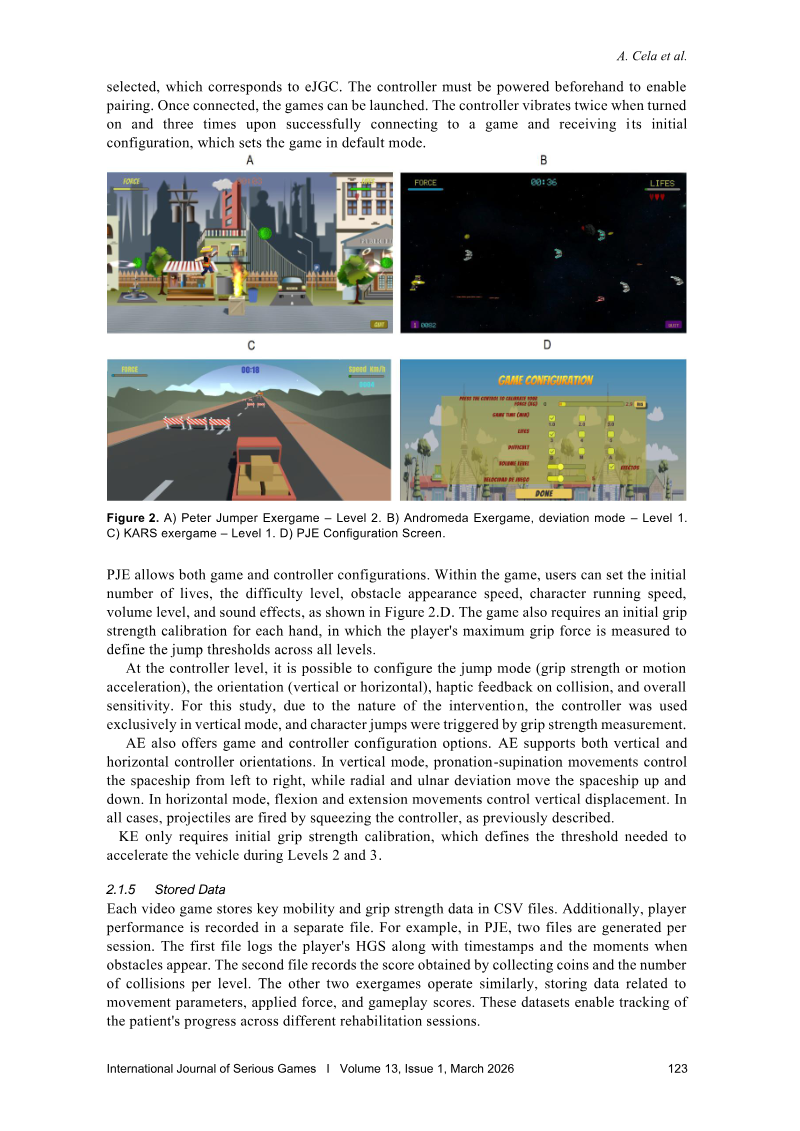
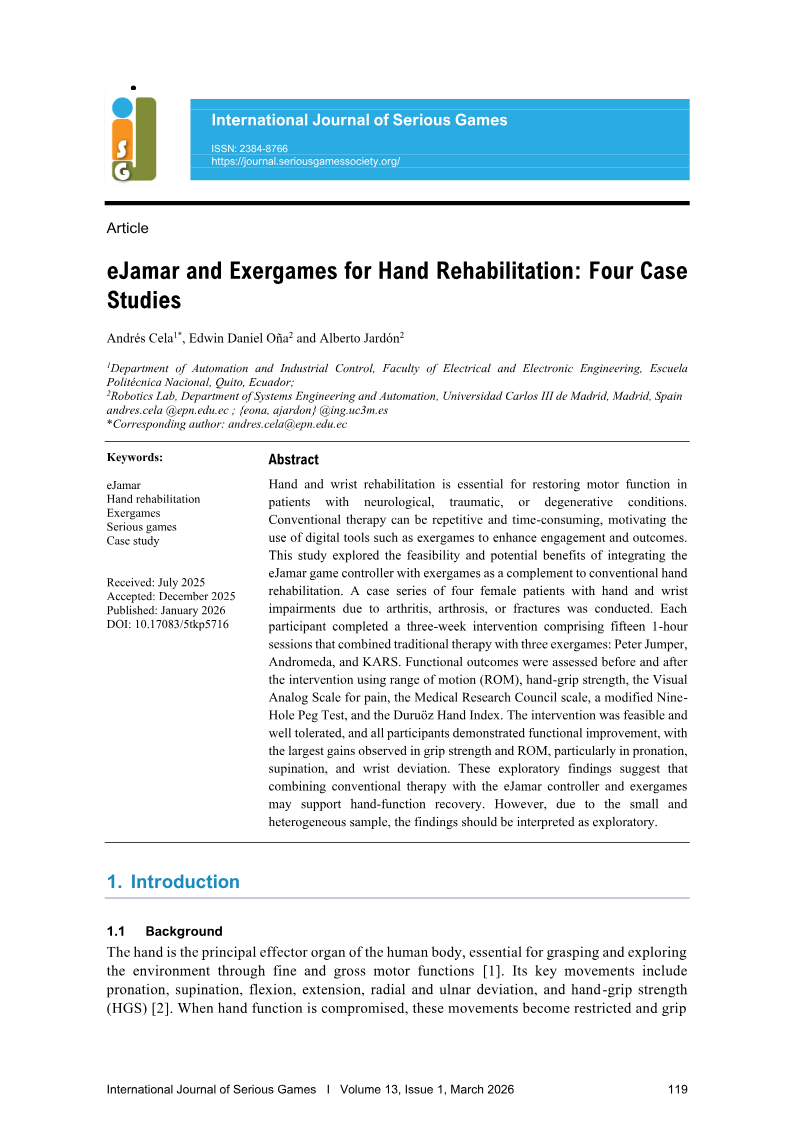
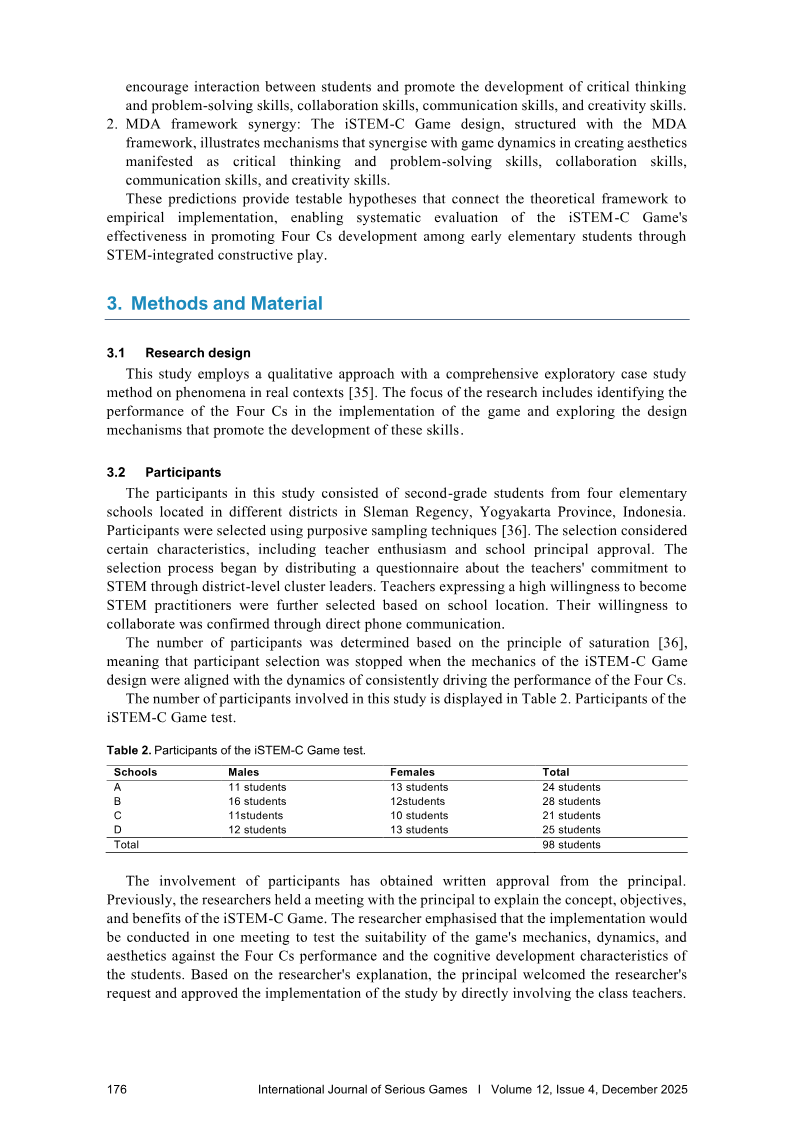
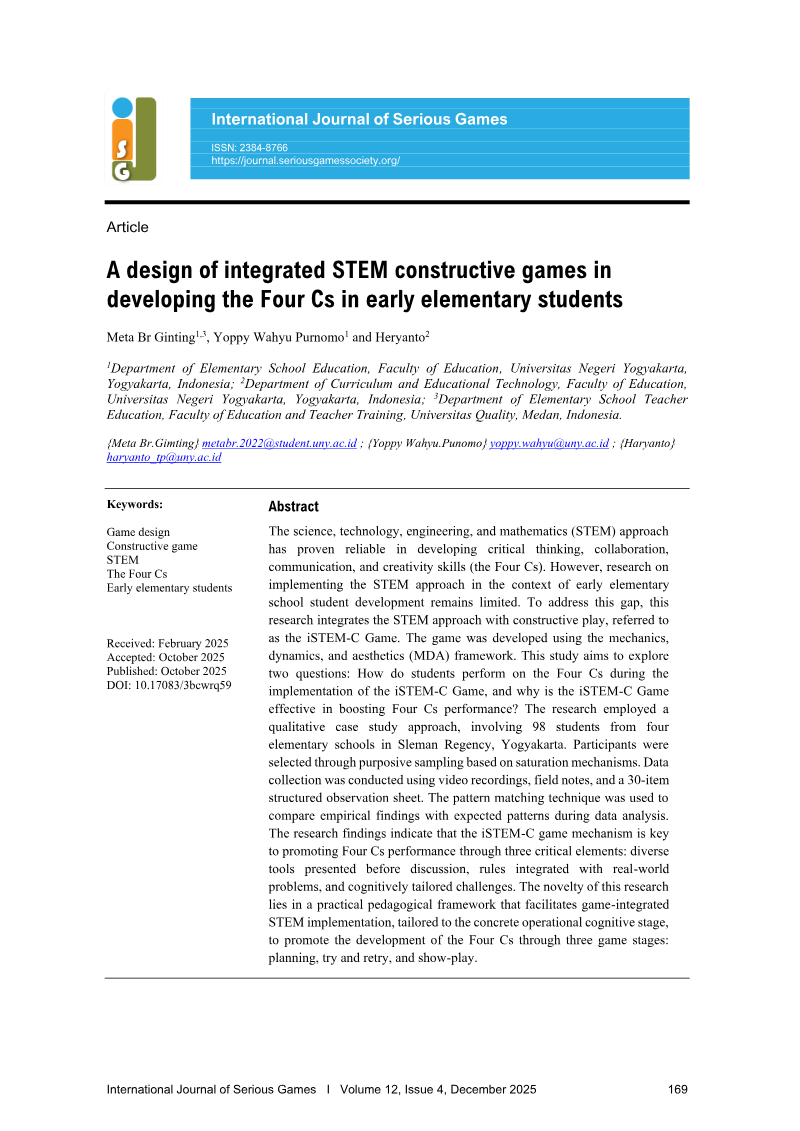
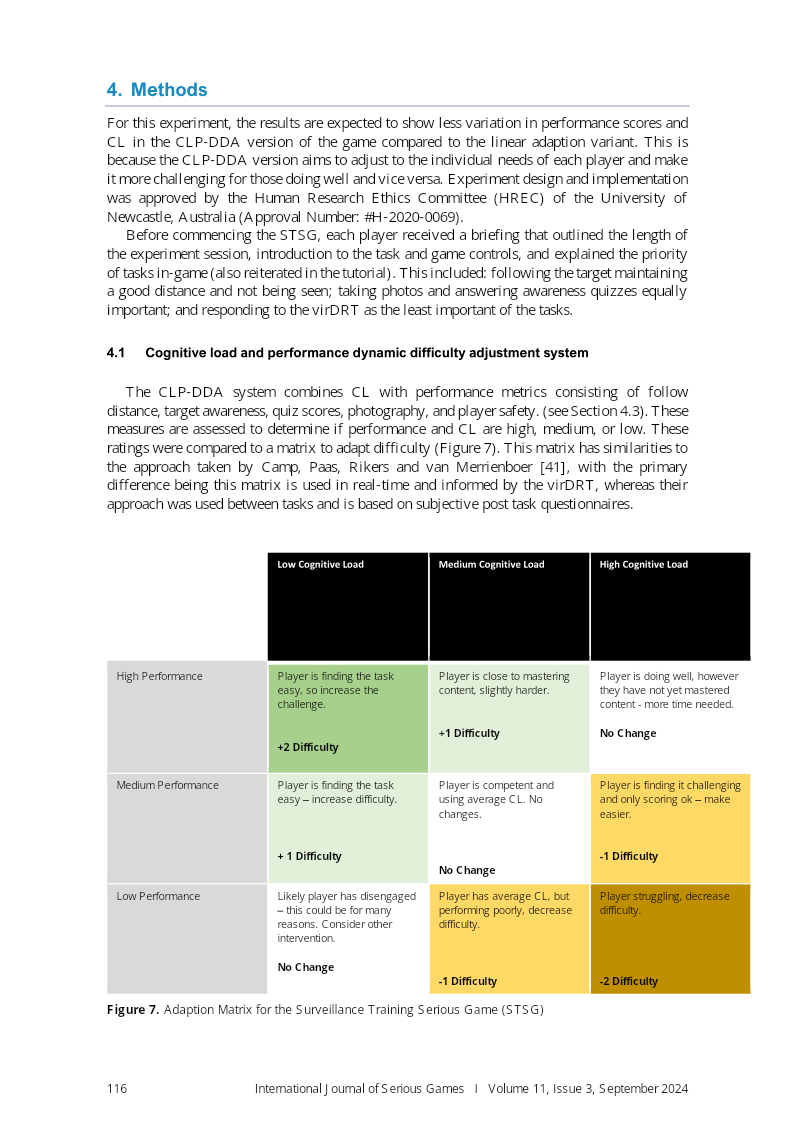
Fibonacci Level Adjustment dynamically aligns game challenges with player states.
It adapts challenges to a player's specific cognitive and motivational states.
1 / 4
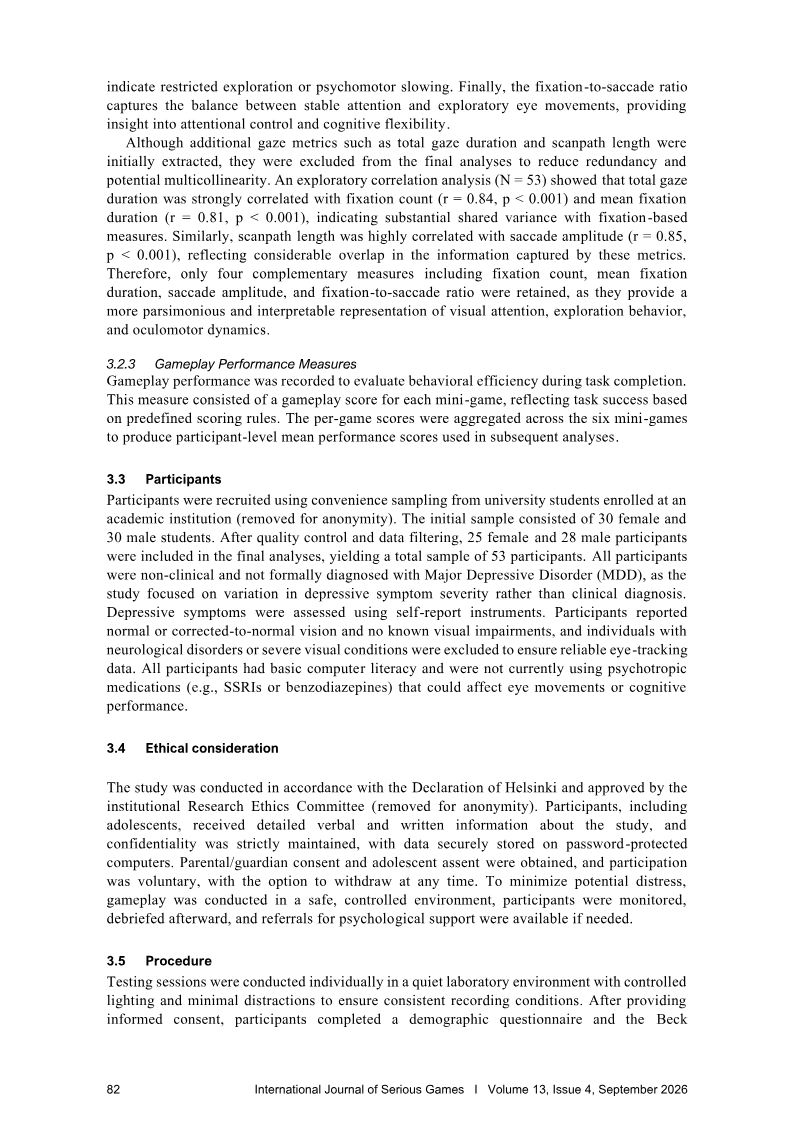
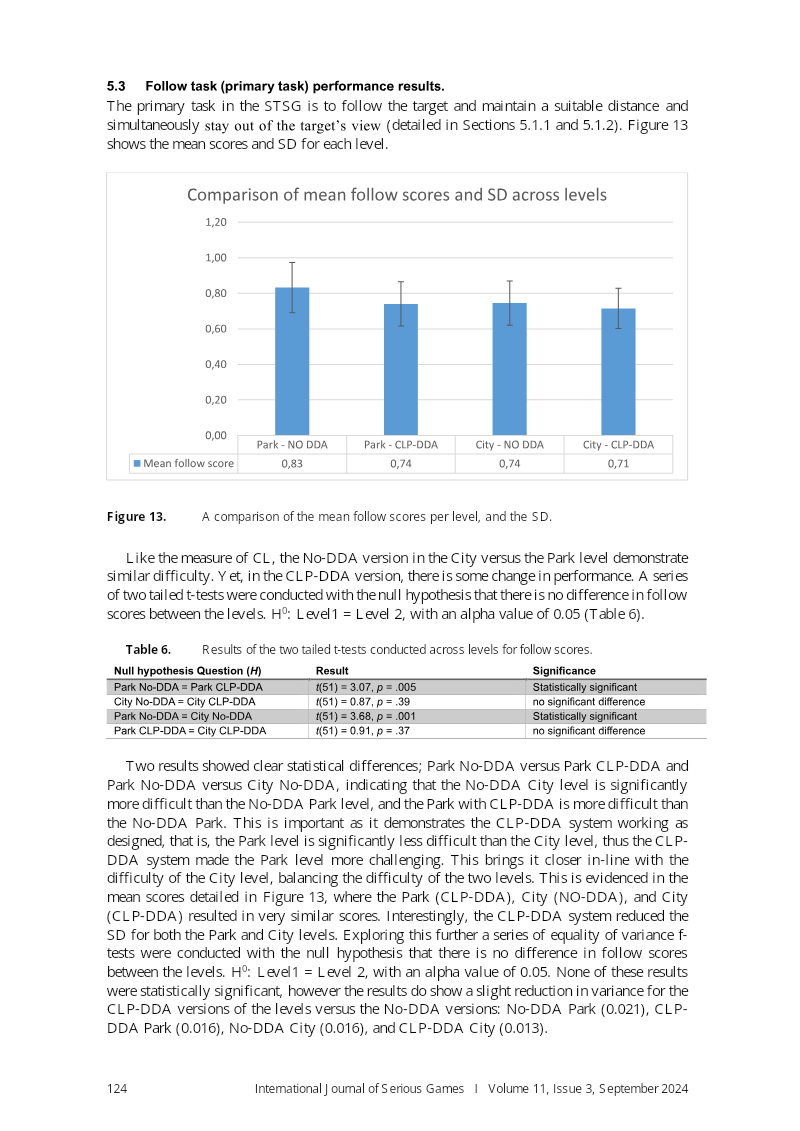
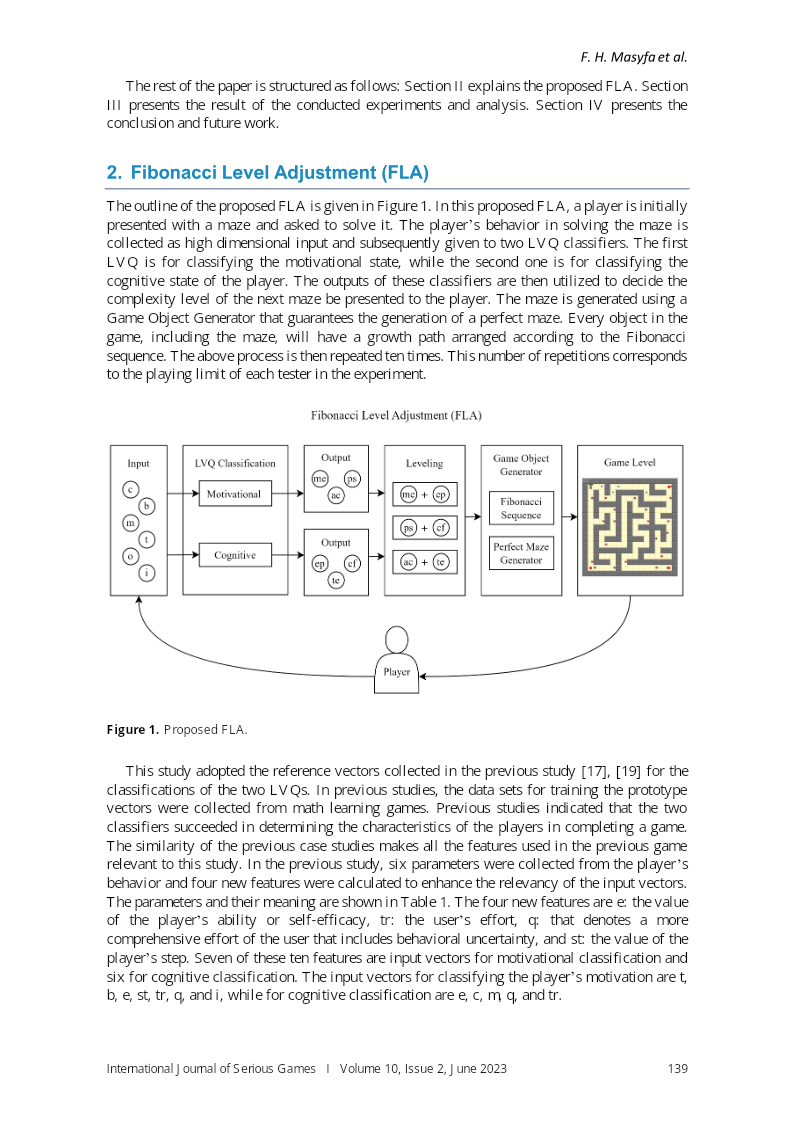
- 01Players using the Fibonacci-based difficulty system reached peak performance twice as fast as those in control groups using linear or user-defined models.See it on page 1
- 02The Fibonacci level adjustment model significantly increases overall player proficiency compared to traditional static or linear difficulty scaling.See it on page 1
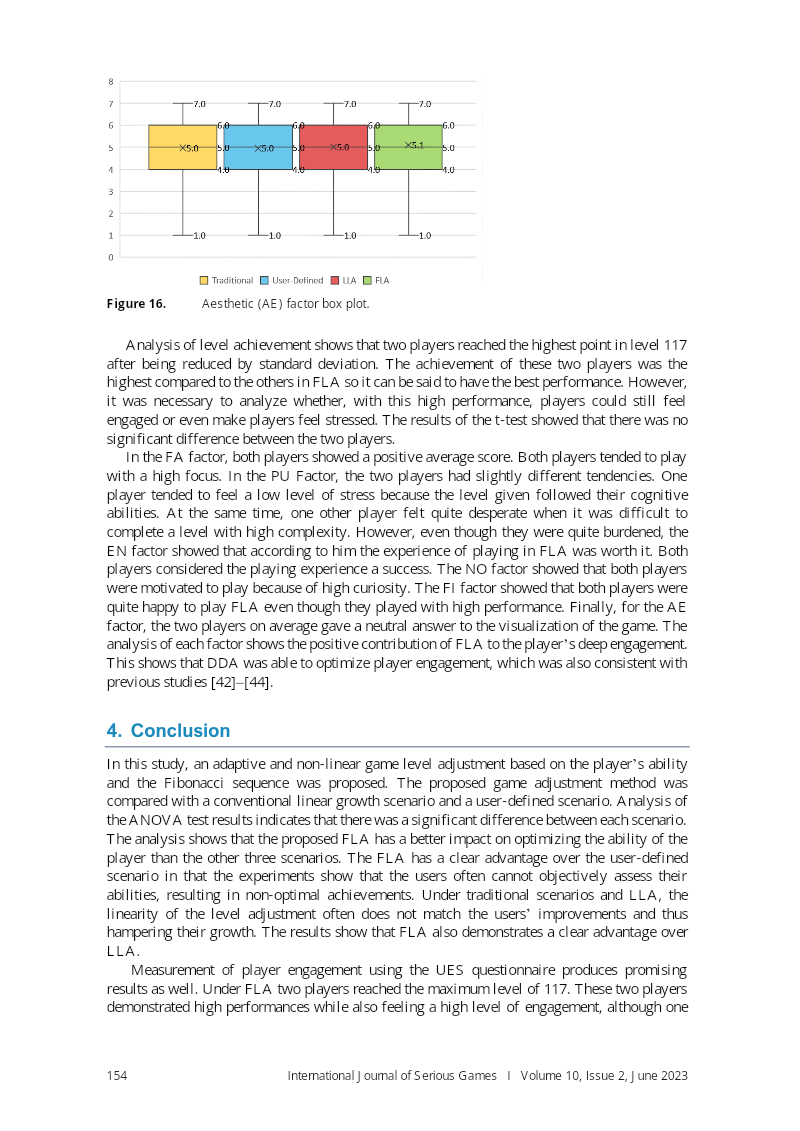
- 03By mapping maze complexity to the Fibonacci sequence, the system dynamically aligns game challenges with a player's cognitive and motivational states to prevent performance stagnation.See it on page 3
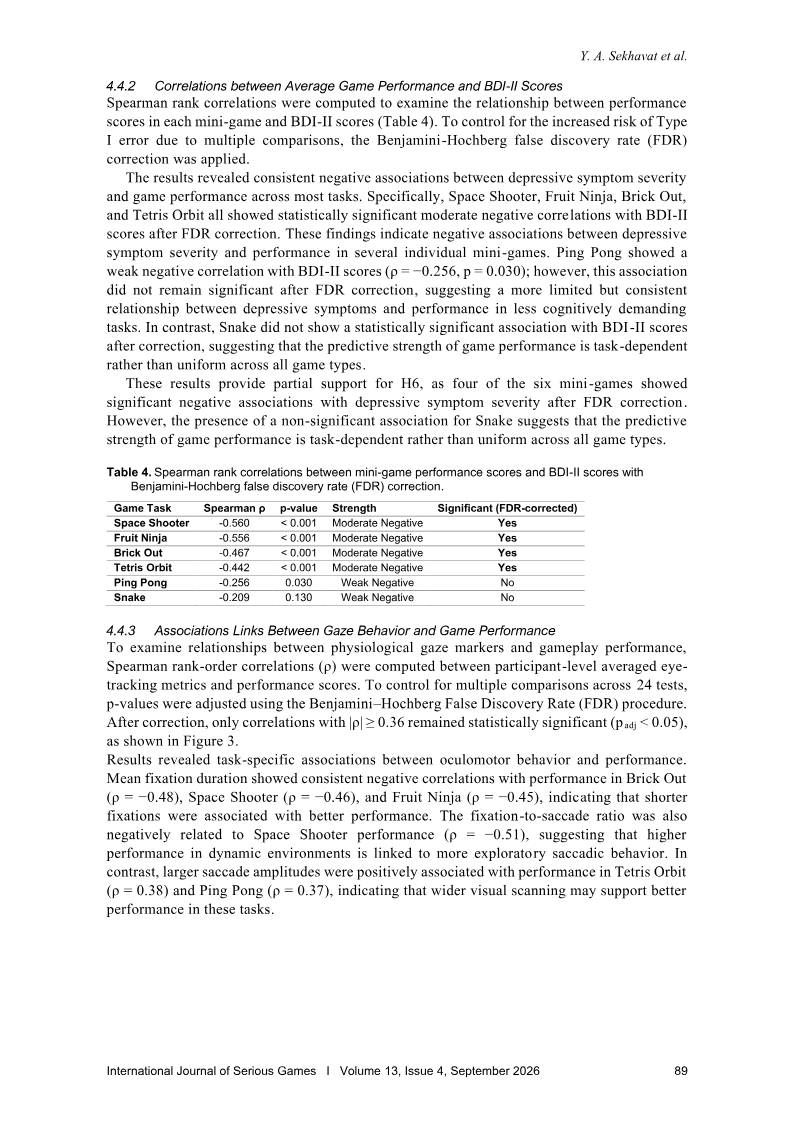
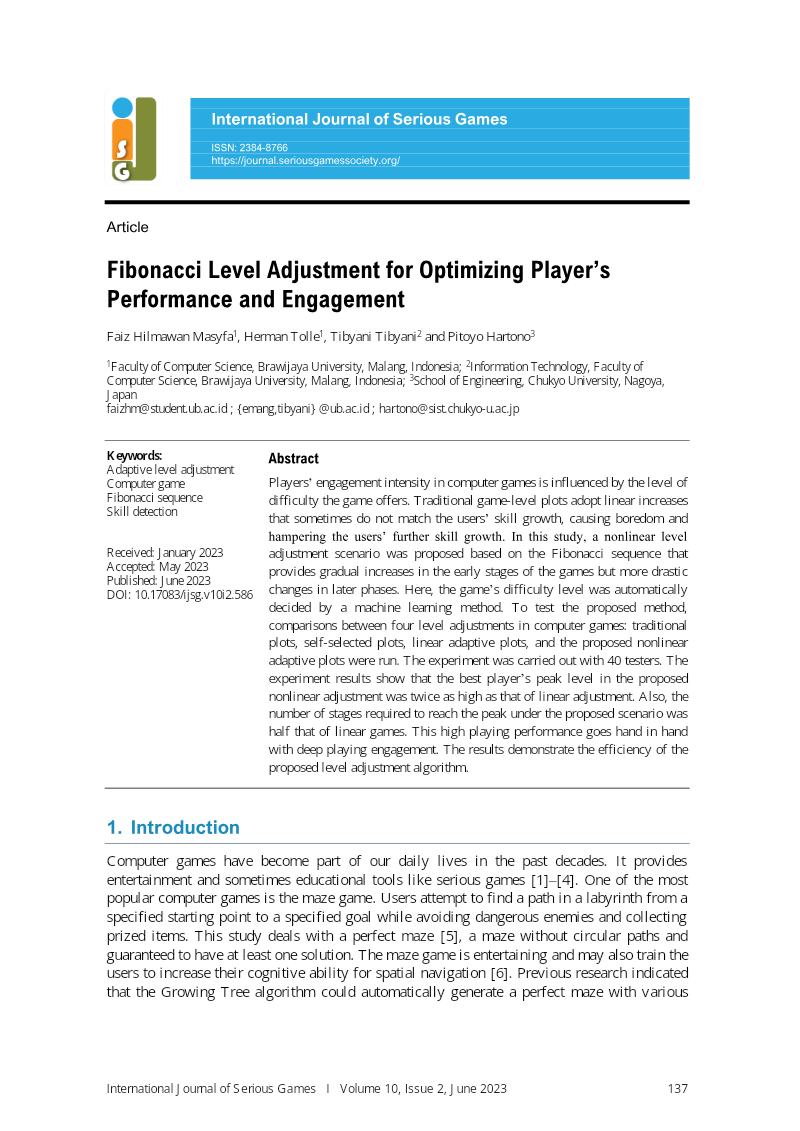
- 04Experimental data from forty participants indicates that while the adaptive intensity can elevate player stress, it successfully deepens focus and enhances the overall reward experience.See it on page 18
- 05This nonlinear, algorithmically driven framework serves as a scalable solution for developers aiming to optimize player retention and skill development in serious games.See it on page 1
Ask AI about this report
Summary
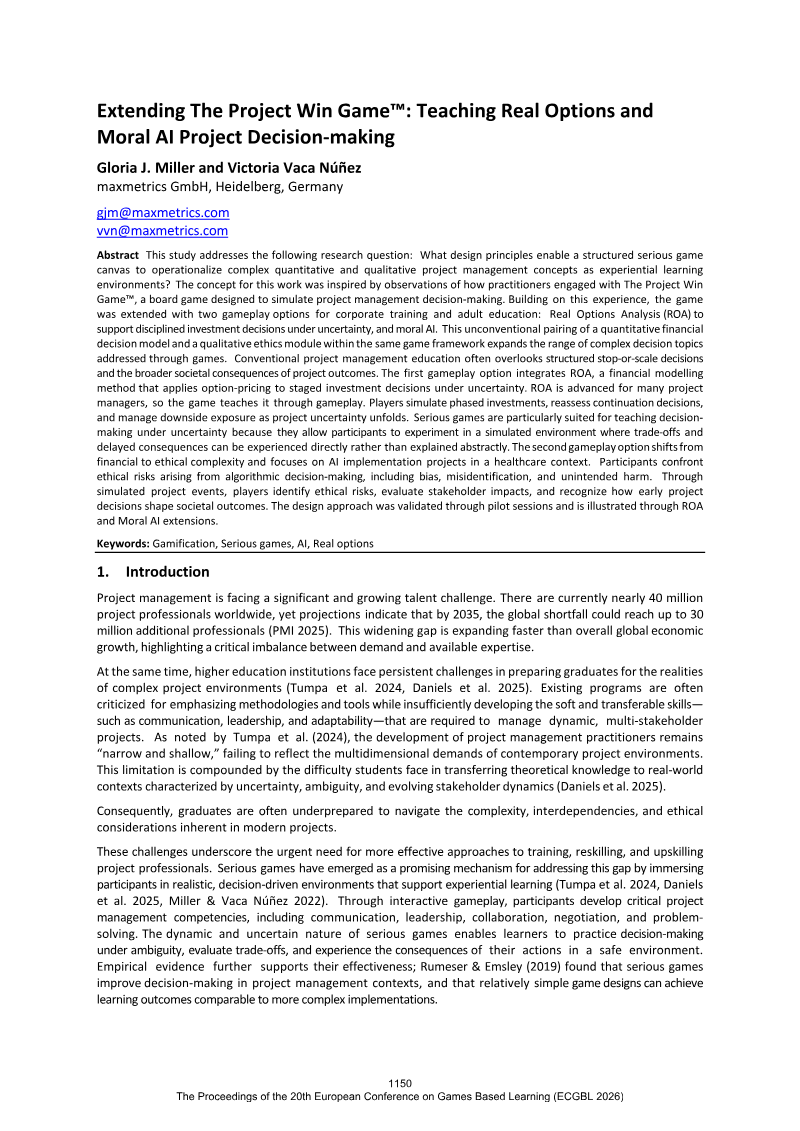
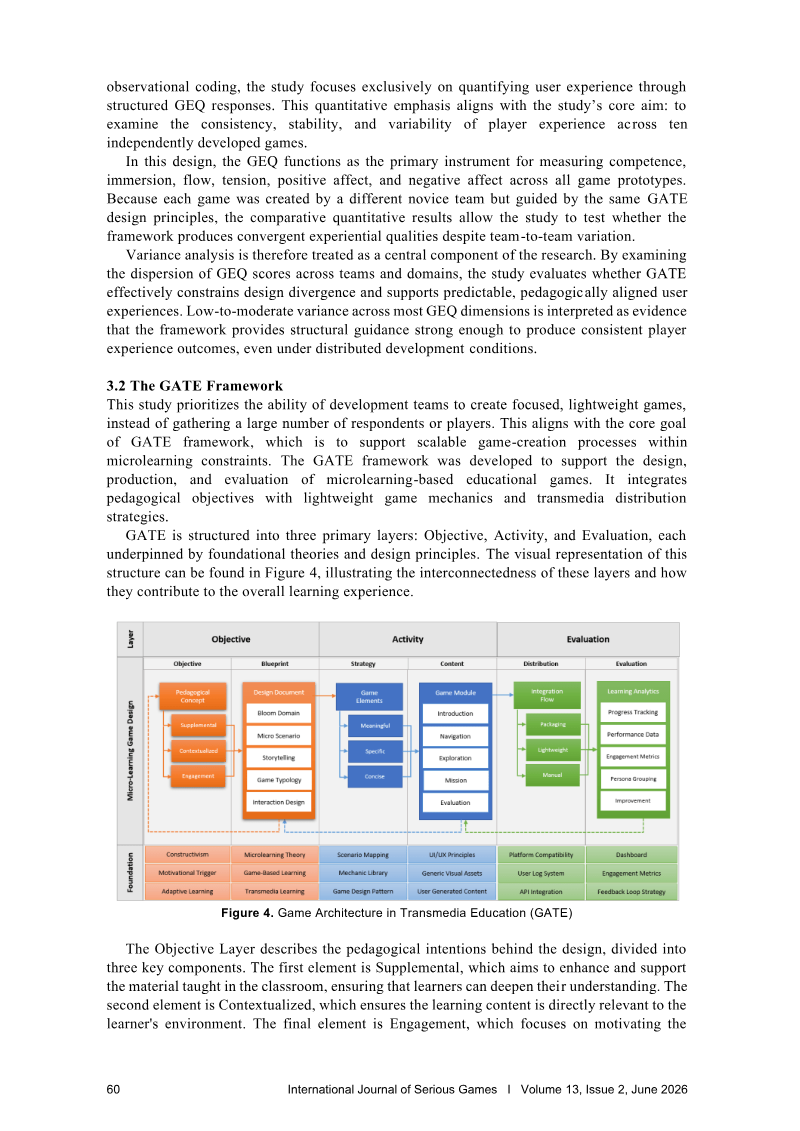
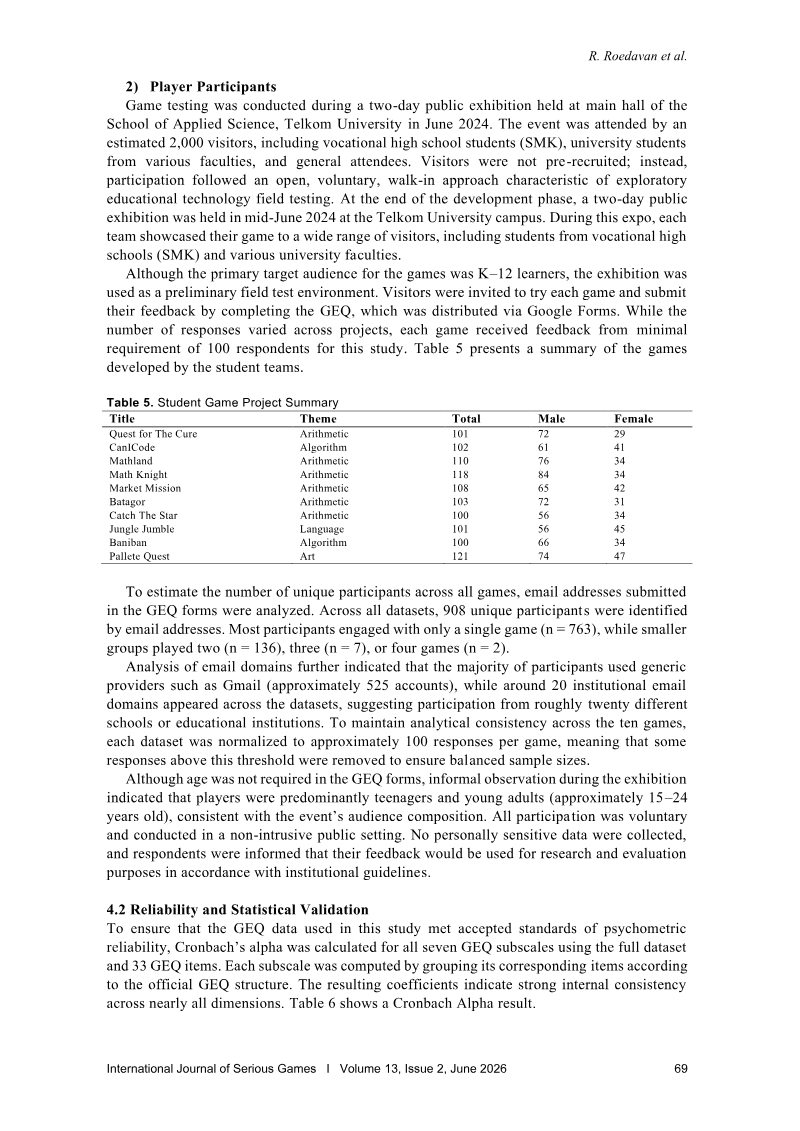
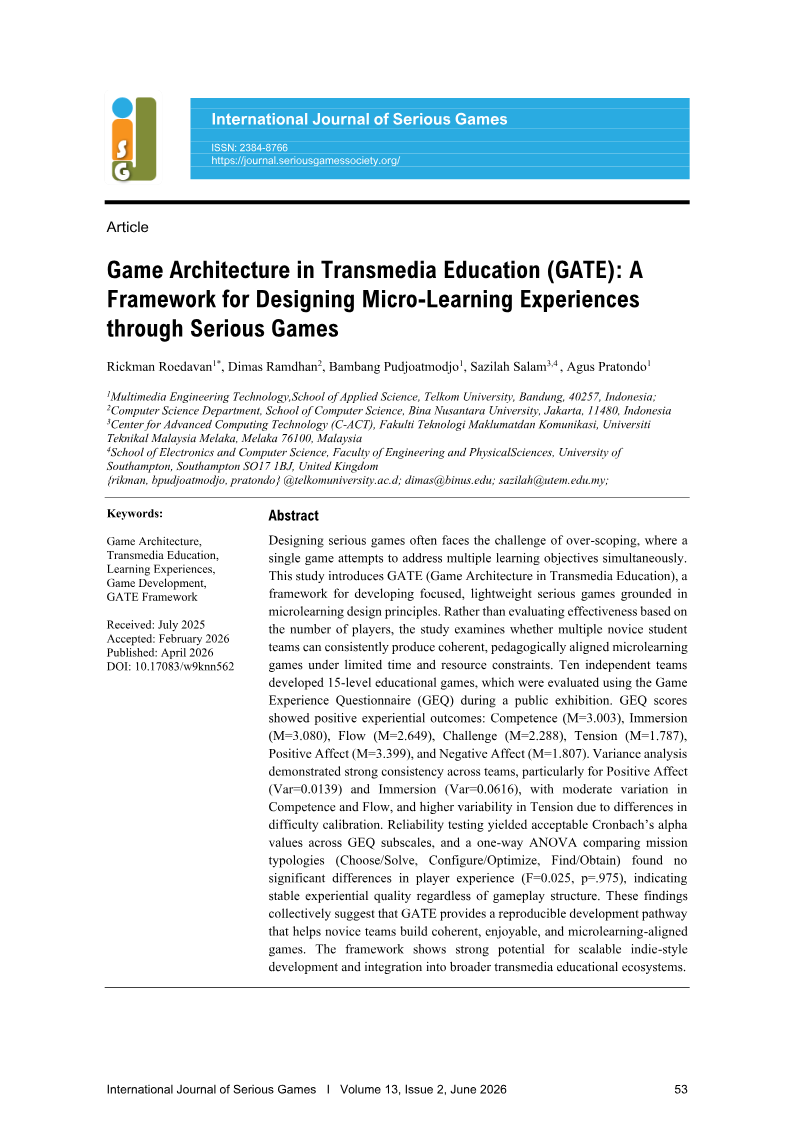
Fibonacci Level Adjustment represents a significant advancement in adaptive game design by replacing traditional linear difficulty scaling with a nonlinear, human-centric model. By mapping maze complexity to the Fibonacci sequence, this methodology dynamically aligns game challenges with a player’s specific cognitive and motivational states. This approach effectively mitigates the performance stagnation common in conventional leveling systems, ensuring that difficulty remains calibrated to foster continuous skill development and sustained user engagement.
Experimental data involving forty participants confirms that this nonlinear framework substantially outperforms both linear and user-defined difficulty models. Players utilizing the Fibonacci-based system reached their peak performance levels twice as fast as those in control groups, while simultaneously achieving higher overall proficiency. Although the increased intensity of the adaptive challenges occasionally elevates player stress, the method successfully maintains deeper focus and provides a more rewarding experience, proving its efficacy as a tool for personalized learning environments and serious games.
The research draws upon a robust foundation of mathematical principles and psychological engagement metrics to validate the application of Fibonacci sequences in technical systems. By prioritizing the synchronization of game complexity with individual user capabilities, this approach offers a scalable solution for developers seeking to optimize player retention and performance. These findings establish a compelling case for moving away from static difficulty curves toward dynamic, algorithmically driven systems that respond intelligently to the nuances of human behavior.