Retention reports and market data
Documents

FTUE: CSR 2
CSR Racing 2, developed by NaturalMotion and published by Zynga, represents a significant evolution of the original drag racing franchise.
- Zynga prioritized long-term player retention for CSR Racing 2 by utilizing an extensive year-long soft launch period to refine the game's mechanics.
- The FTUE incorporates controlled losses to force engagement with the vehicle upgrade system, ensuring players understand the core progression loop early.
- CSR Racing 2 employs a dual-currency model and energy-based fuel gating to regulate play sessions and drive monetization through time-saving mechanics.
FTUE: Rise of Tyrants
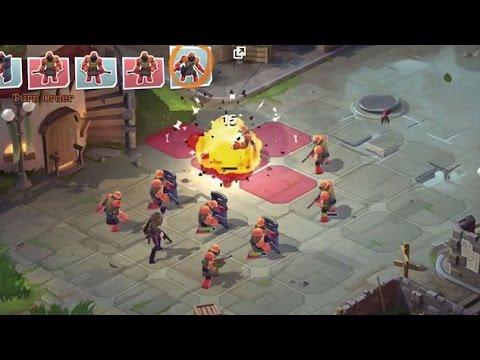
Rise of Tyrants, a mobile strategy title developed by Z2Live and published by King, represents a strategic effort by the casual-gaming giant to expand into the midcore market.
- King is attempting to diversify its portfolio beyond match-three games by entering the midcore strategy market with the soft-launched title 'Rise of Tyrants'.
- The game is developed by Z2Live, a studio with historical experience in free-to-play titles like Battle Nations, and is currently available on mobile app stores.
- The core gameplay loop integrates base-building mechanics with grid-based, turn-based tactical combat featuring hero units and varied troop types.

FTUE: Monster Sweeperz
The analysis of the mobile title Monster Sweeperz, developed by 4:33 Creative Labs, highlights significant friction points in the first-time user experience (FTUE) that hinder player retention.
- The 5-minute initial download time for Monster Sweeperz creates a prohibitive barrier to entry that significantly undermines player retention and return on high customer acquisition costs.
- Mobile games should prioritize a seamless onboarding experience with a target launch time of under 30 seconds to successfully convert new installs into engaged users.
- Technical instability, such as the tutorial crash observed in this title, negates the value of innovative mechanics and high-quality art by preventing users from experiencing the core gameplay.
Monetizer: RAID HQ
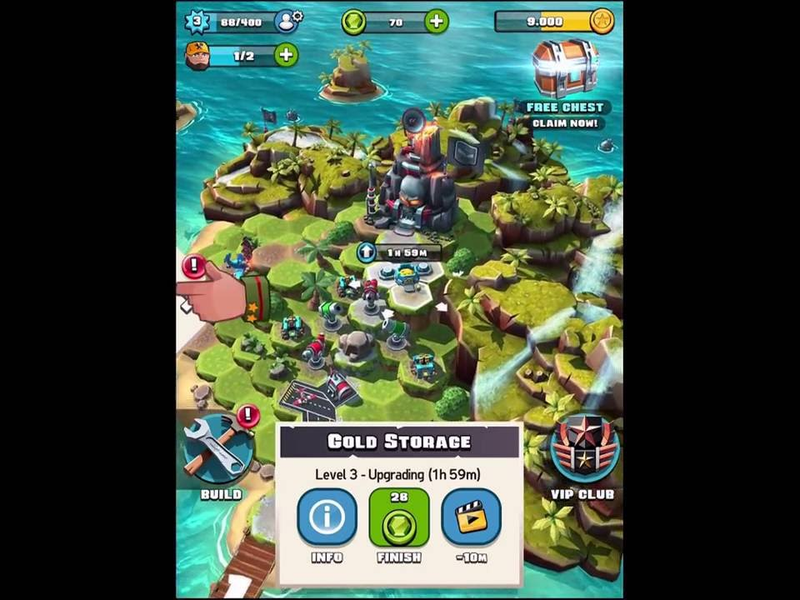
RAID HQ, a portrait-oriented, card-based shoot-'em-up developed by the UK-based studio Eight Pixels Square, serves as a case study in the integration of Asian-market free-to-play monetization and retention mechanics into a Western mobile game.
- RAID HQ by Eight Pixels Square integrates Asian-market monetization strategies, such as VIP tier systems and Gacha-style card collection, into a Western-style shoot-'em-up framework.
- The game employs a VIP tier system that provides permanent account benefits, including increased card yields and ad removal, to drive consistent player spending.
- Progression is gated by a complex system of randomized rewards, resource-based color-coding, and time-limited tasks that allow for hard-currency bypasses.
How Leap Day integrates rewarded video ads
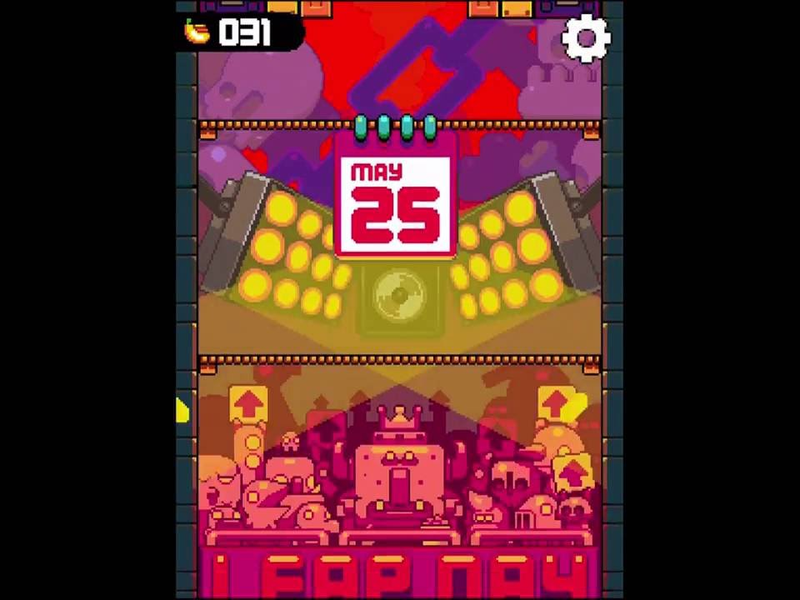
Leap Day, developed by the London-based studio Nitrome, serves as a case study in utilizing daily content updates and rewarded video advertising to drive player retention in mobile gaming.
- Nitrome utilizes a daily content cadence in Leap Day, where levels reset every 24 hours to establish a consistent habit loop and reduce player churn.
- The game employs an opt-in rewarded video model that allows players to bypass in-game currency requirements for unlocking checkpoints or accessing past levels.
- The core retention strategy relies on time-gated, fresh content to prevent the player fatigue typically associated with static mobile gaming titles.
FTUE: Disney Magical Dice
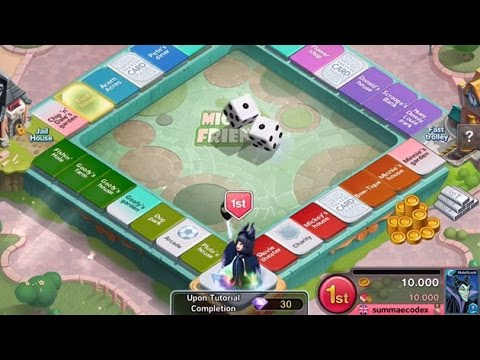
Disney Magical Dice, a mobile title developed by Netmarble, serves as a western-focused adaptation of the popular Korean board game Everyone’s Marble.
- Disney Magical Dice, developed by Netmarble, adapts the Korean board game Everyone’s Marble for Western audiences by blending Monopoly-style mechanics with collectible card game (CCG) progression.
- The game’s onboarding process suffers from significant friction, specifically due to mandatory push notification prompts and background data downloads that delay access to the core gameplay loop.
- While the tutorial effectively teaches basic movement and property acquisition, its restrictive nature fails to adequately prepare players for the game's more complex attribute management and card-fusion systems.

Why Marvel: Contest of Champions needs to rethink rewards for its Versus PVP mode
Marvel: Contest of Champions, a successful free-to-play mobile title, faces a disconnect between developer intent and player behavior regarding its Versus player-versus-player (PvP) mode.
- The Versus PvP mode in Marvel: Contest of Champions is the most popular activity for players seeking quick sessions, yet it lacks the meaningful progression rewards—such as premium crystals or catalysts—found in other game modes.
- There is a fundamental misalignment between the developer's energy-gated retention loops and the actual player behavior of prioritizing the most accessible and efficient gameplay modes.
- The current reward structure creates a friction point that discourages long-term retention, as players feel unrewarded for the time invested in the game's most engaging mode.
Why you should be using Google Play Games services
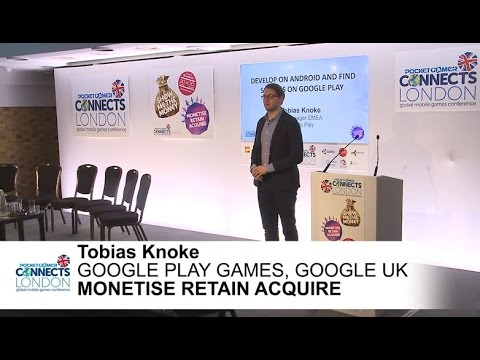
Google Play Games services provides a comprehensive suite of tools designed to assist developers throughout the entire game lifecycle, from prototyping and soft launching to full release and post-launch optimization.
- Google Play Games services provides access to a global audience of over one billion active Android devices, with significant growth currently projected in emerging markets.
- Machine learning-based predictive analysis allows developers to identify specific user behavior patterns, such as churn risk or spending propensity, to trigger targeted retention interventions.
- Integrated player analytics tools provide data on in-game economies, enabling developers to balance currency flow and optimize average revenue per daily active user (ARPDAU).
Is your game's on-ramp better than Facebook's?
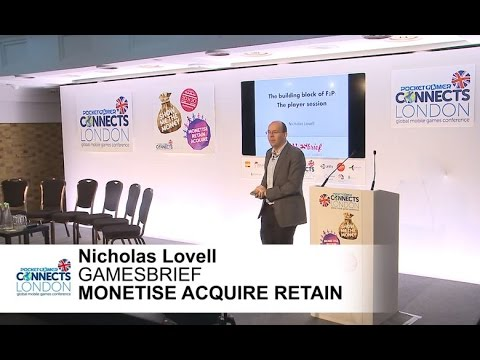
The fundamental core of free-to-play game success lies in the management of player sessions, specifically the balance between the ease of entering a game and the comfort of leaving it.
- The primary objective for free-to-play success is designing an 'on-ramp' efficient enough to compete with non-gaming distractions like social media.
- Developers should aim to pass the 'Starbucks test,' ensuring players can have a satisfying, meaningful interaction within the time it takes to order a coffee.
- Retention is best driven by 'return hooks' such as appointment mechanics, social obligations to teammates, and daily rewards rather than reliance on push notifications.
Clash Royale's genius and totally counter-intuitive monetisation loop
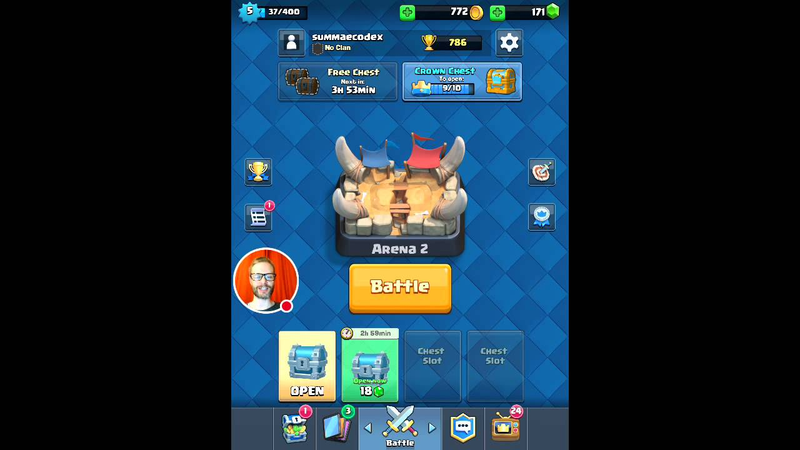
Clash Royale utilizes a sophisticated monetization strategy that integrates revenue generation directly into the core gameplay reward loop.
- Clash Royale monetizes by integrating a time-gated chest system directly into the core gameplay reward loop, creating a deliberate friction point after victories.
- Players are incentivized to spend premium currency (gems) to bypass wait times, effectively purchasing immediate access to rewards earned through gameplay.
- The strategy leverages the heightened emotional state following a win, which increases the perceived value of the chest contents and makes the cost of acceleration feel justified.
How Supercell built an nonsensical session rhythm into Clash Royale
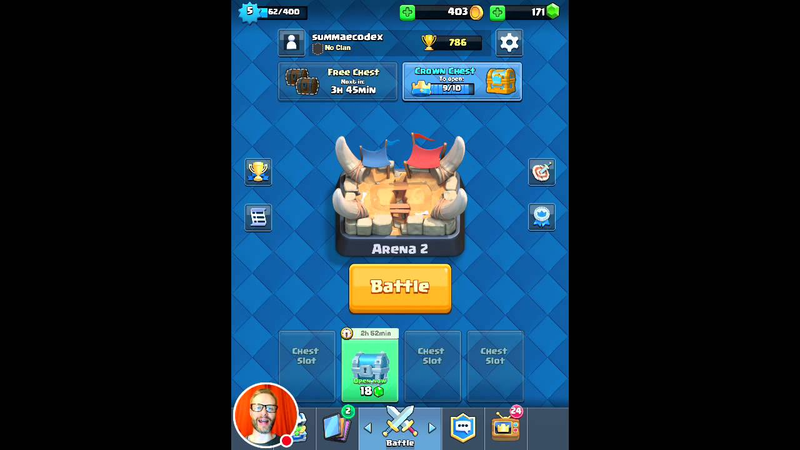
Clash Royale utilizes a sophisticated retention strategy by integrating a subtle, covert energy system into its chest reward mechanic.
- Clash Royale uses a chest reward system as a covert energy-gating mechanic, providing four slots to create a psychological sense of structure and completion.
- The game design encourages a 12-to-15-minute session rhythm, which is the optimal time required for players to fill their available chest slots.
- By framing limitations as a reward-collection loop rather than a traditional energy bar, the game avoids the negative player sentiment typically associated with restrictive gating.
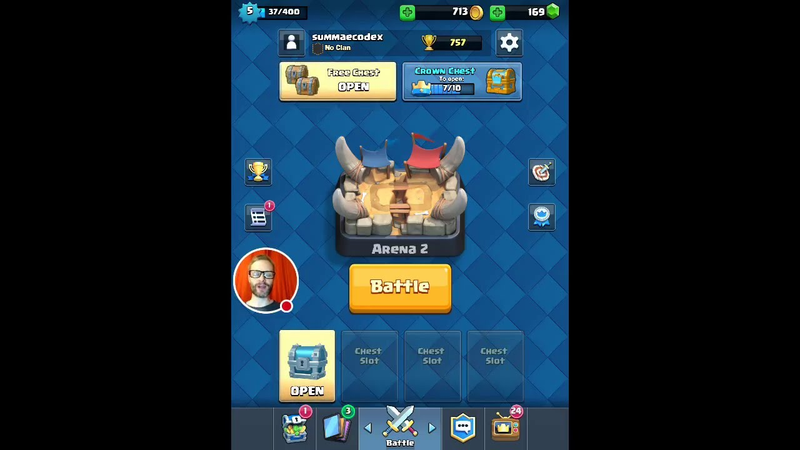
Clash Royale's immediate reciprocity (and accidental Battle launch)
Clash Royale utilizes psychological principles of reciprocity to drive player retention and engagement through its user interface design.
- Clash Royale leverages the psychological principle of reciprocity by positioning free reward chests as the primary visual focal point upon app launch to foster immediate positive player sentiment.
- The reward system utilizes a four-hour replenishment cycle to establish a consistent, habitual return loop for players.
- Interface design prioritizes immediate gratification over menu navigation, effectively masking the complexity of the game's deeper systems and currencies.