Retention reports and market data
Documents
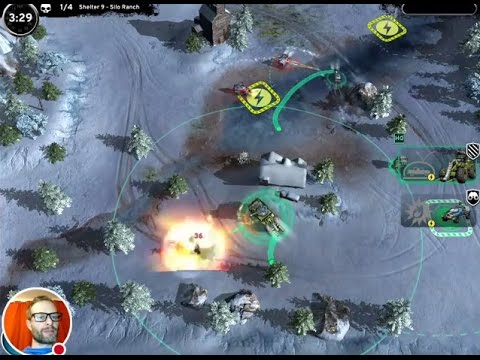
FTUE: Winterstate
Winterstate, a mobile vehicle combat game developed by PlayRaven, utilizes a post-apocalyptic arctic setting to deliver a tactical, line-drawing gameplay experience.
- PlayRaven’s Winterstate utilizes a line-drawing mechanic that shifts mobile combat from automated systems to player-driven tactical movement and positioning.
- The first-time user experience employs a gradual difficulty curve, transitioning players from basic target destruction to complex scenarios involving multiple vehicles and defensive shielding.
- The game’s core loop balances mission-based combat with a metagame focused on vehicle management, including weapon upgrades, driver attribute assignment, and resource allocation.
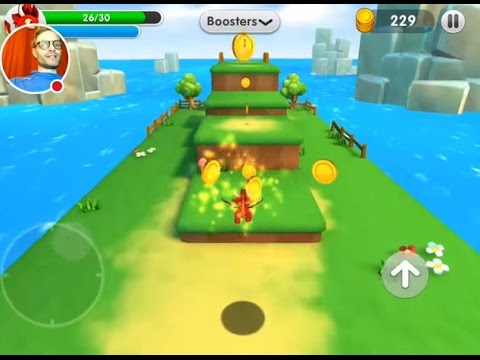
FTUE: Dragon Land
The first-time user experience (FTUE) of the 3D platformer Dragon Land, developed by Social Point, reveals significant challenges regarding mobile accessibility and control schemes.
- Social Point’s Dragon Land demonstrates that 3D platforming mechanics, specifically camera management and movement, suffer from significant friction when adapted to mobile touchscreen interfaces.
- The reliance on virtual dual pads and double-tap mechanics creates a steep learning curve that potentially alienates the casual player base typically targeted by Social Point.
- While the game uses visual aids like shadow indicators to assist with depth perception, these features fail to replicate the intuitive control precision found in traditional console platformers.
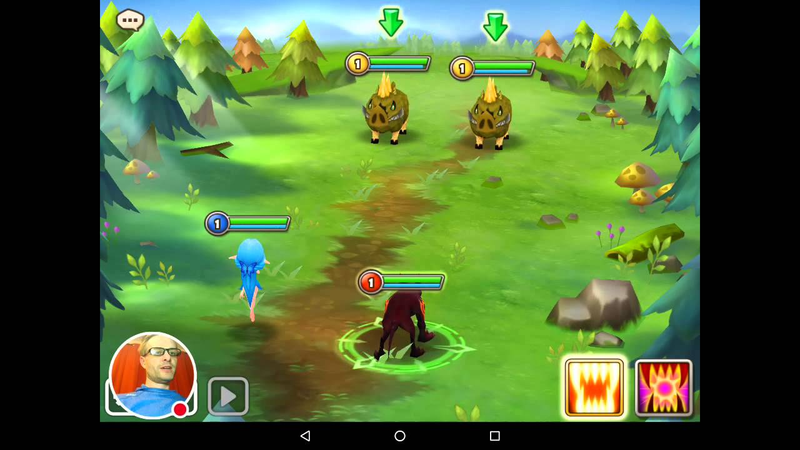
FTUE: Summoners War
Summoners War, a long-standing mobile RPG developed by the Korean studio Com2uS, serves as a primary case study for the successful implementation of the free-to-play model within the global mobile gaming market.
- Summoners War, developed by Korean studio Com2uS, serves as a primary case study for the successful implementation of the free-to-play, games-as-a-service model in the mobile RPG genre.
- The game’s design philosophy prioritizes long-term player investment and deep, grind-heavy progression systems over casual, short-term engagement.
- The user experience features a dense, PC-influenced interface that immediately exposes players to complex meta-game systems, including monster summoning, elemental combat, and equipment engraving.
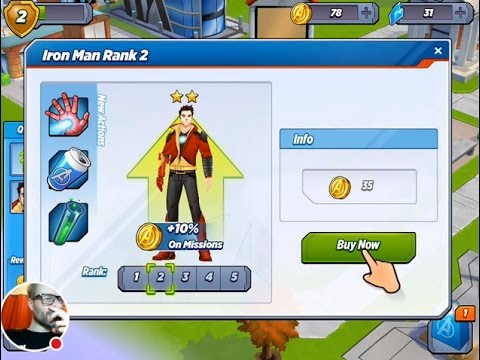
FTUE: Marvel: Avengers Academy
Marvel: Avengers Academy, developed by TinyCo, is a mobile simulation game that reimagines iconic Marvel superheroes as students in an academic setting.
- TinyCo differentiates Marvel: Avengers Academy from competitors by prioritizing character-driven narrative and stylized art over traditional combat mechanics.
- The game utilizes a dual-currency free-to-play model, employing soft currency for routine tasks and hard currency to bypass time-gating and accelerate progression.
- The core gameplay loop centers on resource management, base building, and a star-based progression system for leveling up recruited heroes.
Monetizer: Wonder Tactics
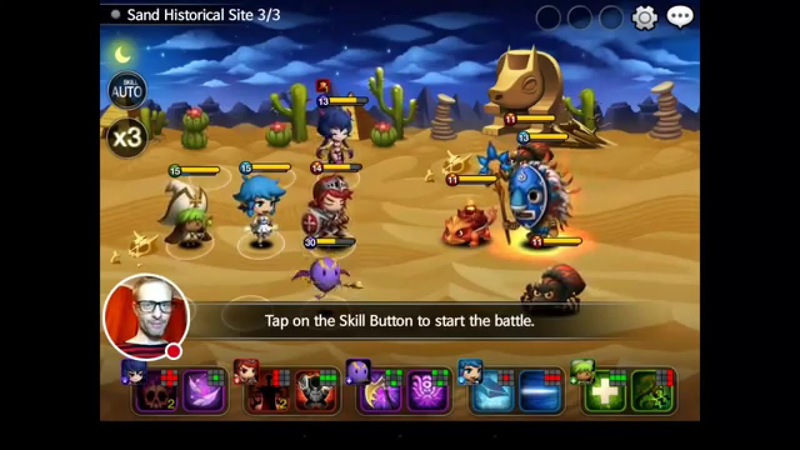
Wonder Tactics, a free-to-play mobile RPG developed by Com2uS, utilizes a super-deformed, cutesy art style to target a specific niche within the mobile gaming market.
- Wonder Tactics by Com2uS utilizes a standard mobile RPG loop centered on hero collection, squad management, and progression through turn-based combat on a three-by-three grid.
- The monetization model relies on randomized hero acquisition via premium currency and tiered scrolls, supplemented by daily login bonuses and starter support kits.
- The game employs a character enhancement system where lower-level heroes are consumed as upgrade materials, a mechanic that includes a risk of failure common in Asian markets.
FTUE: Downtown Showdown
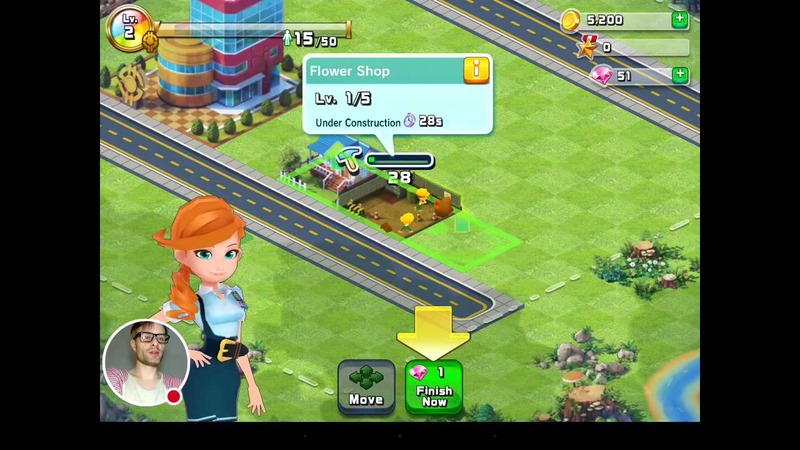
Downtown Showdown, a mobile title from Japanese publisher COLOPL, serves as a case study in the adaptation of city-building mechanics for Western markets.
- COLOPL is utilizing 'Downtown Showdown' as a strategic vehicle to adapt Japanese city-building design sensibilities for Western markets in Europe and North America.
- The game hybridizes traditional urban simulation mechanics with competitive, combat-oriented progression systems similar to 'Clash of Clans'.
- The monetization model relies on standard free-to-play mechanics, specifically using premium 'diamonds' to bypass construction timers and wait times.
FTUE: Clash of Gods
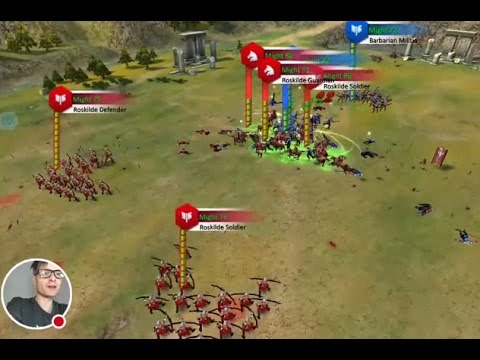
Clash of Gods serves as a Westernized adaptation of the Chinese mobile title Papa Three Kingdoms.
- Clash of Gods is a Westernized adaptation of the Chinese mobile title Papa Three Kingdoms, replacing original aesthetic themes with Western and Egyptian mythology to target global markets.
- The game’s FTUE suffers from significant friction, including a confusing tutorial and an initial battle that results in an unexpected defeat for new players.
- The core gameplay mechanics—featuring card-based systems, complex formation management, and automated combat—are rooted in hardcore Chinese design philosophies that conflict with Western preferences for intuitive, streamlined onboarding.

FTUE: Ark Wars
Ark Wars functions as a classic, menu-driven mobile strategy game that utilizes a sci-fi aesthetic to differentiate itself within a crowded market of management-heavy titles.
- Ark Wars utilizes a traditional, menu-driven mobile strategy framework that mirrors the core mechanics and resource management loops of established genre leaders like Game of War and Mobile Strike.
- The game relies on a highly guided, task-based tutorial that focuses on facility upgrades, soldier training, and hex-based combat to onboard new players.
- Monetization is integrated early into the user experience through time-dependent sales, premium currency, and speed-up items designed to accelerate construction and training.

Why Harry Slater's GotY 2015 is Afterpulse
Afterpulse, a third-person mobile shooter developed by Digital Legends and published by Gamevil, stands out as a premier title of 2015 due to its exceptional execution of core gameplay mechanics.
- Digital Legends and publisher Gamevil successfully adapted traditional shooter mechanics for mobile in 2015 by prioritizing intuitive control schemes that mitigate the ergonomic frustrations common in touchscreen gaming.
- The game utilizes a 'Destiny-style' compulsion loop that drives player retention by rewarding combat success with incremental gear upgrades and consistent daily incentives.
- The title demonstrates high player stickiness, with users remaining engaged through at least fifteen levels of progression rather than discarding the game after initial content exhaustion.
How Star Wars: Galaxy of Heroes' Daily Activities boosts retention
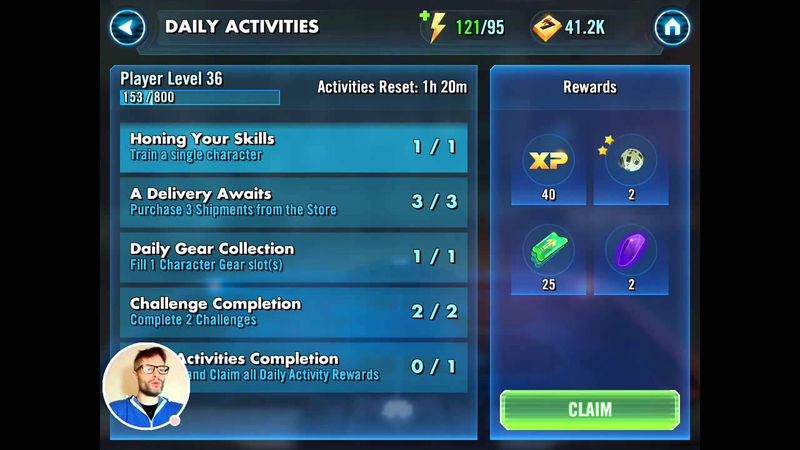
Daily activities serve as a foundational retention mechanism in free-to-play mobile RPGs, specifically within the context of Star Wars: Galaxy of Heroes.
- Daily activities in Star Wars: Galaxy of Heroes function as a foundational retention mechanism by establishing a structured, 24-hour recurring checklist that incentivizes consistent player engagement.
- The system utilizes a tiered reward structure—including experience points, soft currency, and premium gems—to create a feedback loop that encourages players to complete tasks even when they are not pursuing deeper progression.
- A final bonus awarded for completing the entire daily list acts as a psychological nudge, compelling players to return to the game to finalize their progress.
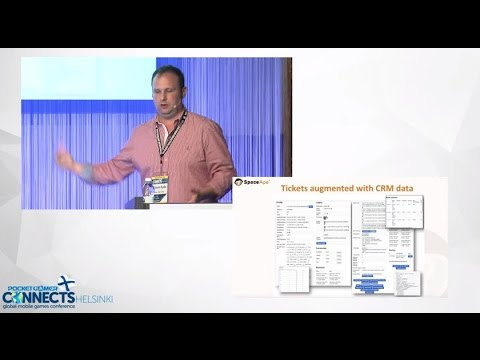
Space Ape on the power of CRM for F2P success
Space Ape Games emphasizes the strategic integration of customer relationship management (CRM) and data analytics to drive revenue and player retention in the free-to-play mobile gaming market.
- Space Ape Games found that 20% of total revenue was directly attributable to players who had experienced positive interactions with customer support.
- The studio prioritizes high-value users by augmenting support tickets with comprehensive player profiles that include spend history, churn propensity, and technical crash logs.
- Direct engagement with influential players via private, invite-only chat groups on platforms like LINE serves as a more effective marketing channel than traditional user acquisition.
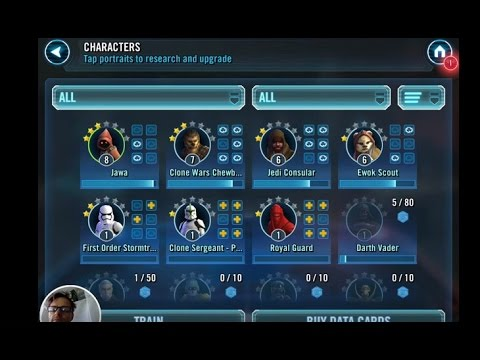
Monetizer: Star Wars: Galaxy of Heroes
Star Wars: Galaxy of Heroes, developed by EA Mobile, utilizes a card-collection and squad-battling framework to engage a mass-market audience.
- Star Wars: Galaxy of Heroes prioritizes meta-game loops, such as resource management and character progression, over manual tactical combat to drive user retention.
- The game utilizes automated battle modes and simulation features to shift player focus toward optimizing rewards rather than active gameplay execution.
- Monetization is driven by free-to-play mechanics, including energy systems, soft and hard currencies, and randomized loot drops that allow players to bypass progression grinds.