Player Demographics reports and market data
Documents

A Deep Dive into the 12 Motivations: Findings from 400,000+ Gamers
The gaming industry frequently relies on a flawed binary model that mischaracterizes players with low motivation scores as casual or disengaged.
- Player motivations follow a normal distribution rather than a binary scale, meaning low-motivation scores indicate a preference for curated experiences rather than a lack of engagement.
- Data from over 400,000 gamers confirms that motivations are relative constructs shaped by population norms rather than fixed biological traits.
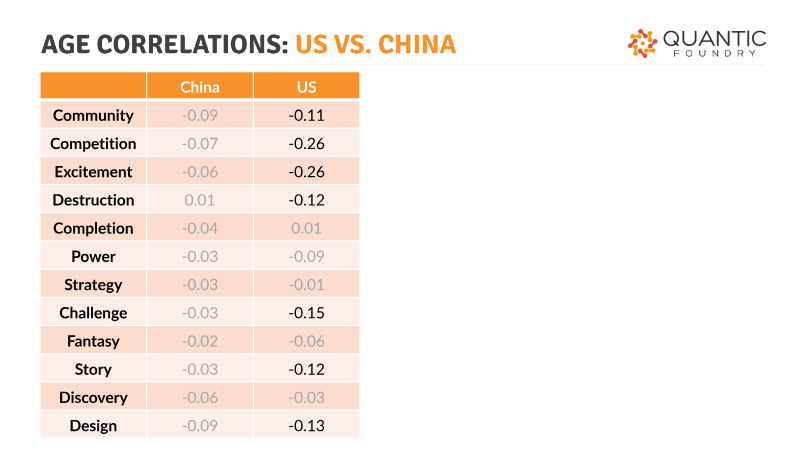
- Cross-cultural analysis shows that gaming motivations are heavily influenced by environmental and market-specific contexts, with competition and completion driving engagement differently across regions like the United States and China.

09 to '19: A Decade of Approachability in Fighting Games
The decade between 2009 and 2019 marked a transformative era for fighting games, characterized by a concerted industry-wide effort to broaden the genre's appeal through increased accessibility.
- Fighting game developers have spent the decade from 2009 to 2019 attempting to broaden audience appeal by reducing execution barriers, yet these efforts often fail to overcome the inherent intimidation factor of the genre.
- Developers frequently prioritize simplifying controls—such as implementing auto-combos, dedicated special move buttons, and simplified blocking—to help players reach the strategic decision-making phase of gameplay faster.
- Modern fighting games have increasingly incorporated comeback mechanics, such as Marvel vs. Capcom 3's 'X-Factor', Dragon Ball FighterZ's 'Sparking', and Tekken 7's 'Rage Art', to create tension and manage the game's momentum when a player is near defeat.

2019 Essential Facts About the Computer and Video Game Industry
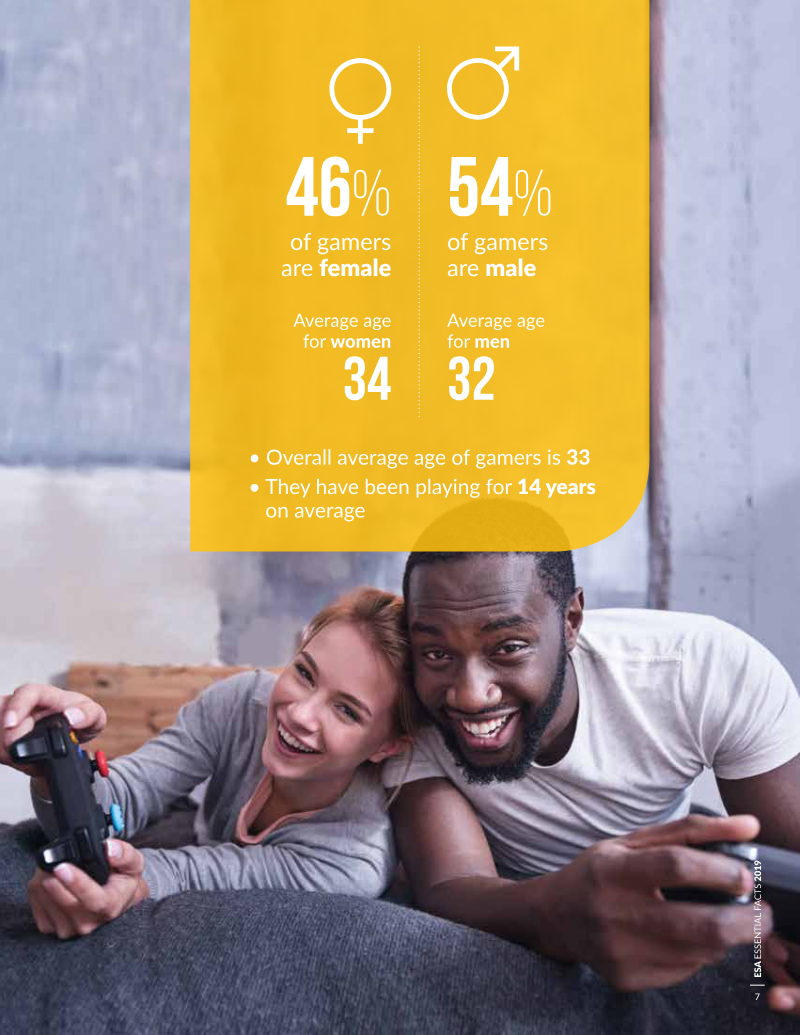
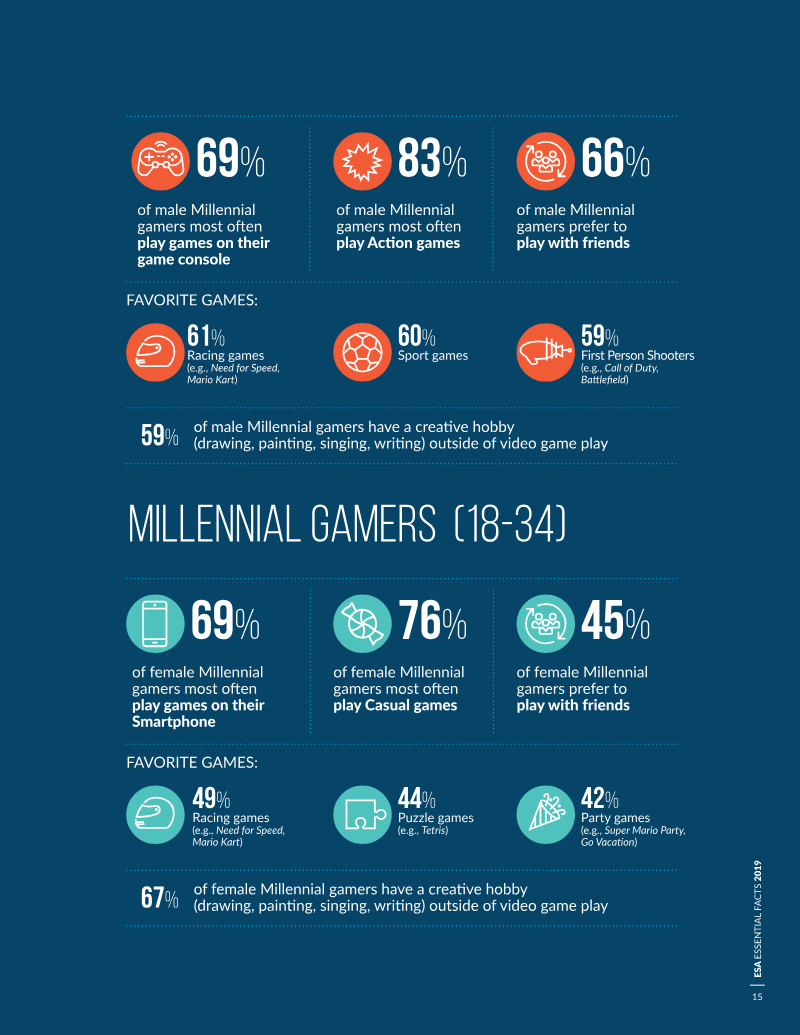
The 2019 Essential Facts About the Computer and Video Game Industry provides a comprehensive overview of the American gaming landscape, highlighting the industry's record-breaking performance and the diverse demographics of its player base.
- The U.S. video game industry generated $43.4 billion in total sales during 2018.
- Digital distribution dominated the market in 2018, accounting for 83% of all physical and digital format sales.
- Gaming is a pervasive household activity, with 75% of American households containing at least one gamer.



Gen Z: Their Power and Their Paradox
Generation Z represents a complex, paradoxical demographic that defies traditional binary categorization.
- Gen Z rejects monolithic, top-down mass-market advertising in favor of authentic, peer-to-peer interactions and niche community participation.
- Engagement strategies should prioritize intimate, compartmentalized social networks over broad reach through mega-influencers.
- Brand credibility is earned through demonstrated expertise and tangible, real-world involvement rather than superficial digital messaging.

Essential Facts About Video Games and Violence
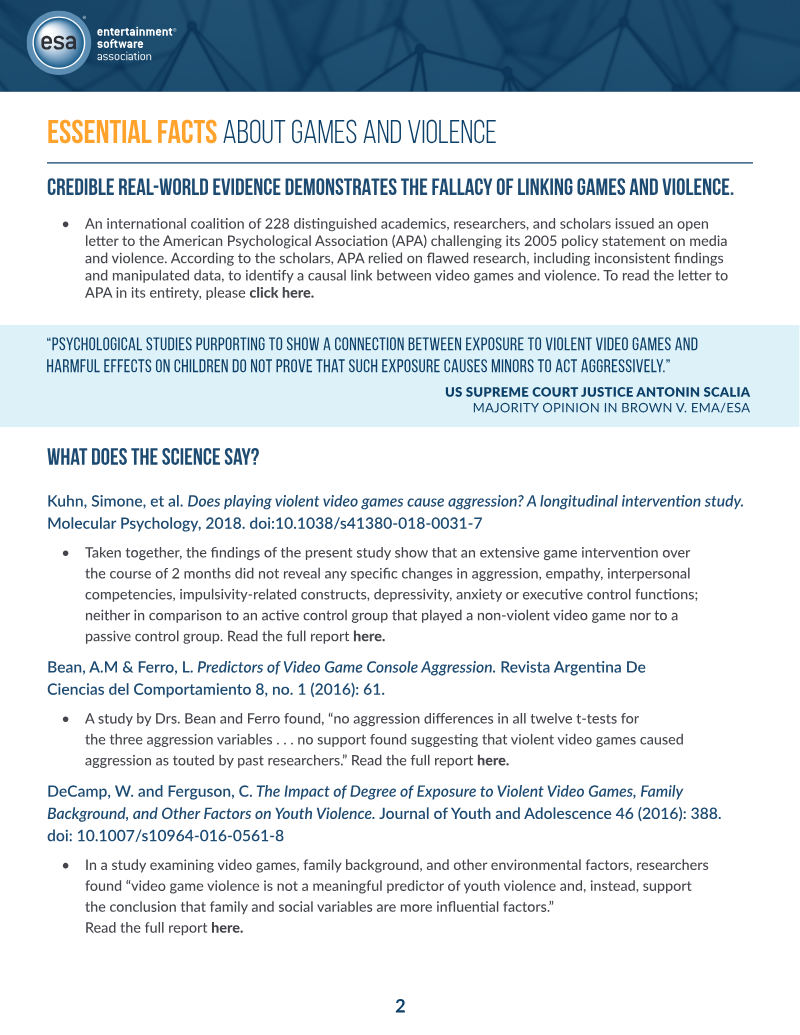
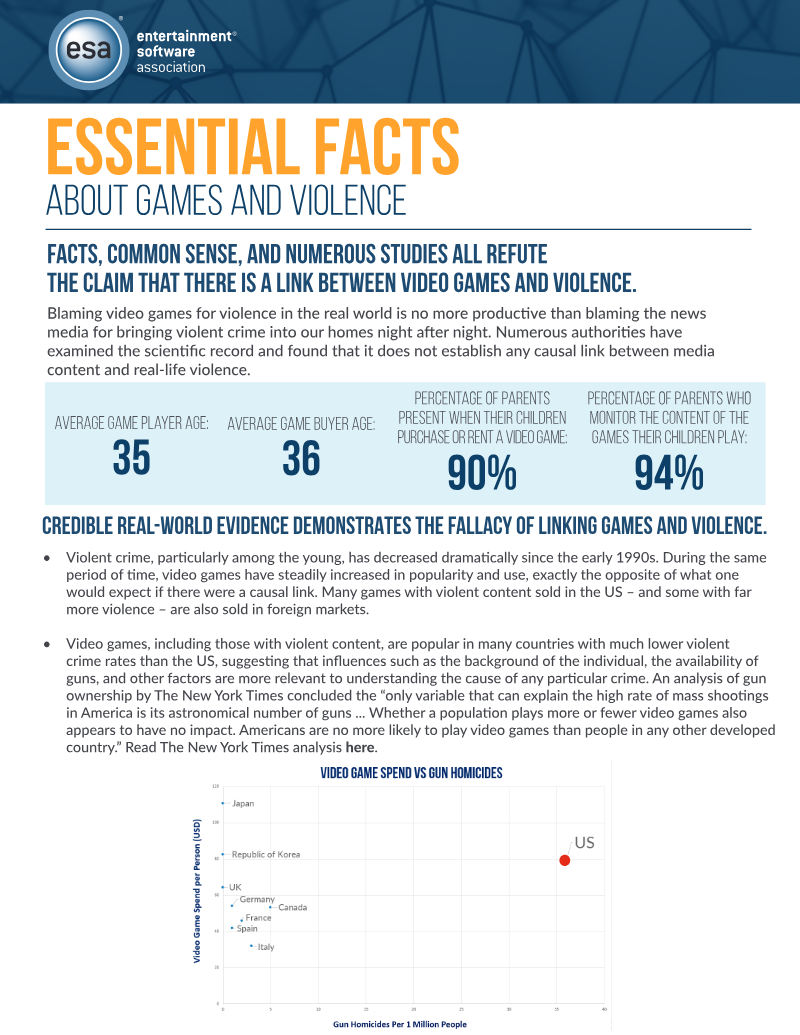
The primary purpose of this analysis is to refute the existence of a causal link between video game consumption and real-world violence.
- Longitudinal studies and meta-analyses consistently show no causal link between violent video game consumption and future aggression or criminal behavior.
- Violent crime rates in the United States have reached multi-decade lows during the same period that the video game industry has experienced significant expansion.
- Primary drivers of violent conduct are identified as family environment, mental health, and individual personality traits rather than media consumption.
The ethical hacker’s guide to winning with Gen Z
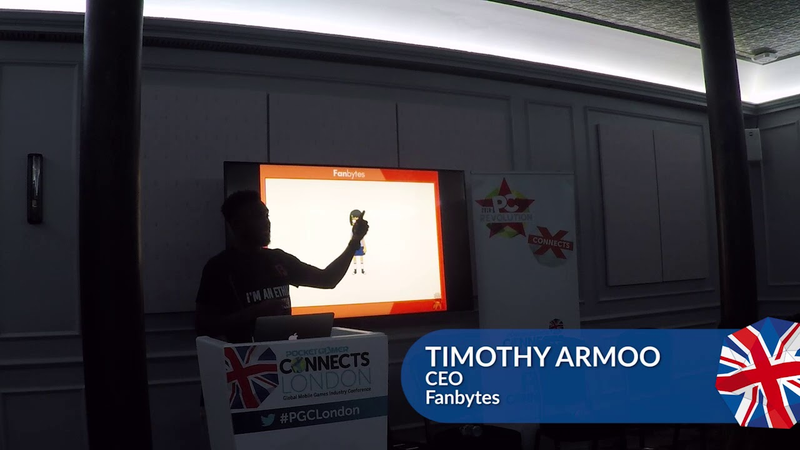
The ethical hacker’s guide to winning with Gen Z focuses on effective strategies for driving app downloads among younger demographics by adopting their cultural language and communication habits.
- Adopting Gen Z cultural language and meme-based content can drastically reduce cost-per-install (CPI), as seen with Ouevo, which lowered its CPI from $4.00 to $0.50 by repurposing a viral meme.
- Integrating brands into existing cultural conversations rather than using traditional, self-promotional advertising improves user acquisition efficiency and engagement.
- Prioritizing emotional connection and social experience over technical gameplay features is a core driver for scaling user bases, as demonstrated by Plato growing from 20,000 to 200,000 daily active users in six months.

A Deep Dive into the 12 Motivations: What We Learned From 400,000 Gamers
The Gamer Motivation Model provides a comprehensive framework for understanding player behavior by categorizing individual preferences into 12 distinct drivers organized across six core domains: Action, Social, Mastery, Achievement, Immersion, and Creativity.
- The Gamer Motivation Model categorizes player behavior into 12 distinct drivers across six domains: Action, Social, Mastery, Achievement, Immersion, and Creativity.
- Analysis of 400,000 participants confirms that gaming preferences are rooted in measurable personality traits rather than monolithic demographic labels.
- The desire for challenge is the only motivation that experiences a rebound in intensity among players over the age of 45.
Global trends – Insights from 3 billion mobile gamers
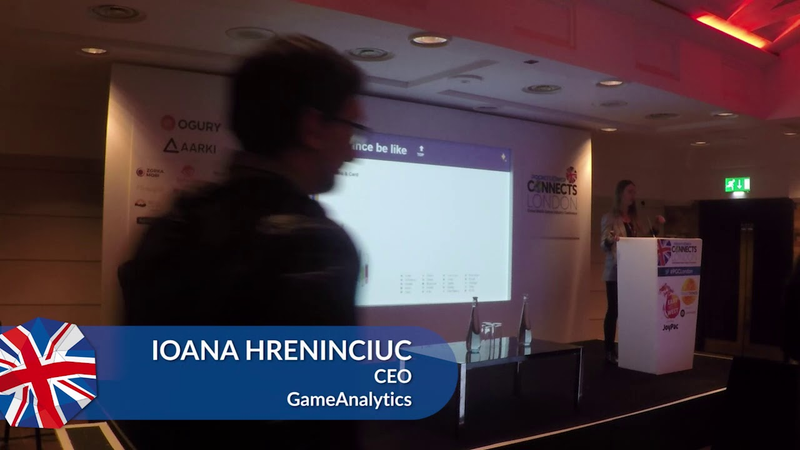
This analysis of mobile gaming industry performance, based on a benchmark of 60,000 games across three billion devices from mid-2017 to mid-2018, provides a comprehensive overview of global retention, engagement, and monetization trends.
- The mobile gaming market follows a power-law distribution where top-tier titles significantly outperform the broader industry in retention, engagement, and monetization.
- Median day-one retention is 25%, but top-performing titles achieve 40% or higher, with the performance gap widening to a 5% median retention rate by day seven.
- Genre selection dictates performance metrics: trivia and word games lead in retention, while casino and card games drive the longest session lengths, often exceeding 30 minutes.
User analysis for premium games in China
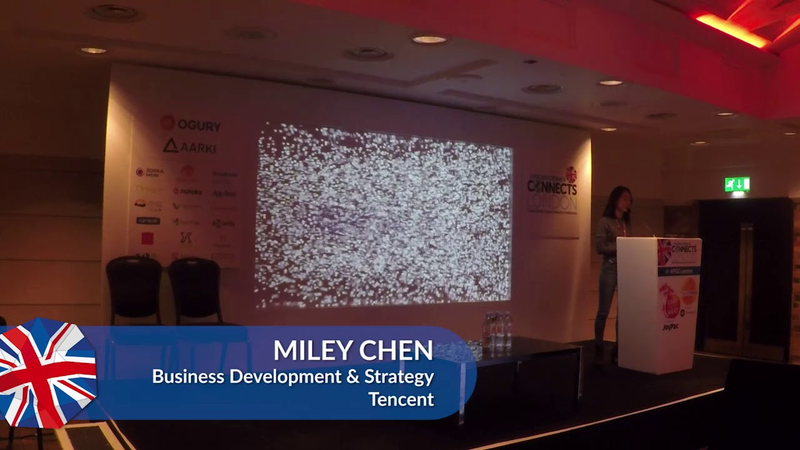
The premium games market in China has experienced significant growth, driven by an increasingly affluent young generation and a robust digital ecosystem.
- As of 2018, China’s Steam user base reached approximately 40 million, with active engagement levels currently exceeding those of the United States and Russia.
- Social players represent the largest market segment at 38%, prioritizing games that are trending within their peer groups to maintain social relevance.
- Streaming platforms are the primary discovery tool for Chinese gamers, functioning as a critical risk-mitigation step for evaluating gameplay before purchase.

Essential Video Game News: French Market Report (February 2019)
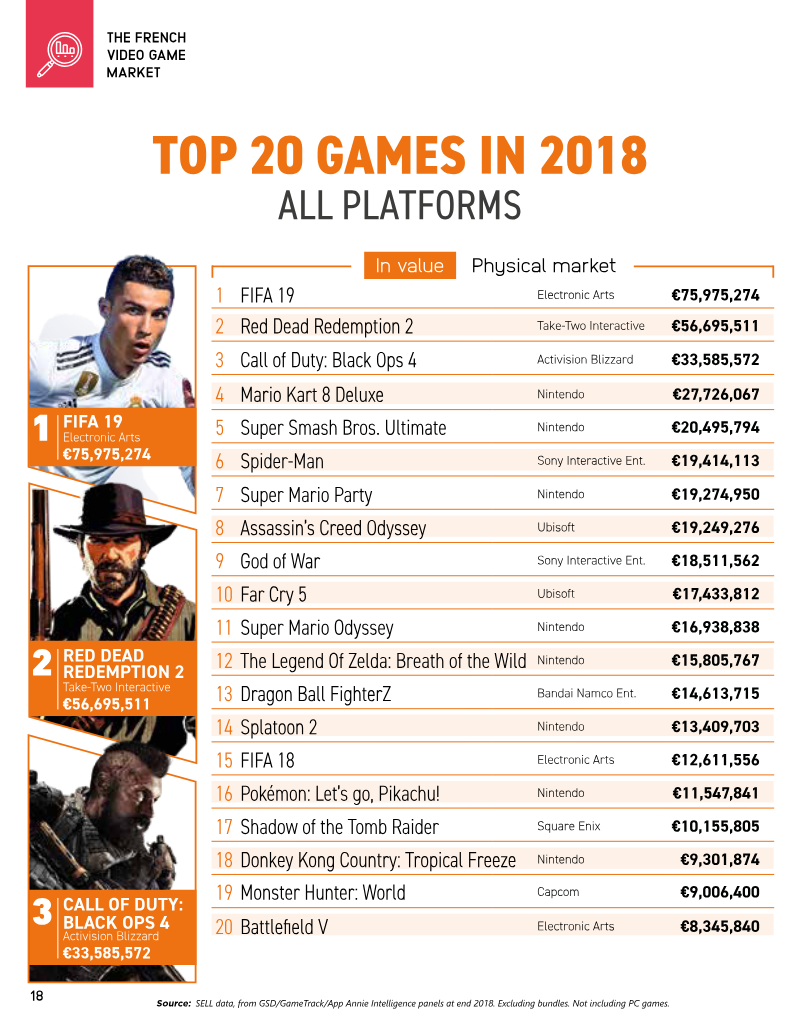
The French video game market achieved a record turnover of €4.9 billion in 2018, marking a robust 15% growth across console, PC, and mobile ecosystems.
- The French video game market reached a record €4.9 billion in 2018, representing a 15% year-over-year growth across console, PC, and mobile sectors.
- Digital distribution is the primary revenue driver, accounting for 97% of PC software sales, while mobile software revenue grew by 22% and console software revenue increased by 67%.
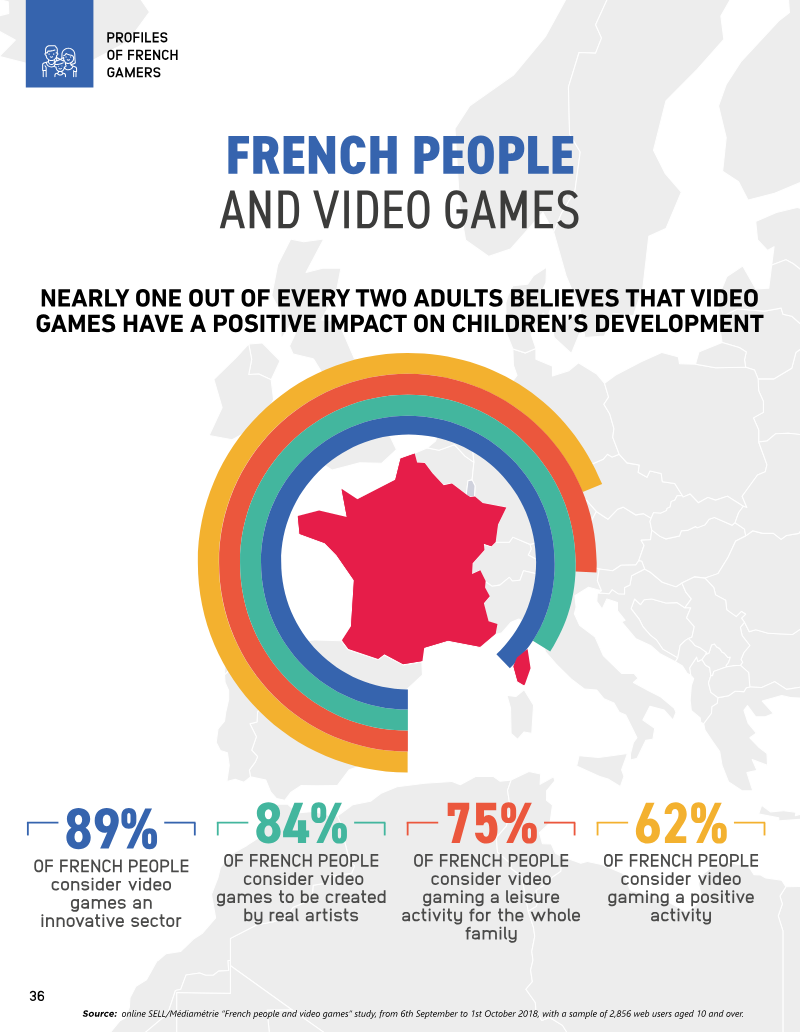
- Gaming is a mainstream activity in France with 51% of the population identifying as regular gamers, primarily utilizing smartphones and home consoles.

How I Got My Mom to Play Through Plants vs. Zombies
Effective game design prioritizes intuitive, seamless onboarding by integrating instructional elements directly into the core gameplay loop.
- Integrate instructional elements directly into the core gameplay loop to replace text-heavy tutorials, which disrupt immersion and feel like work.
- Use staggered pacing to introduce new mechanics only when they are immediately relevant to the player's progress.
- Leverage real-world analogies, such as plants as defensive towers, to reduce cognitive load by allowing players to apply existing knowledge to new mechanics.

Playing with Pride: When Game Culture and LGBTQ Culture Collide
The intersection of LGBTQ+ identity and gaming culture reveals a complex history of alienation transformed into a powerful medium for self-discovery and community building.
- LGBTQ players often use character creators as a safe space to explore gender identity, frequently projecting their own identities onto characters or utilizing non-human avatars to bypass rigid gender constraints.
- The gaming industry has historically been perceived as unwelcoming or hostile by LGBTQ individuals, leading many to abandon titles like World of Warcraft due to bullying or a lack of representation.
- Queer gamers are increasingly organizing into formal communities and physical meetups, such as the former Gamer X convention, to share resources and advocate for more inclusive game content.