PC reports and market data
Documents
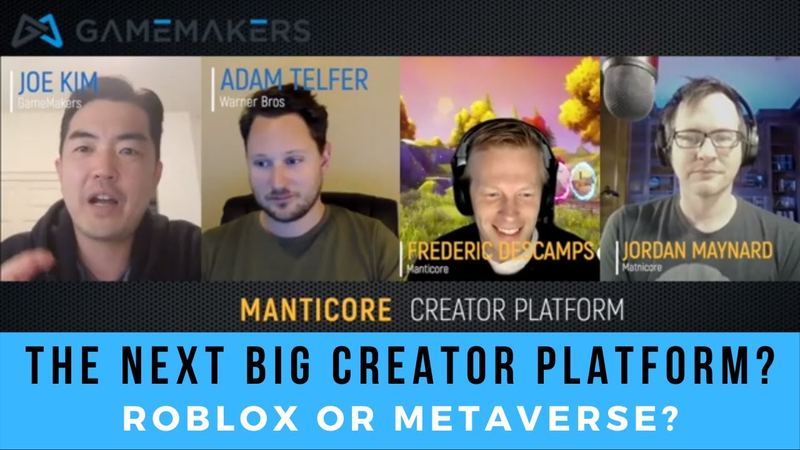
Manticore: The Next Big Game Creator Platform?
Core functions as a comprehensive, two-sided marketplace designed to democratize game development by abstracting the technical complexities of multiplayer infrastructure, live operations, and server management.
- Manticore functions as a two-sided marketplace built on the Unreal Engine 4 runtime that abstracts multiplayer infrastructure, live operations, and server management to democratize game development.
- The platform utilizes a drag-and-drop interface, pre-built assets, and Lua scripting to allow creators to build and publish real-time multiplayer games without traditional, labor-intensive development pipelines.
- A proprietary, cloud-agnostic infrastructure facilitates automatic server deployment and enables seamless, web-like navigation between different game experiences within the ecosystem.
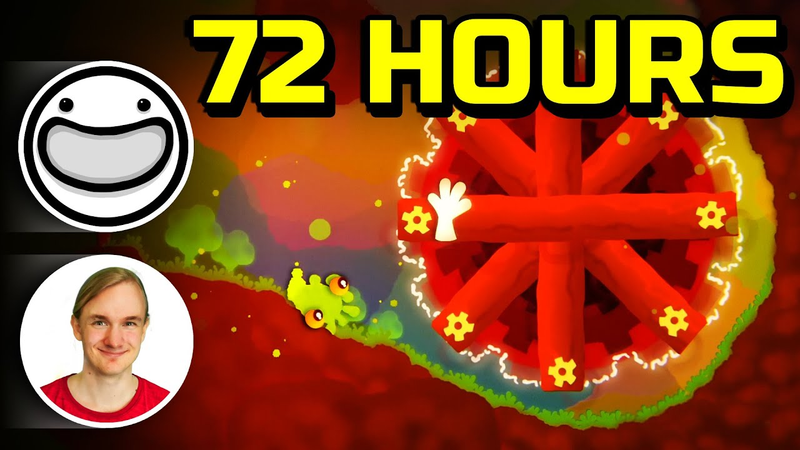
Making a 72 Hour Game Together
The collaborative development of the game Egdar’s Blobs during the Ludum Dare 46 game jam serves as a case study in rapid prototyping and the logistical challenges of remote game development.
- External playtesting is essential even in 72-hour development cycles, as developers lose perspective and often misjudge the intended difficulty curve compared to actual player behavior.
- The project demonstrated that a minimalist concept—where players manipulate the environment to protect a character—is highly effective for managing scope and ensuring a polished result within tight timeframes.
- Technical failures in version control, specifically a Unity Collab malfunction, resulted in a loss of four hours of productivity on the second day of development.
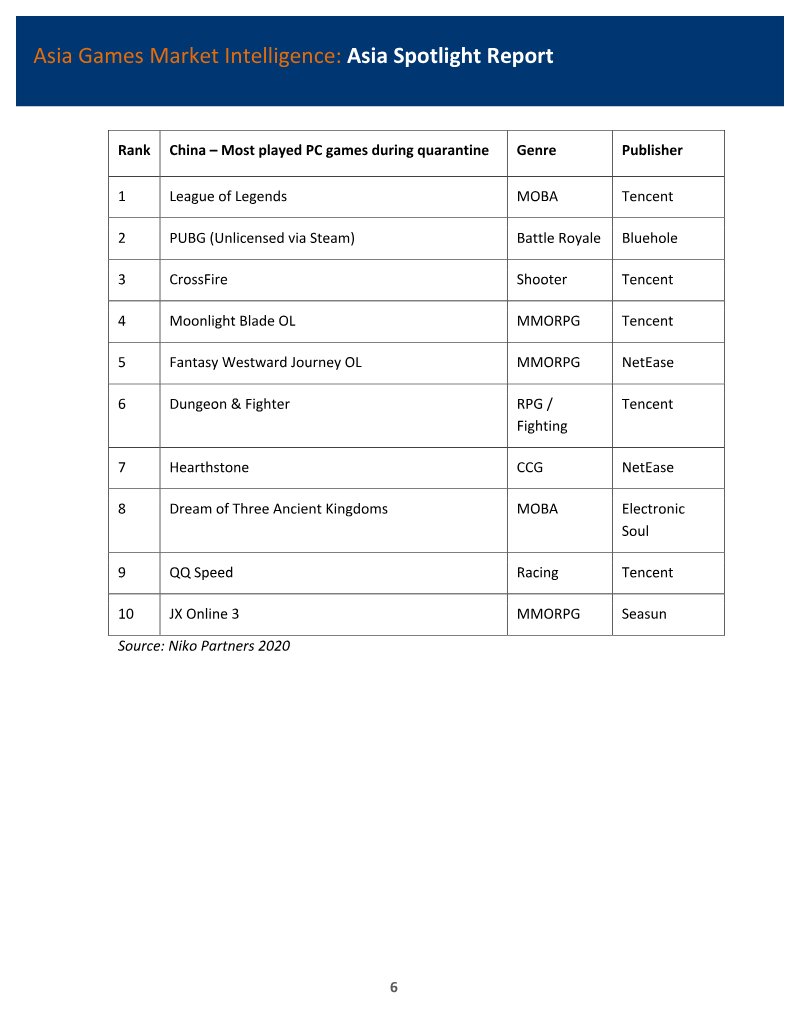
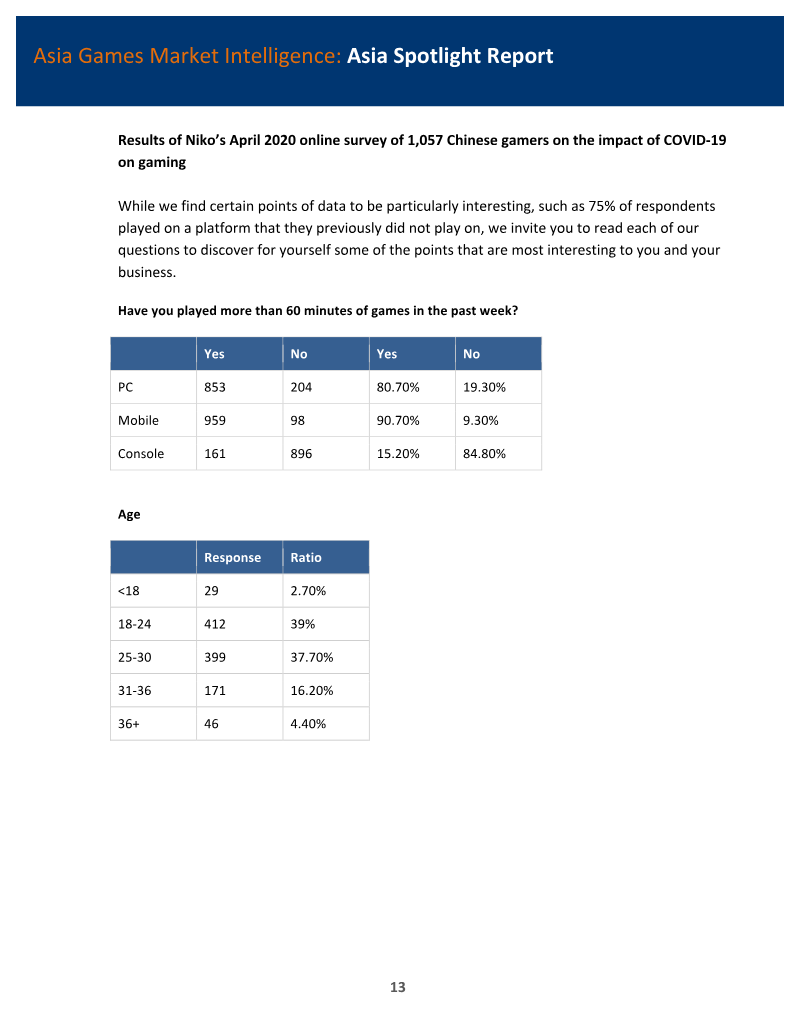

Asia Spotlight Report: The Impact of COVID-19 on China’s Video Game Market in Q1 2020
The video game market in China experienced a significant surge in engagement and revenue during the first quarter of 2020, driven by widespread stay-at-home mandates during the COVID-19 pandemic.
- China’s video game market revenue in Q1 2020 was approximately 30% higher than in Q1 2019, driven by increased engagement during the COVID-19 quarantine period.
- Mobile gaming saw significant growth, with iOS weekly game downloads during the Lunar New Year 153% higher than in December 2019 and 81.6% of surveyed gamers reporting increased spending.
- PC gaming engagement surged, with 94.6% of surveyed players spending more time on PC titles and Steam reaching a global record of 18.8 million concurrent users on February 2, 2020.

6 Secrets To Great Game Ideas
Creative professionals often struggle to generate compelling game concepts as they achieve personal and financial stability.
- Creative stagnation often stems from personal and financial comfort, requiring developers to intentionally embrace emotional vulnerability and discomfort to maintain depth in their work.
- Changing your physical environment, such as visiting new locations, forces the brain out of its default state and stimulates new patterns of thinking.
- Authenticity in game concepts is best preserved by abandoning rigid external pressures, such as catering to specific publishers or platforms, in favor of a creator's personal vision.
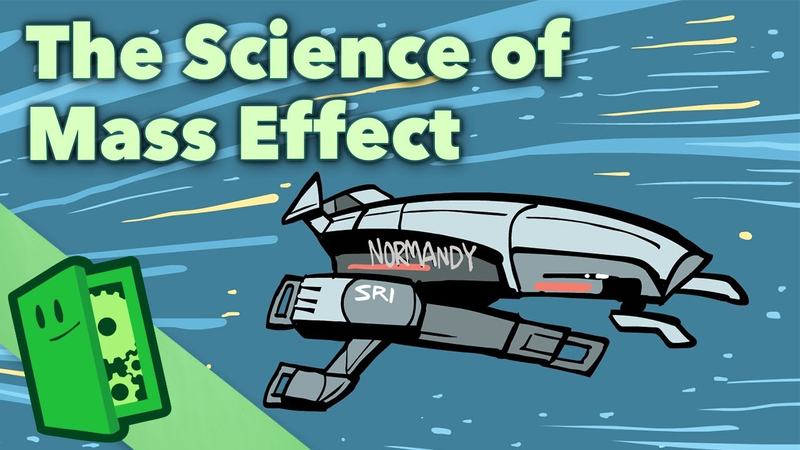
The Science of Mass Effect - Dark Energy and Worm Holes - Extra Credits
The Mass Effect trilogy is notable for grounding its expansive science fiction narrative in legitimate physical principles, specifically regarding the manipulation of space-time.
- The Mass Effect trilogy grounds its technology in the fictional element 'eezo,' which uses electrical currents to manipulate dark energy and simulate changes in mass.
- By reducing a vessel's mass to negative values, the game's lore enables faster-than-light travel by allowing ships to surf the curvature of space-time.
- The series utilizes the 'bowling ball and trampoline' analogy to explain how mass curves space-time, aligning with Einstein’s mass-energy equivalence.
Game Server Performance on Tom Clancy's The Division 2
The Division 2 relies on an authoritative server architecture designed to manage massive instances containing up to 1,000 players and 20,000 non-player characters.
- The Division 2 utilizes an authoritative server architecture capable of managing massive instances with up to 1,000 players and 20,000 non-player characters.
- The simulation runs at 20 to 30 frames per second by distributing workloads across 36 dedicated threads on 40-core hardware using a parallelized task framework.
- Engineers mitigated CPU thread starvation and memory contention by replacing global mutexes with a lock-free heap and commit cache to reduce lock contention.

Can We Make This Button Fun To Press?
The fundamental challenge of game design often centers on transforming mundane actions, such as pressing a button, into engaging and meaningful experiences.
- Game engagement is built on three pillars: impact and reward, challenge, and fantasy.
- Impact and reward are maximized when player actions have lasting consequences rather than temporary effects, reinforced by acoustic, visual, or haptic feedback.
- Long-term engagement is driven by balancing challenge to avoid boredom or frustration, requiring players to utilize timing, positioning, and planning to achieve mastery.
The Kine Postmortem
The development of the narrative puzzle game Kine serves as a case study in the challenges of solo game production, emphasizing the necessity of aligning mechanical design with storytelling.
- The $420,000 project required an Epic Games exclusivity deal to fund essential art and UI refinements, demonstrating the necessity of external funding for solo-developed titles.
- Attempting a simultaneous multi-platform launch on PC, Xbox, PS4, and Stadia was a strategic error that created an unsustainable logistical burden and resulted in negligible console sales.
- Integrating narrative with mechanics—such as designing puzzles to reflect specific character actions like dancing or combat—created a more cohesive experience than puzzles based on mechanical complexity alone.
Is Your Game Cross-Platform Ready?
Cross-platform development has emerged as a critical strategy for modern game studios, shifting the industry focus from platform-specific silos toward a player-centric model.
- Cross-platform development requires a unified identity system that links disparate platform accounts (e.g., Xbox Live, Steam, PlayStation) to a single, developer-owned account ID to enable seamless cross-play and social features.
- Developers should implement dedicated or relay servers rather than peer-to-peer networking to avoid NAT restriction issues when connecting PC and console players.
- To maintain a consistent experience, unify commerce by using virtual currencies (like V-Bucks or Minecoins) and managing entitlements through a secure, centralized service that validates purchases across different platform storefronts.
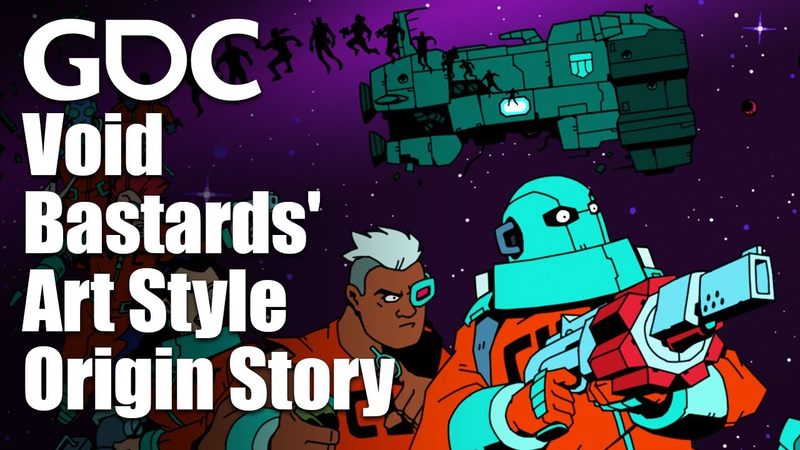
Void Bastards' Art Style Origin Story
The development of the art style for the 2019 game Void Bastards was a multi-year iterative process driven by a commitment to a cohesive comic book aesthetic.
- The development team for Void Bastards was geographically distributed across the UK, Canberra, Canada, and Scotland, necessitating early conceptual tools like a three-page comic to align the team on the game's tone and world-building.
- The game's core loop shifted from a single protagonist who accumulated genetic errors upon reincarnation to a system featuring a series of disposable prisoner characters.
- To manage production scope, the team opted for hand-designed spaceship layouts with procedural interior elements rather than fully procedural ship generation.
Empathizing with Steam: How People Shop for Your Game
Steam shoppers navigate the platform through a highly disciplined, eight-step discovery process that prioritizes rapid genre identification over narrative immersion.
- Steam shoppers prioritize gameplay over cinematics; they quickly skip trailers with slow intros or non-gameplay footage to identify the game's core verbs and mechanics.
- Users perform a 'hover' action on capsule images to cycle through four images, tags, and review counts to decide whether to click, making the capsule image the most critical element for initial discovery.
- Shoppers treat wishlists as transient lists they often forget, so developers should refresh their store page with new announcements, patches, or seasonal themes before a sale to signal that the game is active and supported.
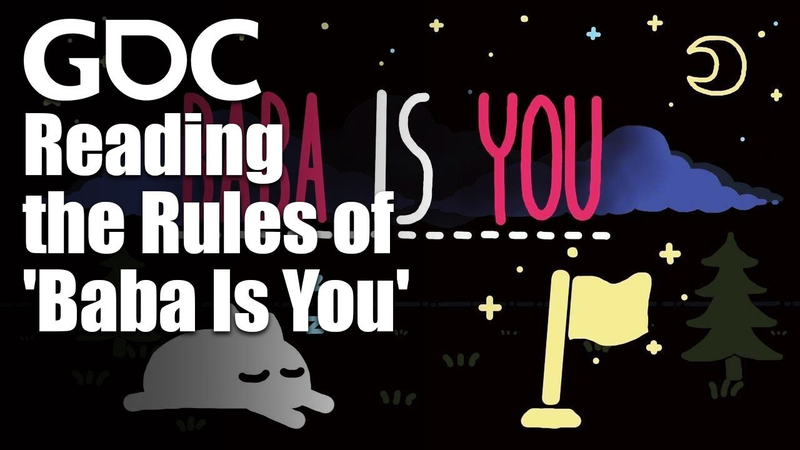
Reading the Rules of Baba Is You
Baba Is You functions as a radical departure from traditional puzzle design by decoupling game objects from their inherent properties.
- Baba Is You decouples game objects from inherent properties, using a logic-based system where players manipulate pushable word blocks to define the rules of the environment.
- The game’s core architecture relies on a multi-pass parsing system that scans levels for valid syntax to resolve conditional logic and translate it into actionable instructions.
- Development transitioned from a 2017 game jam prototype to a table-based format, enabling the handling of arbitrary object groupings and logical negation.