PC reports and market data
Documents
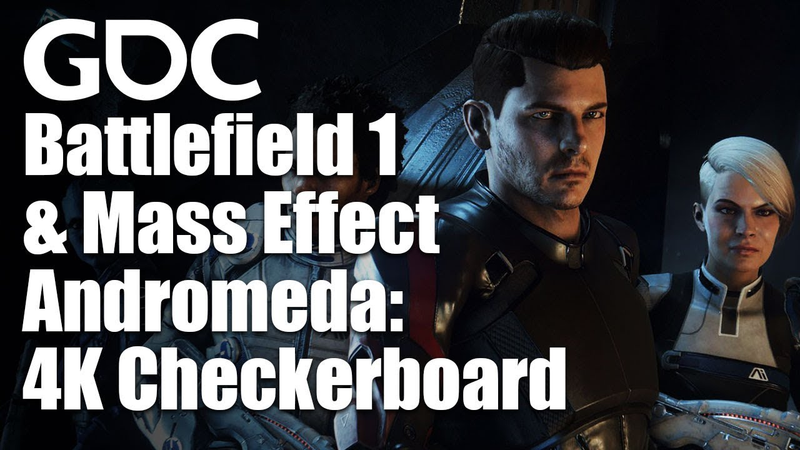
4K Checkerboard in Battlefield 1 and Mass Effect Andromeda
Achieving 4K-like visual fidelity on hardware with limited bandwidth requires sophisticated rendering techniques that balance performance budgets with image quality.
- The Frostbite engine utilizes packed checkerboard rendering to achieve 4K-like visual fidelity by shading a subset of pixels and reconstructing high-resolution frames from lower-resolution buffers.
- Implementing checkerboard rendering in Battlefield 1 reduced GPU frame costs by approximately 5.08 milliseconds, enabling stable 60Hz performance.
- To maintain visual integrity, the pipeline employs geometry-aware resolves, velocity-based reprojection, and object/primitive ID buffers to prevent color bleeding and z-fighting.

Let's play my very first game. Lol.
The preservation and re-release of legacy browser-based games serve as a bridge between early independent development and modern distribution platforms.
- The 2010 Flash-based game 'Coma' has been transitioned from its original Newgrounds debut into a standalone PC executable to ensure long-term accessibility following the obsolescence of the Flash player.
- The developer is monetizing the re-release of this legacy title at a price point of eight dollars to support current studio operations.
- Repackaging early experimental projects serves as a strategic method for independent developers to leverage existing intellectual property to fund future development.
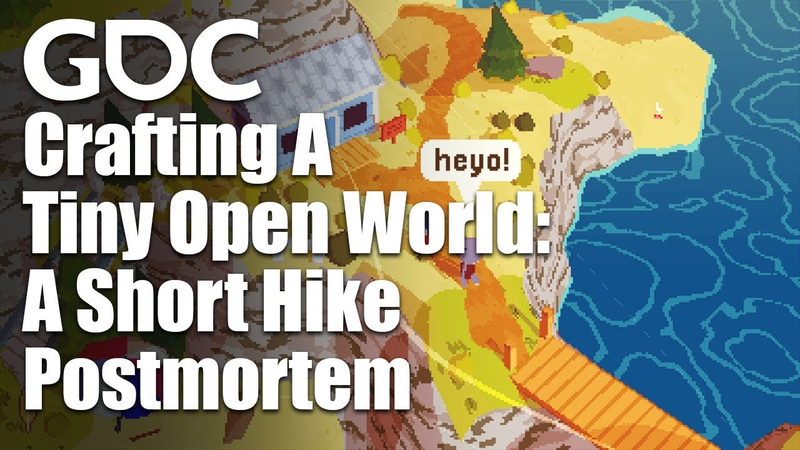
Crafting A Tiny Open World: A Short Hike Postmortem
The development of A Short Hike represents a strategic pivot toward manageable, high-impact game design.
- To ensure project completion within a strict three-month deadline, the developer utilized a flexible scope strategy that prioritized core gameplay while relegating non-essential features to optional stretch goals.
- The game's distinct visual style was achieved by rendering the world to a tiny texture and blowing it up with point filtering, which allowed for simpler 3D models and faster asset production.
- To guide players without forcing a linear path, the developer placed critical items like shovels in multiple locations; once one was collected, the others disappeared to maintain the illusion of player discovery.

Making 50 Games in 1 Day!
This challenge explores the creative potential and limitations of rapid game development by attempting to build 50 distinct games within an eight-hour timeframe using the Unity engine.
- Rapid prototyping under extreme time constraints—such as building 50 games in eight hours—forces developers to abandon perfectionism and prioritize core gameplay loops.
- Allocating approximately ten minutes per project necessitates the use of a pre-prepared library of reusable scripts for movement, collision detection, and spawning to minimize technical overhead.
- High-volume experimentation acts as a catalyst for innovation, often leading to spontaneous and unconventional design choices that would be overlooked in traditional, slower development cycles.
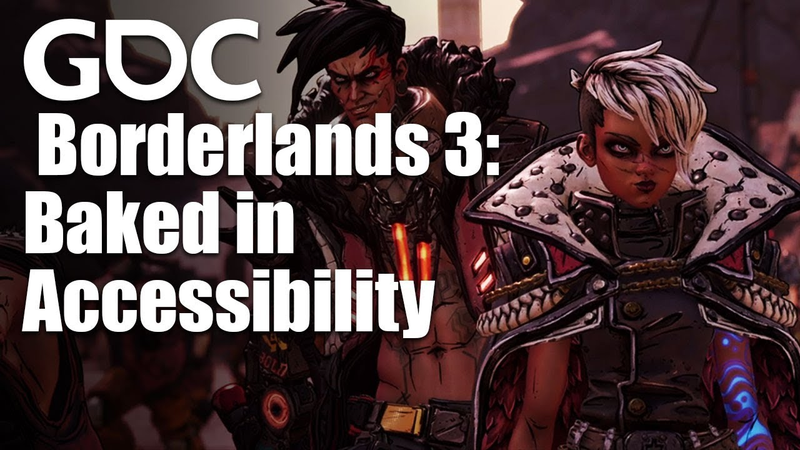
Baked in Accessibility: How Features Were Approached in Borderlands 3
This analysis examines the integration of accessibility features into the development of Borderlands 3 at Gearbox Software.
- Integrate accessibility into the development culture by maintaining dedicated communication channels, such as internal chat rooms, to keep the topic in the foreground throughout the entire production cycle.
- Empower cross-functional teams to experiment with accessibility solutions; for example, Gearbox’s effects director independently developed a tiered loot beam system that used varying heights, bloom intensities, and particle densities to convey rarity information.
- Prioritize direct user testing with the target audience, as the lack of thorough focus testing was identified as the primary flaw in the Borderlands 3 accessibility implementation.

Making indie game money in the midst of this virus...
The primary objective is to demystify the financial landscape of independent game development, specifically addressing how developers secure funding and sustain operations.
- Relying exclusively on direct game sales is insufficient for most independent studios, necessitating a diversified revenue strategy to ensure long-term financial viability.
- Successful indie financing typically involves a combination of multiple streams, including crowdfunding, publisher advances, licensing agreements, and royalty payments.
- Publishers provide critical value beyond upfront capital, offering essential services such as porting, development support, and business development.
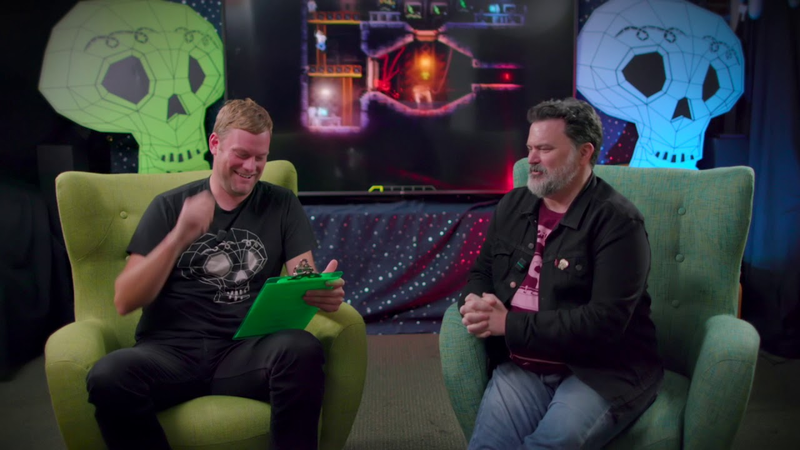
Day of the Devs: GDC Edition Direct
The independent gaming sector maintains its momentum through curated digital showcases that provide essential visibility for developers in the absence of traditional industry gatherings.
- Digital showcases like Day of the Devs have become the primary mechanism for independent developers to gain market visibility and bridge the gap between creative vision and audience reach.
- The indie sector is successfully sustaining its ecosystem by prioritizing creative autonomy and niche storytelling, as evidenced by the broad range of titles featured in recent showcases.
- Featured gameplay experiences span a diverse spectrum, including high-difficulty reflex games like Disc Room, physics-based co-op titles like Heavenly Bodies, and meditative VR adventures like Paper Beast.
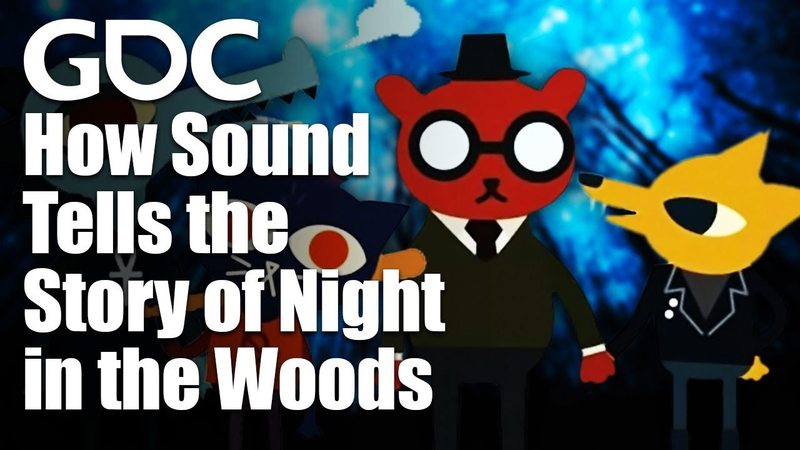
How Sound Tells the Story of Night in the Woods
The sound design for the 2017 narrative-driven game Night in the Woods serves as a primary vehicle for storytelling, atmosphere, and character development.
- To create a sense of 'living' environments, use randomized procedural sound triggers for repetitive actions and ambient elements like wind, birds, and townspeople, varying intervals between 1 and 300 seconds to avoid predictable patterns.
- Integrate sound effects directly into the musical score by aligning their BPM with the game's soundtrack, as demonstrated by syncing train pass-by sounds with the music in Night in the Woods.
- Use diegetic audio cues, such as the sound of a record player needle after music fades, to signal shifts in emotional tone and create uncomfortable or serious atmospheres.
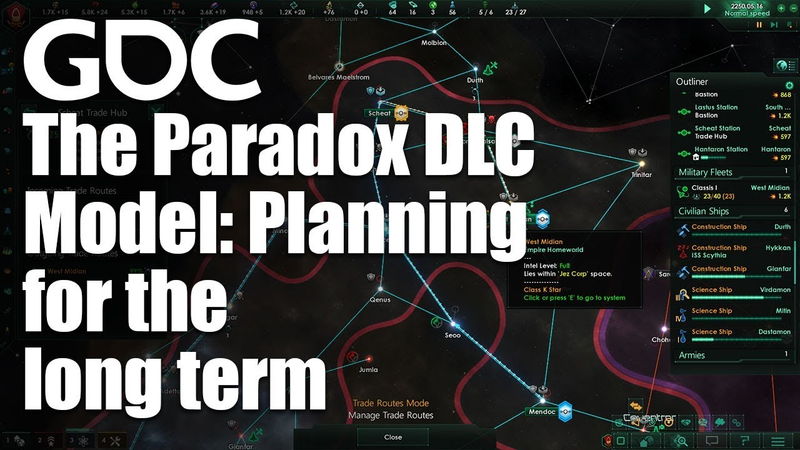
The Paradox DLC Model: Planning for the Long Term
Paradox Interactive achieves long-term commercial success by prioritizing a marathon-oriented business model centered on niche, infinitely replayable strategy titles.
- Paradox Interactive utilizes a modular DLC framework instead of serial expansion cycles to maintain long-term game relevance and generate consistent, multi-year revenue streams.
- The company prioritizes deep, system-driven gameplay and community-driven modding over high-fidelity graphics to ensure high player retention in niche strategy titles.
- Paid content is designed to be atomic, standalone, and additive to enhance the player experience without fragmenting the community or disrupting existing mechanics.

So a highschooler emailed me about game dev......
The provided text outlines a series of professional insights regarding the indie game development industry, framed as responses to a high school student’s career-oriented inquiry.
- The game development market is increasingly saturated due to lower barriers to entry, requiring developers to prioritize player-driven mechanics similar to those found in Minecraft or Roblox to remain competitive.
- Formal game development degrees are often less valuable than engineering degrees, which provide more tangible and transferable skills for the industry.
- Success in the industry depends on the ability to solve complex technical problems and maintain resilience against public criticism.
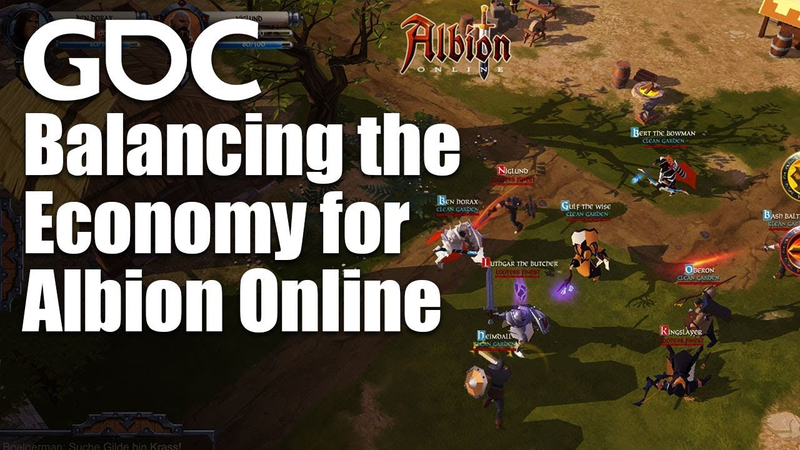
Balancing the Economy for Albion Online
Albion Online operates as a sandbox MMORPG defined by a fully player-driven economy where every piece of equipment is crafted by the community.
- Economy balance in a player-driven MMO is defined as the macro-scale management of all extrinsic reward systems, which function as the primary incentive structure directing player behavior.
- To prevent wealth disparity and provide long-term progression, Albion Online utilizes a tiered equipment system where T4 gear is common and accessible, while T8 gear is rare and serves as a high-end wealth sink.
- The development team establishes price channels for resources by implementing a transmutation system, allowing players to convert silver into higher-tier resources at fixed rates to create a floor and ceiling for market prices.

GDC Plays IGF Nominee Eliza with Matthew S. Burns
Eliza serves as a critical examination of the intersection between mental health and automated technology, specifically critiquing how modern corporations gamify human interaction.
- Eliza critiques the intersection of mental health and automated technology by highlighting how corporate reliance on metrics and AI-driven interfaces often prioritizes efficiency over genuine therapeutic outcomes.
- The game intentionally rejects branching paths and complex moral systems in favor of a linear, character-driven narrative to maintain focus on emotional introspection rather than mechanical complexity.
- To prevent scope creep and ensure narrative cohesion, the development team finalized the entire script before beginning production.