PC reports and market data
Documents
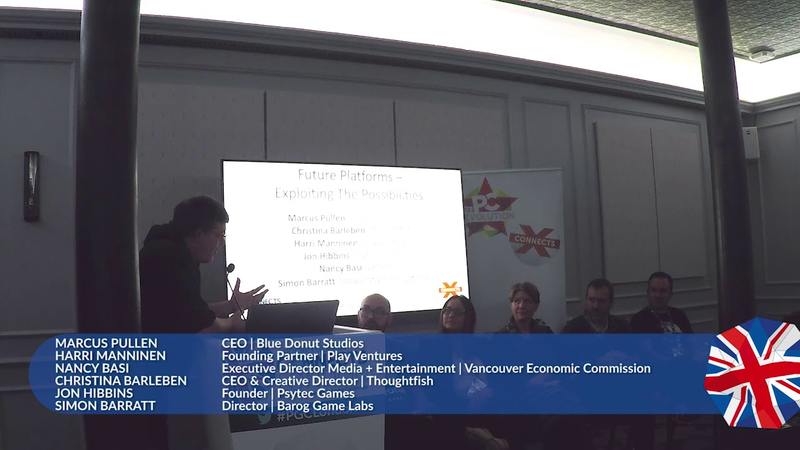
Future games platforms – Exploiting the possibilities
Extended reality technologies are currently navigating a foundational growth phase rather than a period of decline.
- Social integration is the primary driver for future platform growth, as virtual and augmented reality technologies uniquely facilitate remote collaboration and shared physical experiences.
- Extended reality is in a foundational growth phase, with momentum currently sustained by enterprise applications and location-based entertainment rather than mass consumer adoption.
- High user acquisition costs in saturated gaming markets are stifling innovation, shifting the industry's focus toward improving content discoverability through machine learning and personalization.
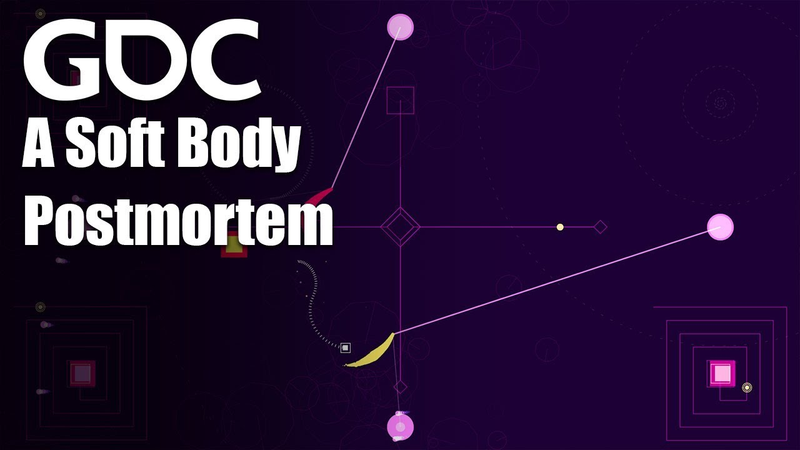
Untangling Experiments in Split-Mind Design: A Soft Body Postmortem
The development of the action game Soft Body serves as a case study in implementing "split-mind" mechanics, where players control two distinct entities simultaneously.
- The 2.5-year development of Soft Body demonstrates that split-mind mechanics require players to master complex spatial tasks, such as crossing paths or maintaining distance, rather than allowing them to bypass the challenge by keeping entities close together.
- Early development suffered from a lack of conceptual cohesion due to 'wishful' feature additions like narrative elements and co-op modes that failed to integrate into a unified experience.
- The project’s turning point occurred when the developer shifted from exploratory prototyping to a structured analysis of core mechanical friction, specifically isolating why players struggled with simultaneous control.

5 Days of My Life: Indie Game Development
This account provides an intimate look at the daily operations of a solo indie game developer, focusing on the creative and logistical challenges of building a project from scratch.
- Solo indie development requires a multidisciplinary workflow encompassing technical implementation, music composition, level design, and content creation for community building.
- The developer utilizes GameMaker Studio 2 for 2D production but is considering a transition to Unity to accommodate the requirements of larger future projects.
- The project, titled 'Will You Snail,' originated as a prototype in March 2018 and features an AI antagonist alongside diverse mechanics like disco-themed and underwater puzzles.
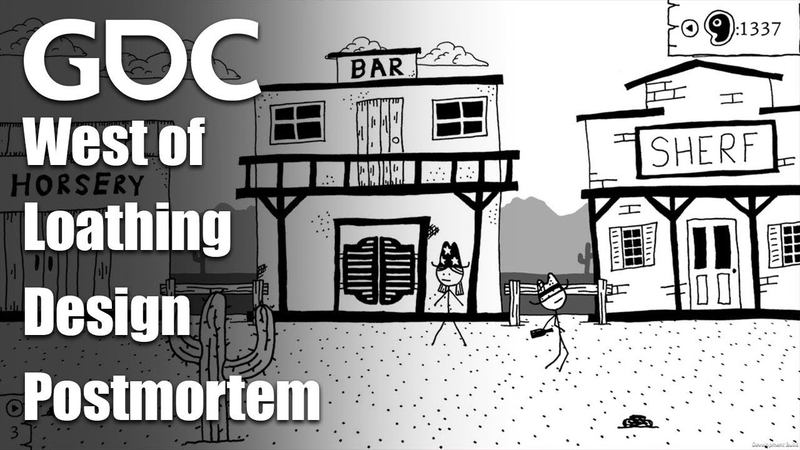
West of Loathing Design Postmortem
The development of West of Loathing centered on a high-velocity, content-first philosophy that prioritized environmental humor and side quests over a rigid, linear narrative.
- The development team utilized a custom, web-based toolset and a MySQL database to decouple game logic from the Unity engine, enabling rapid content iteration and a high-velocity production cycle.
- Prioritizing a content-first philosophy centered on environmental humor and side quests allowed for a sprawling world, though it ultimately led to narrative inconsistencies and production hurdles near completion.
- The team adopted an 80s-style development model that bypassed standard version control to increase speed, which facilitated live updates but created siloed workflows that hindered internal skill development.
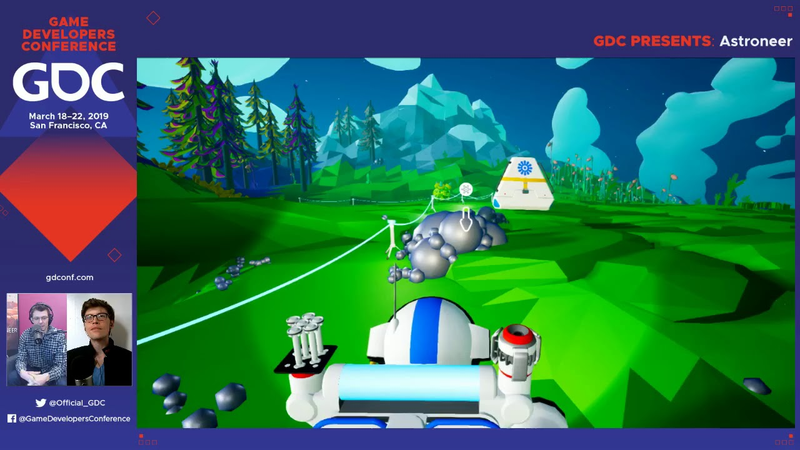
GDC plays Astroneer with System Era's Brendan Wilson
The development of Astroneer serves as a case study in the complexities of managing a long-term Early Access project.
- System Era scaled its development team from an initial cap of 10 people to 21 employees to meet the technical and support demands of the game's 1.0 release.
- The game utilizes a voxel-based terrain system powered by the marching cubes algorithm, which allows for real-time deformation by modifying density data within specific chunks rather than rebuilding the entire planet's mesh.
- Managing an Early Access title requires the same rigorous certification, store presence, and publishing infrastructure as a fully released game, while simultaneously balancing community expectations for features.
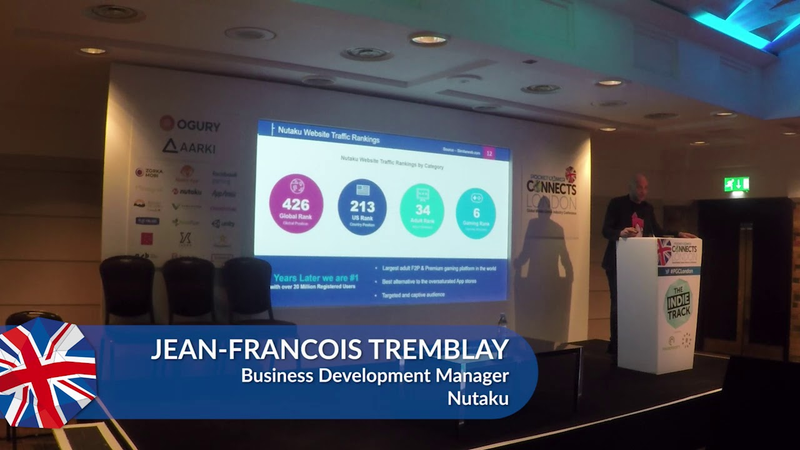
Nutaku on adult games as a credible alternative for developers
The adult gaming sector offers a viable, high-growth alternative for developers struggling with the oversaturation and high user acquisition costs of mainstream platforms like Steam or Google Play.
- Nutaku provides a high-growth alternative to mainstream platforms like Steam, addressing market oversaturation by offering a dedicated distribution channel for adult-oriented games.
- The platform experienced significant scale between 2015 and 2018, growing from one million to over 20 million registered users and reaching 123 million visits by late 2018.
- Financial performance in the adult sector is robust, with top-grossing titles generating over $4 million in annual revenue and maintaining tens of thousands of daily active users.
Top 5 Game Dev Mistakes! - (Game Jam Edition)
This analysis identifies the five most common design pitfalls observed during a recent game jam, where the author reviewed every submission to provide actionable feedback for developers working under strict time constraints.
- Lack of player feedback is the most critical issue, affecting 86% of submissions and causing frustration by failing to communicate the causes of damage or game-over states.
- Pacing issues, including inconsistent movement speeds and difficulty curves, disrupt the player's flow state in 67% of game jam entries.
- Suboptimal color schemes that utilize harsh or unrefined palettes negatively impact the aesthetic quality of 65% of games.
Destiny vs. Warframe - $500 Million in Free Marketing - Extra Credits
The core thesis posits that a lack of cohesive vision and tonal consistency in game development can lead to significant market failure, effectively allowing competitors to capture a dissatisfied player base.
- A lack of cohesive vision and tonal consistency in game development creates market vulnerabilities that allow competitors to capture dissatisfied player bases.
- Destiny’s failure to define its identity, oscillating between a standard console release and a service-based MMO, resulted in a disconnect between marketing promises and actual player experience.
- Warframe successfully captured the looter-shooter market by maintaining a consistent, communicable core identity as a fast-paced, dark sci-fi action game.
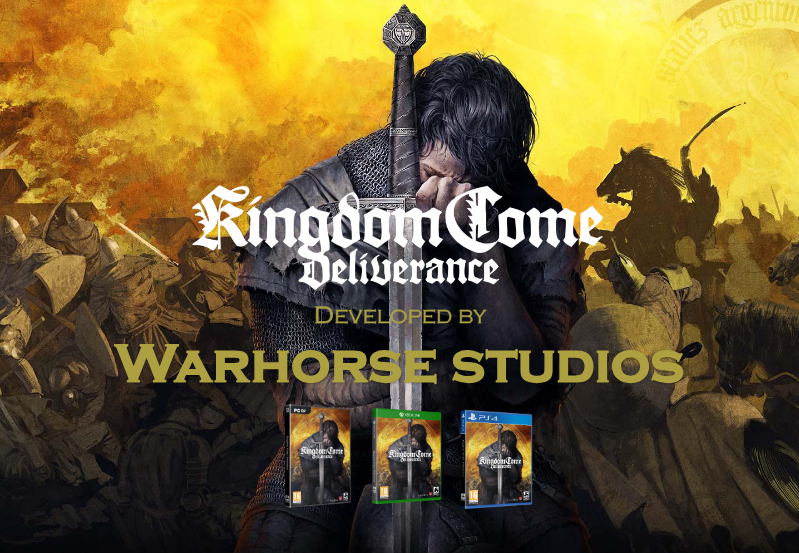

THQ Nordic AB Acquires Warhorse Studios: Investor Presentation
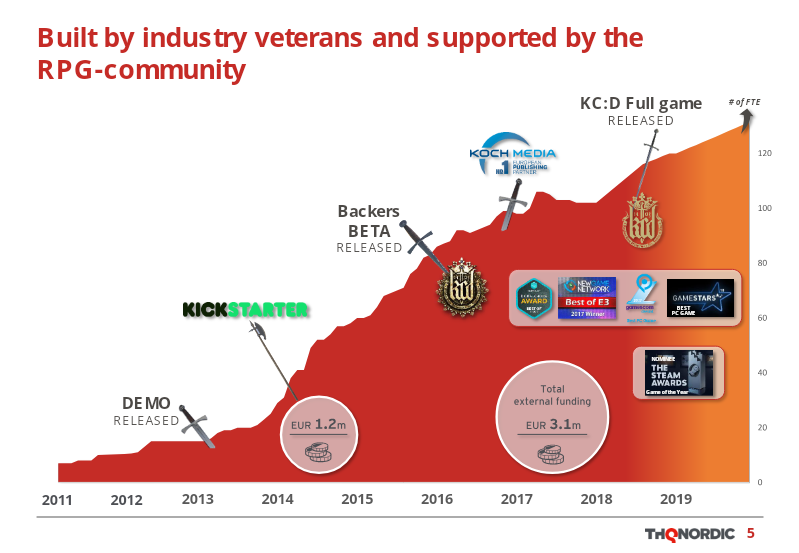
THQ Nordic AB finalized the acquisition of Warhorse Studios on February 13, 2019, to integrate the developer’s award-winning intellectual property and creative talent into its global portfolio.
- THQ Nordic AB acquired Warhorse Studios on February 13, 2019, for a total purchase price of EUR 42.8 million, consisting of EUR 40.4 million in cash and EUR 2.4 million in shares.
- Warhorse Studios reported strong 2018 financial performance with EUR 42.0 million in net revenue and an adjusted EBIT of EUR 27.8 million, reflecting a 61 percent EBIT margin.
- The acquisition was driven by the commercial success of Kingdom Come: Deliverance, which sold over 2 million units across PC, PlayStation 4, and Xbox One within its first year.

How To Make 2D MELEE COMBAT (Unity Tutorial + Free Game Kit!)
Developing a 2D melee combat system in Unity relies on integrating character animation, artificial intelligence, and responsive game feel.
- Melee combat mechanics are best implemented using modular scripts and animation events, which trigger functional effects like particle emissions and screen shakes directly within the Unity animation timeline.
- Attack functionality is achieved by activating a child object with a polygon collider during the attack animation, which triggers hit registration and velocity application upon contact with enemy scripts.
- Cinemachine is utilized to initiate screen shake upon impact, creating a necessary feedback loop that enhances the perceived weight and satisfaction of combat.
Shadow Tactics Postmortem: Commandos with Ninja
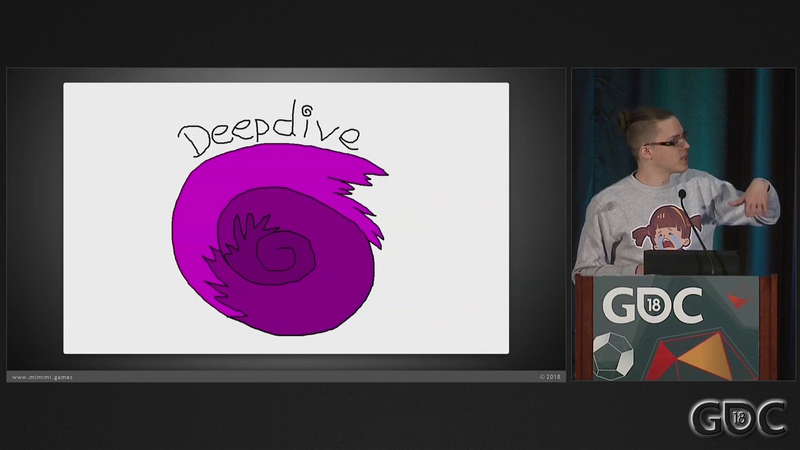
The real-time tactics genre experienced a significant decline due to a shift toward cinematic, scripted gameplay that abandoned the player-driven complexity of classic titles like Commandos and Desperados.
- Shadow Tactics utilizes a 'Shadow Mode' mechanic that allows players to queue one action per character, enabling complex team-based maneuvers while maintaining the game's core challenge by limiting the number of simultaneous actions.
- The game design intentionally restricts gunplay by providing limited ammunition and high-noise profiles, positioning firearms as a 'joker' or emergency tool rather than a primary combat mechanic.
- Level design was optimized for a 'trial-and-error' player behavior, where guards are placed in close proximity to prevent long, tedious patrol loops that could disrupt the player's tactical setup process.
Build movements for your community
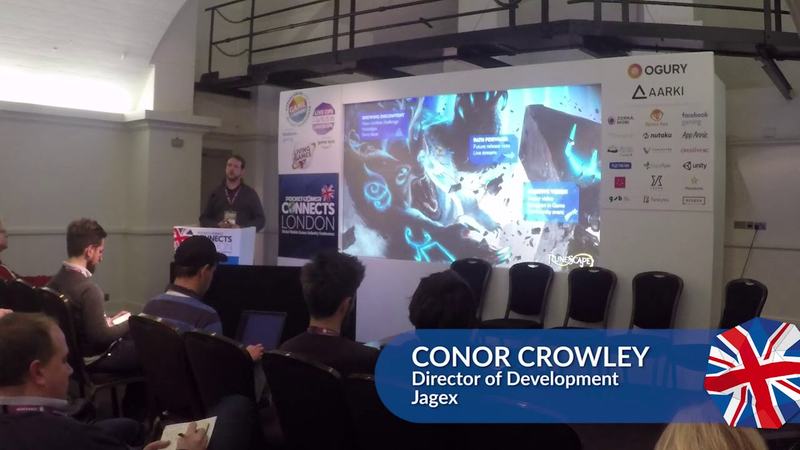
Building successful game communities requires shifting from a standard update-by-update release cycle to a movement-based strategy.
- Shift from a standard update-by-update release cycle to a movement-based strategy, where players share a purpose and work toward a common vision to sustain long-term engagement.
- Implement collaborative decision-making tools, such as the 75% majority polling system used in Old School RuneScape, to align design goals with player expectations.
- Seed ideas early through teasers, social media, and live-streamed development sessions to allow for speculation and feedback before official content launches.