Monetization reports and market data
Documents
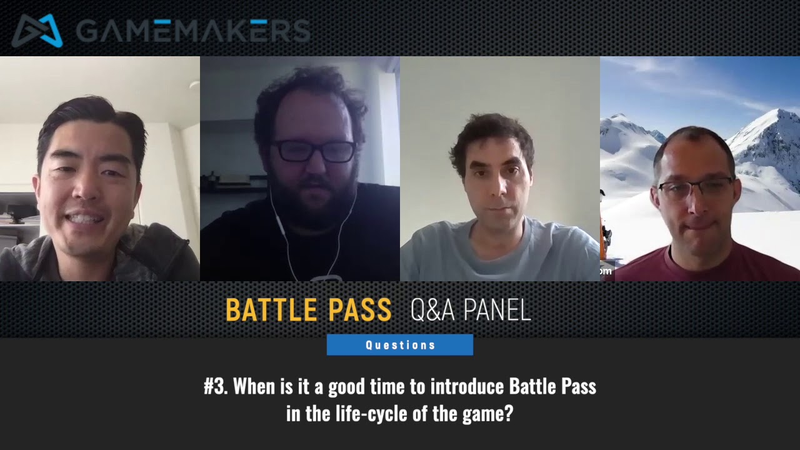
BattlePass Game Design: Q&A With Top F2P Designers and Product Execs
Battle Pass systems function most effectively as engagement and retention mechanisms rather than standalone monetization drivers.
- Battle Pass systems function primarily as engagement and retention tools rather than standalone monetization drivers, requiring a sound core game economy to be effective.
- Developers should target a 70% completion rate for the Battle Pass, as players who finish the progression track show a significantly higher propensity to purchase future iterations.
- Strategic pacing should prioritize accessible early rewards to build player habits, while reserving high-value chase items for the final stages of the progression cycle.
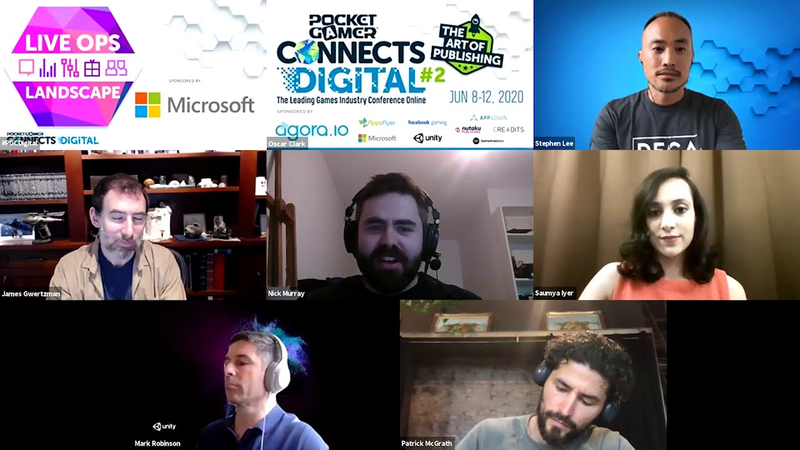
Panel: When is the Right Time to Start Thinking, Testing & Delivering Live Ops? PGCD#2
The transition from traditional, static game development to a service-oriented model is essential for long-term commercial viability in the modern gaming industry.
- Live Ops should be integrated into the development process as early as possible, ideally during the pre-launch and soft-launch phases, to effectively balance game economies and validate lifetime value assumptions.
- Automation is essential for effective Live Ops, as it frees up team capacity to focus on new content and sophisticated, personalized player experiences rather than repetitive manual tasks.
- Game developers should treat their titles as 'nightclubs' that require constant management and engagement rather than one-off 'rockstar performances' that end at launch.
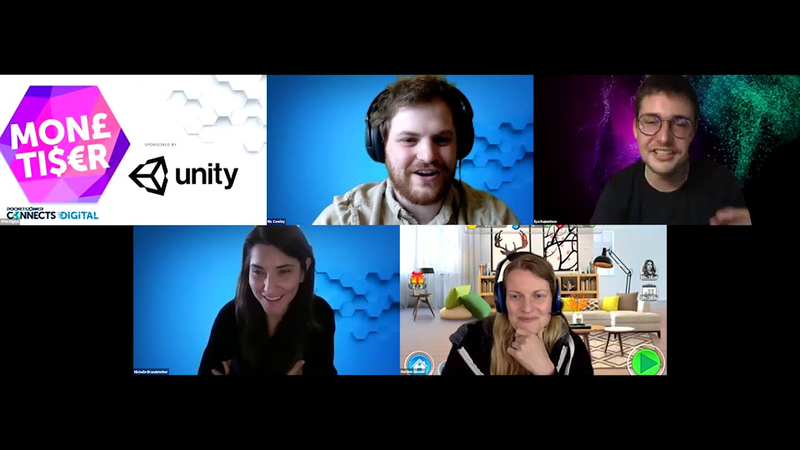
Panel: What Do You Do in the Inevitable Decline of Ad Revenue? PG Connects Digital #2
The gaming industry remains fundamentally resilient, often maintaining stability during broader economic downturns due to the accessible nature of digital entertainment.
- Diversify revenue streams by combining ad-based models with in-app purchases to capture value from the majority of non-paying users.
- Avoid reactive increases in ad frequency during performance dips, as this degrades user experience and triggers algorithmic penalties.
- Prioritize long-term retention and high-quality content over short-term revenue extraction to capitalize on the expanded player base created by recent global consumption shifts.
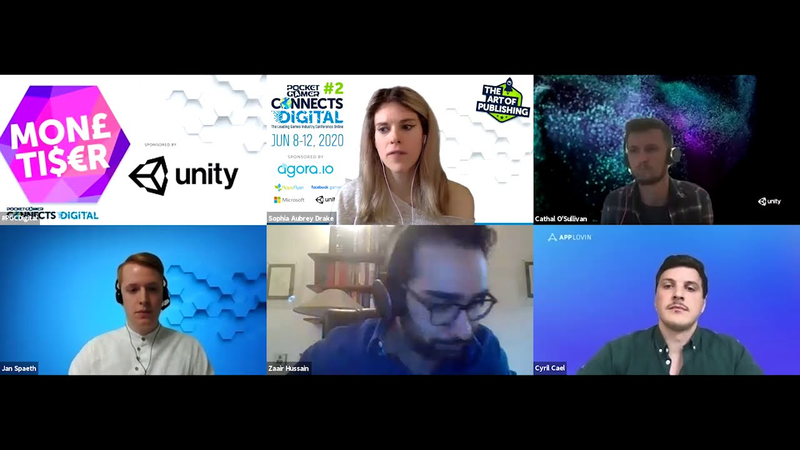
Panel: How Can Monetisation Make Your Game More Fun? PG Connects Digital #2
Monetization serves as a fundamental component of game design that, when executed with precision, enhances rather than detracts from the player experience.
- Monetization should be integrated during the early design phase to ensure revenue strategies function as an extension of the gameplay loop rather than an intrusive obstacle.
- Developers should utilize hybrid monetization models, such as battle passes, subscriptions, and rewarded video systems, to tailor experiences to specific genres and player segments.
- To prevent user burnout and content depletion, developers must implement disciplined ad frequency capping and place advertisements only within positive gameplay contexts.
Keynote: Hybrid Monetisation Deserves a Hybrid Investment Strategy / Supercharge Your Instant Games
Facebook’s Instant Games platform currently serves a global audience of over 700 million players, leveraging HTML5 technology to facilitate seamless social gaming experiences within the Facebook and Messenger ecosystems.
- Adopting a hybrid monetization model that combines in-app purchases with in-app advertising is now standard, with over 50% of developers utilizing this approach and 89% of top-performing titles integrating ad SDKs.
- Transitioning to a hybrid investment strategy—balancing mobile app installs, app event optimization, and value optimization—can drive a 50% increase in installs and a 60% boost in day-two retention.
- Facebook’s Instant Games platform currently reaches over 700 million players globally using HTML5 technology within the Facebook and Messenger ecosystems.
Superstar Session: Bold Predictions for H2 2020 PG Connects Digital #2
This session from the June 2020 Pocket Gamer Connects Digital event analyzes the impact of the COVID-19 pandemic on the mobile gaming industry and provides projections for the second half of 2020.
- The initial COVID-19 lockdown period triggered a massive surge in mobile gaming, characterized by a 10% to 70% increase in device usage and a peak of 1.2 billion weekly game downloads.
- The second half of 2020 is expected to see rising customer acquisition costs and eCPMs due to a high volume of postponed game releases and a record number of titles currently in soft launch.
- While hyper-casual games saw a slight decline as restrictions eased, mid-core and hardcore titles experienced substantial growth, bolstered by increased engagement and the rise of streaming.
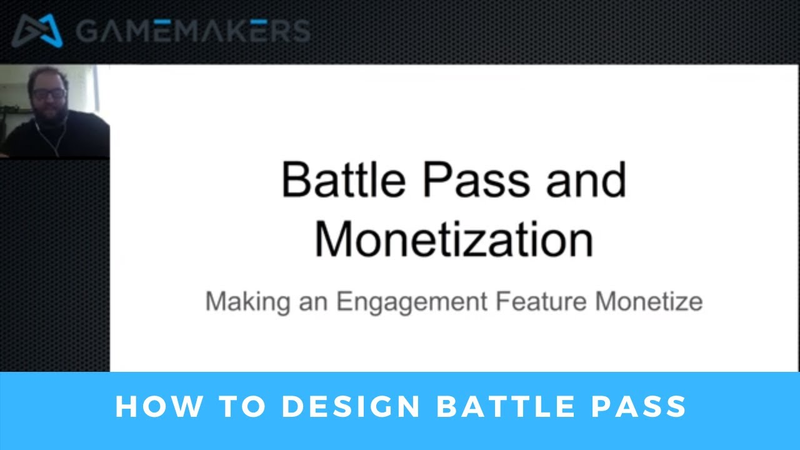
Battle Pass Game Design: Engagement to Monetization
Battle passes function primarily as sophisticated engagement mechanisms rather than standalone revenue engines.
- Battle passes function primarily as engagement and retention tools rather than standalone revenue engines, as they lack the recurring spending mechanics required for primary monetization.
- Developers should transition from passive reward tracks to active monetization drivers by designing progression hurdles that act as strategic stat checks, forcing players to acquire gear or characters to advance.
- Pricing strategies must be aggressive at launch because the rigid structure of battle passes makes it difficult to increase costs later without triggering significant player backlash.
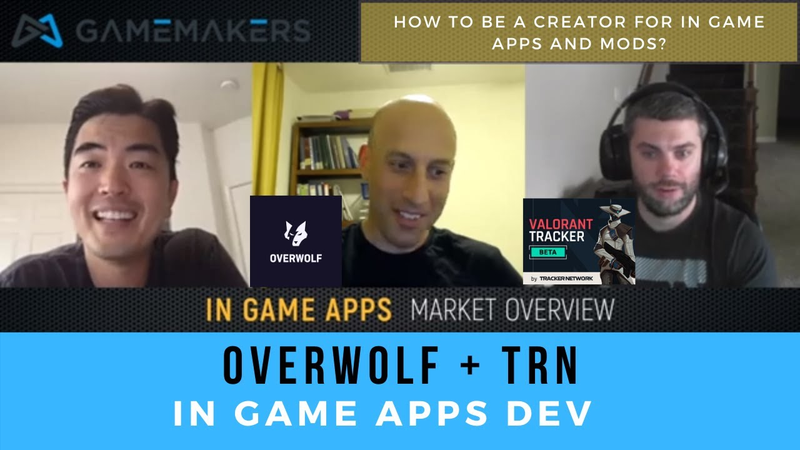
Overwolf + TRN | How to be an In Game Creator?
The modern gaming landscape is increasingly defined by a robust creator economy where third-party developers build essential in-game applications and mods.
- Top in-game creators are now generating annual revenues exceeding $1.2 million by leveraging integrated monetization models like programmatic advertising and subscriptions.
- The ecosystem for third-party in-game applications supports over 5.5 million monthly active users and sees billions of annual mod downloads.
- Developers can build compliant, high-engagement in-game tools using Chromium-based frameworks that support standard web technologies like HTML and JavaScript.

It's About Time: System Design for Mobile Free-to-Play
System design in mobile free-to-play games centers on the universal resource of time.
- System design in free-to-play games must be anchored in time as the universal resource, balancing player progression against energy limits, session frequency, and the time required to acquire content.
- Designers should establish a progression model by defining the desired time-to-level, then calculating the necessary daily payouts based on the number of sessions and actions a player performs.
- When tuning upgrade costs, a common formulaic approach is to increase costs by a fixed percentage—such as 250% per level—while rounding to larger increments to ensure the UI remains clean and readable.
Good Design Makes Happy Customers: A Microtransaction Design Primer
Effective microtransaction design hinges on prioritizing player value over immediate revenue extraction.
- Prioritize long-term player trust and perceived value over short-term revenue extraction to prevent the erosion of the player base.
- Integrate microtransactions as a core design system that supports Self-Determination Theory by fostering player autonomy, mastery, and relatedness.
- Avoid manipulative marketing and high-pressure tactics, as players perform rigorous value assessments that quickly identify and reject exploitative practices.
Hyper Casual Gaming in 2020: Charting the Rise of a Blockbuster Genre
Hyper-casual gaming emerged as a dominant force in the global mobile market during 2020, fueled by a massive surge in consumer demand during early-year pandemic lockdowns.
- Between December 2019 and March 2020, global hyper-casual game installations more than doubled, with session counts increasing by 72%.
- The optimal monetization strategy for hyper-casual titles is two to three ads per minute, as exceeding four ads per minute causes a sharp decline in user retention.
- Hyper-casual games maintain the lowest cost-per-install metrics in the industry, enabling rapid scaling despite lower long-term retention compared to complex genres.
Battle Pass | Supercell's Tale of 2 Cities: Clash of Clans vs. Clash Royale
The implementation of Battle Passes within the mobile gaming sector reveals that monetization success is inextricably linked to the underlying economic architecture of a title.
- A Battle Pass's effectiveness is determined by the game's underlying economic architecture rather than being a universal engagement tool.
- Clash of Clans successfully leverages a deep, scalable economy that requires constant investment across a broad spectrum of units, maintaining high Battle Pass value.
- Clash Royale’s rigid, card-based progression limits players to mastering a single deck, which reduces the perceived value of collecting new items through a Battle Pass.