1 free read left. Create a free account for unlimited reading + AI research.
Create free account
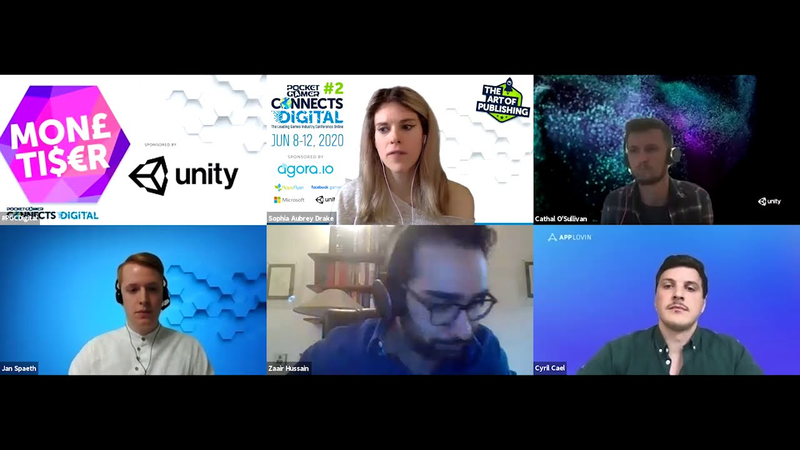
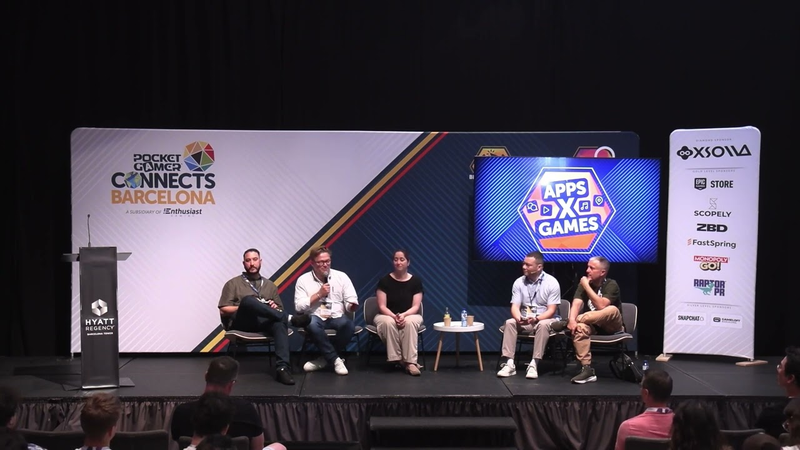
Panel: How Can Monetisation Make Your Game More Fun? PG Connects Digital #2
Key insights
6 takeaways- 01Monetization should be integrated during the early design phase to ensure revenue strategies function as an extension of the gameplay loop rather than an intrusive obstacle.
- 02Revenue strategies should prioritize positive reinforcement to pace player progression and maintain long-term retention.
- 03Effective monetization requires a data-driven approach that avoids universal models in favor of strategies customized for specific global markets and genre requirements.
- 04Developers should utilize hybrid monetization models, such as battle passes, subscriptions, and rewarded video systems, to tailor experiences to specific genres and player segments.
- 05To prevent user burnout and content depletion, developers must implement disciplined ad frequency capping and place advertisements only within positive gameplay contexts.
- 06Sustainable profitability is achieved by aligning predictable content update schedules with well-timed rewards to create a frictionless player environment.
Ask AI about this video
Transcript
we are going to be now doing a panel about how monetization can actually make your game more fun so i'm going to invite all of our different panelists to join me we've got well first up we've got kahal from unity joining us we've got uh yep there's jan from games group um hey hello hey two of you here at the moment oh and we've got someone out we've got zaire from frag games and i think we're just waiting from cyril from app loving and then we'll get started how are you all you're all doing okay at the moment you're bad thanks not too bad yeah how are things in all your different parts of the world wherever you might be at the moment uh we pushed our luck
got lucky for a long time and then we pushed our luck i think that's happening in a few different places in the world so back inside for us here in munich that's getting the situation is getting better here so yeah still this way and london's a bit of a mess but the sun's been nice i guess well i'm up north in liverpool but it's not great today but uh it's you know it's all right it's all right hi and just hi cyril we've got you as well here now hi guys hi everyone thank you hi no thank you for uh being here obviously we're looking forward to this panel which uh i will personally be leading which is quite nice for me it means i get to join in as well rather than being in the background and you know we'll start diving in properly in a minute but you know as we always do with every sort of panel um why don't you all introduce yourselves tell us a bit about you know what you do and what your role is and we'll start with kahal um do you want to
let us know a bit more about yourself sure hi everyone my name is carl um i've worked at unity for the past two years uh previous to that i worked in a research company in gaming and i ran a startup in ireland for about three four years in gaming as well and yeah excited to be here cheers thanks and ed jan do you want to go next yeah absolutely so i'm the product manager at games group that's my third year as a product manager in that position here uh previously worked at the different different free-to-play projects so yeah yeah no pleasure to have you and say my name is ira then i'm the business director of frag games we've been an external development studio mostly with some of our own stuff for the last seven years i tend to work with a lot of different clients and therefore tend to see and read about and learn about a lot of different monetization techniques so i was looking forward to this and uh cyril sure thanks for having me first so i'm
cereal senior manager of bd adapting i joined the company like three years ago and now i'm leading the team responsible for growing hyper-casual casual publishers businesses mostly across western european markets including like france turkey which are almost some of the biggest studios out there fantastic and then just before we start i wanted to say to everyone because i forgot to say it at the top uh please do throw any questions you've got into the q a and get yourself involved in the chat because after i've gone through some of the topics that you know i feel are important to discuss we'll we'll open the floor up to some questions and um just to quickly say to dan in the chat to anyone who's missed any of our earlier talks or you know maybe you know jumps into this talk late or anything um all of our talks will be available in the coming weeks on platforms such as uh youtube and we'll be sending out links as well so don't worry about any of that but in the meantime let's uh get to our first question which i've got in front of me so i wanted to start sort of
quite broadly and with a topic that maybe a lot of people are aware of um and that's in some respects the fact that that word monetization can sometimes have a negative sort of connotation with people when it doesn't necessarily have to so um yeah there are many different forms of monetize in your game however many you know many talk about this in a negative light compared to a premium model so many people be like oh i don't like in-app purchases i don't like in-app ads i just like premium but you know do you think that monetization is fundamentally a barrier to enjoyment uh both either whether it's mobile or whether it's pc and you know different areas let's get it i think i think it's just been uh a lot of people have abused monetization right in which i think you're saying you're interested in psychology and student of psychology and all of that they've abused skinner buffs to keep for the last several years because that's been the easy way to do it um but that doesn't mean inherently there's anything wrong with it just like inherently there's nothing wrong with premium games right so
there's a lot of ways to do it which aren't as grindy which aren't they're not trying to take the player for a ride right and i think like we are now coming back to that end where the really abusive practices have been rejected now by consumers we've become more and more sophisticated about these things and people have found new like less intrusive ways but more enjoyable ways to monetize their game yeah does anyone else have any input on this yeah absolutely maybe if i can jump in so yeah on the previous talk the echo mentioned you know about the balance between the more monetization focused techniques uh and actually more user experience focused techniques and i think we are observing this this shift and the powers right now as we speak especially based on on the old monetization models which were you know gacha and more casino-like systems towards more user experience gameplay augmented mechanics which actually can bring a lot
of value to the gameplay itself as well which hopefully you can explore later yeah definitely definitely um cyril kahal anything to add on on this area you go first sure so so i think if we take a step back like the the main statement would be that game developers are kind of responsible for providing the value proposition behind why players actually download and play games in the first place so if we look back at the pc era people were just like going to the store and buy a game right this is a pretty i sell to a player now from a mobile developer perspective the barrier to enter the gaming market has become considerably lower than before and it's great because it encourages like creativity so we want to ensure that this barrier remains as low as possible and to touch on what jan and zaria just said uh we need to find like developers need to find the right balance between in-app purchases in-app advertising and even like the premium games trying to find the right price the
user is ready to pay so yeah and just add though i think that in general monetization is really designed to you know guide the player to the game and sometimes stop the player when burnout could be a problem and bad implementation of monetization is clear-cut and obvious and it is a barrier to enjoyment but bad implementation of no ad strategy or bad implementation of monetization study is equally a barrier to enjoyment and i think that's very important because we see it happen all the time particularly with more with more veteran developers or traditionally pc or console they build the game as if they want to see them play it which is usually wrong and and game developers need to actually realize who their users are and understand the player personas in more detail and then they can understand what is actually making the game fun and how can monetization improve that yeah definitely i mean so you know keeping on that that
thread of you know player enjoyment through the monetization uh you know before we delve even deeper do you think there's any specific forms of monetization that hold the least friction to the player and sort of keep them within the experience and you know in a better method i think it depends on the experience right like it and as i was saying like it also depends on the player persona i think uh like with ccgs and things like that collectibles that's like buying packs of cards since well before it was digital that's part of the experience right like that adds to the experience if you made all if you made it uh like in hearthstone or whatever if you just made let's say cards free to buy uh i think like 70 of people would lose interest in that game overnight right like that is uh an example of monetization flowing with the experience rather than keeping you from the experience
yeah definitely yeah i couldn't agree more with that that sentiment especially when it comes to ccgs they're kind of it's kind of an integral part of the experience um but does anyone else have any input on you know if there's any specific forms of monetization that you know prevent friction between player and the game whilst still being able to monetize the experience yeah i guess just uh just to show the obvious you know rewarded video integration is something that of course is going to be the the least amount of friction um and and really what people need to to kind of add here is that um reward video integration is all about where the person is excited to see the rewarded video it's absolutely key that the person is coming back to the game to click that reward of video because it it produces that serotonin and increases that that that excitement when you're just labeling on a random placement at some point in the game where we see it so happens so so often that's causing the friction but
a good reward of video implementation and that supports various players is um definitely the least amount of friction for sure um yeah actually i don't know if uh you were thinking about this game when you said it but uh if you guys have played arcaro yeah i play it all the time right i hit a couple of pay walls eventually like uh and you know i gave in a couple of times and but i got pretty far in it and the thing about the ads there is interesting what you're saying it's not like i look forward to the ads themselves necessarily even though some of them were quite fun it was that archero is just perfectly the flow of the game is balanced to support it so you've just had this really intense session or you've either beat a boss off over a couple of minutes so you've beaten various waves of enemies and your adrenaline is pumping and the ad is kind of like this weight feeling and you just sort of um it's just a very calming thing because you have 40 seconds in which you're still earning something right you're getting some reward or
you're doubling a reward that you just worked for by uh taking down a boss or something like that so while i wouldn't say the ad necessarily produced serotonin in me it was yeah it was a chance for a breather and the reason i noticed how well it was done is because i played another game which i'm forgetting the name of which also had reward ad monetization but because their play sessions were so short it felt like 10 seconds of game followed by 30 seconds of ad followed by 10 seconds of game and the ratio was just completely off uh and it kind of like it made me appreciate how well archer was balanced that way yeah so uh jan or cyril do you want to yeah sorry to what just they touched on um i think it really depends on the game itself right so so interstitials remain uh i think the biggest uh ad format out there when it comes to in-app advertising right so this is probably the format that feels the most intrusive because it's unlucky and solicited sometimes not skippable which is not great usually but yet it's
most used by developers especially in the hyper-casual era so it's crucial at this time to to find the right pacing by keeping an eye on all the different kpis in game such as like up down game sessions length retention and so on so it's all about balancing and same goes with banners which actually uh are becoming widespread as well especially with agriculture again uh it's oftentimes from the bone but it's usually a nice addition in terms of revenue without earning the retention significantly so yeah among interstitials rewarded videos banners uh when it comes to inapp advertising there's a lot of work to be done by the game developer to make sure that the user doesn't have any friction with the gameplay itself there's an experience yeah definitely absolutely maybe maybe to wrap it up as well because so far we focus mostly on advertising but it really comes down to the positive reinforcement as as mentioned before
through throughout the uh throughout the talk um i think interestingly enough this can also be done through in-app purchases you know one of the very good examples of that would be the battle passes so far where you already have a progression and you augment the gameplay by adding a layer which is monetized but you also give players an option to unlock the free content and anyway they progress they unlock something and on top of that they get receive extra value which creates that loop of positivity and and as mentioned before serotonin that's that's something which a lot of developers should aim for yeah definitely yeah i definitely agree with jan there because battle pass is the other thing that like archero did this really well there's obviously a fortnight and a bunch of seasonal fossils and you don't feel taken advantage of because you know exactly what you're getting on the free track and you know exactly what you're getting on the premium track in fact i would say this is a way kind of like free-to-play games are kind of edging into the hybrid premium model right like i don't know if that's
trim or i just made it up but the idea that like here's what you can do for free and here is exactly it's not a box it's not a mystery here is exactly what you will get if you paid this month and i mean i think that's very fair and i don't think anyone feels taken advantage of yeah definitely and so moving on from that you know we've talked a little bit about what we have but monetization is an area that's constantly involving and you know in that sense do you think this evolution in monetization offers developers a chance to you know explore and evolve how they approach their game development for example giving them better data to work with or other and different new opportunities that impact both their monetization and how they approach game development as well yes i mean i think people vote for their wallet thread so if what they're voting and i think you need to pay careful attention to that because if what they're voting for is like i want to skip this grind what
they're basically saying is you've made a game that basically gets in its own way and you know like your timers are way too long and it takes forever to do anything and it's just like they're trying to skip huge parts of your game on the other hand if they're spending on things like cosmetics uh that tells you something again means they're happy with the game they want more options i think it can improve a lot of data because it can prove it a lot better than a pole would because i have to put something behind it yeah i can i know you were about to say something as well yeah i was just going to say that in general these days um the use of liveops is now cheaper better integrated and just more easily managed so and developers can use this data to really maximize the ad revenue without impacting the experience and it comes down to debate to the actual game strategy itself like for example in the us you've got the at the average ads is about 3.5 per session while in the likes of korea it's about 4.8 so monetization managers can then
segment and focus on different regions to maximize the the user users in those regions without causing any effect and i often see that people are using just global strategies when the data is there in front of them like another example would be uh with um role-playing games about 1.5 percent of those would be payers to non-payers while the likes of racing it's only about half a percent our personal payers and so people are actually they're building games just because they like them but not realizing what kind of data is there and they're not using that data to strata to strategically design their monetization kind of target yeah yeah exactly yeah did they john or cyril did you have anything to add on this yeah of course so so um to what cal just said basically there's no one-size-fits-all method right so in some countries the user engagement with that will be higher than others in some genres it will be different as well uh for example if we take the archer or
example i'm pretty sure a lot of developers have tried to replicate that uh but without any success right the the best successes we've seen from our partners and from the the entire industry uh usually offer using a unique user journey so to say so how can we improve the experience for the user so this is where uh user segmentation kicks in so um going a little bit deeper in terms of looking at the data and so on so there's a bunch of new tools that have emerged that gives developers better data to work with um ultimately it enables developers to um improve the user immersion right so for example in our experience with with max mediation the the in-app bidding and impression or even user-level revenue data gives accurate and real-time data to uh game developers that they can then leverage to segment their users and improve a game overall so for example a user that will that
would uh be very engaged with ads and so on the the game developer will make sure that it keeps scattering for that as opposed to users that just don't engage at all with any ads then the at some point maybe the the game developer will want to to show less ads to this very user um so yeah there's a lot of work that can be done by by game developers to to make that user experience pretty unique yeah and uh jan yeah absolutely maybe just to reiterate what sir is that so that's a very good kpi basically it's also very instant in comparison to other metrics such as retention or session length which often require behavioral changes within your player base with revenue with other revenue iap revenues you can usually very quickly evaluate the value of the updates the value of the feature changes and that's something which a lot of developers should be mindful of that it's a very very good tool and with rapid feedback
yeah so i mean i'll stay with you jan as well and keeping on this this same topic uh before we move on to other topics you know monetization has become so intertwined with development but do you see any new monetization models appearing or evolving out of those that already exist yeah absolutely i mean there's always a lot of interesting things happening in the markets as namely we are currently embracing pretty much games as a service as a concept and so other players funnily enough a lot of players start thinking about games as actual social or entertainment platforms so subscription models and recurring payments such as battle passes which in the end are just a subscription with a different label very often uh those are two very interesting uh monetization methods and then on top of that of course we we also have in-game advertisements uh which are also going into the direction of more immersive branded experiences um namely there's a few a few titles
which are being worked on a few few games that could for instance use uh in-game advertisement as real-world textures let's think cyberpunk uh if we think big and then we have a tesla ad somewhere in between that's something which i think within the next coming years will be appearing more and more yeah and anyone else says cyril do you have anything to to add on this sort of topic uh not so much i i already um basically agree with what jan just said yeah i mean is that the consensus across the panel or is there anything else that sort of you think like new sorts of uh monetization models one that is that uh one that was uh really interesting to me is one that miniclip uses a lot and then golf class uses which is the wager system and that also kind of goes back to what we were talking about for um things which flow with the user experience right like challenging someone to a game of bowling tennis whatever it is that kind
of appeals to a lot of the core gamers you know right core gamers who may not have a lot of time it's like all right we will wager and eventually uh the the game kind of takes a slice of that wager and then allows you to bet against one another i think that system really enhances those games it really enhances the competitive nature of those games right when people start playing each other because we get enough um virtual currency to start with right like if you just want to play a few games a week or whatever you're going to be able to do that even if you lose all of them um and if you want more and if you get serious enough about it that rush of winning someone else's virtual coins i think that goes along with in enhancing the experience so i've i've really been it obviously only works for like these very short session dvc games uh but for that i think it works really well to enhance the experience yeah anna carl did you have anything any
thoughts on this or is yours just a consensus with the panel just just very quickly what i was going to say is that i think as i mentioned with with live apps being more and more utilized and monetization managers are almost becoming game designers and product owners and they're driving a lot of the game decisions and i think that because of this the use of hybrid monetization strategies depending on various different cohorts of users is something that's more applicable previously that wasn't really able to be done one monetization strategy it's just it's too time consuming to do more but we see more and more that people are starting to do subscriptions in certain countries or do battle pass changes it just depends totally and i think that's important to notice that you can use multiple modernization strategies depending and that's where the evolution comes yeah definitely so um oh sorry come on yeah so i find it very interesting what can i just say because uh the point that that you said about uh and monetization managers becoming like
real product guys uh is a new trend we've been seeing also for the past i think last couple years now uh if not like last year so uh i think it's been enabled also by by some new technologies we touched upon uh such as like in a building and so on where a lot of like the tedious work to optimize waterfalls to to talk to ad networks and so on is now gone and and now the administration manager can finally have some free time to focus primarily on uh more product driven tasks such as integrating their ad placements to increase increase the user engagement yeah yeah so uh it's it's sticking with you cyril um i'm moving on now into looking at in-app advertisements you know obviously in-app advertisements hold no financial barrier to the to the player but they can sometimes break up flow and immersion with experience uh depending on how they're approached so how do you first but obviously the whole panel think that developers
can best utilize in-app advertisements while still keeping the player engaged sure so um beyond the the unique ad placements to be integrated and so on i think jan and zarya will probably talk about that working for for game studios so there's one point i think that that's really crucial is to make sure that the app developer guarantees uh the user uh some kind of safe space to say or just uh um ads that he wants to be engaged with so in our experience with safety for example which is a solution that can monitor precisely um the ads running on one's inventory the developer has a role to keep his engaged is his users are engaged in a safe environment by allowing only legitimate creatives so if you only show uh inappropriate creatives and so on to the user then you might create frustration uh then create complaints and then your rating on the store
will go down so it's key i think to to avoid any friction uh to to make sure that this this environment remains uh remains safe yeah um uh anyway so let's move on to jan did you have any input like you say as a as a dev well i mean i i can only agree also with with serial number to be honest it really comes down to pre-planning um this is something which sounds obvious and very simple but as far as i'm concerned i've seen a lot of projects which basically didn't have that pre-planning implemented well well before a few of the examples also come from from major players like supercell where brawl stars have has implemented ads in the game and subsequently they had to remove it just because of the required rebalancing of the economy um and it's not just supercell there's also id software with quake live which was relying on branded content and in in-game advertising advertising but they very quickly realized that because of the pace of the game
players don't really see the ads so there was a fundamental issue with with that um so my advice would be for any developer to really do the pre-planning and think where you want to put the ads and where you want to put the monetization within your game early on yeah yeah in the design phase right like when the gdd is coming out that's when they should start with the monetization and just like everything else like everything else in the gdp could change over the next eight months and everything about the monetization could change but it's important to have those people involved from the beginning right like that perspective because when you try to tack it on everyone can tell yeah and kahal did you have anything to add obviously you know back from the other side like cyril was saying yeah i think i think you're you're dead right what i what i what just wanted to say was that you know general ad usage and and monetization usage is just becoming more and more prevalent um you know i think it's like 25 26 of all mobile gamers watch an ad a day
um which is crazy um and a lot of developers seem to think that that adding ads is just um it's going to increase churn it's going to impact the user base but studies show that it actually increases rev it increases retention increases iap increases rf if done correctly and so i think that really just understanding where to put it especially with those safe spaces is critical because you'll just see an improvement in your performance not not a negative yeah it's amazing actually because i think that as well just from a from a player point of view i you know i the games that use the in-app advertisements you know for some reason feel like they're actually easier to get into as a player sometimes because there's no actual financial barrier it's you know it's you know the ads and you can go into them if you want to and they're in different areas and often they're tied into sort of gacha mechanics and that reward basis so yeah definitely um you know moving on though um
you know unlike the premium model other forms of monetization such as these in-app ads i don't have an end point do you think that this is something that developers and monetization monetization platforms need to be mindful of you know for example you know there's different models of monetization and this but you could also use hybrid models such as in our ads and in-app purchases or or anything like that but you know do you think the fact that this can go on forever is something that people need to be mindful of either in a positive or a negative way um i i could try to about that but you guys will probably know more um for us we're seeing more and more consumption of higher quality mid-core games and a drop in consumption of commuter games computer games and and so what i think is that what people are seeing is um that the computer games aren't used as much and therefore all the ads people are just getting
burned out by all the ads that people are seeing and just not playing them as much so i think that frequency capping in terms of just calming down with the ads people it's going to get to a point where too much ads are being shown and just the users are just going to get sick of it and and i think that the big the big developers will be able to compete for a while but smaller hyper casuals i think are going to struggle to compete and building out more metagame and to really to really compete and yeah i i just think that's that's the kind of model we're going towards that too many ads are being shown and it's gonna it's gonna reach a break point yeah i think the ratio is important right like i'm sure the appropriateness of the ad to the buyer is important but you know and this is very non-scientific whenever i like i make a habit of especially for these more popular games looking at all the comments and especially all the negative comments on the stores and nobody says like i wanted to see an ad for an rts and instead i got shown an ad for like a
house decorating game the complaint if it's there is always there's too much ads right there's too many it's too frequent they're too long they don't let me play the game right so i think like that ratio of your gameplay to add uh that's gonna be very well thought out like maybe all you're trying to do is sell a premium version of the game right because some games have that they're like you can get rid of all the ads for x amount and that's fine as long as that's what your intent is to sort of give the players a demo and then annoy them until uh they pay up because it's all kind of aboveboard but you've got to think very carefully about it because like i said archero clearly has this great balance of like a lot of very intense activity followed by an ad which serves as a period of calm almost uh so i think that's how uh they've got to think about it yeah um cyril do you have anything to to add yeah i definitely agree with that um there's one but i mean the two things actually which
are quite quite interesting to look at so on the one hand like going back to those commuter uh games like hyper casual name them uh you can watch an infinite amount of ads right so it all all boils down to pacing them the right way so the user keeps being engaged otherwise he will just turn his phone like his device in in flight mode right so i think the tools we have today allow developers to to do that by looking at the impression level data and so on you can see the degradation of the cpm for example over time and you'll see that the first couple impressions will be the the one with various value then there will be a big drop and so on so it's not like as hard math to look at so developers can can basically understand that pretty pretty easily and and therefore adjust the the frequency capping and everything and on the other end of the spectrum if we talk about like rewarded ads actually there could be frustration from
the user not being able to watch ads consider consecutively so in some place like some rewarded placement you can just watch ads back-to-back and if ads are not available so you can get your reward to progress into the game then you will get a user frustrated as well so you need to be mindful of that for sure yeah anna jan just to round this one off this question yeah absolutely to wrap it up i think you can take it down to three things or maybe two main things which is the frequency capping and and also the placement uh it's worth keeping in mind that the positive reinforcement should be there if you are placing ads after a loss or a level with level quit uh that means that you are not only creating a negative experience in the game but also showing ads which create frustration uh so try to put ads in the positive context as well and the frequency capping is extremely important as well you want to have some sort of control so not just put the rewarded videos after every level maybe make it behavioral maybe make it based on the session length session frequency really look into the data try to
leverage that technology which is available to really provide the best user experience possible yeah yeah definitely now i was gonna ask one other question which was kind of you know just like a wrap-up question but i think before i do that we've had an awful lot of questions come in uh through here and i think some of them raised some interesting topics that you know we might have touched on or we could have touched upon so i'm going to jump into the questions before i you know close out with the final sort of question so first question here from jackie um is what are your views on audio advertising in terms of offering frictionless monetization and she also adds uh further down that you know there's an article on pg bizarre from audio mob showing the merits of uninterrupted gameplaying and you know um obviously that talks to the kind of things that kahal was talking about about you know reducing those barriers to monetization uh since i've got you as the main screen jan um yeah what do you think about these
audio advertisements that seem to be emerging now finally enough i was reading about reading the article earlier today as well i mean of course it's uh it's it's interesting um approach as well to the ads admonitization but it really comes down to the placement again you know you don't really want to introduce um an audio ad in a moment where there is an epic battle going on or when a player loses his life again which you know creates this frustration and there's this music going on and there's this ad going on in my head you really want to make make sure that this the placements of those ads are um are appropriate and also keeping in mind this positive reinforcement i can see it working well in a game like similar to gta right like if there's long rides anywhere uh you're listening to audio anyway you may as well listen to that it would also kind of make sense uh in the context of the game just like some digital banners have now popped up in um games it kind of makes sense in the context of games all right there's like advertising and there's banners in this
game world and it happens to be you know whatever yeah i mean from my point of view i i thought it would work well in areas such as if you go into an in-game store or you go into a crafting area where you're you're not actively engaged in gameplay but you're just sort of looking through you know all the different upgrades you can have or anything like that having like as though it's a radio one in the background might work well but yeah cyril or carl do you have anything to add on this sort of question i haven't read reality killed myself unfortunately yeah i think it all comes down to uh having a smooth integration like you said if it's just like blasting some some radio spots uh during your gameplay i think that that can't work it has to be to be uh basically thought about uh pretty like before and then so on so so the integration is as smooth as possible yeah yeah and uh any anything that you know do you think yeah i understand we have a ton of questions for me i i haven't seen it um like happen or
i haven't seen it myself but i think that including that as an option perhaps in the settings for certain users who want that to give maybe a multiplier or something uh would actually be a way to to let the users choose if they want to hear it um but yeah i think it's a good idea yeah and so one of the question which comes up a few times so i'll blend them all into one is um you know we'll start with you kahal ism how is player perception and engagement to ads changed due to covet 19 like and then the other person is has rewarded video engagement increased at this time tough question to get first uh you could write a thesis on that um no but in general um we i believe unity are releasing a covet impact report pretty soon but in general we're seeing that as i mentioned before there's a huge amount of new use new gamers coming onto the scene there's no such thing as saturday sunday weekend um kind of
spikes anymore and it is dropping but we're seeing um session lengths increase and we're seeing ecpms drop cpi's drop and just there's a huge amount of increase of users and a lot of the algorithms don't actually know who these users are or or historically their data is very new so it means that um the we don't actually know the the like biggest impact or what's going to happen because we're still understanding the data as well as it's coming just like just like anyone else um but yeah there there's a few reports to come out and if if you want to reach out to me after i have a i have a big covert impact report for you yeah it's a fascinating cyril or any of the other panelists um do you have any insights from just even from just personal experience of what you've been finding no of course so so like uh said that there's like
readings for day uh four days sorry about this topic already so i think every every mediation or every network out there has dropped a report uh talking about that so um i think from from what we we've seen uh uploading another network and uh for the studios also yeah it's like just the mobile gaming industry overall that has seen steady growth during that time um and and basically users had more time on the plate uh they become more engaged and and most likely the user uh the the gaming sessions have become longer and longer yeah yeah and we're about um it's good to jan uh before we come to zaya do like do you guys from a from a dev point of view have you noticed any changes at the moment i mean yeah working with different development studios we also saw that uh basically in every of our projects we've seen increase in revenue in terms of of uh the pure revenue as well uh that comes down really to the amount of users we have it just increased
and and that's pretty much um that the ratio of that is is pretty much the same what's more interesting is to look into these ecp cpms and also into the general engagement of ads i think users are more and more or less and less engaged with the ads which is which is interesting to see but at the same time they also tolerate them they also like ads and a lot of users start expecting ads as a basis of demonetization and especially mobile games so that's something which i think after kobe 19 will be worth keeping an eye on and yeah yeah that's that's it yeah i mean i think you've just in general seen every indicator in the games industry go up during covet 19 right and because it was just the perfect storm we can produce our product from home the supply lines are digital and everyone's stuck right so demand's gone through the roof uh you had huge spikes in usage new users um installed even revenue across a lot of
the studios that i spoke to and uh as cassell was saying i think it's probably going down from that initial peak but the important thing is a lot of people are playing games for the first time now right because they're stuck inside with nothing to do and i would guess that most people who become gamers don't stop being gamers right eventually once you you've tried it once yeah uh so i think you're gonna see this continue after the crisis and uh as far as ads go i think as we've kind of like seemed to have come to the conclusion to in this panel as like well-placed ads especially if they're optional and reward-based ads are probably the easiest way to onboard new users onto any kind of monetization model and what we're seeing right now is a lot of new users yeah um so i'll just i'll stick with these and move on to one of the other questions i know we're running out of time but we'll try and fit one or two more in is um don has asked could you elaborate on how monetization is designed to stop the
player from burning out on the game and losing interest i mean from your point of view do you have any insight on this that you can share with dan yeah i mean we've created a ccd ourselves so i'm more uh familiar with that but that is an example of if you did not have monetization for getting card packs and for all of that like spoke about at the beginning the player would burn through the content immediately and would get bored by week two right as opposed to the months of doing that of having that feeling of uh reward or of having collected something that not everyone has so it's different for every game that's part of it i think if games like artero didn't and i just keep using that example because it's just well done like video ads i think if it didn't have ads you would run through your sessions much quicker and get frustrated and stop playing because the actual game can be pretty hard yeah right so if you have just that peak intensity for five minutes you're like all right like i'm just gonna put this
away for a while and a while will probably become four hours right whereas with uh it's like you have two minutes of high intensity and then the ad drops the intensity for 30 seconds and then two minutes of high intensity you could probably keep that up for 20-30 minutes so those are two examples i think it's different across for every genre yeah okay does anyone else on the panel have anything to add or does that sum it up nicely uh yeah i think just to add to that in general um the console and mobile and pc industries are so very different and what happens is when when content is on like your fingertips and it can be consumed so easy people's attention span is just far lower and so what's happening is that uh people's people's concentration is limited so when the session length is increased actually retention and and different kpis actually reduce you want to find a sweet spot of like 8 to 12 minutes depending on the genre of course but like traditionally if if i hear like
indie developers say oh i have an average session length of 25 30 minutes that's not actually a good thing because you're burning out your players by so much by giving them constant enjoyment they're just not going to come back so like i think it's the trick is that like you want to give them bursts of like quick very uh entertaining rewards but not often so you want to limit the limit the rewards and get them to come back at like the next day and the next day and we see that happen all the time where monetization is used as a as a implementation to slow people down they can continue playing but it'd be better if you played tomorrow and that's how we can see that monetization actually reduces burnout and increases the the all the other kpis there yeah yeah anyone else or is that that that that sort of yeah i i feel it's really so to what what
just said it it's really contingent to to the the game vertical we're talking about right so to your example for example for a game developer that would have like a 25 minute game session for hyper casual that would be amazing like but if a guy can make his money back within the first day for example because like there will be i don't know 10 15 interstitial ads and so on consumed then that's great and it's a win for for uh which are more uh rewarded even and in a purchase driven is one of course that starts to become an issue so i think it's it's a very very broad question uh but super that yeah i'd be remiss if i didn't come to jan just in case you've got anything you wanted to add on this but uh yeah absolutely i think just just to add maybe one more thing it's also about the regularity of the content as well so if you are planning to add ads it's very good to to plan those sessions you know in in planned intervals so if you are introducing new content do it every three months the user knows when to expect the new content
and he will come back you watch those ads you pay for those in-game items and that creates this regularity the schedule and the mindset of basically being engaged with the game for an extended period of time without being in the game every day yeah i know no i mean i think that's a sort of a nice place to sum up but i was going to close it by asking you know you know with both business and pleasure minds on what all the panel thinks is the best form of monetization to create a frictionless experience but i think over the course of this we've kind of come to the conclusion that right now that's sort of obviously genre dependent but for most it's about smart addition of in-app advertisement right now unless i'm unless i'm wrong i think that's kind of where we got to over the course of this of course there's different things to explore there as well such as battle passes but yeah thank you so much i know we have gotten a range of other questions but as always we've got the discord going for that anyone can jump into and join in but uh yeah i'd just like to say thank you so much
to all of you you know uh for staying with us all the way until the end and through the question and answers has been a long but i think a fascinating panel that's offered a lot of you know real use data for the people in the audience to use so thank you so much no problem thank you very much thank you very much appreciate it no thank you for joining thank you good bye an absolute pleasure then uh a lovely panel that i hope you you all enjoyed as much as i enjoyed hosting it
Summary
Monetization serves as a fundamental component of game design that, when executed with precision, enhances rather than detracts from the player experience. The core thesis posits that revenue strategies should function as an extension of the gameplay loop, utilizing positive reinforcement to pace progression and maintain engagement. By shifting away from intrusive or abusive mechanics, developers can transform monetization into a value-added service that supports long-term retention and provides accessible entry points for diverse player bases.
Modern industry practices rely on sophisticated, data-driven product design to tailor experiences across global markets and specific genres. Rather than applying universal models, successful developers integrate monetization early in the design phase, employing hybrid approaches such as battle passes, subscriptions, and rewarded video systems. These tools allow for the segmentation of users, ensuring that revenue touchpoints feel like natural, rewarding elements of the game rather than disruptive obstacles. This strategic integration is essential for balancing session intensity, particularly as developers navigate the challenges of player fatigue and the need for sustainable content consumption.
Effective implementation requires a disciplined approach to ad frequency and placement, as excessive interruptions are primary drivers of user burnout. By leveraging frequency capping and placing ads within positive gameplay contexts, developers can regulate session length and prevent the rapid depletion of content. Ultimately, the most successful monetization frameworks are those that align with the specific requirements of a game’s genre, utilizing predictable update schedules and well-timed rewards to foster a frictionless environment. This holistic approach ensures that revenue generation remains secondary to the player’s enjoyment, ultimately securing the long-term health and profitability of the title.













Comments