Monetization reports and market data
Documents
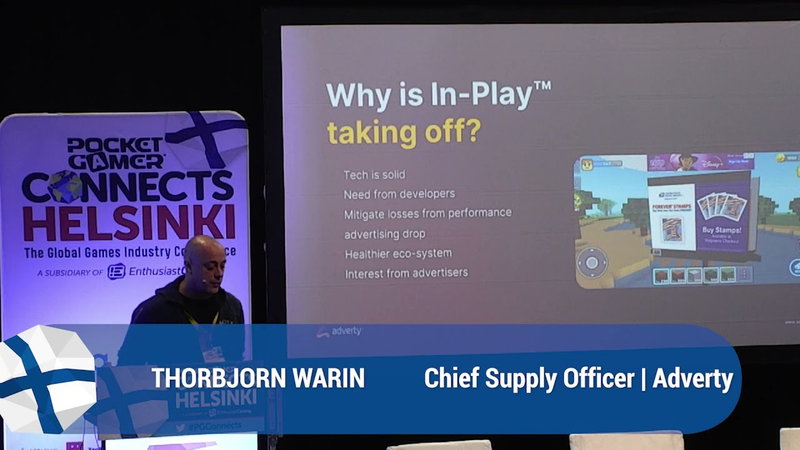
Keynote: Mastering In-game Ads
In-game advertising has emerged as a critical, low-risk monetization strategy that integrates native, non-intrusive placements directly into virtual environments.
- In-game advertising provides an incremental lifetime value increase of 2% to 10% by integrating non-intrusive, native placements into virtual environments.
- The strategy is most effective in 3D, sports, racing, and hyper-casual genres, where ads function as organic elements that enhance rather than disrupt gameplay realism.
- The industry is currently focused on attracting non-gaming brand budgets by positioning in-game placements as a more measurable and effective alternative to traditional out-of-home advertising.
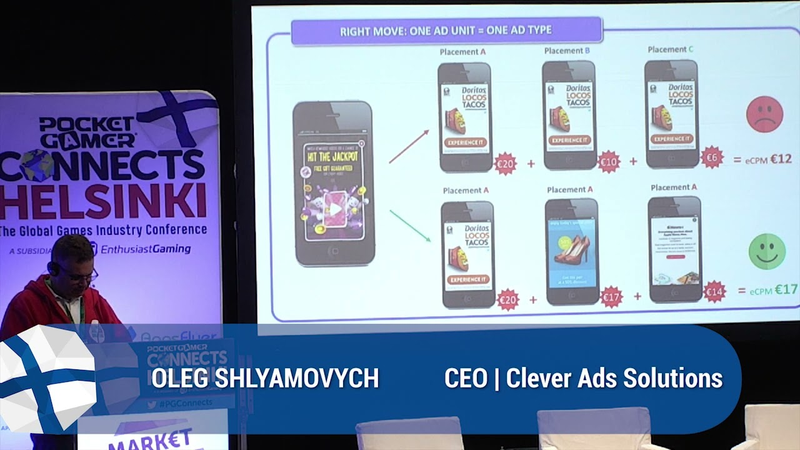
Mobile Ads Monetisation: Stop Shooting Yourself in the Foot
Effective mobile ad monetization requires a strategic balance between internal game design and external revenue management.
- Prioritize Average Daily Revenue per Active User (ADRPU) over isolated metrics like eCPM or fill rates to ensure a holistic view of monetization performance.
- Mitigate eCPM decay by limiting daily impressions per user and diversifying ad networks to prevent revenue drop-offs after consecutive ad views.
- Conduct A/B testing on monetization changes using staged rollouts of at least 2,000 users, focusing on long-term Lifetime Value (LTV) rather than short-term gains.
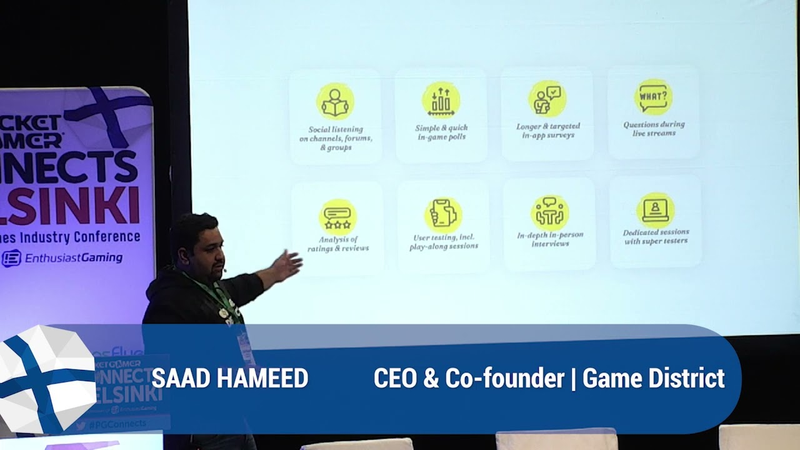
Recognising the Value of Games That Retain
Mobile game developers operating in increasingly saturated markets must move beyond basic data analytics and churn detection to prioritize habit creation as the primary driver of player retention.
- Developers must shift focus from basic churn detection to building habit-forming loops that transform casual play into consistent daily engagement.
- Retention strategies should be segmented into three distinct lifecycle phases: short-term (days 1–7), mid-term (days 8–30), and long-term (post-day 30).
- The MENAP (Middle East, North Africa, and Pacific) regions represent critical emerging markets that require localized content and specific regional adaptation strategies.
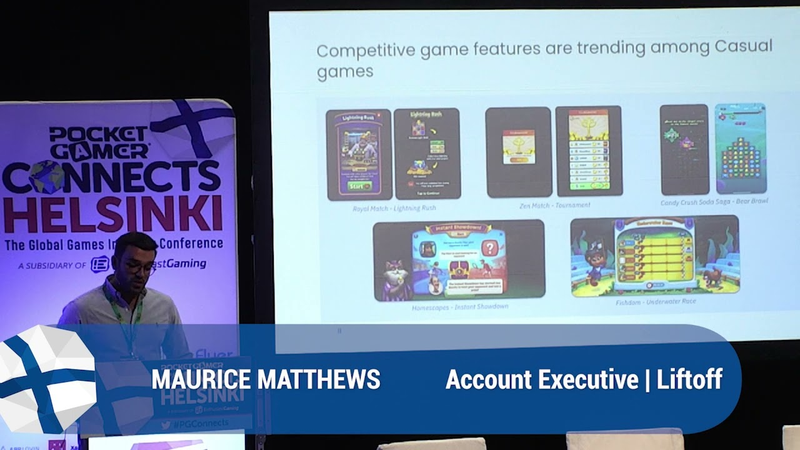
Winning Strategies to Maximise Your Revenue
The mobile gaming industry is currently navigating a period of significant contraction, marked by the first-ever year-over-year decline in consumer spending, which fell from $22.6 billion in Q1 2022 to $21.2 billion in Q1 2023.
- Mobile gaming consumer spending experienced its first year-over-year decline, falling from $22.6 billion in Q1 2022 to $21.2 billion in Q1 2023.
- Day-seven return on ad spend (ROAS) has dropped by 33% year-over-year, highlighting significant challenges in user retention and monetization efficiency.
- Aligning ad creative with actual in-game experiences, such as specific mini-games or customization features, can improve day-seven ROAS by nearly 50%.
The State of Mobile Gaming
The mobile gaming industry maintains a resilient position within the broader digital economy, characterized by sustained user engagement despite shifting macroeconomic conditions.
- Mobile gaming remains resilient against broader digital economy downturns, showing a strong revenue rebound in the first half of 2022 despite a general decline in consumer spending across the wider app ecosystem.
- The industry is highly concentrated at the top, with 300,000 new games released in 2021, yet only 174 of those titles generated over $100 million in annual revenue.
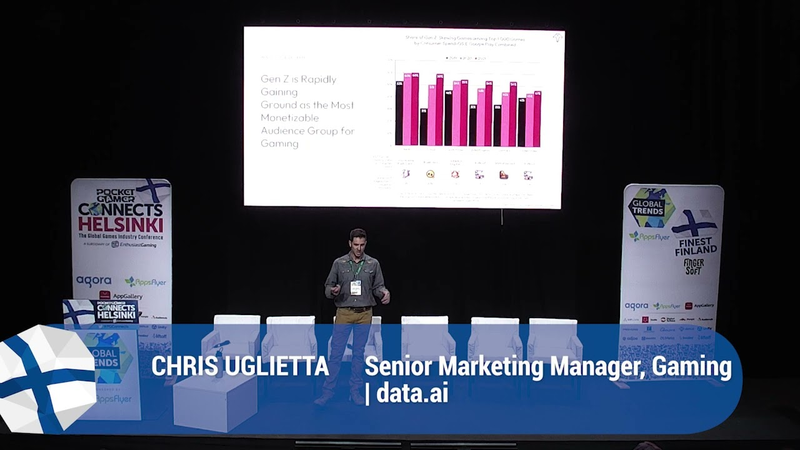
- Demographic shifts are expanding the market, as female players now account for approximately 50% of total gaming spend and Gen Z users (ages 10–25) have emerged as a critical high-monetization segment.

Adjoe on helping to grow apps through smarter advertisement
The advertising technology company Adjoe focuses on transforming user acquisition and monetization strategies for mobile applications.
- Mobile gaming is shifting away from traditional in-app purchases and intrusive interstitials toward reward-based, personalized advertising models.
- Opt-in rates for personalized ads in gaming have increased by approximately 20 percent despite the removal of identifiers like IDFA.
- Rewarded video and interactive ad formats are driving higher user engagement by providing tangible incentives, such as in-app currency, in exchange for interaction.

Learn how to leverage machine learning with Moloco
The primary objective of Moloco is to leverage machine learning (ML) to facilitate profitable user acquisition for mobile game developers and advertisers across the broader app ecosystem.
- Moloco leverages machine learning to automate user acquisition and performance optimization, positioning its algorithmic approach as superior to manual management in the face of data privacy constraints and market volatility.
- The company has achieved a valuation of $1.5 billion and maintains a portfolio of approximately 150 clients within the EMEA region.
- Effective implementation of Moloco’s machine learning tools requires advertisers to minimize manual interventions, allowing algorithms sufficient time to learn and optimize performance.

Is X-Hero Mobile’s Latest Top Grossing Anti-Hero? - The Metacast by Naavik
The mobile gaming landscape is currently defined by a strategic pivot toward hybrid-casual models and aggressive user acquisition tactics designed to navigate the constraints of a post-IDFA environment.
- Mobile developers are increasingly using 'bait-and-switch' hyper-casual mini-games, such as X-Hero’s 'Save the Doge' mechanic, to lower customer acquisition costs in a post-IDFA environment.
- While hyper-casual onboarding tactics successfully drive high initial click-through rates and scale, these titles frequently struggle to match the long-term retention rates of traditional mid-core genre leaders.
- The industry is shifting toward hybrid-casual models that combine accessible arcade gameplay with deep meta-progression to combat rising acquisition costs and diversify revenue beyond pure advertising.

CPI and Retention Rates For Hyper-Casuals in Q3 2022
The Q3 2022 hyper-casual benchmark report provides an analysis of key performance metrics, including cost-per-install (CPI) and retention rates, across major mobile platforms.
- Top-tier hyper-casual titles achieve day-one retention rates of 51% on iOS and 42% on Android, significantly outperforming the industry median of 25%.
- Android has become the primary platform for testing game potential, capturing 57% of total ad spend due to privacy-related changes like IDFA deprecation.
- The industry is shifting toward a hybrid-casual model that blends accessible hyper-casual interfaces with deeper meta-game loops to improve long-term engagement.
Tenjin Dashboard vs DataVault
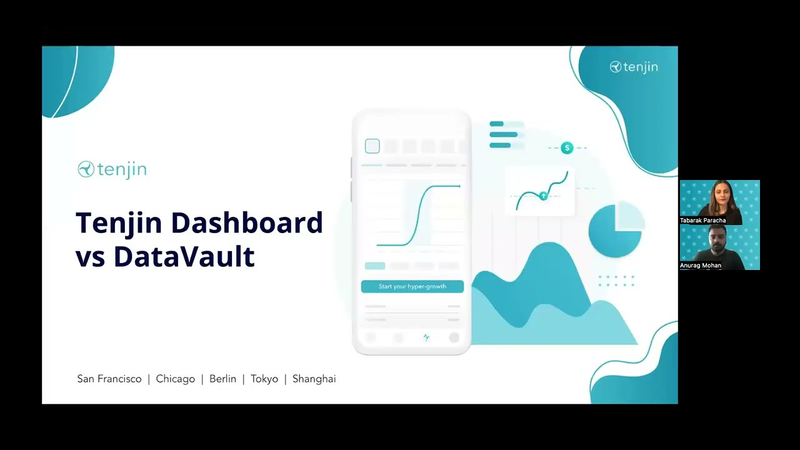
The Tenjin platform offers two primary analytical tools, the Dashboard and DataVault, which serve distinct purposes based on the level of data granularity required by mobile advertisers.
- Tenjin’s Dashboard provides an aggregated visualization interface for high-level performance tracking, supporting over 100 metrics including cohorted LTV and ROI.
- DataVault offers granular, user-level data access via a Redshift-hosted warehouse, enabling custom analysis and integration with external BI tools like Tableau.
- The Dashboard is organized into three specialized tabs dedicated to user acquisition, ad monetization, and SKAdNetwork performance tracking.
Cohorted vs Non-Cohorted Revenue Metrics in Tenjin
Non-cohorted and cohorted revenue metrics serve distinct analytical purposes in mobile app performance measurement, primarily differentiating between aggregate cash flow and user-level profitability.
- Cohorted metrics track revenue based on specific install dates to calculate user lifetime value (LTV) and determine the profitability of acquisition efforts.
- Non-cohorted metrics aggregate total daily revenue from all users, regardless of install date, making them the standard for accounting and cash flow planning.
- Comparing cohorted revenue per user against cost per install (CPI) allows developers to identify the exact timeframe required to recoup acquisition costs.

The State of Social Apps in Europe 2022
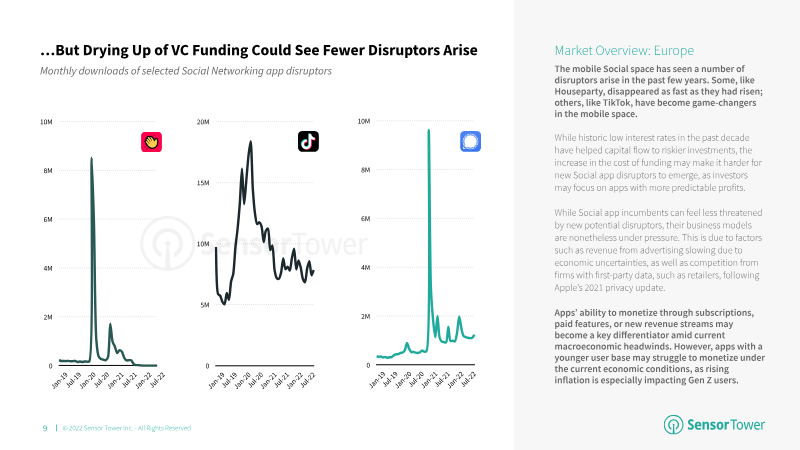
The European social application market in 2022 was characterized by a significant shift from rapid user acquisition toward aggressive monetization and the rise of niche, authenticity-driven platforms.
- European social app consumer spending reached $830 million in the first ten months of 2022, marking an 86% year-over-year increase.
- TikTok dominated the European market in 2022 but saw its revenue growth decelerate by the third quarter, indicating a maturing market.
- The barrier to entry for top-tier App Store rankings decreased, with the required download threshold falling 30% compared to 2019.