1 free read left. Create a free account for unlimited reading + AI research.
Create free account
CPI and Retention Rates For Hyper-Casuals in Q3 2022
Key insights
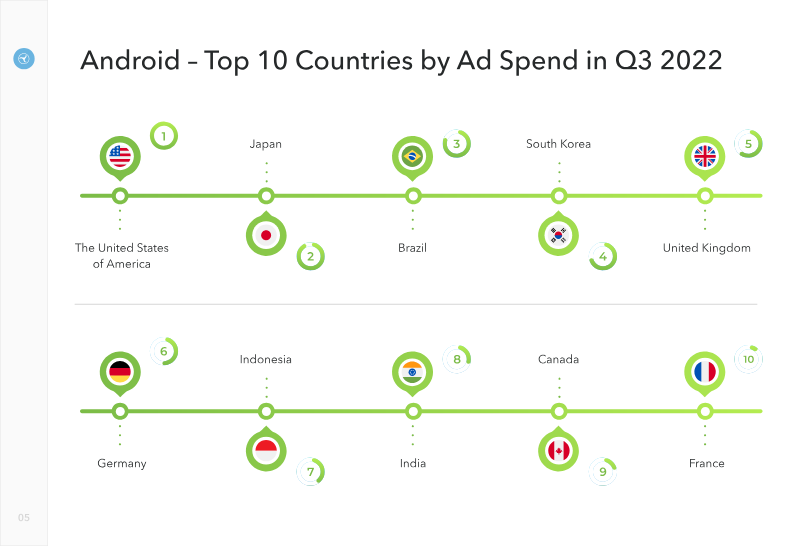
6 takeaways- 01Brazil has emerged as a high-value market for developers, offering a notably low average CPI of six cents.
- 02Android has become the primary platform for testing game potential, capturing 57% of total ad spend due to privacy-related changes like IDFA deprecation.
- 03Top-tier hyper-casual titles achieve day-one retention rates of 51% on iOS and 42% on Android, significantly outperforming the industry median of 25%.
- 04The industry is shifting toward a hybrid-casual model that blends accessible hyper-casual interfaces with deeper meta-game loops to improve long-term engagement.
- 05Studios are increasingly using hyper-casual mechanics as a low-risk, high-velocity prototyping phase to validate concepts before scaling into more complex hybrid-casual products.
- 06Success in the current mobile market requires a professionalized approach that balances creative development with rigorous, data-driven decision-making.
Ask AI about this video
Transcript
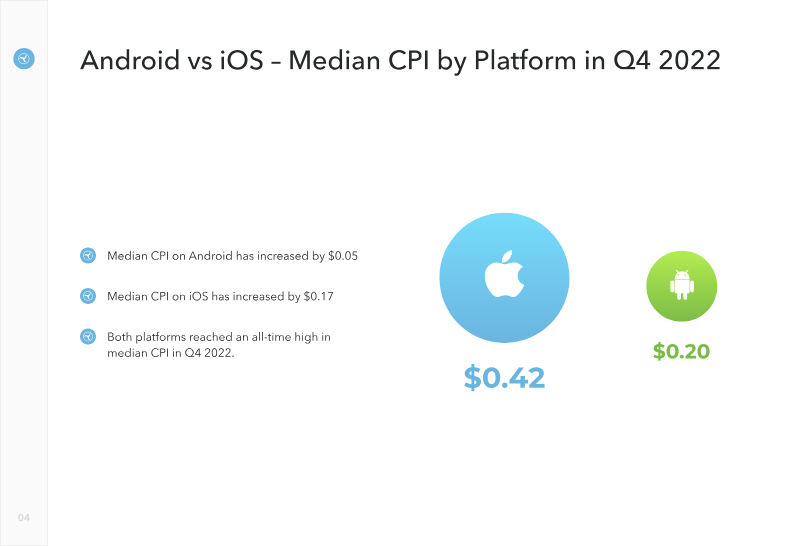
hi everyone this is Roman from tension team and we have a special guest today on our video series Everton please introduce yourself hi everyone my name is Everton I am CEO at easy play game Studio a Brazilian game Studio we will complete 12 years old in next December and I am in the industry almost 20 years I can say after I am almost a veteran maybe yeah yeah no absolutely and the reason we are here today is our new report on hyper casual games uh so stay tuned and you know why I've been right in Everton for this Edition uh let me quickly give you the overview of this report so basically we've collected all of your favorite metrics like uh ad spend percentage per platform CPI per platform
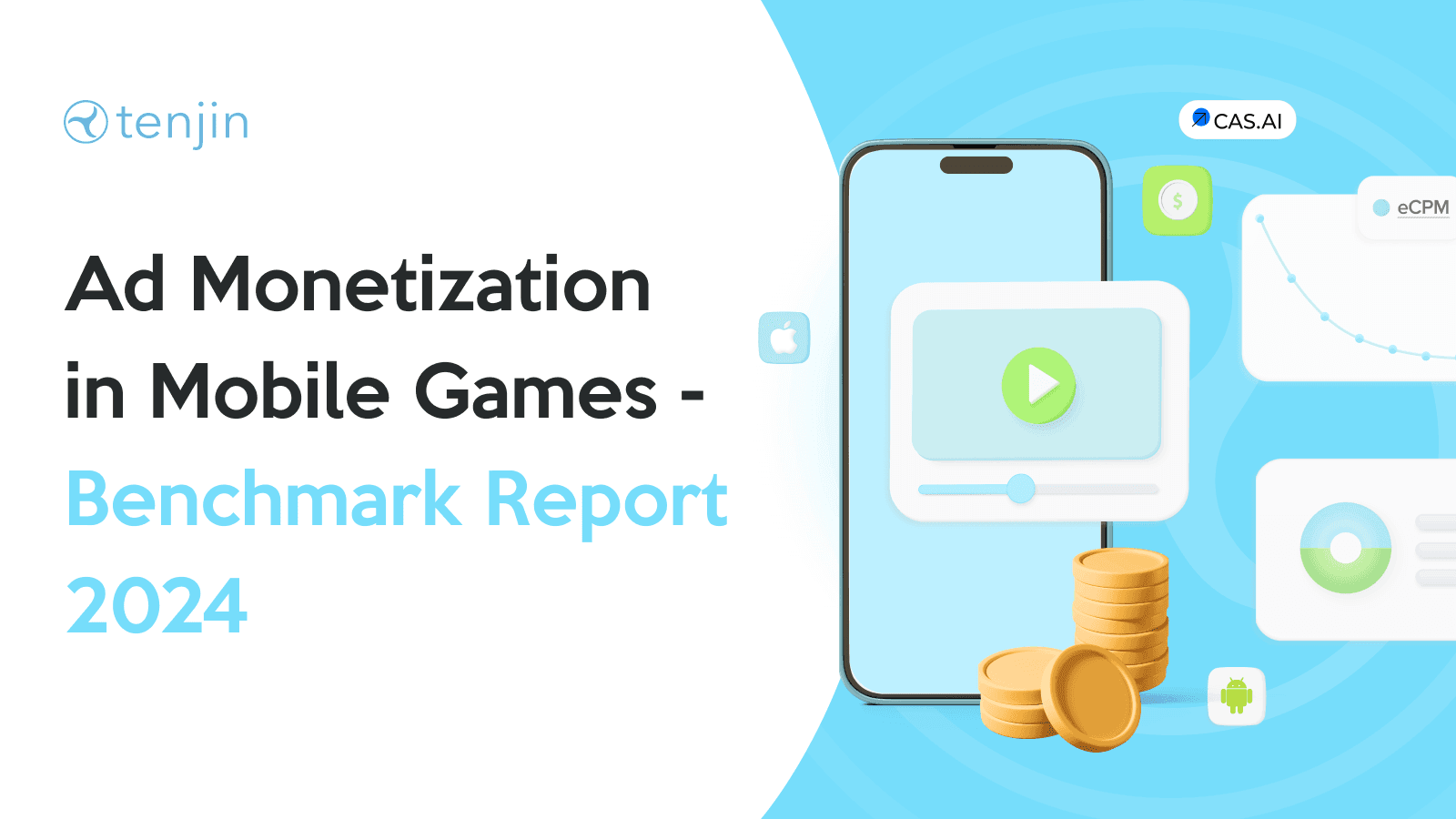
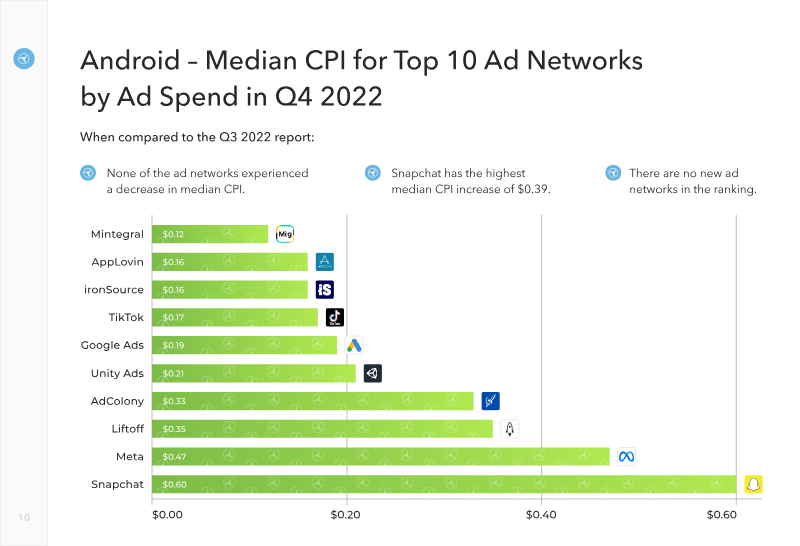
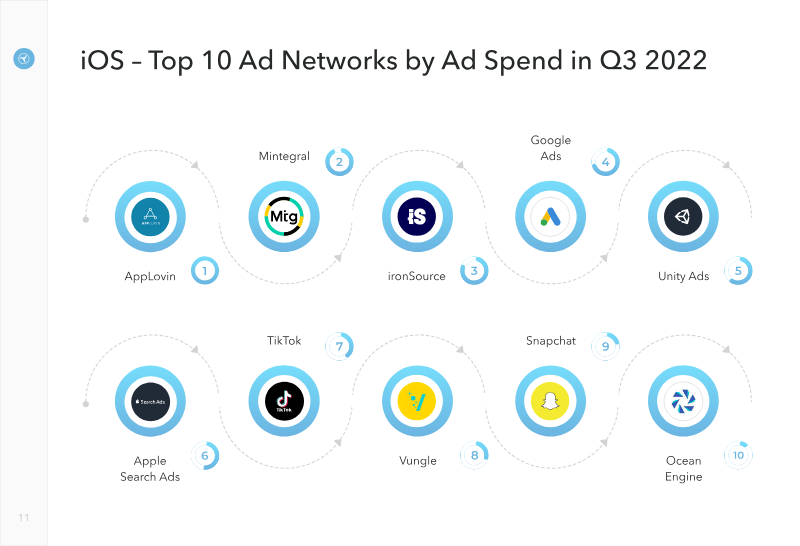
same thing for both countries uh on again like on both platforms top ad networks cpis per ad networks and our friends from game analytics also provided the data for the top games um and their retention rate um yeah we'll leave a link in the description so feel free to download it uh but meanwhile uh I I want to pick uh Everton's brain about about the reports and what he sees in the industry today so Everton what surprised you the most on this report uh maybe I can say that uh the most or the first surprise is the Brazil position obviously I am in here I know what's happened but the the reports they think that that the the the
protagonist can be Brazil and the new position about odds ad spends and we obviously you can talk talk a little about about it yeah so if we look at it like um right it's the first time that we do this report and that Brazil is on number three but what's more surprising is that the CPI is like six cents usually the ads per span correlates with the CPI so for example the U.S number one the most expensive in terms of the CPI and like advertisers spend the most money on it uh Brazil is an outlier here um yeah any idea why is is it a good question I can I have I I am afraid that I have I haven't uh good answer to that because as we
mentioned it uh this both numbers are always correlated spend and earning and the same region maybe we are under a transition we have uh in the last uh almost eight years I can say we have a a more fragile economy and uh undervaluated currency so maybe because of this variables we have this phenomenon Maybe but uh in short I think the Brazil we are getting our air space in this in this interesting industry and maybe this is the first sign of of this kind of of rising Brazilian rising in the market yeah and I've always seen a lot of uh developers from Brazil right so the industry is very strong yeah yeah uh I think it I can say I can mention at the same period I can say in the last seven six seven years
we grow a lot here about industry we have a huge rise in about maturity and knowledge and good companies I think that the the guy is already heared about it Wildlife is our current unicorn but despite Wildlife you have a lot of big big companies very good games so we have a huge growth in these last seven six years yeah and uh yeah coincidentally today istanboat upon on the new Zoo report here it is on LinkedIn and this like really astonished me like 80 percent of Brazilians I came into that I understand this is a certain like segment that they look at but still like this is whoa yeah is a it's not a news from from us because we we love at games because uh for the same reason this this fragile
economy usually it is undervaluated uh currency uh even for example I can't mention at the price of a PS5 here is about five uh thousand AIS five thousand guys and if they can make a a comparative about the the power of the code that this coin that could not the the current currency is not so so different so it's a it's a a very very expensive price to a console and despite that Britain Brazilians buy a lot of PS5 and PS4 and Nintendo switch the games are very expensive here 200 at the AIS for a switch game and despite that Brazilians bite to buy the games and play a lot so we are very very passionate Gamers yeah yeah uh I also know like here people in Europe I don't know if
this loophole still works but they register the PlayStation account in Brazil to get a lower price for games yeah exactly yeah cool okay that's a mystery um so tell us like if you know what's going on tell us in the comments uh second surprise like I I guess everyone expected that but like okay ad spend for Android is growing now it's like 57 compared to iOS Emerson like what do you think was it expected for you yes no why I think that I expected uh since the idfa uh issue I can say something like that with iOS the Android turns into the first uh Dev platform to test and Publishers to test the the game potentials so I think that this this keeps the same
rule since the the last years right but what do what is the trend now do you feel like Android will get 80 or like iOS can get some of that market share back I think the numbers will keep this this share for a few years yet yeah I think that would be the the future for the next years this distribution I think in this status quo I think have to be there the normal for a few years yet I see do you feel like this new Google play uh policy change that limits a type of interstitials and other ads within apps can like change that this can sound weird maybe but uh remember everyone they're watching the video we are game developers not up and AD developers so is very important for us uh offer a good
experience for our users and of course I I must do agree with Google there is no rule there's a no rule land in this uh a standard about an is or even in some ad Network about RVs I can give you a common and popular sample the hidden X close at the bottom is almost a new game in there we must discover where is and stuff like that so would be excellent to have a standard Rose and guides to follow and offer a good experience to our users right but that's a good idea for a new hyper casual mechanics finds across exactly exactly we can make a paradox dinner in a meta language in there in there I've always got you um speaking about like games like if you look at this like retention data from uh
our friends from game analytics you see like day one retention like top two percent of the games have a day one retention of 51 on iOS and 42 on Android um let me zoom on this data because this is like super interesting then 25 of games already 33 and median uh is 25 so either like such a difference between like a great game and good game good thing is that this retention goal is always a challenge and I think that uh year after year this challenge is tougher because we have more games uh we have more offer to use the the players playing different games so I think that's is even tougher even year after year uh keep with the the player playing our games instead change it to a new one
but uh in short talking about hyper casual and hybrid casual industry specifically speaking uh we have a common and now I didn't know Paradox because usually uh Studio choose CPI or retention is always a a choice between these two uh approach and I think that there is there is a conflict between these two numbers so uh we can focus to CPI to try to reach 20 cents 15 cents and you have a lot of troubles to reach a good retention and vice versa so the the hyper casual industry and the hyper casual Market created that New Balance so we choose the site so I think that is maybe can be a result from that choice new choice that we have in this last three years I can say right uh maybe you can share like some
of the examples like based on the games that you guys produce like what is the ratio between the great game games good question the market is uh are always mention uh this rate so we already heard about 61 71 about we try six in games before we found a a hit even a normal or small heat so always it was a tough uh markets a tough game to play in high grade casual that is I didn't mention but it's a play work it with a lot of different Platforms in the in this last two 11 years we developed to work for higher PC web since 2015 we focus on mobile free to play mobile and in 2020 we tried something in the hyper casual Market in 2021 we decided
to migrate our our knowledge in this hyper casual industry to hybrid casual that is a very training term correctly uh in the hybrid casual we have different rules because uh the game is closer than a casual I can say and because of that we have different metrics so the market information about 31 in hybrid and is play I measured before or talk here we have a rate about 10 one prototypes we found when when launchable um and my second question is how do you define this like hybrid depression okay oh one million question uh I think that each Studio has its own definition or description for us uh we can we like to to think in a hybrid as a casual
with death of a casual but with uh adding uh hyper casual interface so with a casual very concerned about be very easy to understand very easy to play very easy to sell it that idea in a five three five seconds video in a campaign for example so hybrid casual for us is uh this formula a casual with a hyper casual interface and meta games are rounded what about the ad monetization good point too by the way the the name that there comes from hybrid monetization rights any ads we we like to split that uh task in two first we try to launch a hybrid just with ads and see what happened and if you've got good results from that first prototype we start to thinking on ad uh in approaches is our way to reduce
the risks to put a lot of effort in a game before we have good signs from from it yeah this is like yeah this is super cool because like even a hyper casual right like okay snackable address monetization there is no yeah yeah exactly there is no category in Webster exactly exactly 100 yes even even the hyper have a good up match to have the the the check to try to organize the categorization uh categorize this this this genre but it's not a genre it's a business model so yeah and a hybrid is the same the same thing yeah that's a very good point um yeah I I think I have a last question like what would you advise to a young developer but only now thinking should
they start developing like a hamburger hyper or hybrid casual game should they do it or this is like a bad idea now good uh I have a prediction maybe next year will the hyper casual we went no no I'm joking when it's impossible to know that but uh if you analyze the last three years I I can say that the this Market is uh even tougher that that we was in the past so it's not an easy task to launch a hyper casual obviously but still a good a good choice uh to small and young Studios I will strongly recommend to start with Hyper casual even if you consider a developer PC games in the future that's a huge great great amazing first step for a studio ismo studio
young Studio but like us we decide to adapt that amazing process we we in love about the pipeline of hyper casual and that I mean when we try it in 2020 and with it's a feeling like we finally discover how to develop a gaming rights when you try to follow fast prototyping uh measure weekly the results of of our prototypes and after our games is amazing amazing results so it's a great way to start development if your studio like us look into uh bigger games look into a long relationship of our players adapt that process is a very adaptable process I can say we we did that to hide to hybrid and our hybrids always look into a casual so it's a maturation process I can say so I strongly recommend to start with
Hyper casual it's a very good way to learning how developer games right prototyping fast data driving is important in the mobile it's important in every platform but the mobile we have that data from danger for example so it's it's good to learning how read that numbers that the players players behavior for example is very important to deliver a good game a good experience game and I figured that would be a good good choice a good option uh next year is still trying this kind of game obviously is a very tiny line about hyper hybrids arcade Idol and a lot of new new terms so basically try to do right and focus and treat that like a a a real work real business uh we usually mentioned that that game is about heart but it's not just about heart we put a bit of brain on it
because right it's important to to made a good and professional product in the end of the process yeah I'm like I feel the same like it's a lowest hanging fruit like that any student gets can start developing and receive like this invaluable experience from it um it is still here and uh I agree that it will be here like next year too and again as you said like it's a business model just like in a business you develop an MVP first uh just in a hyper casual it's like yeah very similar and you get all those skills not only in the game development by the way but also in business right exactly yeah so fantastic Everton thanks
a lot this is was very insightful thanks for invite so this is a pleasure job yeah with you guys from attention and talk about games yeah yeah exactly and yeah I'll just summarize I'll be super promotional start with our report download it link is in the description subscribe to tangent Channel give us likes this is important more people will find this video and uh yeah thanks for watching and see you around cheers bye-bye guys
Summary
The Q3 2022 hyper-casual benchmark report provides an analysis of key performance metrics, including cost-per-install (CPI) and retention rates, across major mobile platforms. The findings highlight a shifting landscape in the mobile gaming industry, characterized by increased competition and a growing emphasis on data-driven development. A central thesis of the analysis is that while the hyper-casual market has become increasingly difficult to navigate, it remains an essential training ground for studios to master rapid prototyping, data analysis, and business-oriented development cycles.
Key data points reveal that Android has solidified its position as the primary platform for testing game potential, accounting for 57% of ad spend compared to iOS. This shift is largely attributed to the impact of privacy-related changes like the IDFA deprecation. Retention data indicates a significant performance gap between top-tier and average titles; the top 2% of games achieve a day-one retention rate of 51% on iOS and 42% on Android, while the median retention rate sits at 25%. Brazil is identified as a notable market outlier, emerging as a significant player with a surprisingly low average CPI of six cents, suggesting a unique intersection of economic factors and a highly engaged, mature gaming population.
The analysis emphasizes the strategic transition from pure hyper-casual models to hybrid-casual formats. This evolution is defined by integrating deeper, casual-style meta-game loops with the accessible, snackable interfaces characteristic of hyper-casual titles. The industry is moving toward a model where studios prioritize a balance between CPI and retention, often utilizing hyper-casual mechanics as a low-risk, high-velocity testing phase before scaling into more complex hybrid-casual products. Ultimately, the report concludes that success in the current market requires treating game development as a professional business, where creative passion is balanced with rigorous, metrics-based decision-making.






Comments