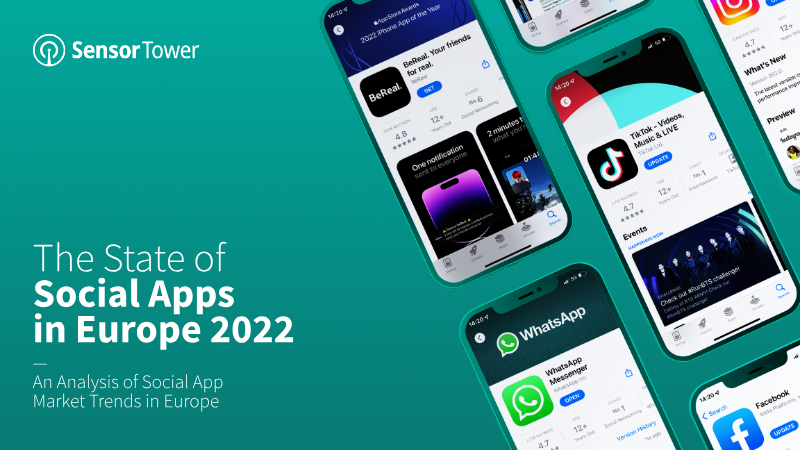
The European social application market in 2022 was characterized by a significant shift from rapid user acquisition toward aggressive monetization and the rise of niche, authenticity-driven platforms. While overall download volumes stabilized following the 2020 pandemic peak, consumer spending reached a record $830 million in the first ten months of 2022, representing an 86% year-over-year increase. This financial surge was primarily driven by TikTok, which maintained its position as the region's most downloaded app while diversifying its revenue streams through gaming, music, and high-value in-app purchases. Despite this dominance, TikTok’s revenue growth began to decelerate by the third quarter of 2022, signaling a maturing market.
Competitive dynamics within the messaging and social networking subsectors revealed a diversifying landscape. Telegram emerged as a formidable challenger to WhatsApp, nearly closing the download gap and capturing significant market share in Russia. Simultaneously, BeReal disrupted the market by targeting Gen Z with dual-camera, privacy-focused content, forcing established giants like Instagram and TikTok to develop similar features to retain younger demographics. These shifts occurred against a backdrop of lower barriers to entry for new apps, as the download threshold required to reach the top of the App Store rankings declined by 30% compared to 2019.
Despite the emergence of new competitors and shifting consumer preferences, legacy platforms maintained a strong foothold across the continent. Meta-owned applications, particularly Facebook, continued to lead in monthly active users across most European markets, with sustained dominance in Central and Eastern Europe. The industry's evolution reflects a broader transition where established leaders leverage massive existing user bases to pivot toward new monetization strategies, while newcomers focus on hyper-specific engagement models to challenge the status quo in an increasingly fragmented digital ecosystem.
Sensor Tower · 2026
Adjust · 2026
Sensor Tower · 2026
Sensor Tower · 2026
Sensor Tower · 2026
Sensor Tower · 2026
Sensor Tower · 2026
Sensor Tower · 2026

Sensor Tower · 2026

Sensor Tower · 2026

Sensor Tower · 2026

Sensor Tower · 2026
Newzoo & Tebex · 2025
Ipsos · 2024
Video Games Europe · 2024
Video Games Europe · 2023
Newzoo · 2026
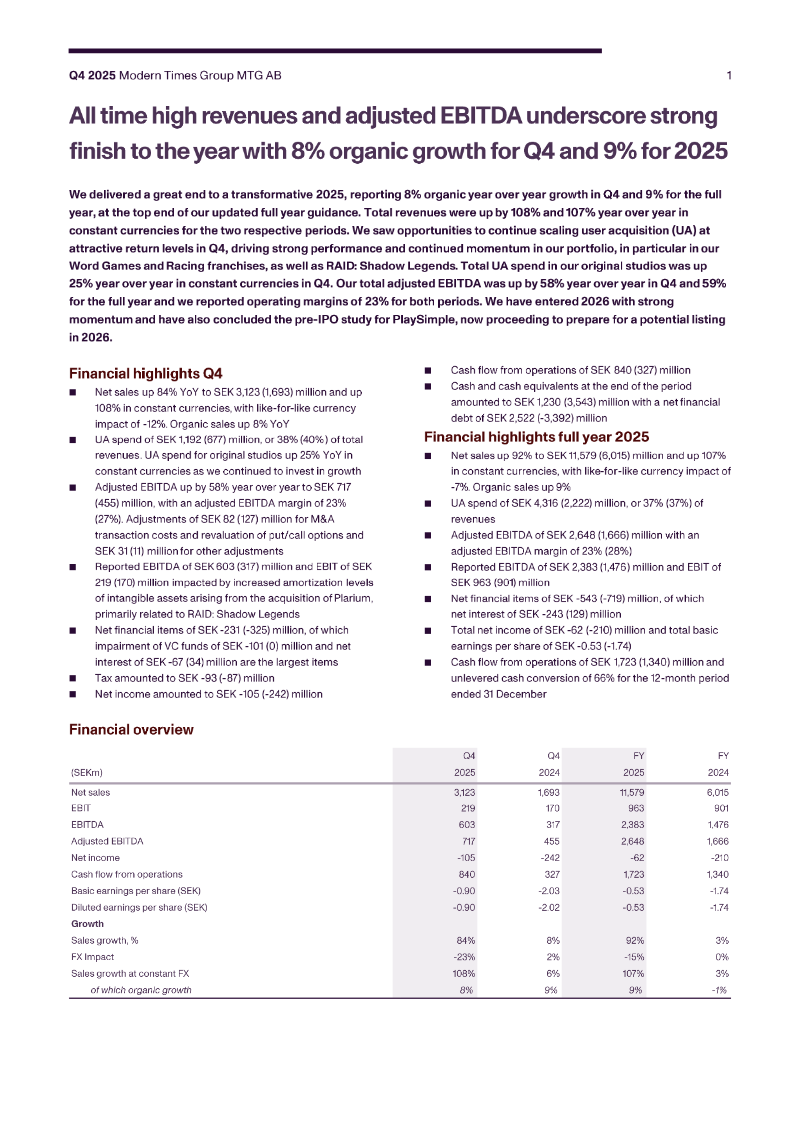
Modern Times Group · 2026
Telekom Malaysia · 2026
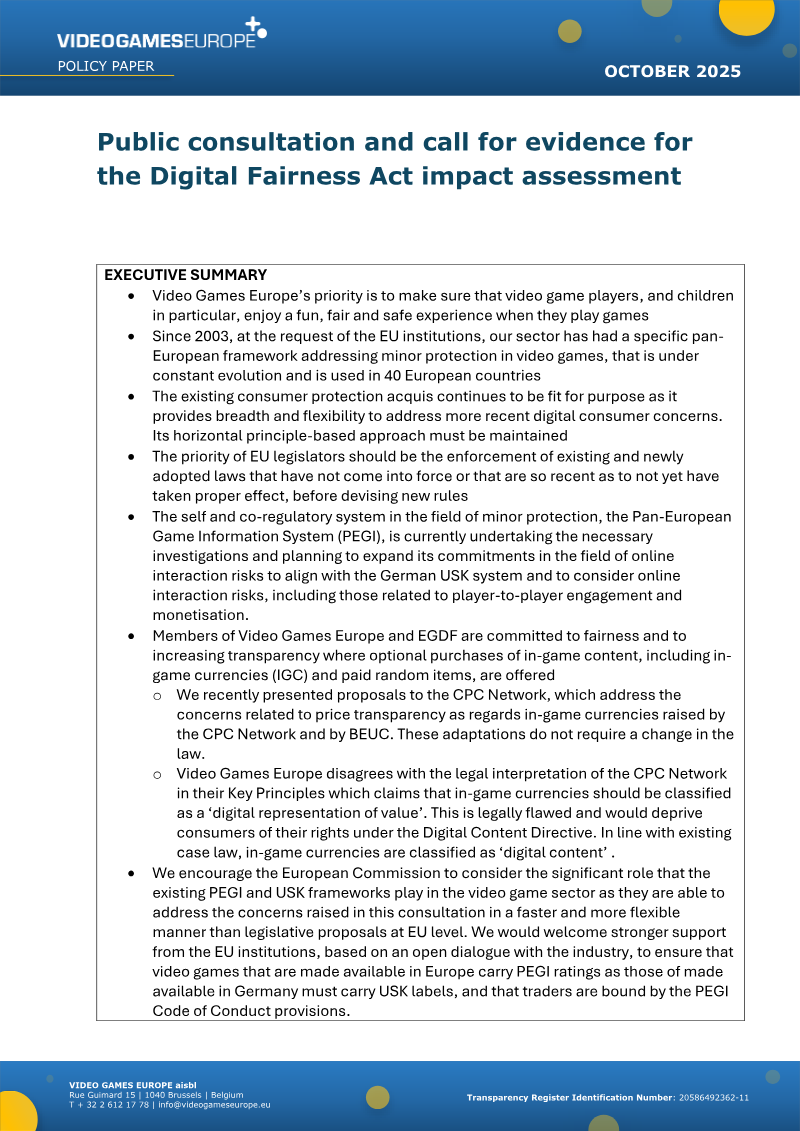
Video Games Europe · 2025
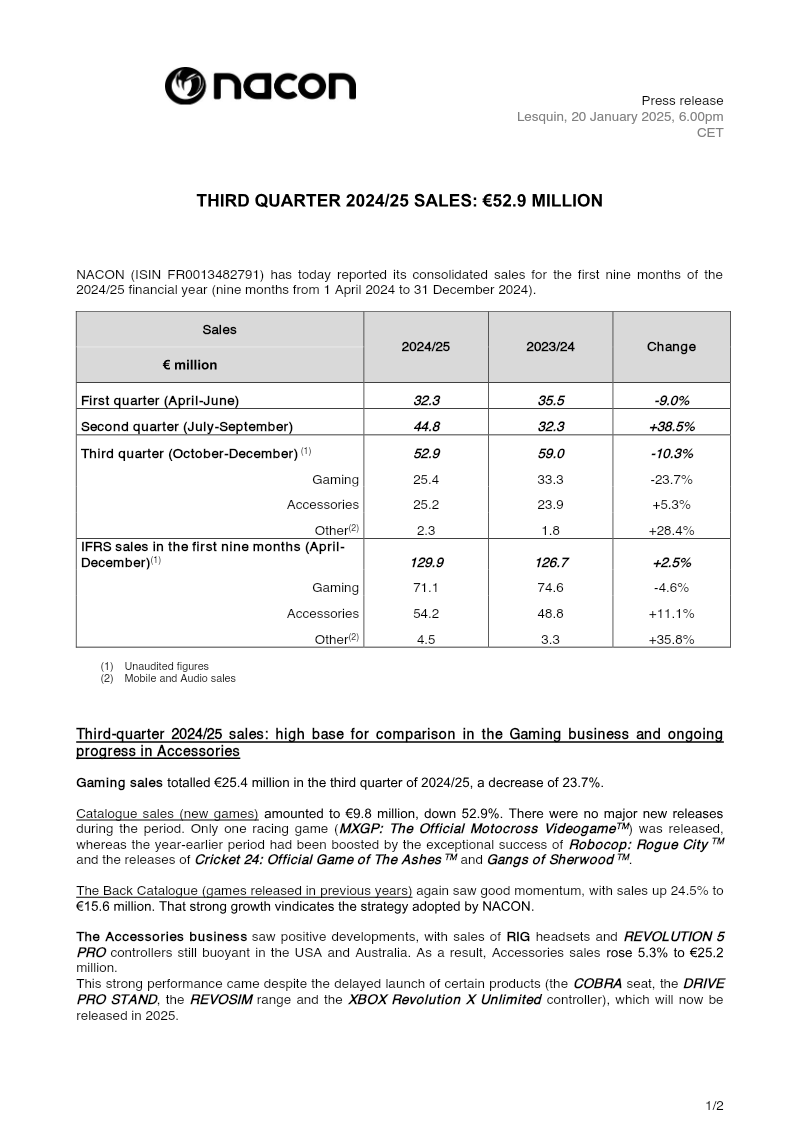
Nacon · 2025
AppMagic · 2025

PlaySafe ID · 2025
Adjust · 2025