Mobile reports and market data
Documents

King's business performance director on creativity, analytics, and Henry Ford
The business performance director at King emphasizes the integration of data analytics and creative autonomy in the development of casual social games.
- King balances game development by keeping creative and narrative direction under the control of human teams while using data analytics to optimize engagement and retention.
- The company has launched over 180 games on its web platform over the last decade, using this high-volume testing environment to identify concepts with long-term viability.
- Data analytics are primarily used to refine execution, such as identifying specific levels where player attrition spikes to allow for adjustments to difficulty curves.

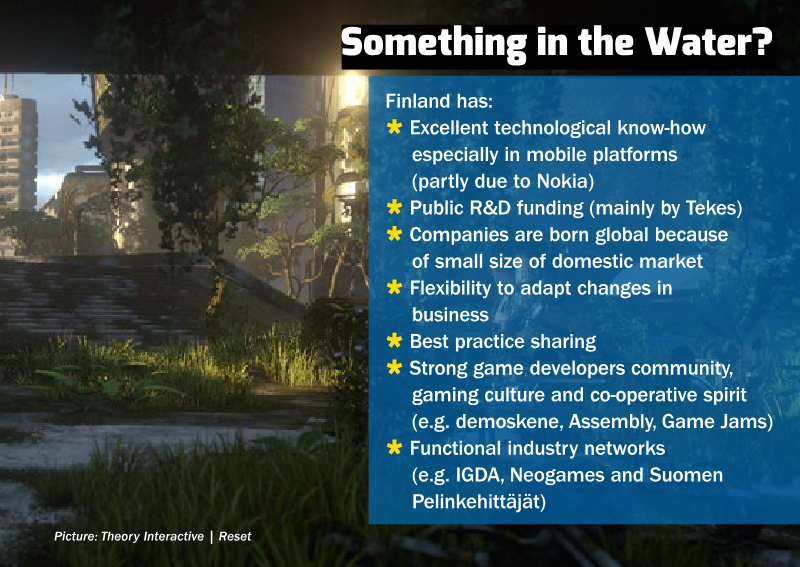

The Game Industry of Finland: 2014
The Finnish game industry underwent a period of extraordinary expansion between 2008 and 2013, transforming into a cornerstone of the national economy.
- Between 2008 and 2013, the Finnish game industry's core development revenue grew from €87 million to an estimated €900 million, with a total economic impact exceeding €2 billion.
- Finland has established itself as a premier global hub for mobile game development, characterized by a highly scalable digital product ecosystem and a focus on high-growth export markets.
- The industry is supported by a network of over 200 companies, including major international players such as Rovio and Remedy alongside a robust community of independent studios.

Moneti$er: Comparing the load times of F2P mobile games
This analysis examines the impact of boot times on user engagement within the free-to-play (F2P) mobile gaming market.
- Rapid boot times are directly correlated with higher session frequency in F2P mobile games, particularly for casual and resource-management titles.
- Minimizing the time between app launch and gameplay is a critical factor for user retention, as short-burst players are sensitive to entry barriers.
- Boom Beach and Royal Revolt 2 serve as industry benchmarks for high-performance, near-instant access, whereas Dungeon Keeper and FarmVille 2 exhibit poor user experience due to prolonged loading.

FunPlus CEO Andy Zhong on taking a global approach
FunPlus operates as a Beijing-based developer and publisher that prioritizes a global market strategy over domestic expansion.
- FunPlus prioritizes a global-first strategy, currently serving 6 million daily active users with significant market penetration in Europe and the Middle East.
- The company integrates international talent into its 250-person Beijing headquarters, with 40 percent of the workforce recruited from Europe and the United States to bridge cultural gaps.
- FunPlus has achieved notable success in France, where 50 percent of the population has engaged with its titles and 10 percent have installed at least one game.
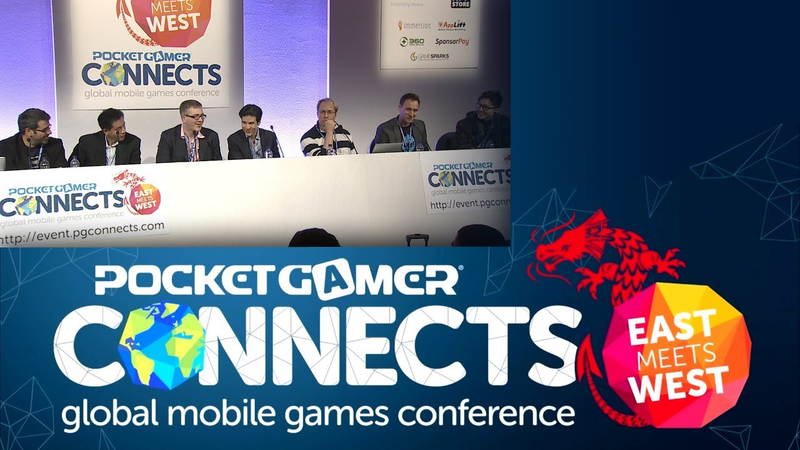
PGC London: China Mobile Games Market Power Panel
The Chinese mobile games market represents a highly fragmented, competitive, and rapidly evolving landscape that requires a strategic, localized approach for success.
- The Chinese mobile market is highly fragmented, requiring developers to implement payment systems for numerous individual channels, such as Alipay and the 360 store, to ensure effective monetization.
- Partnering with a local publisher is essential for navigating the market, as they provide critical services including game localization, server infrastructure management, and technical adaptation for over 100 different Android device configurations.
- Piracy in China poses significant risks beyond lost revenue, as unauthorized versions of games can be bundled with malware or malicious SDKs that may trigger government scrutiny and lead to the blocking of official traffic.
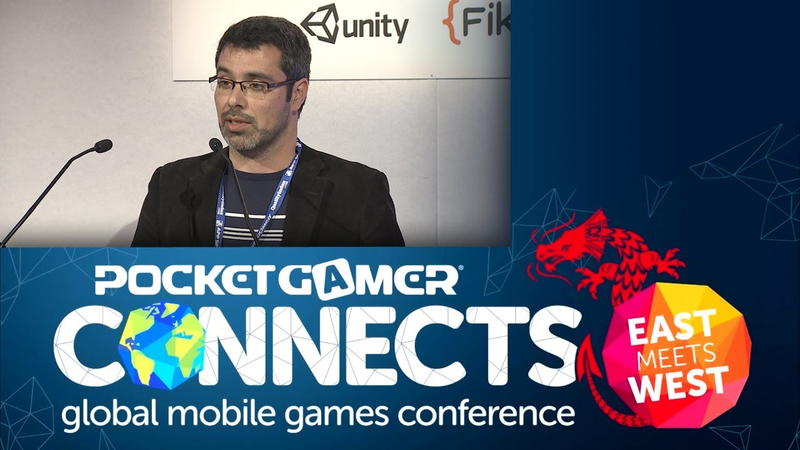
Trust is a big issue for Western developers in China
Western developers face significant structural and cultural hurdles when attempting to enter the Chinese mobile gaming market, primarily centered on the difficulty of establishing reliable business relationships.
- Building trust is the primary barrier to entry in the Chinese market, as Western developers often face communication breakdowns, sudden partner disappearances, and a lack of consistent feedback.
- Biodroid’s attempt to enter the Chinese market failed due to poor partner selection, whereas their efforts in Japan, Thailand, Indonesia, and Malaysia succeeded by securing partners who handled integration and device preloading.
- Western developers must be prepared to dedicate significant resources to support their Chinese partners, as slow delivery of marketing materials or code changes can terminate business relationships.
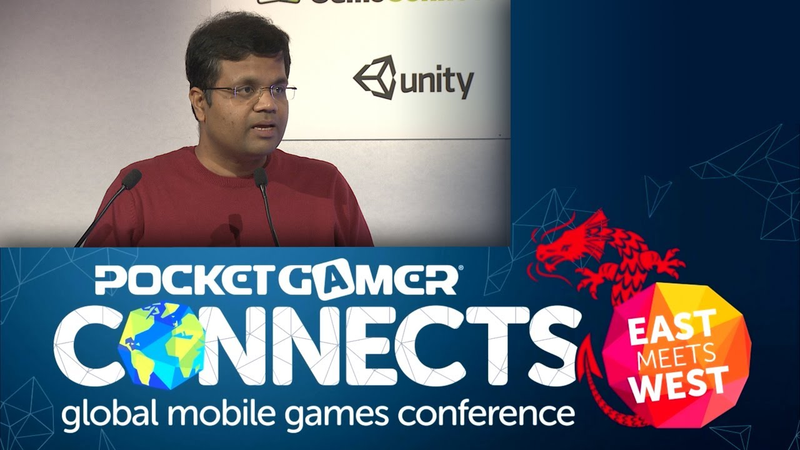
Successful use of ad networks is all about getting scale says InMobi
The Chinese mobile gaming market presents a highly fragmented landscape characterized by significant stratification across distribution, payment, and discovery channels.
- To achieve scale in the fragmented Chinese mobile market, developers must utilize large ad networks for user segmentation and high-volume downloads, as these networks outperform the organic reach of standard app stores.
- Market entry requires deep localization beyond language, specifically adopting cartoon-style aesthetics, lighter color schemes, and 2D perspectives favored by Chinese players.
- Gameplay design should prioritize simplicity, daily rewards, and social competition via leaderboards rather than focusing on individual player milestones.
How iDreamsky made Fruit Ninja and Temple Run successful in China
The Chinese mobile gaming market presents unique challenges and opportunities that require a specialized approach to localization, monetization, and intellectual property protection.
- Ignoring the Chinese market does not prevent piracy; popular games are typically pirated on major sites within one hour of release, with clones appearing within three months and trademarks often hijacked by third parties.
- Chinese players in second and third-tier cities often provide higher lifetime value and retention than those in first-tier cities, as they have fewer entertainment alternatives and less exposure to rapidly changing international trends.
- Data costs are a significant barrier in China, where a 5GB data plan can cost 15% of a citizen's monthly income, necessitating small game sizes and low bandwidth consumption to ensure high conversion rates.
Fragmented Android billing is China's biggest issue
The Chinese mobile gaming market presents significant opportunities for Western developers, provided they navigate the complexities of local distribution and monetization.
- The extreme fragmentation of the Android billing landscape, characterized by hundreds of independent app stores with unique SDK requirements, is the primary barrier to monetization in China.
- Approximately 70% of casual gamers in China prefer offline play, making operator-based SMS billing the most efficient monetization method for that segment.
- Android holds over 80% of the Chinese smartphone market, with hardware manufacturers like Lenovo and Xiaomi driving revenue through preloaded content.
China is already the #3 mobile gaming market for iOS
The Chinese mobile gaming market has emerged as a critical global force, securing its position as the third-largest market for iOS revenue as of late 2013.
- As of late 2013, China is the third-largest global market for iOS gaming revenue and the second-largest for iOS game downloads.
- The Chinese Android market is estimated to be at least as large as the iOS segment and is projected to experience faster growth, despite its fragmented ecosystem.
- Domestic giant Tencent achieved top-tier download and revenue rankings within six months of entering the mobile gaming market.
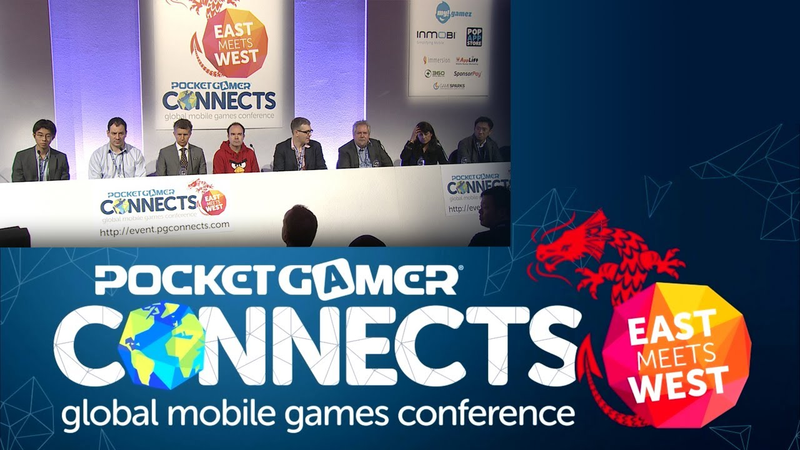
PGC London 2014: The East Meets West Power Panel
Global game development has transitioned from a traditional release-based model to a sustainable live-service framework, necessitating a fundamental shift in how studios approach production and market entry.
- Modern mobile game development requires teams of 10 to 20 professionals and budgets between $1 million and $2 million to sustain the live-service operations necessary for competitiveness.
- Global success is achieved through a strategy of culturalization and territory-specific platform integration rather than uniform global launches.
- Developers should prioritize validating core gameplay loops in familiar markets before attempting to navigate the complex regulatory and distribution environments of China, Japan, and South Korea.

At Tencent, we see ourselves as a platform company
Tencent positions itself as a comprehensive platform company, aiming to facilitate a massive, integrated digital ecosystem for users while serving as a strategic partner for global game developers.
- Tencent operates as a platform company that maintains a neutral, siloed publishing infrastructure to ensure fairness and prevent internal favoritism between its own studios and external partners.
- The company leverages its dominant social platforms, QQ and WeChat, to maintain a 24-hour user engagement cycle within its digital ecosystem.
- Rapid expansion in the Chinese mobile gaming market is primarily driven by the proliferation of affordable Android smartphones priced under $100.