1 free read left. Create a free account for unlimited reading + AI research.
Create free account
Fragmented Android billing is China's biggest issue
Key insights
6 takeaways- 01Engaging a professional publisher is recommended to replace unauthorized, pirated versions of games with legitimate iterations that secure revenue for the developer.
- 02The extreme fragmentation of the Android billing landscape, characterized by hundreds of independent app stores with unique SDK requirements, is the primary barrier to monetization in China.
- 03Approximately 70% of casual gamers in China prefer offline play, making operator-based SMS billing the most efficient monetization method for that segment.
- 04A centralized publishing approach can mitigate administrative burdens by consolidating multiple operator relationships, such as China Mobile and China Unicom, into a single SDK integration.
- 05Android holds over 80% of the Chinese smartphone market, with hardware manufacturers like Lenovo and Xiaomi driving revenue through preloaded content.
- 06Smartphone penetration in China is currently at 55%, creating a significant user acquisition channel through retail chains that install games directly onto devices at the point of sale.
Ask AI about this video
Transcript
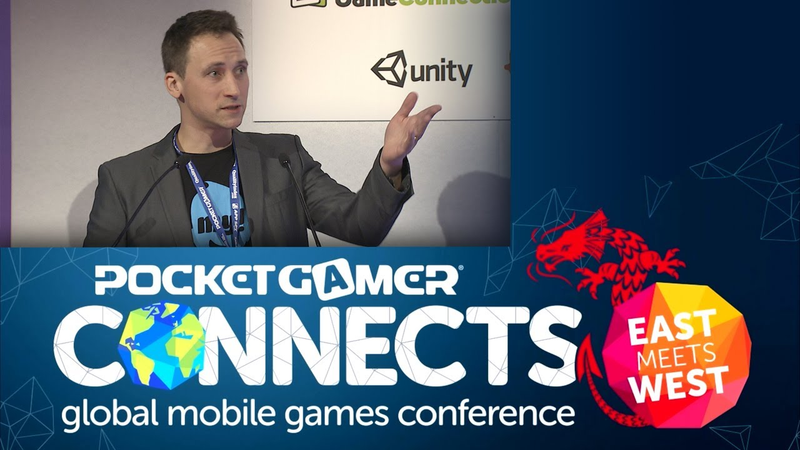
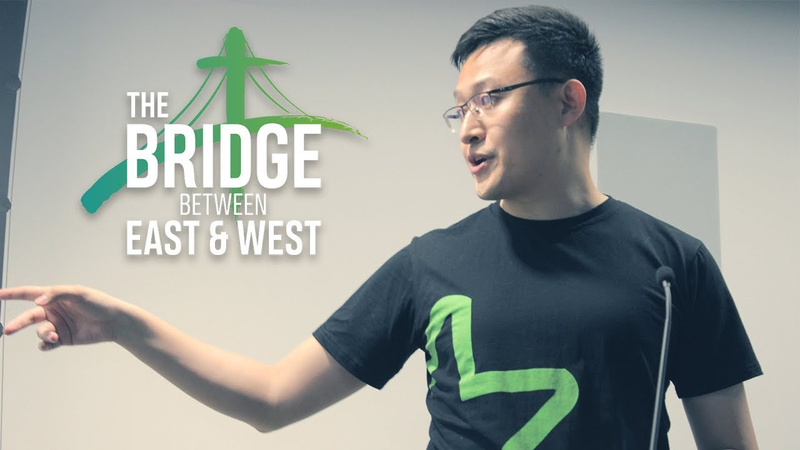
okay hello everyone yeah so my name is mik lonen and I'm the CEO and co-founder of my games my games is a uh publisher of uh high quality Western game titles in China market and U before I get started a quick ball anybody else having a huge jetl here besides me excellent great doing well you y um before I go to my slides I promise to our uh co-sponsor uh popup store who's also our uh dear partner to introduce their stuff with one slide so uh popup store is uh providing official fan store for game IPS uh so they have a design
manufacturing Logistics and the online store solution that is uh linked to your game U available as a turnkey solution for any um any game IPS who are interested to do the same as uh what Ria has been doing extremely successfully on the merchandise items so if you find this interesting you will find their booth there um together with our boot so please uh go to talk with them okay then uh back to my games and uh China business and uh I think the previous presenters have uh pretty nicely already established the importance of China market so I don't have to go uh to praise that anymore but um we talked to a lot of U West developers and we are publishing uh with the some very nice titles like Hill CL time bracing uh bad land Benji
Bananas Etc and uh we take a slightly I would say opposite completely opposite um approach to what we saw just now the beautiful example from Chong doing the perfectly localized or culturalized game for China market so we are uh keeping our Western titles as Western uh titles so we are writing on the market demand for uh cool foreign stuff so there is big demand for localized stuff but there's also big demand for Western uh cultural stuff in China so we are focusing on that side right now and uh for most of the developers that we talk to actually all of them uh they find China is publishing in China is a is a big headache that they rather not think about and our mission uh quite
simply is to make game publishing in China simple and safe and profitable okay so it's time to go to China right now I think it has been it has become quite clear today um still we get uh so many developers saying that I don't want to publish in my game in China because there's so much piracy but the news I mean the fact is the piracy is there and no matter you go there or you don't go there you if your game is good and if it's published on Google Play it will be in China downloaded and played by Chinese consumers there are so many companies in China uh instantly hacking the top games from Google Play or any other Android platform and distributing them to all all the biggest stores and the smallest ones as well so
uh it doesn't take you to go to China to get your U game publish um so our suggestion is to all game developers go to China and try to defend yourself try to get the revenues instead of just giving up and and really the only way to come back the piracy is to have a good publisher who is getting the legit version to the biggest stores there and we give the good once once the game is making good Revenue in China and the stores are getting split of that Revenue which is much better than that what what any of the Hacked versions can can provide them then it's easy to get the Hacked versions removed from the stores and replaced with the original game that will uh assure that you can provide the gamers the quality that they deserve and also sure that you will get your share
of the revenue that belongs to you so don't worry about the pyy just go there and establish your presence in China that's the only thing you should do then the billing is is probably the biggest problem in China right now uh as the Android market is so scattered uh there are hundreds of stores that you have to work with easily have to work with the does doesen no stores if you want to cover majority of the market and U there is no uh unified Billing System for all these stores and and the um most of the biggest stores they are very strong they have their own own billing mechanism that they want you to use uh you have to integrate several different sdks uh different Revenue shares uh and it becomes pretty difficult for for
especially small developers to tackle with that workload and also you tend to lose on the revenue shares there excuse me I need to get some right right um so there there are a lot of billing options in China available there are online online billing methods like alipay U payo Etc tent has their own uh coin systems and lot of the other stores also have their own virtual currencies um but is that effective for some games it is uh for online games online billing methods is surely okay but for casual games around 70% of the gamers they are still preferring to play play their games
offline so asking them to go online to do a payment transaction on the game is actually killer for your uh conversion rates so in that sense for casual games operator billing is right now the most efficient way because the operator SMS based billing is working always whe no matter you are online or offline but for operator billing there are also uh lot of uh ions or versions there are those that are perfectly legit ones and there there are those that are kind of on a gray area so-called uh old old sp sp billing codes that should be should not be used anymore but they are still around and uh a lot of the U small smaller Publishers in China they are actually offering uh using to use these uh cray area billing gos uh that will give the developer uh zero visibility to the actual billing
data will'll also give you very bad uh uh describan rate and uh simply no control on on on on seeing how much revenue your game is is actually getting so um so when you when you when you arrange your billing in China make sure uh it's legal it's uh transparent for you it's efficient and make sure that you get a good Revenue share as well so our solution uh with my games is that we work um we focus on a casual games and we work closely with the operators so we have a direct relationship with China mobile and China Unicom the two biggest operators uh with no agent or middleman in between we get the uh perfectly legal billing codes directly from the operator and uh we have managed um to get our ourself in a situation where all our Channel
partners are agreeing to use our billing for our hit games so that means that there's only single one uh SDK integration that our developer needs to do to cover all the channels and all the channels we cover with the same Revenue share model which is uh very good for the developer so there is no differences in the business models no differences in the uh payment methods okay then uh about our distribution uh this is something very U interesting happening in China right now that I would like to share with you um regarding the race of the manufacturers the device Brands so it used to be in the past that the uh device Brands were very strong uh with the content game
distribution platform preloading uh and that one is is repeating itself in China now and uh on the Android side Android is is on on a devices Android is uh more than 80% of the smartphones already in China Samsung is uh running strong there they are still number one but Lenovo is in the China Market almost head to-head shoulder to shoulder with Samsung in terms of uh volumes they shap uh already more than 20 million Android devices last year xiaomi the rising star is already um yeah also shipped almost 20 million devices last year and all the uh other top 10 device brands in China on Android are local Brands and they are finding themselves more and more powerful in the market and they are also finding that having content in the device is very important for them in
terms of uh engaging their consumers in terms of getting additional revenue streams so we work with all the top 10 uh device manufacturers in China get the best games preloaded to the devices so that when consumers buy the phone there will be uh best best games from my games on the home screen already in addition to that all those um device manufacturer they run their own store so we of course also publish there um another interesting uh area in China Market is the retail uh Distributors so there are big retails handset retail chains that uh operate thousands of uh brick and motor uh handed retail stores across the country and even those guys have their hands on in the content business so they are inst installing their own content to
the devices that they sell no matter it's Samsung or whether it's Huawei or CT phone they will install their own stuff before they sell it and uh I'm not going to comment um whether this is ethical or not but uh it's very efficient way because they're they're doing it in the stores when consumers go to buy their smartphones uh and and this is very important uh there's still only 55% um smartphone penetration rate in China so big part of the uh new smartphone buyers is their first smartphone ever so it's very effective when we have the sales assistant in the retail store saying hey this is your new phone would you like us to install a couple of games and couple of other applications and show you how to use them so this is a extremely interesting model for user acquisition that um uh I I I find it's probably quite China
specific don't think we'll be com coming to Western markets at least in 2014 but uh in addition to those uh we are of course publishing with the with the operator stores and also the uh bigger bigger um independ I mean third party download stores like 91 P2 Etc so um with the strong presence in the devices we are um able to uh how to say penetrate most part of the market because simply all the all the smartphone Gamers they do have the smartphone so um I'm probably running out of time so I'd like to say that um we are extremely happy to be here today and yesterday we saw so many exciting new games in the indie track and we are looking
forward to uh find the new Badlands and Hill Climb Racers and Benji Bananas and take them to China in a way that is uh safe for the safe for the game developer is profitable and it's also easy so please come to visit our Boot and thank you very much n
Summary
The Chinese mobile gaming market presents significant opportunities for Western developers, provided they navigate the complexities of local distribution and monetization. While many developers hesitate to enter China due to concerns regarding piracy, the reality is that high-quality games are often already being distributed through unauthorized channels. Engaging a professional publisher allows developers to replace these pirated versions with legitimate, revenue-generating iterations, ensuring better quality for consumers and securing a fair share of earnings for the creator.
The primary challenge for Android developers in China is the extreme fragmentation of the billing landscape. With hundreds of independent app stores, each requiring unique SDK integrations and offering varying revenue-share models, the administrative burden is substantial. Furthermore, while online payment methods are effective for online-centric titles, approximately 70% of casual gamers in China prefer offline play. Consequently, operator-based SMS billing remains the most efficient monetization method for casual games, though developers must be wary of non-transparent, gray-market billing codes that obscure revenue data. A centralized publishing approach, which utilizes direct relationships with major operators like China Mobile and China Unicom, can consolidate these requirements into a single SDK integration.
Distribution strategies in China are increasingly driven by hardware manufacturers and retail channels. With Android commanding over 80% of the smartphone market, top device manufacturers—including local brands like Lenovo and Xiaomi—are leveraging preloaded content to drive engagement and revenue. Additionally, large-scale handset retail chains play a critical role in user acquisition by installing games directly onto devices at the point of sale. This model is particularly effective given that smartphone penetration in China remains at approximately 55%, meaning many consumers are purchasing their first mobile devices and rely on retail assistance for initial app setup.




















Comments