1 free read left. Create a free account for unlimited reading + AI research.
Create free account
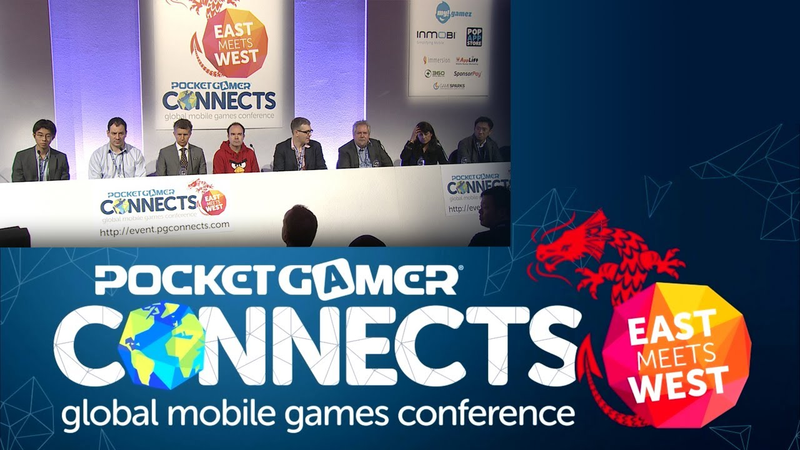
PGC London 2014: The East Meets West Power Panel
Key insights
6 takeaways- 01Developers should prioritize validating core gameplay loops in familiar markets before attempting to navigate the complex regulatory and distribution environments of China, Japan, and South Korea.
- 02Global success is achieved through a strategy of culturalization and territory-specific platform integration rather than uniform global launches.
- 03Modern mobile game development requires teams of 10 to 20 professionals and budgets between $1 million and $2 million to sustain the live-service operations necessary for competitiveness.
- 04Smaller, agile teams can remain competitive without massive marketing spends by fostering direct relationships with their player base and focusing on sustainable growth.
- 05The industry has shifted from a release-based model to a sustainable live-service framework that prioritizes long-term player engagement over one-time acquisition.
- 06Future industry success depends on the integration of real-time social interaction and sophisticated live-service management into the core product.
Ask AI about this video
Transcript
this is this is what i'm calling the kind of global power panel here you have um people representing lots of markets lots of interests lots and lots of dollars um um so what i'm going to very quickly do just with just is to allow them to to quickly introduce themselves very quickly those that haven't spoken yet and and to answer the question um is there such a thing as a a global strategy is it such a thing as having a making a global game that can succeed kind of globally so we'll start from the uh from the far here i can see end here hi everyone this is andy so andy sorry i'm ceo and founder of farm plus farm plus is a social and mobile developer based in asia it's one uh it's probably the biggest one um outside of the china we have around
6 million daily active users in facebook and mobile we have around 250 people spread it in beijing san francisco and vancouver thank you hi um i'm kill lee from gaineville usa i'm president of gaineville usa gaineville's been doing mobile games since 2000 so we've been around for a very long time and so we currently have if you include include all of our affiliate companies we have around a thousand employees around the world the way we look at the global market is uh we look at it four different markets uh the uh the korean market where we're headquartered japan china and then the rest of the world is the way we look at it we have offices for the for those reasons in those four territories and uh we're trying to source games from all over the world to to do uh global
penetration properly hi everyone my name is deepika i consider myself as a social mobile gaming enthusiast i've been in the helm of social and mobile since the very onset of facebook and ios and i've been with on the developer side as well as on the publisher side and the advertising side um i've been with tap joy play first capcom mobile and my recent two days ago i've moved to another company called red link so i come with a varied experience on this space and platform in terms of the global game strategy i believe that one has to focus on looking at what exactly your game genre is and whether it's casual or hardcore or mid-core and then consider what kind of target markets you're going to go after i believe knowing who your target market is very important in your
game strategy and if it's there it's relevant to the whole wide world yes it makes sense but if it is something that's a niche product you need to think about what kind of characters localization and things like that you need to put and one of the conversations that i have recently had there was a term that came out which was culturalization and i really believe culturalization to certain game genres makes a whole lot of sense thank you hi i'm steve gray i'm actually head of production for a tencent game so i oversee our product pipeline in games for both mobile and pc and whatever else web games i'm sort of doing doing double duty and biz dev a little bit lately i think that for tencent um you know right now our focus really still is on china so in terms of global strategy what we're interested in in doing a sourcing product because we think that you know there's
great product all over the world and and while some products do um you know have elements of them that are are culturally obscure say to other other cultures right like there's there's games in china that are very very focused on you know chinese history and say the three kingdoms era like there's a lot of those that if you exported them to the rest of the world people might not have very much context for why those characters are there and why they do the things they do so they might be difficult um but in general i think gameplay itself like game mechanics are not very culturally specific you know something that's fun for somebody in one part of the world is fun for somebody in another part of the world so it's really a question of the content that's wrapped around it and that isn't to say by the way that all content should be sort of somehow globally homogenized i think that would that would be a horrible idea right i mean um but uh it is something to watch out for when you're thinking about where you're going to release your products i think that in terms of tencent's own strategy
in the rest of the world obviously you can see that that we're trying to launch wechat all over the world in terms of the rest of it i i don't think we're really really in a very good place to say i think over the next year you'll probably hear various people at 10 cent talking about what we'd like to do ourselves outside of china so thanks cool you obviously well peter do you have a view on the uh angry birds uh obviously as a global smash so do you think it you know and you is it do you agree that you you know you can be a global games publisher is that is that a ambition or should you be more kind of local focused that's kind of a question i was asking i think that you can definitely be global but of course you need to take into account kind of like local uh characteristics and and again i mean i mentioned uh another great red brand coke they're everywhere but coke is not exactly the same everywhere so they also kind of have to take into account you know doing different things in china
than in the us you know so i think that of course you can you can run a global business and you can be a very global company in games and i think games is uh and and all of entertainment it's a very very global business by nature but it doesn't mean that you take this you know like one-size-fits-all approach and and kind of you you need to kind of be smart about it and uh again you know uh uh that's why why again i travel a fair bit because i need to know what's going on in you know china and japan and korea and and the us you do travel a fair bit um so yes i mean tommy you spoke a little bit earlier about this already but i mean i mean king are a global company and and and candy crush is similar all over the world do you think that's an outlier we'll get guys there sorry do you think that things like candy crush and uh clash of clans hate etc do you think they're outliers or is that going to be the future where these single games will kind of dominate everywhere well i think if the the if the core
it's gamepl universal fun is fun all over the world if it's if it's in that core mechanic if it's a bigger game with a story and characters then it becomes another uh beast okay so olly um would you like to introduce yourself and obviously you've got a different perspective so yeah what do you think do you see there's going to be more and more kind of global global successful businesses or are you seeing a lot more local successes that don't translate um hello everybody i'm ollie bernard from uh app honey um so yes i mean um i would agree with a little bit of uh king and rovio um it depends it depends of your core mechanic obviously on each game but also the attention that you pay to uh what's your strategy to go around the world and you you like to go to china first do you go target western countries first and you have to trigger some things within your games to have a
proper strategy uh first and then you become truly global you don't becoming global just by launching everywhere and just hoping the best is is happening because you have a very good core mechanic for example you need to have a strategy you need to understand where to go um i have launch plans etc i mean it's pretty basic what i'm just saying now but it's it's very important and we see some um some very successful guys who who are very good in some countries and then um you know grow in asia or the opposite you know grow in in the western world and then grow in asia yeah okay i'm very you're a successful developer as well i mean where do you set out with a kind of global a global approach when you're making a game or do you think this is going to be released everywhere and you just what's your kind of approach sure um so maybe i introduce myself first um my name is perry tam i'm the ceo and co-founder of storm8 so for
those of you who might not know stormy stormy is a game developer we developed over 40 titles and we self-develop all of them and we publish them as well and one thing that is on top of developing games we is we are also one of the largest gaming network on mobile we have over 50 million of the active users in our network and we have been around five years now we started in 2009 and before that i work at facebook and help them with their facebook credit stuff so kind of go back to answering your question uh chris there it's um i i believe there's uh uh you know definitely from stormy's perspective we're a global company we look at the world globally uh when when we launch a product we also want to tap into the global opportunity but i think one thing to keep in mind is that you always want to make sure you launch something that at least work in your local market
right and you prove out the mechanics you prove out that the game actually has a great appeal and then you kind of start getting into uh how do you get it global and the the i think the key there that you know we start with less than 10 people uh five years ago and then now we have over 250 employees uh toward a cellphone bootstrap company and the way that we kind of did that is um you prove out the mechanic you find the right game but then figuring out how to distribute in each one of those one one of those regions is really hard you know uh for the reason that kav steve pointed out in his earlier slide there's so many app store in china right so figuring out the chinese market is tough and it goes the same to many different regions so just don't take things for granted i think that's the key thing you have a game that works that's kind of your entry to the game that's your your admission ticket the real cross is can you crack the code of distributing worldwide okay
so um i've got a fair few issues to get into one thing i want to talk about there's a lot of mentions obviously of kind of china and we're going to talk later sessions about china korea and japan and more information about uh publishing in those areas is it fair to say that the the power has kind of shifted now and this is something early you can maybe feed into as well has the kind of power shifted because obviously the western kind of markets have been you know ios and android been driving things and now it looks to me like china japan and korea are calling the pace do you see that from your side from from mapping do you see that's the way it is now that's kind of almost the first place to go um well yes and no um that's fine you can be nuanced um we see obviously china south korea and japan doing extremely well um especially on on google play but also ios i mean china is number two in download uh in november and december for for for games on ios
so i would say depends again of your strategy if you want to make money on on google play yes you have to address south korea if you want to make money on ios well you have no choice you have to address the us yeah so so it's not that simple yes asia is growing yes if you put japan south korea and china together they're probably bigger than the western market but in terms of monetization and you know you don't have to dismiss countries such the us the uk germany france there is still money there and you know on a per user basis if you put japan away you know these guys are still making quite a lot of money in the western world so it's it's android and it's in it's it's traffic and volume in outside of japan in in the asian markets more and revenue still the higher revenues are still kind of happening yeah i would say that's a fair representation you think do you think i mean tommy and peter is that is that did you see that as well is that
backing up how do you look at it i mean you got massive gains and you're obviously putting new games out how important is are the asian markets when you start thinking as part of your kind of your strategy of a new title is it is it published first in europe and u.s and get it get that away and then move or are you just thinking straight away is this going to work everywhere uh well uh at king we've gone out and said that we are interested in growing in the asian markets and we have uh had the approach of uh looking at them and trying to learn what would be the best strategy forward for us and and as i mentioned earlier in my slide with with cacao it was about finding the right uh social network and integrating the game to that i think that it's very tricky to speak about asia's one reason sure i appreciate it's definitely at least you know three three big very important uh markets that work very differently and it's been fun to go to korea and see how different
it is from europe again as a game developer obviously you should work with game that you're very passionate about or and and it's very hard to make games for somebody else that you don't understand really so you if you have a good test market and you should try on so but ultimately you're still very much west build it in the west and then how do we adapt rather than thinking it's not like how this is going to work in in career or housework in china isn't there isn't among those first thoughts when you're developing a new game well we we we do have a try first we we try and in a very early phase we have this recipe for making games where we try just the core mechanics first king.com so so that is something that we can check that the mechanics and the themes is working in in which market and then we could go to that journey so i thought peter before i switch my head on i think that yeah we look at the whole world but again uh yeah you can't look at like asia as asia and i i would say that uh
if you look at what we've done over the last few years i mean our first office outside of helsinki shanghai in tokyo then seoul so we have people on the ground in those markets and i think that there's like no other way to really if you're serious about those markets and of course for us it's uh about more than just games i mean we're we have a big licensing merchandising business in all of those as well so so it's again we have to be there we have to be uh more local than the locals so i mean we want to be more chinese than the chinese companies and same applies like every market yeah okay i mean i guess with this side we're coming from the other side a bit more so obviously you guys you know cue particularly sort of career is your home market you're very dominant very strong there when you're developing games now how how globally do you get think initially obviously you've got a big portfolio it depends game to game but are you thinking what's gonna there are games that we're thinking how they're going to be received in in europe and and us at the same time as how they can be conceived in our home market or you start first in career and
and then sort of change well um in general we try to uh source games that fit certain markets um that's the reason why i'm sourcing games from the u.s market too but um overall as as you saw in tim's presentation you know the asians market asian market is growing extremely fast and i think the best benchmark is look at the traditional gaming companies where they're making their money today like though if you look at the online gaming space you without an asian strategy you're not going to survive i think one of the biggest reasons why companies like ea are struggling is because they they haven't put out a really good asian strat strategy the only western companies that are succeeding today is maybe activision blizzard with or wow franchise and then riot games which is now 10 cent um and and so and if you look at the top grossing online pc games in the world um
all of them are from like the top five are pretty much all from asia and i think the mobile space is gonna eventually come become like that and uh if you just take taking out asia as a picture is is saying uh you're you're just uh reducing the size of your uh max max revenue yeah okay jeff steve tim anything to add to that from your perspective and obviously your massively strong in in china and kind of coming the other way so yeah so i wanted to um you know we've made some experiments in trying to directly build chinese products overseas where we went to you know a group of people who we thought were very good and um and they really wanted to get into china and we said okay we're gonna help you build a chinese product yeah and those projects did not go really very well and i think the reason that they didn't
go really well well is that it's much easier for a group of people to sort of so if you're building any kind of online game whether it's a mobile game or a pc game or whatever it's an iterative process of working with your audience and trying to work with an audience that is foreign to you that that speaks a language that you can either neither read nor write you cannot get on the forums you can't talk to people you can only work through us it's a really really hard way to get through sort of the beginning of that you know of having that communication with your audience and figuring out where to take the product so those those projects didn't really work out very well and i think what we think is that it would have been better for those teams to work in their home markets or work in markets they're more familiar with and then when the products started to get you know heated up and like things were figured out then you could go and bring it to other places and also one of uh
one of you guys said i'm sorry i remember who was who said that it's very important to have a launch plan for each of your territories so you know so you can't just you know we've also tried honestly here's another thing we tried it in work we tried to launch products into multiple territories simultaneously and even with sort of basically unlimited funds that was a base that didn't work i mean it just failed not because we wouldn't could not fund a team that was theoretically big enough to do it it's because the team couldn't do it because it was just too complicated and they're too many pieces moving in too many different directions in different places so i i think that you've got to you've got to start someplace that you know and something that place that it's easy for you to work in and get to the point where you have confidence in which in which the product is really starting to work well and then you can go to other places now i think you could if you wanted to
think ahead about sort of cultural sensitivities and maybe try and like i don't know you know you could if you're an american developer you might not do something that required you to know like who the big gangsters in the 1930s were because somebody in china like they're not really going to know that so if that was somehow key to your game design maybe maybe that part of the content design wouldn't survive that doesn't mean that if you have a super great mechanic you couldn't take that great mechanic and reskin it with some other content and make it work in china but i think that you know given all those possibilities the the getting your game to work at all and getting the core compulsion loops to work and to make people both happy with the fact that they're playing the game happy with the fact hopefully that they're giving you some money um because it's important that those that the monetization of the game be integrated into the compulsion loops of the game in
a way that players feel is reasonable and getting that right is so much more important than everything else don't try and do that some places too far away or that's too culturally removed from your dev team so i think we're all kind of saying the same thing really it's it's you've got to have a global strategy but you've got to get it right like locally first and pick your market it makes sense chris i have another point i think one should also think about a first mover advantage because u.s opened up earlier for the app store i mean there was a first mover advantage and now there are people who already dominate that and then now asia is opening up so there is advantage on the other side because it's not that crowded right now so looking at that i think one has to assess where they're coming from do they have that advantage or not i think as of right now maybe four years ago us was the right move i mean at this point of time the power shift could be if you're looking for more downloads and you want to build a brand and you want to have a mass adaption you probably want to go on
the apac and asian side okay that's really interesting so just to change track a little bit change focus a little bit we've um we um the other track a lot of today and yesterday was about indie developers um i did a we did a session in in the states a while back with the christian sea gastrala who's a guy who is a one of the ceos of glue and he helped with supercell and lots of other things very very well connected guy very smart guy he's an investor now and and he was he was saying that in his presentation he was saying that he thinks we're now in the era of the million dollar game that that is the investment you have to be prepared to make you know if you're at all serious about mobile games obviously you can make games on a lower budget but if you really want to have a crack at this market now one million dollars is kind of where you need to start thinking to spend like and that's that's that's not ongoing marketing that's kind of your initial build a game and and kind of first push is that is like is that fair do you think that that's borne out in your kind of experiences i'll go go back to the corner because andy we've not had a few for a little while so i um i mean i um i
want to add some comments from developer perspective yeah because um fanblast is a pure developer before in the last three years um i mean we have another comment from publishers already but what i feel is really as a developer it really matters it's what you are good at and all because realistically you always always need to pick one market and the one type of game you will start with and then you need to make the matrix really well before you really go global because a different market has different needs for the games you can really like make every games all like candy crush saga all global and 2 billion users like 1 billion users it's i feel realistic because i uh farm plus grows from 10 people to 250 people in last three years so what i feel is most
important for the globalization is when you have the game right for the matrix then you go out to look at two or one or two countries or two or three countries which actually fit your game better for example if you're a pvp game pve game you might looking at chinese market korean market and if you are like a social really social gaming really casual gaming you might do a pure global strategy um and and also i think another thing is really important is really about what the stage the company is right because we went from 10 people to 250 people what we found is at the beginning we always want to try different publishers we want to go global if because we are really small we want earn money we want to use a while and then when we get into some stage we found out if you are actually top three in
in any region like any big region you you can make a big company if you are not top three in asia you are the biggest if you are top three in us you're one of the biggest if even if you are top three in russia i'm pretty sure you are one of the biggest company gaming company right so when we go to the stage which we focus more you want to be leaders in some specific location and then actually when you are the leaders then you really want to go global again because you don't want to miss any territories you don't want to miss anything then i think the last step is really about operation the global operation ability because the most important thing is you build a global team and operation team which can sustainable in the long term because gaming business is is a hit i mean
i i couldn't say it's a hit business but sorry just a lot of people say the hit business but if you want to maintain the sustainable ability you can't like make money from one game for 20 years you basically make multiple gains you want to know the market more then you need a local operation team that's what i mean so if you really want to go global like look at a different stage if you're stage one then you really just try to talk with different people find the possible partners to deal with a lot of difficulties which you can if you stage two then folks to be number top three company i'm pretty sure king is already there so but some of the companies are not there we're trying to do that and then the third one is really build an international really cooperation team with expertise okay and dominate that's good that's that's
that's good that's good sorry that's the previous question but that's all useful from a developer's perspective so from a developer perspective what we're talking about we also talked about the kind of the the cost of of making games now i mean what what you have like a price range that you can offer like is a million dollars is that like a thing that makes sense to you or is that do you think that's way too high is that as the average kind of cost of producing a mobile game obviously it's going to vary slightly but you know now that we're all free to play and it's a service rather than a one-off thing i mean um i think it varies it varies in the market so because we focus a lot in the western market yeah so the way we build the games is um it's not we're not really putting like 10 10 million budget for that usually what we do is we put actually great people uh we try to hire like organize compose a team with 10 to 15 people of course the salary matters yeah it's definitely over millions one
million that's for sure but it's not like 10 million and like the console game i feel it's it's definitely affordable it's really about how you can find the best people for this type of game because some people might really good at shooting games some people are really good at social games uh some people it's great at this kind of synchronization games yeah then find the best team for the game you want to make okay yes cue do you have any view i mean like from a figure i know i don't want to you know obviously games changes but is that is those budgets reasonable so um so when we work with uh developers and in the past uh we used to work with all different size developers like we even signed deals with develop a two-man shop too no there was a actually a one-man shop too but nowadays if you if you ask me if i'm gonna sign those deals i'm not gonna sign them because uh last year the biggest change for us is that we've been changing from a
product to a service company and the live operation is becoming more and more important extremely important in order to sustain uh the longevity of the of the game and in order so if a development team can do properly proper live operations for mobile i think they should be at least of of 10 10 team so most of the deals that we sign um uh if you look at the developers uh they're usually a 10 to 20 person team i think that's the ideal size that we've been working with and um i think for that same reason uh the development budgets have been going up a lot i think up till launch um in average uh we're spending at least two million dollars on a product these days okay you know i'm you don't have to interject if you don't want to it's fine um very quickly i just wanted to share an
insight i'm from the us and i'm finding it so interesting that over here people talk about asia a lot in the us somehow we have this blind spot that i'm seeing is that we don't talk a lot about asia and it's very exciting when i'm looking at this conversation from that point of view and i think that also comes into the picture when we're talking about development cost because we're looking at really building games for the market that we are in we're not really thinking more about how we're going to distribute them across different regions so when we're looking at building a game i think one of the things that has worked out for some of the development deals that i've done is um i've come to believe that for a mobile game just purely a development budget is not enough you need to sign up on a marketing budget as well and purely uh just building the game won't get you far so you need to kind of start putting in
if certain marketing elements to it and if those when you launch the game you meet those thresholds you can then re-evaluate your development budget it's just become like you said like a live operation it's not like you can bake the whole game and then sell it for a certain amount of units for a certain volume that console mentality is kind of shifting to a more mobile mentality where what i call it and i've heard from a few of you folks is like the previous was like the hollywood version you had to make the whole film and you threw it out at the box office and see how it did now we are in the tv series with the mobile we build episodes and we as we go along we see how those episodes are faring and then build more content so i think that's the analogy of when you're looking at putting into your development budget okay um so any thoughts on the the budgets anybody disagree with like a million plus over there
um so i actually agree oh sorry go ahead well i was just gonna quickly echo what i think everybody else said which is that um when you're building an online game whether a mobile game or any other game what you're doing is building the foundation of your service and you then have to have enough money to operate that service until it's profitable i think it's it you know when we're seeing development budgets the amount of additional money needed to make the service profitable is probably something like 50 to 100 percent of what the original development budget was so if you're not giving yourself that amount of runway um you're probably going to crash and burn before you can generate enough money from your service to support yourself um yeah and and yeah i totally agree with uh what have been said about you know getting getting the game out and then you know the cost of it and i particularly want to highlight yeah we're in the age of like making games as a service so you know exactly what the uh deepika
was talking about is that um you can actually build a game and then build it with two level three level i don't know like build up to 10 level per se but don't build all the content into it until you think that oh this is this is going to work and so that heavily reduce your investment upfront the other thing that you want to also look into is to make sure not just do it and then you know even if it works and go back and build more that's something that you should do but also think about how you can exponential growth your game because nowadays we're talking about you know all these app stores where you can touch many many users in a matter of seconds minutes and all that good stuff so you really need to line up your distribution mentality once you think your game is going to work out so i think those are way more important than thinking about you know just how how long you would have to spend your time making that one game but
on top of that is after you made it how do you make this uh best game that you're made the most success you can um push it up to so i think those are very very important okay i've got loads more questions but um we haven't got loads of time so i'm gonna throw this open now to to the audience because there's some very high-powered knowledgeable smart guys here so i'm assuming there's going to be some questions specifically to uh to all of them or one or more of them we've got a mic coming on put your hands we've got a question it's early over here gentlemen there you go i have to sorry yes michael michonne try again try again um so chris i like your question to make it easier for the panel can you put your hand up if you think you need now to spend a million dollars on a game so everyone on the panel if you think you need to put pull more than a million in a game now to make a
good mobile game so just hands up off the panel just the right hand side not the left okay answers the question brilliant okay i can elaborate a little bit while we find next person i think that this is since there is so many players available i definitely think that there is still room for a lot of uh like um smaller games company like uh mujang or or mediocre some of my favorite swedish guys who found a a fan gathering and they are communicating directly with them and they don't need to be on the number one chart to to make enough money to sustain a car that's a very fair point it's not necessarily just about that i just wanted to add on this is like if you always look at the top five and there there's very little chance that you get you go in it in any country however there is still money and our data shows that you know you don't have to be in the top 20 to make
money you can be in the top 100 and still make money so you don't need and you know a game that has 2 million dollars investment to do that but again fewer and fewer streams are getting their money back which is uh yeah i i just think that uh you know why i didn't put my hand up is that i think that it's uh massively oversimplifying you know like if you can't think okay million is it enough or two i mean it's like how much does it cost to build a good website you know like you know it's it's it's again like you know the whole thing there and and then there are like brilliant people out there like one guy you know like take andres iligar you know tiny wings great game one guy and few friends so so i think that it's it's it's again uh of course it's not easy but having a million dollars for a game is no guarantee for like anything and and i think that the game itself is just a start and then it's it matter like it really depends on what kind of approach
you take it's it's it's again like with the website that yeah i'm sure you can build a good website for like a million but you know there's no guarantee that it's going to be any good and the same for games for anything okay any more questions from the audience i've got one final question oh there is like okay hello i'm patrick from loop me question to stephen um stephen you were talking about um multiple app stores in china so distribution you have probably have to tackle different app stores and you you have probably your your own app store through wechat as far as i understand how do you see this evolving in europe or in the us you see a kind of a fragmentation in terms of the the app stores also happening over here are you probably gonna help it to get there uh through wechat as well whoa i'm actually probably the wrong person to ask that question but i will
try and answer it i mean i think that um well i'll answer the the the china china part of the question so you know we have we have qq mobile which we operate mostly as sort of an app store environment and we have wechat which we're trying to operate as a more highly curated environment where there's not really going to be a lot of games and we're going to really try and manage the set of games on there i think in you know i think that in the in the western world so in in north america in um in europe uh it seems like it seems unlikely to me that there would be some sort of big fragmentation of the market and there'd somehow be all this crazy stuff going on um i also think that so many of the things that you need to operate a game in the west have become commoditized so you know you don't need a platform operator to do payment channels because you can go rent them you don't need the platform operator to do metrics because you can go get somebody's metrics package i think in the emerging markets
um there's still a big mess and it's going to be for a while probably still necessary to work with strong local platform operators in those markets because the the commodities to do payment channels for example won't be there you know how how wechat turns out in the whole global market and where it goes and whether it stays a curated environment or becomes more like an app store um yeah okay and whatever i tell you is probably wrong so i'm gonna be safe and say nothing okay we're gonna have to wrap this up i'm afraid these guys around to ask questions and ask for one last statement very short from each of you about what you think key the key thing 2014 keep it advice key uh key trend what is 2014 what are we going to be talking about next year that happened this year is it about asian growth is it about consolidation to 10 5 super publishers is it is it really strange noises appearing
mysteriously um is it the key things about training one prediction one picture about prediction for just anything yeah so i think there will be more games that can make a million a day in 2014. cool what we can see probably for 2013 is the rise of google play and emerging markets well i already but my five cent is i'd rather have a great team than a million dollars if i'm gonna make a hit fair enough yeah i think that this year might be like when mobile really takes off i think mobile will be big steve you have one one prediction one prediction um the emerging markets will emerge and faster than anybody thinks okay fair enough we'll talk about like that's coming on the emerging markets or the last track of the day i think that uh we'll have
um interesting growth of demographics on the mobile especially coming up with kids games and more games which probably don't suit the hardcore gamer okay for more casual gamers cool i agree with all the before to add something i think more connected games more advanced connected games cool and last but not least um i have two points one is um social real-time social interaction yeah and the community gains combined with pve and pop will be a train another one is the team who can run the service and also dedicated can win more than one million per day fantastic okay got a big round of applause for our panel thank you very much
Summary
Global game development has transitioned from a traditional release-based model to a sustainable live-service framework, necessitating a fundamental shift in how studios approach production and market entry. While core gameplay mechanics often possess universal appeal, achieving international success requires a deliberate strategy of culturalization rather than a uniform global launch. Developers are advised to prioritize local market dominance and validate core loops within familiar territories before navigating the complex regulatory and distribution landscapes of Asian markets like China, Japan, and South Korea.
The economic reality of this shift is significant, as the rise of live operations has increased the baseline requirements for competitive mobile titles. Modern development now demands teams of 10 to 20 professionals and budgets ranging from $1 million to $2 million to support ongoing content updates and community management. Despite these rising costs, high budgets do not guarantee success. Smaller, agile teams can remain competitive by fostering direct relationships with their player bases and focusing on sustainable growth rather than relying solely on top-chart placement or massive initial marketing spends.
Looking toward the 2014 landscape, the industry is defined by the rapid expansion of mobile markets and the growing influence of platforms like Google Play. Future success hinges on the ability to integrate real-time social interaction and sophisticated live-service management into the core product. By balancing universal gameplay with territory-specific platform integration and localized content, developers can effectively bridge the gap between Eastern and Western markets. Ultimately, global reach is not an accidental byproduct of a release, but the result of a calculated, iterative strategy that prioritizes long-term engagement over one-time acquisition.




















Comments