Marketing reports and market data
Documents
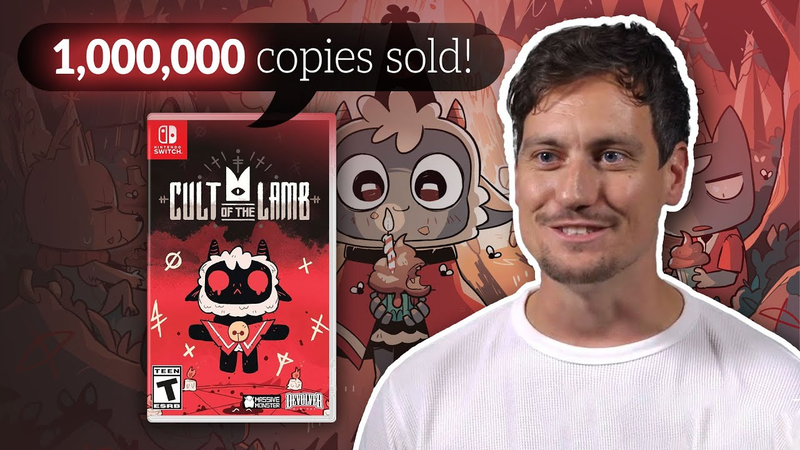
How This Game Dev Sold 1,000,000 Copies of His Game (In A WEEK) — Full Time Game Dev Podcast Ep. 007
The commercial success of Cult of the Lamb, which achieved one million sales within its first week, serves as a case study for the efficacy of high-concept game design and agile production methodologies.
- Massive Monster achieved over 1,000,000 sales of 'Cult of the Lamb' within its first week of release.
- The development process for 'Cult of the Lamb' relied on brutal iteration and A/B testing systems rather than following a rigid, pre-written game design document.
- The team utilized three core design pillars to guide development, ensuring every feature and decision reinforced the game's central vision.
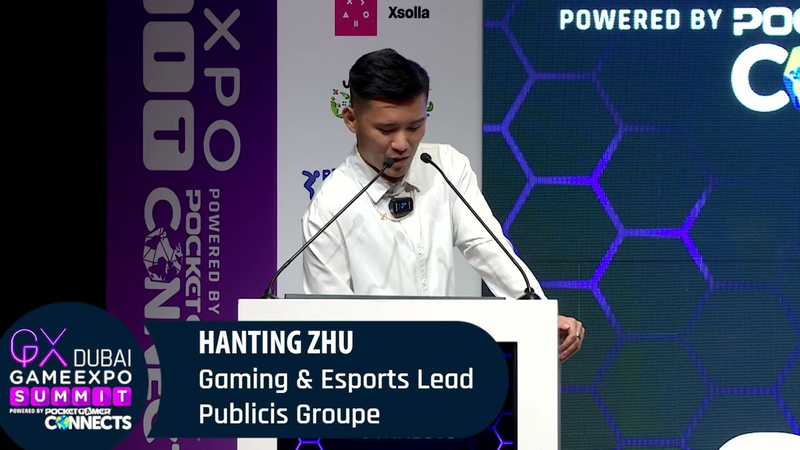
For Every Gamer: The Synergy, Value, & Future - Hanting Zhu
Hanting Zhu, Gaming and Esports Lead at Publicis Groupe Middle East, outlines a strategic framework for integrating brands into the gaming ecosystem.
- Successful brand integration in gaming requires moving beyond traditional advertising to create authentic, value-driven connections that prioritize the gamer's experience.
- Brands should leverage specific gamer insights to address real-world pain points, such as the KitKat campaign that provided branded controller protection kits to mitigate player frustration during 'rage moments'.
- Effective gaming marketing must utilize a full-funnel approach that tracks a spectrum of metrics, including brand sentiment, DNA alignment, engagement, and conversion data, rather than focusing solely on awareness.

Preview Of 2023 Review
The 2023 Steam indie market review provides a comprehensive analysis of sales performance, genre trends, and market shifts within the independent game sector.
- The 2023 Steam indie market review analyzes sales performance data to identify trends in top-selling titles versus underperforming games compared to previous years.
- Key genre analysis includes the sustained popularity of titles like Vampire Survivors, the resurgence of 2D Platformers, and the emergence of new hits in previously stagnant categories.
- The report identifies specific market themes for 2023, including a rise in co-op games, a decline in party games, and emerging trends in capsule art design.
Mega Studio’s Adam Jaffe On The Impressive Benefits Of Incentivised Traffic
Incentivized traffic has transitioned from a low-quality acquisition tactic into a sophisticated, high-performance channel capable of delivering retention rates 40% higher than non-incentivized cohorts.
- Incentivized traffic can drive retention rates that are 40% higher than non-incentivized users by creating a 'railed environment' where developers can guide players through specific, high-engagement paths.
- The responsibility for incentives has shifted from the game developer to the publisher or media company, which now often provides direct rewards like gift cards or vouchers to users who reach specific in-game milestones.
- Incentivized traffic serves as a critical data signal that allows developers to understand exactly why a user downloaded a game, enabling more precise benchmarking of LTV and behavioral patterns compared to organic or non-incentivized traffic.

Define Your Audience Now, Not Later
Strategic success in the modern gaming landscape requires a departure from speculative development toward a disciplined, audience-first methodology.
- The annual release of over 11,000 titles on Steam renders the traditional strategy of building games in isolation and relying on organic discovery commercially unviable.
- Developers must proactively align internal design goals and core keywords with established player expectations and platform tags to ensure market viability.
- Strategic development requires integrating three foundational pillars: comprehensive design documentation, rigorous market research, and a consistent brand voice.
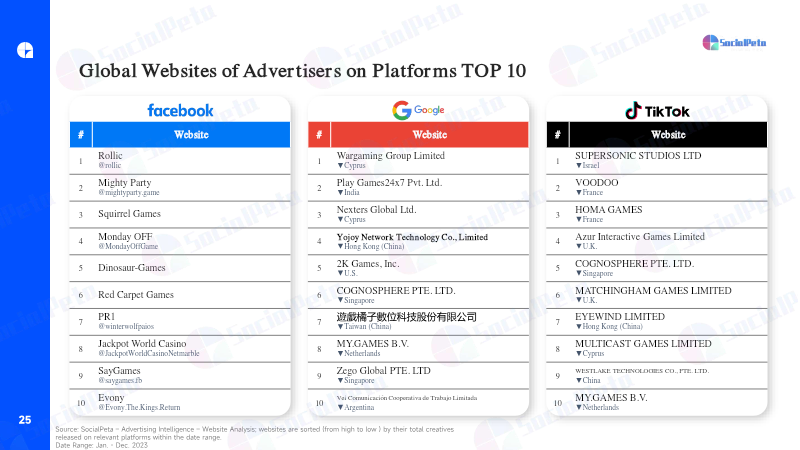
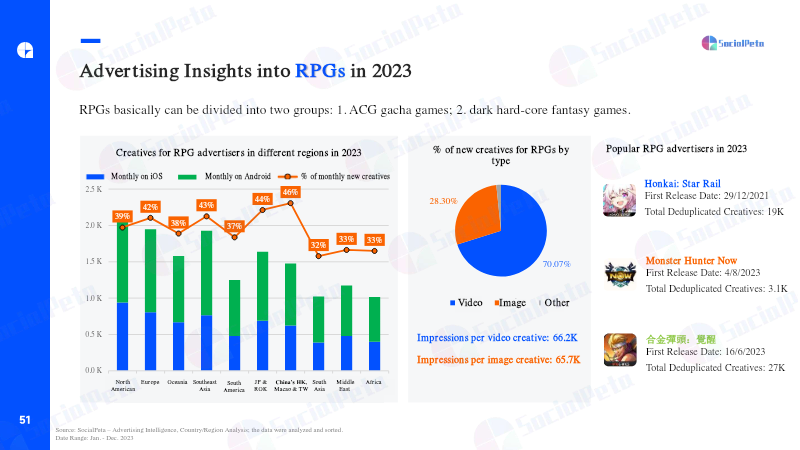
2023 Global Mobile Games Marketing Trends White Paper
The global mobile gaming landscape underwent a significant transformation in 2023, characterized by a strategic shift toward the hybrid-casual model.
- The mobile gaming industry shifted toward a hybrid-casual model in 2023, blending hyper-casual accessibility with mid-core monetization to stabilize revenue through combined in-app advertising and purchases.
- Monthly active advertisers surged by nearly 50% year-over-year, surpassing 40,000 globally as competition for user acquisition intensified.
- Video ads remain the dominant format, accounting for over 76% of total impressions, while AI-generated image creatives are increasingly used to mitigate rising acquisition costs.

How This Game Dev Sold 50,000+ Copies of His Game — Full Time Game Dev Podcast Ep. 006
Achieving commercial success as a solo game developer requires a disciplined synthesis of creative passion, technical versatility, and market-driven pragmatism.
- The developer of Cultic achieved commercial success by selling over 50,000 units through a strategic blend of creative differentiation and market-driven pragmatism.
- Visual identity serves as a strategic tool; the developer utilized a 3D-to-sprite aesthetic to mask technical limitations while ensuring the game stood out in a saturated market.
- Transitioning to full-time development required a disciplined 'second shift' approach, balancing a full-time job with dedicated late-night development for over a year before securing a publishing partnership.

3 life changing UA tips from 2023, how to revert ad apocalypse? Review Radar vol 3 (#95)
The mobile gaming industry is currently navigating a period of significant structural adjustment, characterized by a shift toward rapid creative iteration and the optimization of monetization stacks in response to declining ad performance.
- Regulatory and platform changes in 2023 caused eCPM drops between 15% and 45%, necessitating a shift toward more aggressive monetization and creative optimization.
- Integrating hyper-casual mini-games directly into core products helps align creative assets with gameplay, effectively reducing user churn.
- Publishers can increase total ad impressions by up to 20% by embedding placements within live-ops events that offer progression speed-ups rather than resource-based rewards.
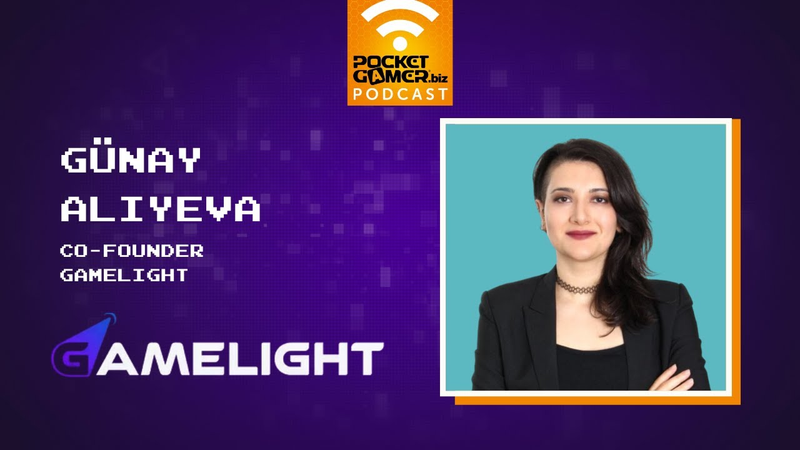
Gamelight’s Günay Aliyeva On The AI Algorithm That Revolutionises UA
Gamelight, a mobile advertising company, utilizes a self-learning AI algorithm to optimize user acquisition (UA) for mobile game publishers.
- Gamelight’s self-learning AI algorithm optimizes user acquisition by targeting players based on granular behavioral patterns like in-app events and progression rather than traditional demographics.
- The platform can deliver up to a 4x uplift in average revenue per user (ARPU) within days of implementation.
- Gamelight captured nearly 12% of global ad spend in the match-three game genre within its first year of operation.
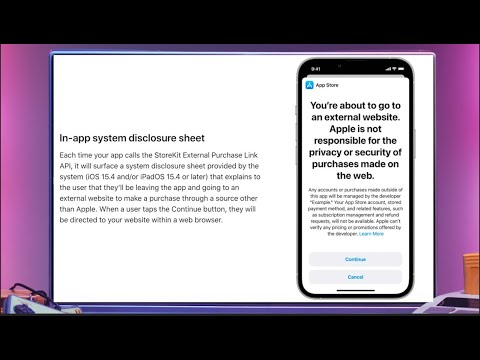
Apple vs Epic Special: 27% fee, new guidelines & creative solutions with workarounds
This analysis examines the recent shift in Apple’s App Store policies following the conclusion of the Apple versus Epic legal battle.
- Apple now allows external links for in-app purchases in the U.S., but imposes a 27% commission fee on these transactions to maintain revenue.
- The new policy may be more expensive than the standard 30% App Store fee because developers must also pay external payment processors an additional 3% to 6% transaction cost.
- Apple mandates 'scare screens' that warn users they are leaving the secure App Store, creating friction that developers argue significantly lowers conversion rates.

Games Marketing Predictions for 2024 with Eric Seufert
Microsoft is poised to challenge the mobile gaming duopoly in 2024 by leveraging the European Union’s Digital Markets Act to launch a proprietary mobile app store.
- Microsoft is positioned to challenge the Apple and Google mobile duopoly in 2024 by launching a proprietary app store, potentially utilizing Activision and King’s user bases to support a new advertising product.
- Official app stores will retain market dominance despite the Digital Markets Act, as high processing costs and platform-imposed friction limit the adoption of alternative in-app payment systems.
- Mobile game developers are increasingly shifting revenue to direct-to-consumer web stores to bypass platform commissions, which creates a discrepancy between public revenue data and actual industry performance.
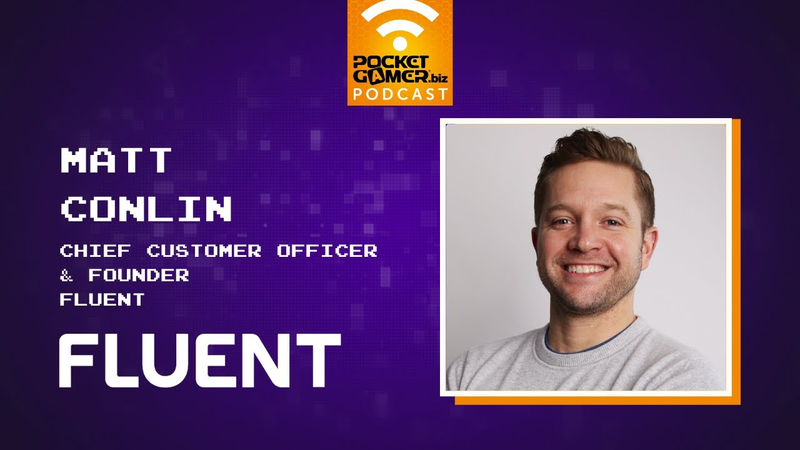
Fluent's Matt Conlin On Game-Changing User Acquisition Trends To Watch In 2024
The mobile gaming industry is undergoing a fundamental strategic pivot in 2024, moving away from a growth-at-all-costs mentality toward a model centered on profitability, shortened payback windows, and long-term return on ad spend.
- Mobile gaming strategy in 2024 has shifted from growth-at-all-costs to a focus on profitability, shortened payback windows, and long-term return on ad spend.
- Rewarded discovery platforms are now a primary driver of sustainable growth, with users acquired through these channels being 50 percent more likely to make in-app purchases.
- Users acquired via rewarded ecosystems demonstrate a 65 percent transaction completion rate, proving their efficacy in fostering both immediate revenue and long-term retention.