Marketing reports and market data
Documents

Securing Competitiveness in Human-Creativity-Driven BGM Production in the Age of AI-Generated Music: South Korea
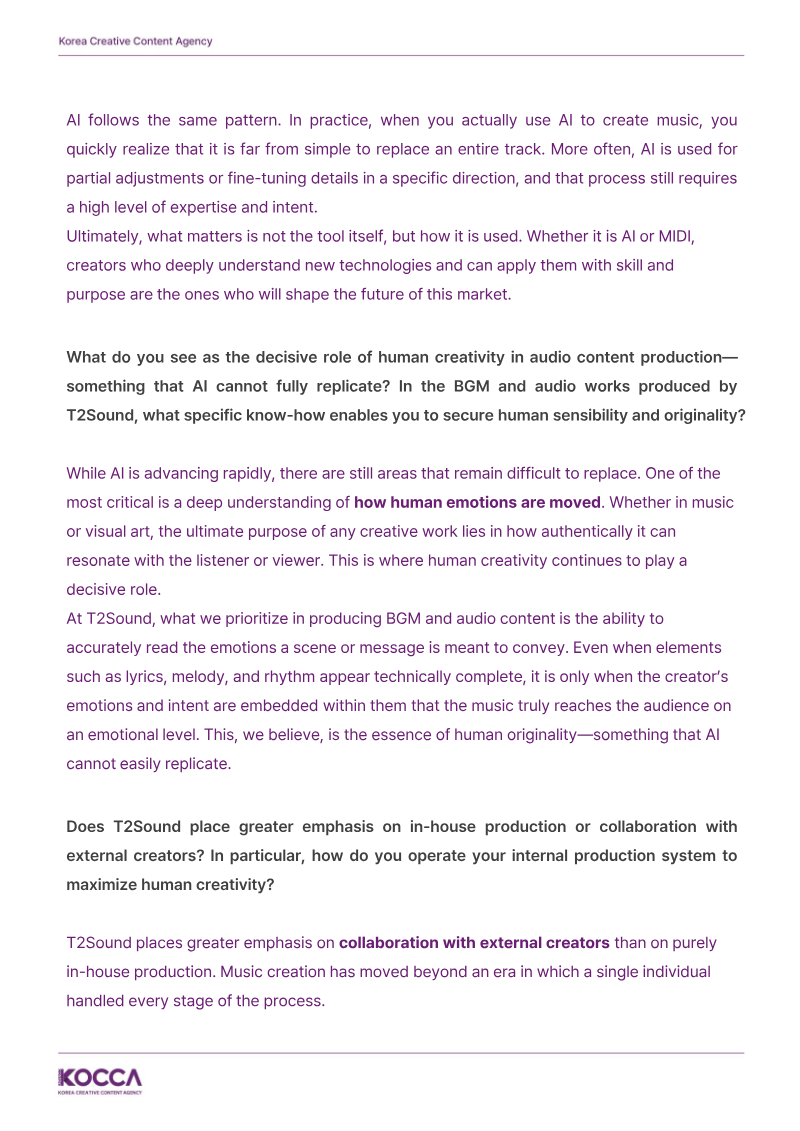
The interview with Hong Eun-Ji, CEO of T2Sound, examines how background-music (BGM) producers in South Korea can preserve competitive advantage as AI-generated music becomes increasingly affordable and rapid.
- Human creativity remains the primary competitive advantage for BGM producers, as the ability to convey authentic emotion and intent cannot be replicated by AI.
- T2Sound maintains market competitiveness by prioritizing meticulous mixing and mastering to ensure high-quality emotional resonance, rather than competing solely on speed or cost.
- Global demand is shifting away from generic background music toward tracks with distinctive sonic signatures, with Korean BGM gaining traction due to its unique emotional texture.

Strategies for Creating Global Hit Formats: Exporting and Localizing K-Broadcast Formats
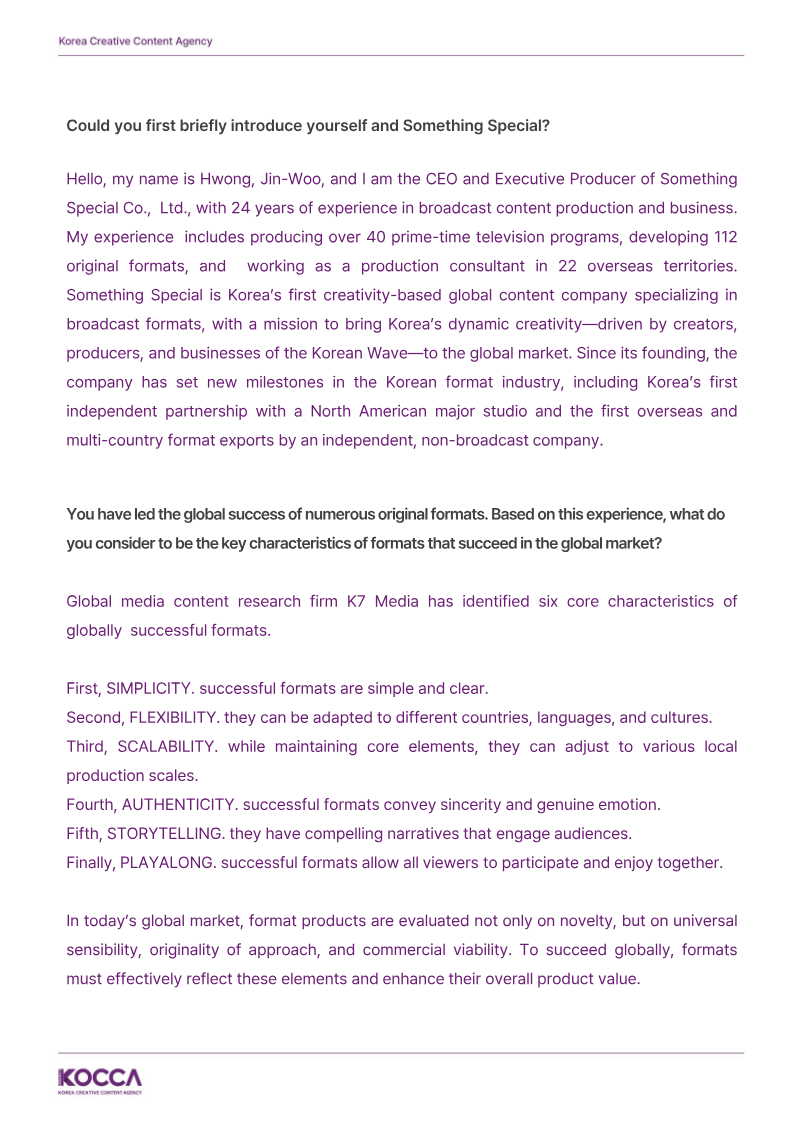
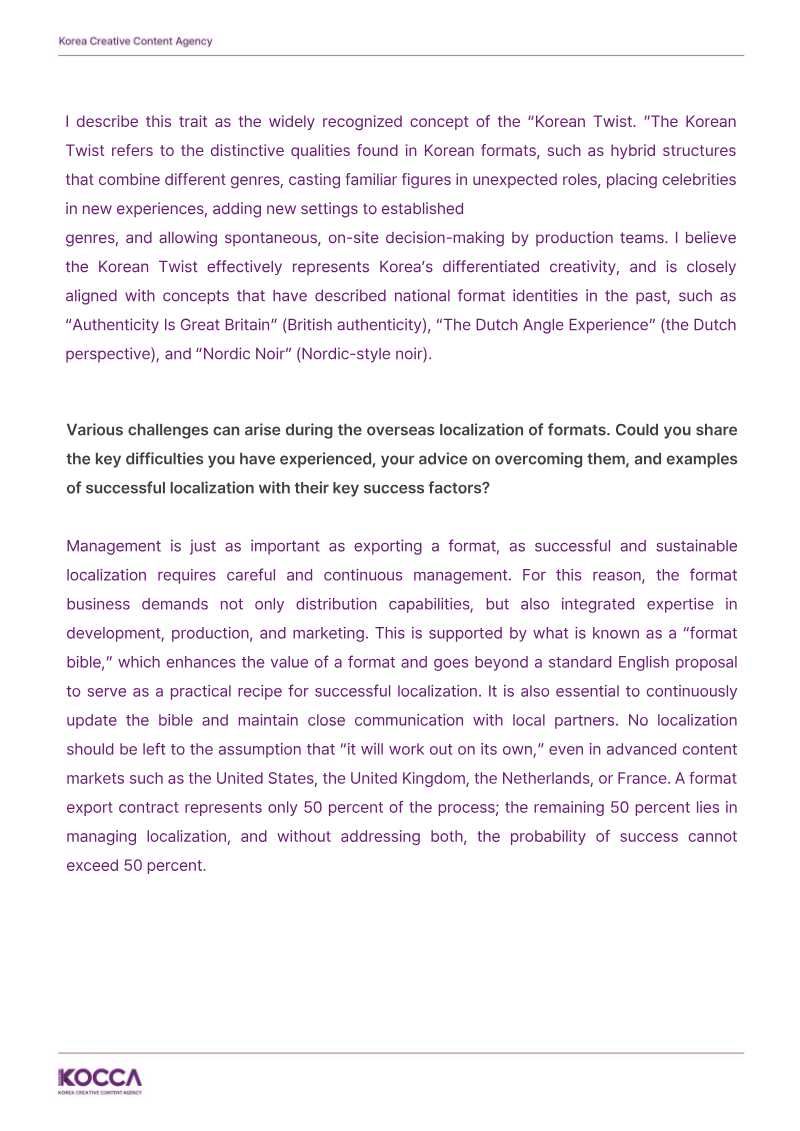
The interview with Jin-Woo Hwang, CEO and executive producer of Something Special, outlines a strategic framework for turning Korean broadcast formats into globally successful products.
- Successful global format export requires a proactive strategy of deliberate localization rather than relying on passive inbound interest.
- Core attributes for cross-cultural success include simplicity, flexibility, scalability, authenticity, compelling storytelling, and play-along participation, often enhanced by a 'Korean Twist' of genre-blending.
- Protecting intellectual property is essential and should be managed through the FRAPA Format Registration System, detailed e-trail documentation, and the creation of a comprehensive 'format bible'.

Influencer Marketing for Brands
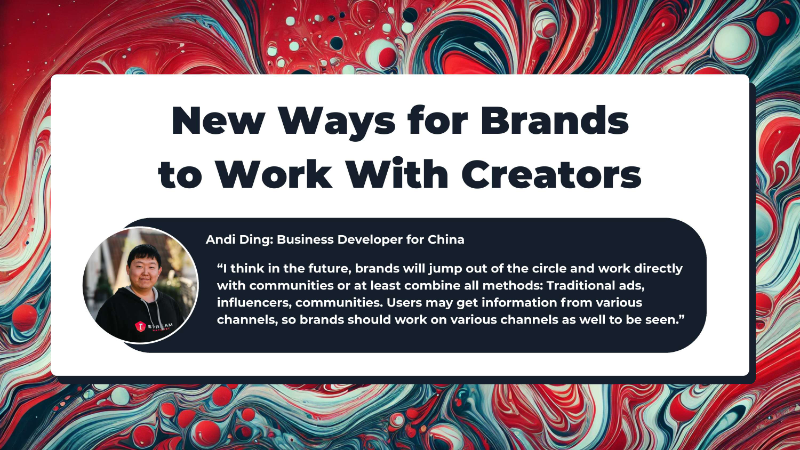
The gaming creator landscape has evolved into a primary cultural driver, with Gen Z and Alpha audiences now prioritizing streamers and digital personalities over traditional celebrities or professional athletes.
- Gen Z and Alpha audiences prioritize digital creators over traditional celebrities, requiring brands to shift from disruptive advertising to seamless integration within creator ecosystems.
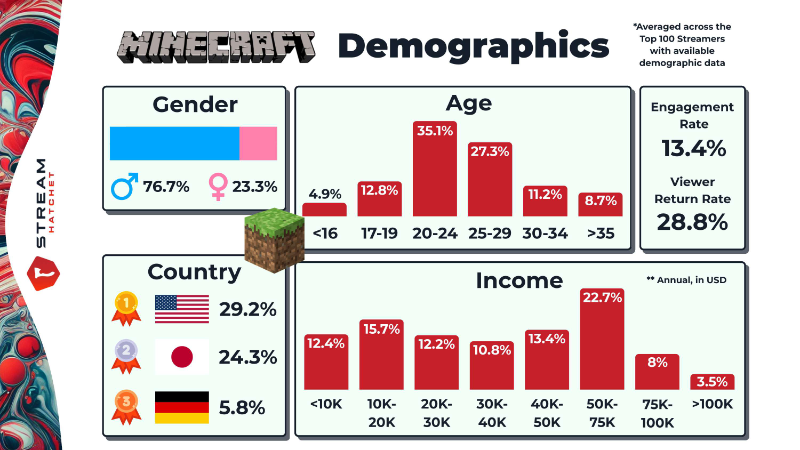
- Long-term ambassador programs and interactive live events in titles like Minecraft and League of Legends yield high interaction rates ranging from 13.4% to 31.8%.
- Roblox has doubled its monthly viewership to 400 million users, highlighting the growing importance of immersive environments for fostering authentic connections with digital-native demographics.

The Power of Marketing Mix Modeling
This analysis explores the transition from traditional last-touch attribution (LTA) to next-generation marketing mix modeling (MMM) within the mobile gaming industry.
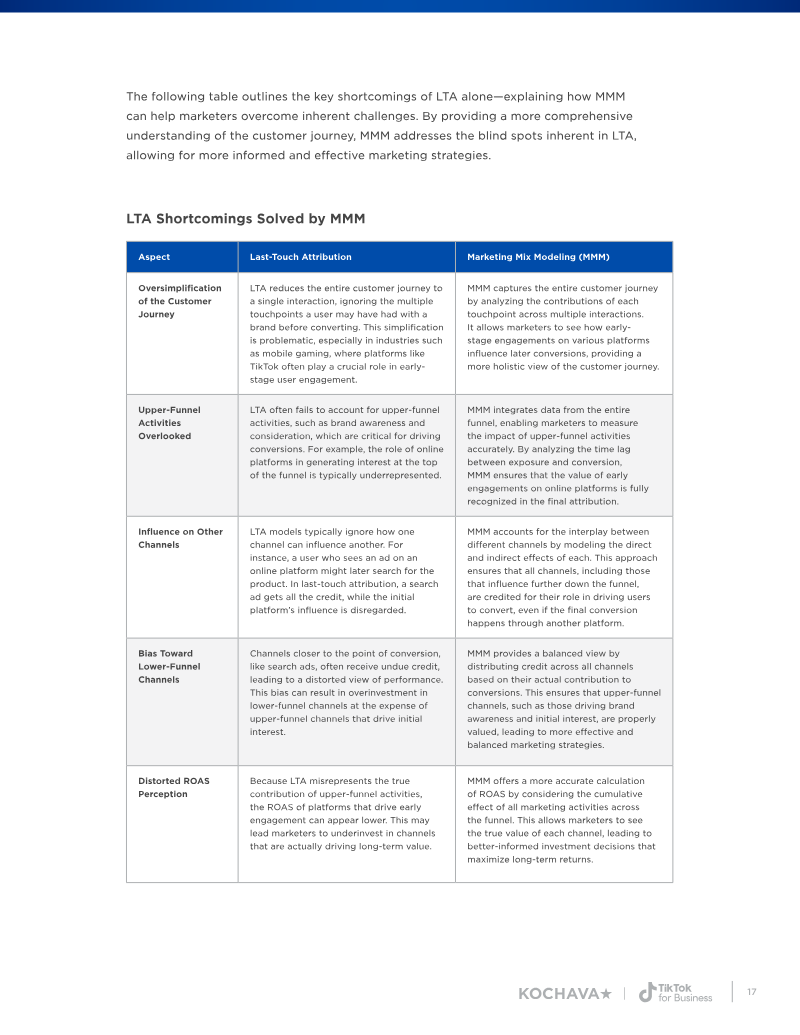
- Marketing Mix Modeling (MMM) provides a more accurate view of incrementality than last-touch attribution (LTA), as evidenced by a case study where MMM attributed 43% more Day 7 revenue events to TikTok at a $5,000 daily spend.
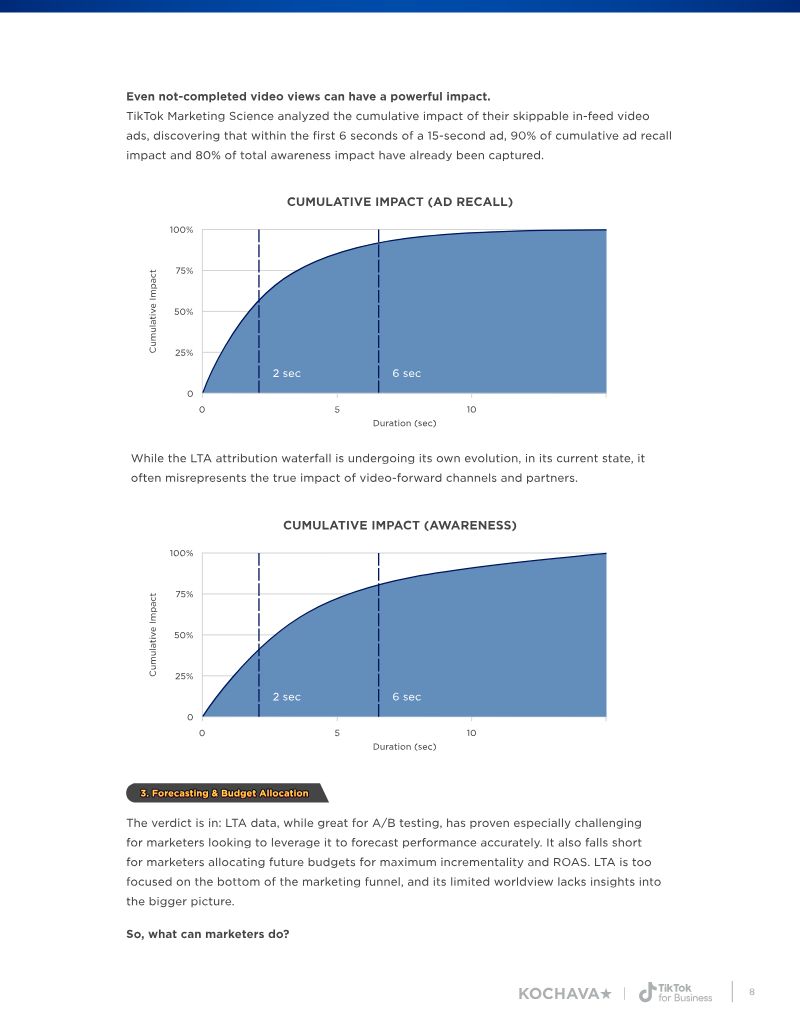
- Traditional LTA is increasingly inadequate for mobile gaming due to privacy regulations like Apple’s AppTrackingTransparency and a systemic bias that undervalues top-of-funnel media.
- User acquisition costs in the gaming industry are projected to exceed $130 billion by 2025, necessitating more sophisticated measurement tools to manage rising expenditures.
2025 Global Mobile Game Marketing Insights & Creative Breakdown
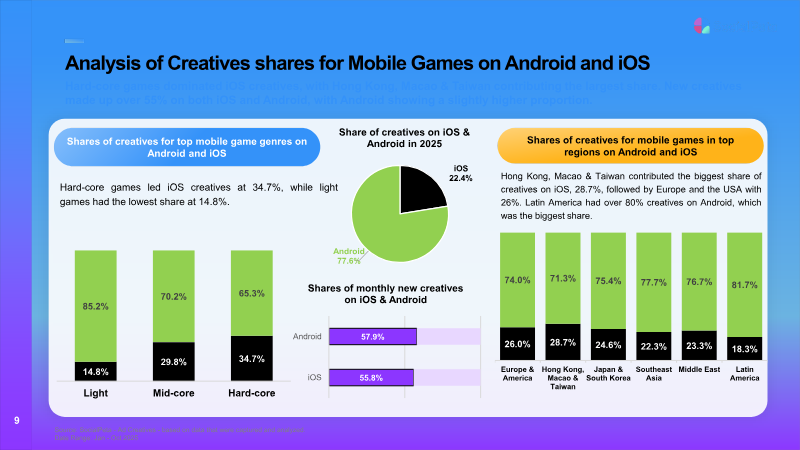
The 2025 Global Mobile Game Marketing Insights & Creative Breakdown provides a comprehensive analysis of the mobile advertising landscape, focusing on the evolution of ad creatives across more than 80 countries and 80 ad channels.
- Over 90% of mobile game advertisers now utilize AI to generate assets, marking a critical industry shift toward automation to combat rising competition.
- The average monthly creative volume per advertiser reached 123 in 2025, representing a 20% year-over-year increase, with new creatives accounting for 58% of total monthly output.
- Strategy games lead the industry in advertising intensity with 325 monthly creatives per advertiser, while Casino games prioritize the highest turnover with 65.6% of assets being new each month.

The 2025 Guide to US Gaming Audiences: From Data to Personas
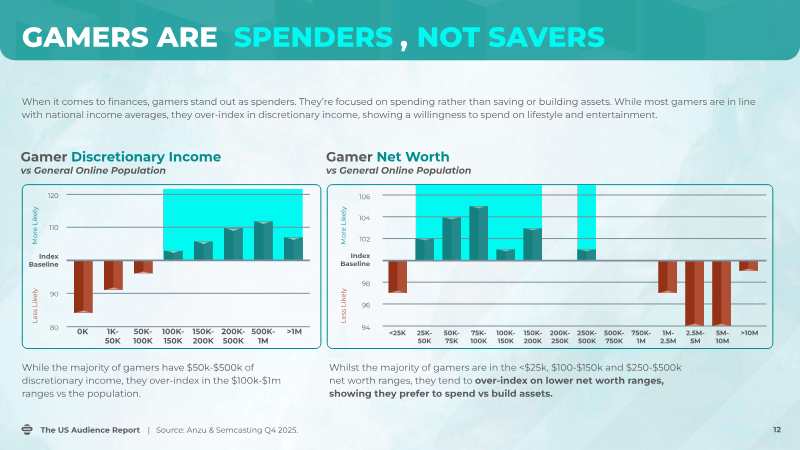
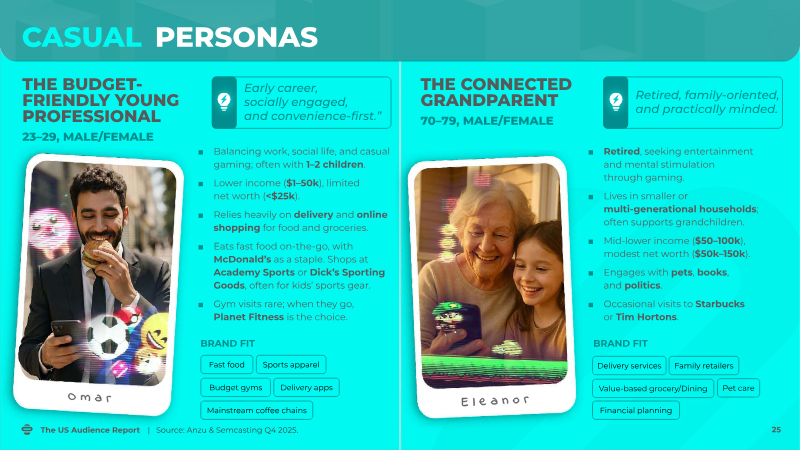
The 2025 United States gaming landscape reflects a profound demographic shift, moving away from the outdated stereotype of the isolated young male toward a mainstream, diverse population nearly evenly split by gender.
- The US gaming audience is now gender-balanced and financially stable, with significant segments earning between $51,000 and over $250,000 in net worth.
- Modern gamers prioritize immediate lifestyle quality and discretionary spending over long-term asset accumulation, frequently investing in premium groceries and convenience services.
- Gaming is primarily a social and familial activity rather than a solitary pursuit, with consumer habits heavily influenced by multi-generational household dynamics.


Retention Radar
The global mobile ecosystem is entering a period of maturation characterized by a 2.3% decline in installs, necessitating a strategic pivot from aggressive user acquisition toward sophisticated retention models.
- A 10% improvement in user retention can drive profit increases of up to 90%, making retention a more critical financial lever than aggressive user acquisition in a market seeing a 2.3% decline in installs.
- Simulation games demonstrate the value of long-term engagement by achieving a threefold increase in Return on Ad Spend (ROAS) by the thirtieth day of player activity.
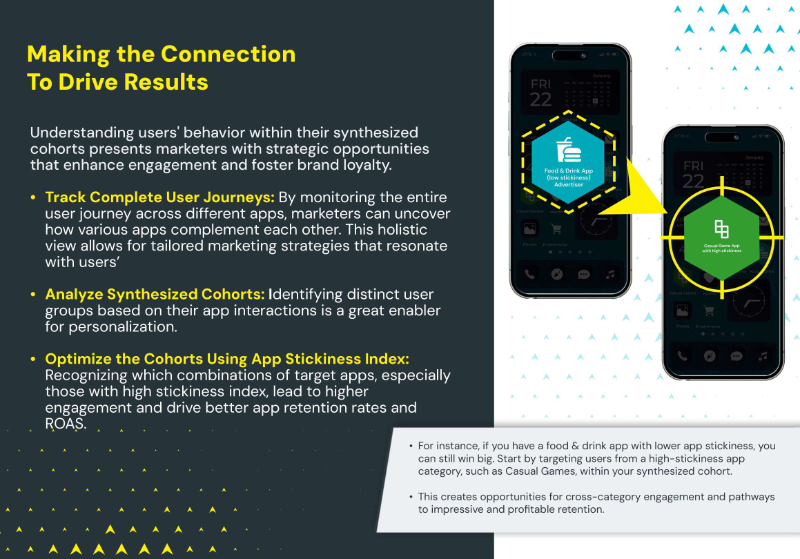
- Targeting 'synthesized cohorts'—clusters of interconnected apps based on shared user habits—is more effective than siloed marketing, especially given that RPG players show a 40.2% engagement rate with non-gaming applications.
The Global State of Game Publishing & Marketing 2025 Industry Report
The global game publishing market is entering a period of significant expansion, with revenues projected to rise from $117.4 billion in 2025 to $150.5 billion by 2030.
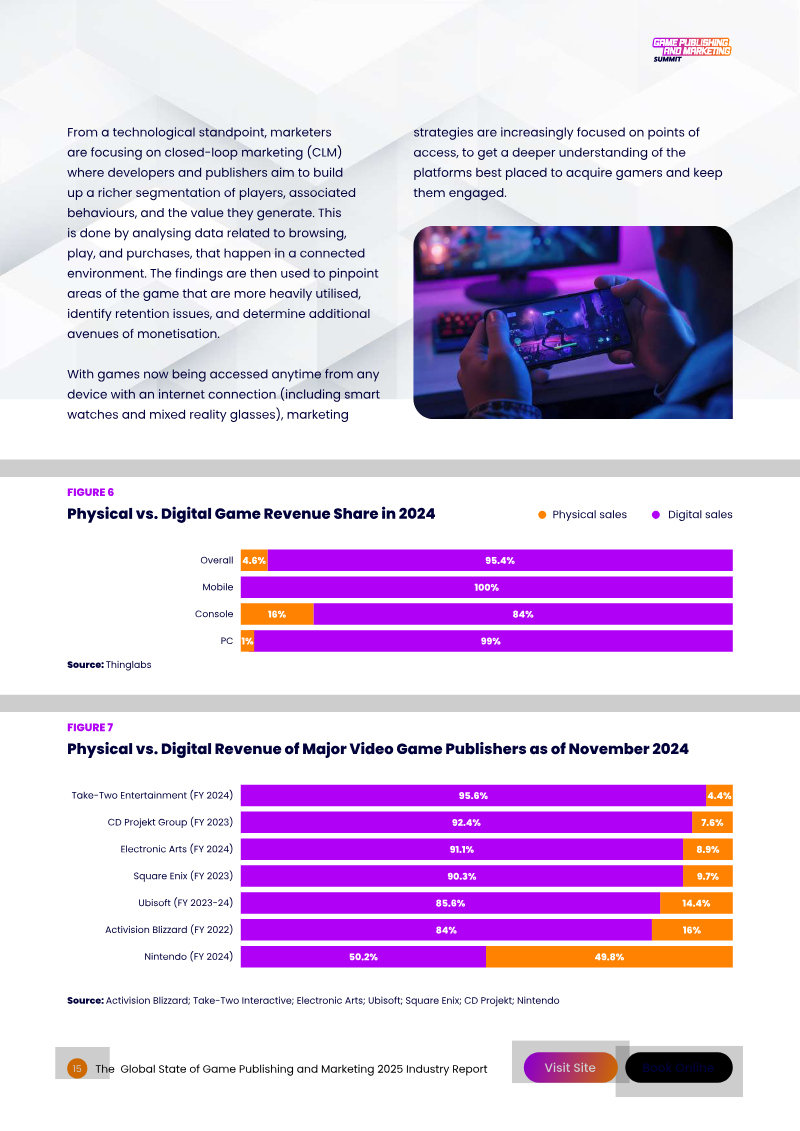
- The global game publishing market is projected to grow from $117.4 billion in 2025 to $150.5 billion by 2030, driven by a market where 95% of revenue is already generated through digital distribution.
- Multiplatform launches have increased by 40% as developers prioritize cross-platform strategies, which can boost total revenue by up to 40%.
- Live Service Games have become the industry standard, with 95% of studios now developing titles specifically designed for recurring revenue models.
From Games to the Big Screen: The Impact of IP Across Platforms
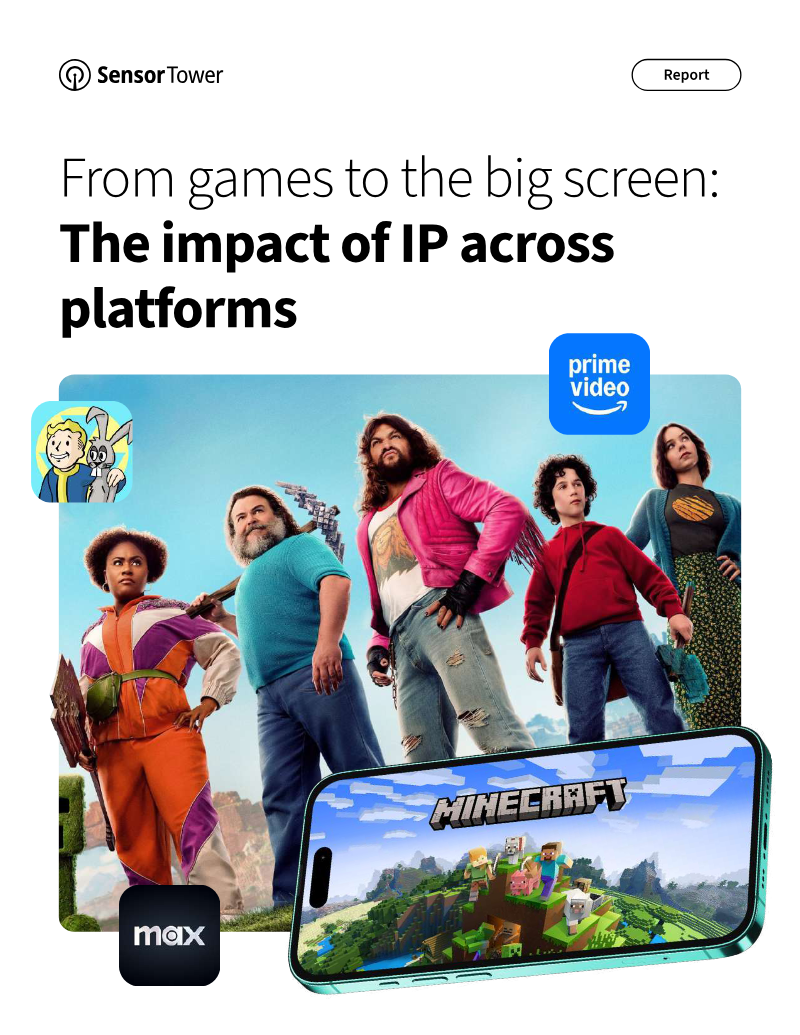
The entertainment industry is increasingly leveraging a transmedia strategy where video game intellectual property serves as the foundation for high-budget scripted content.
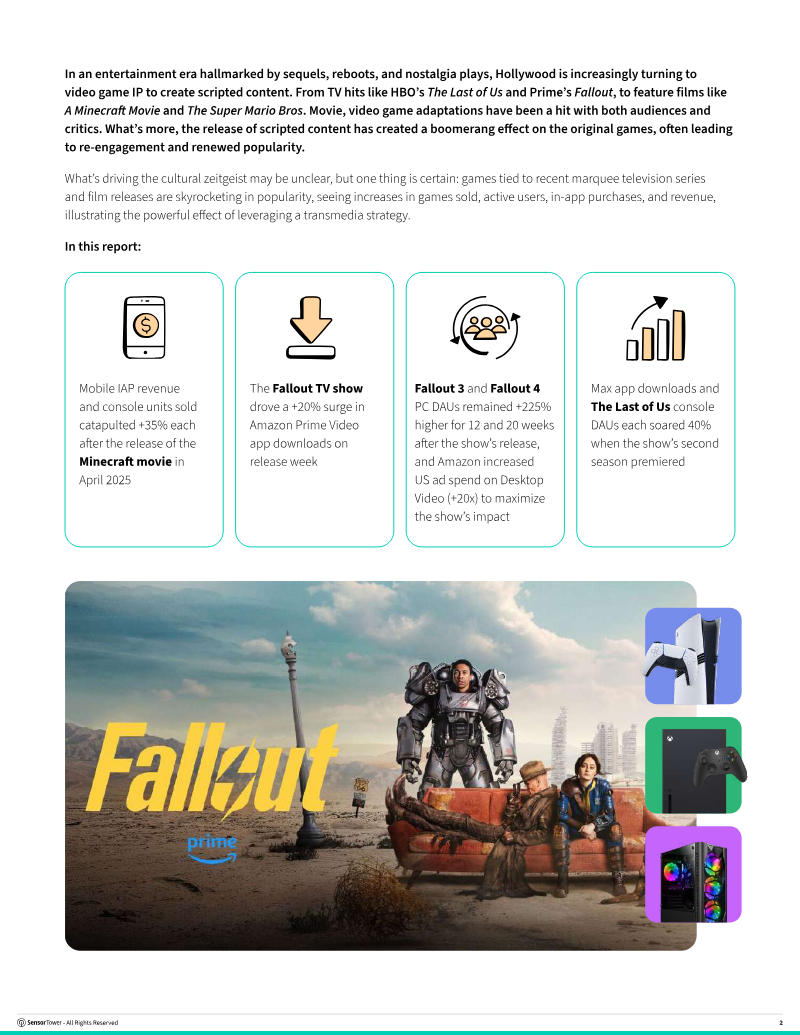
- The Fallout television series triggered a 410% surge in daily PC sales for Fallout 4 and sustained a 225% increase in daily active users for legacy titles for up to 20 weeks post-premiere.
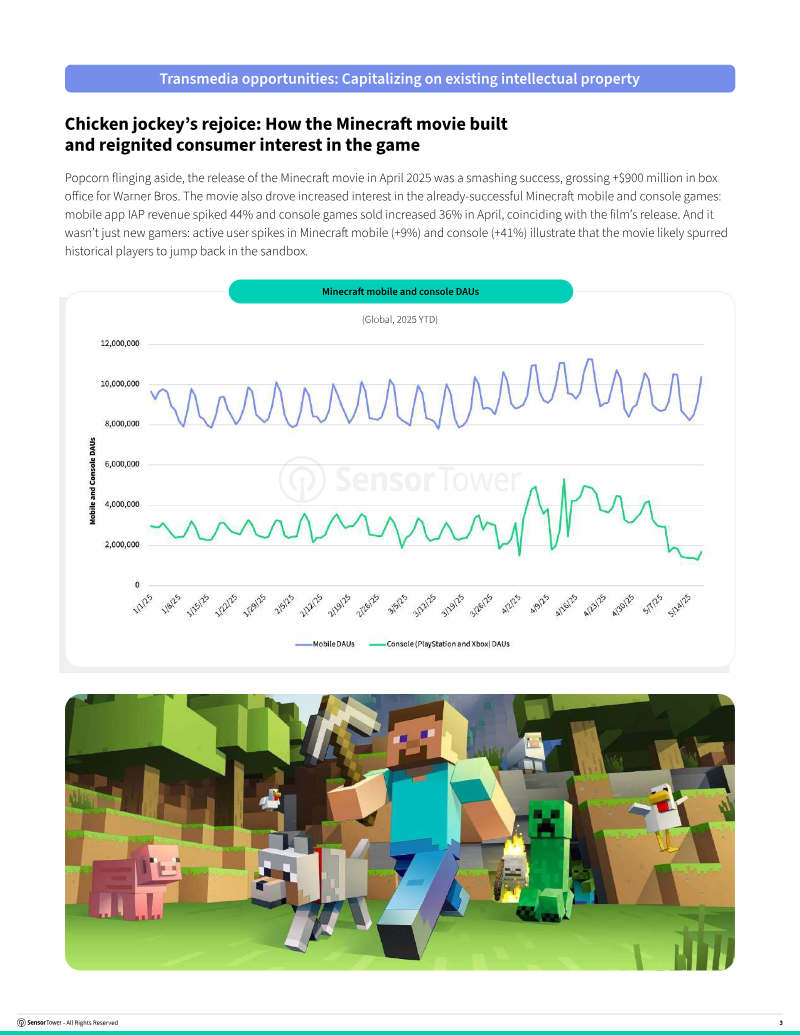
- The Minecraft film grossed over $900 million while driving a 44% spike in mobile in-app revenue and a 36% increase in console sales.
- Transmedia adaptations create a symbiotic growth loop that simultaneously boosts gaming metrics and streaming platform performance, such as the 23% increase in Amazon Prime Video downloads following the Fallout series launch.

Mapping IP fandom with the Global Gamer Study
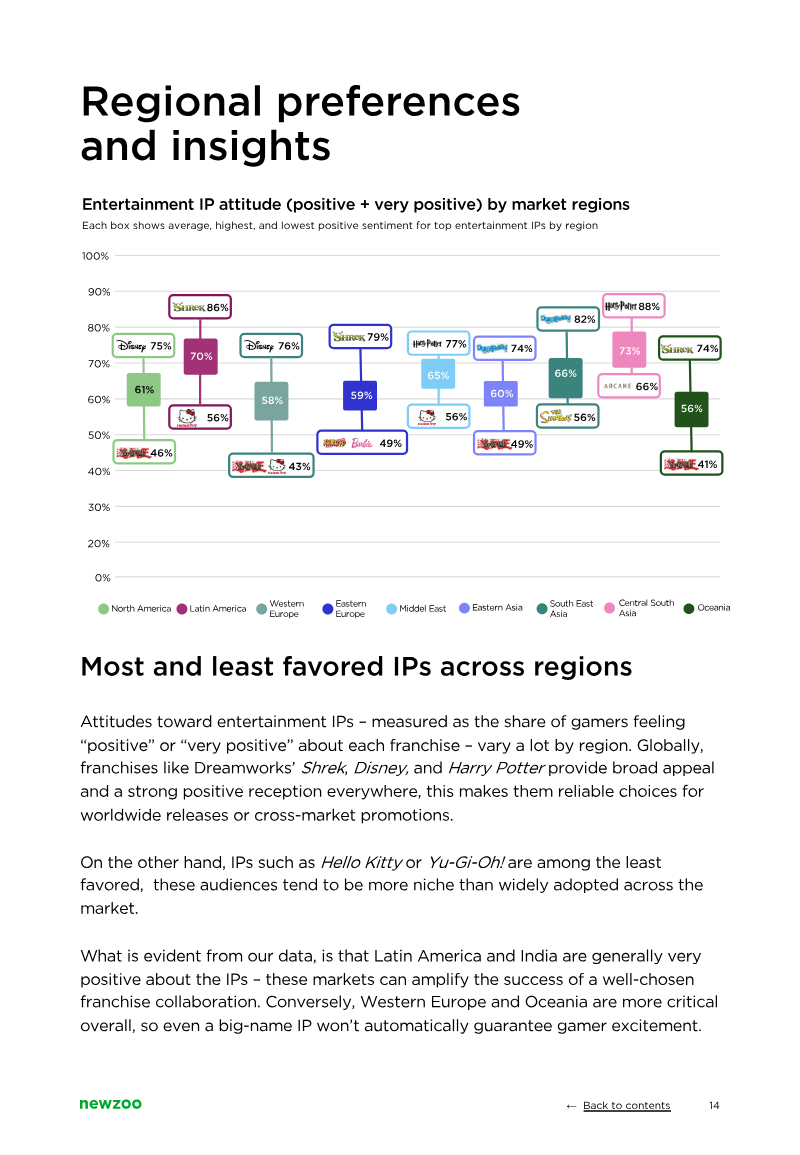
This analysis explores the intersection of intellectual property (IP) fandom and player engagement within the global gaming industry.
- In 24 of 36 surveyed markets, gamers are more likely to play a title featuring an IP they favor, confirming that transmedia collaborations are a primary driver for acquisition and retention.
- IP influence on player engagement varies significantly by region, peaking in South Asia (74%) and Latin America (64%) compared to more reserved engagement in Western Europe and Oceania (45%).
- Global Favorites like Harry Potter and Disney maintain 90% recognition with high sentiment, whereas IPs like DC Comics show extreme regional variance, with 70% awareness in the U.S. versus only 21% in Japan.
Gaming: Your Marketing Cheatcode
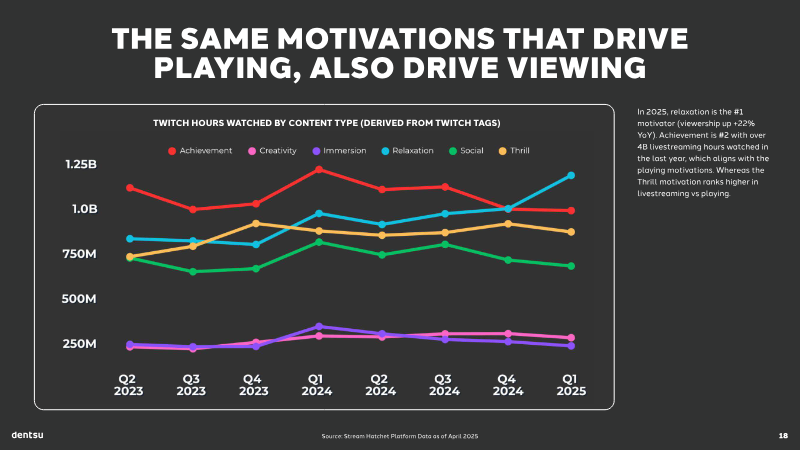
Gaming has evolved into a horizontal cultural layer encompassing 3.4 billion global players who utilize interactive platforms to build identity and community.
- Gaming commands 3.4 billion players globally, yet receives less than 5% of total media investment, indicating a significant misalignment between consumer attention and advertising spend.
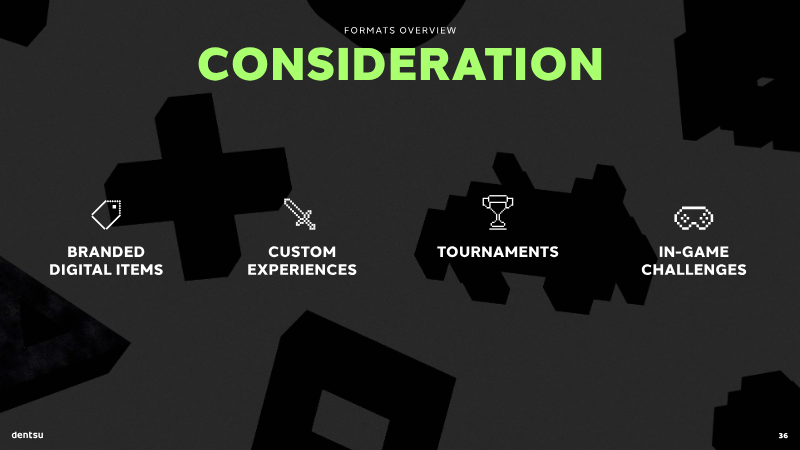
- Custom in-game experiences can generate up to 100x higher attention levels compared to traditional social media platforms.
- Immersive brand strategies are highly effective, with 55% of players expressing interest in acquiring branded virtual items.
Championing the 25 Retailers and Digital Services Who Connect Music, Video and Games Creators with UK Fans Yearbook
The United Kingdom’s entertainment market reached a historic milestone in 2024, achieving a record valuation of £12.0 billion.
- The UK entertainment market reached a record £12.0 billion valuation in 2024, marking twelve consecutive years of growth and a 50% increase since 2019.
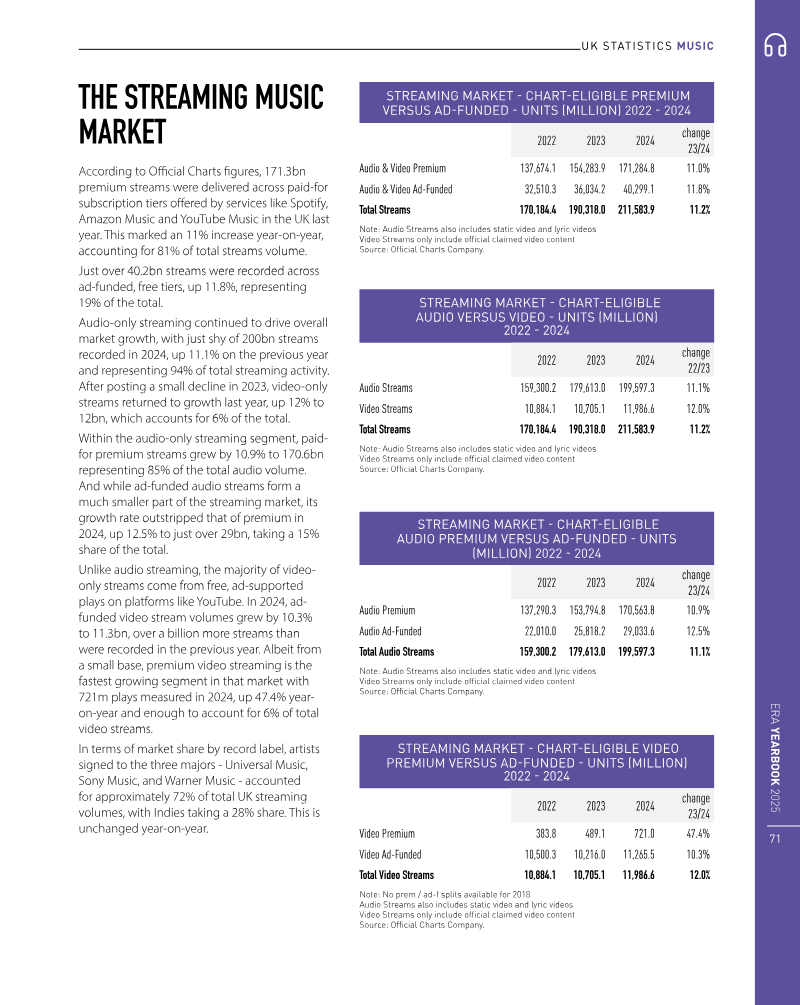
- Digital services and streaming now dominate the industry, accounting for 93% of total revenue, with subscription models driving over 75% of consumer spending.
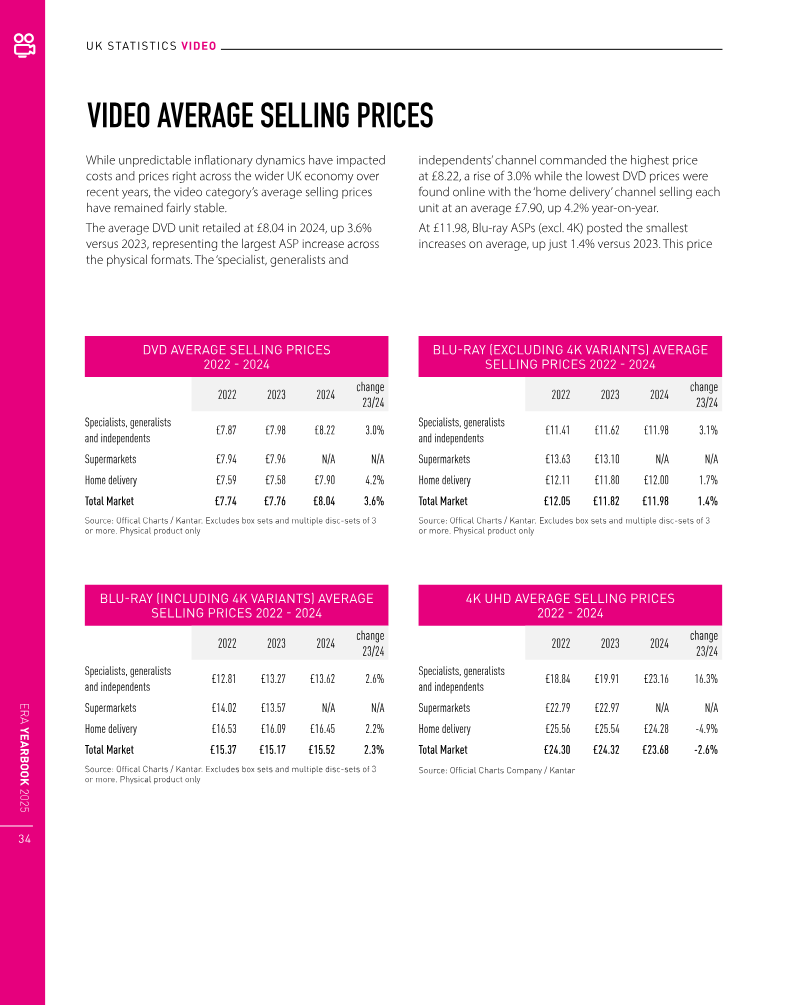
- Video is the largest sector at £5.0 billion, fueled by an 8.3% rise in Subscription Video on Demand (SVoD) to £4.46 billion, which successfully offset the decline in physical media.