The gaming creator landscape has evolved into a primary cultural driver, with Gen Z and Alpha audiences now prioritizing streamers and digital personalities over traditional celebrities or professional athletes. This shift necessitates a move away from disruptive advertising toward seamless integration within creator ecosystems. Current consumer sentiment indicates that 75% of audiences demand innovative marketing approaches, while 57% actively seek brand experiences that can be converted into social media content. High-engagement activations across major titles like Minecraft and League of Legends, which boast interaction rates between 13.4% and 31.8%, demonstrate that brand relevance is best achieved through long-term ambassador programs and interactive live events rather than one-off placements.
Strategic focus has transitioned from manual outreach to automated creator programs and data-driven management tools. Brands such as HyperX and HP OMEN utilize dedicated landing pages to vet high-intent applicants, streamlining the scaling of influencer networks. Growth is increasingly concentrated in immersive environments, including Roblox—which recently doubled its monthly viewership to reach 400 million users—as well as augmented reality activations and niche communities within Discord and Grand Theft Auto V role-play servers. These platforms allow brands to leverage user-generated content and earned media to foster authentic connections with digital-native demographics.
Global expansion and technological shifts further define the current marketing environment. While Twitch and YouTube Gaming remain dominant, emerging platforms like Kick and Korean services such as SOOP and Chzzk offer new avenues for engagement. Marketers must also navigate technical challenges, including the rise of AI-driven influencer discovery, the mitigation of viewbotting, and the optimization of the "Q5" holiday period to maximize return on investment. Ultimately, success in the 2025 landscape depends on a brand's ability to integrate into the creator’s narrative while utilizing sophisticated tracking metrics to measure performance across diverse digital territories.
Stream Hatchet · 2025
Stream Hatchet · 2025
Stream Hatchet · 2025
Stream Hatchet · 2025
Stream Hatchet · 2025
Stream Hatchet · 2025
Stream Hatchet · 2025
Stream Hatchet · 2024
Stream Hatchet · 2024
Stream Hatchet · 2024
Stream Hatchet · 2024
Stream Hatchet · 2024
Stream Hatchet

Stream Hatchet
IGN Entertainment · 2026
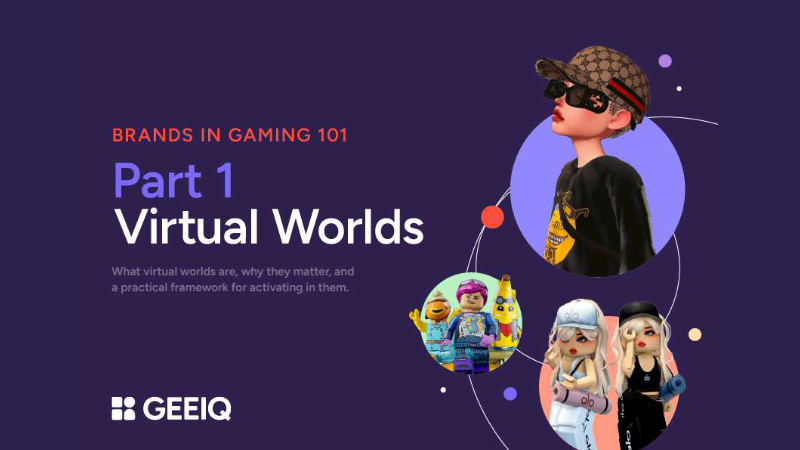
GEEIQ · 2026

Almedia · 2026
Gamesight · 2026

InvestGame · 2026

SocialPeta · 2026
SocialPeta · 2026
Anzu · 2026
SocialPeta · 2026
Raptive · 2026